PERSIAN OF IRAN TODAY AN INTRODUCTORY COURSE VOLUME 1 (2015) - page 6
Grammar Exercises
1. Translate the following sentences into English.
.تساجک ناتردارب يهناخ مناديمن .١
؟دروخيم رينپ و نان ناتردام .٢
.تسين دلب يسراف وا .دنکيم يگدنز اکيرمآ رد مرهاوخ .٣
.مروخيم ينتسب و ينيريش .مرادن تسود شزرو .متسين بوخ ،رتکد ياقآ ملس .۴
؟ديوريم اجک .٥
.ماهنسرگ .هاگشناد ناروتسر موريم . ۶
.ماهتسخ .هناخ موريم نم . ۷
2. Translate the following sentences into Persian.
1. My brother does not eat bread. He does not like bread.
2. Where does your sister live?
3. I like your friend. Is she hungry?
4. Are you tired? We will go home.
5. Where is your father? Does he live in Texas?
3. Write sentences with each word. Use at least one ezâfe in each sentence.
سلک .١
ردام .2
امش .3
SHAHSAVARI | ATWOOD
134
4. Use the vocabulary from this lesson to fill in the blanks in the sentences below.
The sentences in parentheses are in the spoken form.
.تسا ینارهت وا ،هلب - ؟تسا نارهت
امش تسود .1
.تسا بوخ ناروتسر نیا
2
.دروخیم بآ ،درادن تسود
مردپ .3
).هنوخ
؟
اجک( .4
؟یروخیم بآ ؟یا
5
.تسا اپورا رد مهاگشناد
متسه ییاکیرمآ نم .6
)
نم .تسا مرگ اجنیا( .7
.هلب - ؟
ناروتسر نیا رد .8
.ایناپسا دیردام رد- ؟ینکیم
اجک .9
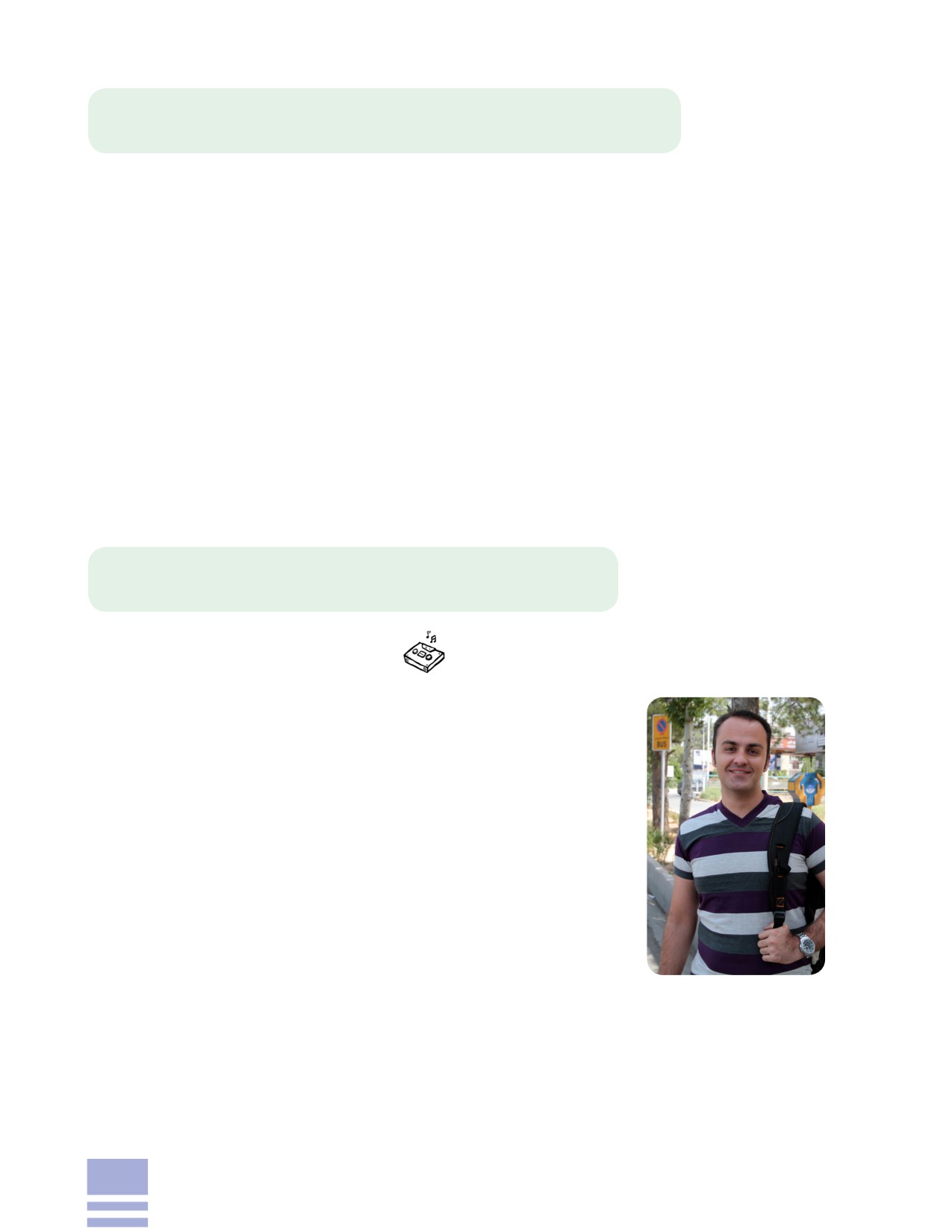
5. Listen to what Ali says and answer the following questions in complete
sentences in Persian.
Grammar 1
؟تساجک لها و دراد لاس دنچ یلع .1
؟دنکیم یگدنز اجک وا .2
؟دنکیم یگدنز یک اب .3
؟دروخیم ار شماش و راهان اجک .4
5. What is his room like?
6. How does he get to school?
135
PERSIAN OF IRAN TODAY
A New Verb
Grammar 2
وگ -نتفگ
The verb “to say” will add depth to your abilities in Persian
by allowing you to communicate your own ideas and the
)مگیم( میوگیم
نم
ideas of other people as well. Use your knowledge of
وت
present-tense verb conjugations to complete the chart
(نوا( وا
below. The spoken variation is included in the parentheses.
Listen to the audio file to check your answers.
ام
)نیگیم( دییوگیم
امش
(ننکیم( دننکیم
(انوا( اهنآ
check your answers again!
گ - یوگ -نتفگ
Read the following sentences with the verb “to say” and
مگیم
میوگیم
answer the questions below.
یگیم /نیگیم
ییوگیم /دییوگیم
.دوریم هناخباتک هب زور ره دیوگیم متسود .1
هگیم /نگیم
دیوگیم /دنیوگیم
).هنوخباتک هریم زور ره هگیم متسود(
میگیم
مییوگیم
).همرگ اجنوا نگیم( .تسا مرگ اجنآ دنیوگیم .2
نیگیم
دییوگیم
نگیم
دنیوگیم
1. What do you notice about the sentence structure when this verb is involved? This structure is similar to
sentences with what other verb that you know?
………………………………………………………………………………………………………………..
……………………………………………………………………………………………………………
2. How do you think this verb is being used in the second sentence? (Hint: Do we necessarily know who the
subject is?)
………………………………………………………………………………………………………………..
………………………………………………………………………………………………………………..
Fill in the blank using the appropriate present-tense conjugation
of the verb “to say” and translate the sentences into English.
.تسا بوخ یلیخ ناروتسر نیا
مردام و نم .1
SHAHSAVARI | ATWOOD
136
.تسا یبوخ راک هناخباتک هب نتفر
شاهداوناخ .2
.تسا تحار یگدنز دینکیم یگدنز هاگباوخ رد یتقو
3
.تسیچ ام فیلکت
ام هب ملعم .4
؟تساجک ناتهناخ
نم هب امش .5
In Class:
Take five minutes to write a sentence that the people below would normally say. Then work with a partner and
say your sentences using
نتفگ
and
انوا / نوا /نوشیا
. Your partner must guess the person you’re describing
using a complete sentence. Make sure your sentences are appropriate to the specific people you are describing,
otherwise your partner won’t be able to guess. Look at the example below.
.هیبوخ راک ندرک شزرو نگیم نوشیا -
.هیبوخ راک ندرک شرزو هگیم رتکد -
!هتسرد -
.................................................................................................................................................................................... داتسا
..................................................................................................................................................................................... ملعم
..................................................................................................................................................................................... رتکد
.................................................................................................................................................................................... لیکو
........................................................................................................................................................................... ردپ و ردام
................................................................................................................................................................................... رهاوخ
137
PERSIAN OF IRAN TODAY

Writing exercise نتشون
Write a paragraph about yourself. Try to talk about where you are from, what you do, how old you are, where
you live, how many siblings you have, where they live and how old they are, etc.
Speaking Activities ندز فرح
In Class:
Review the vocabulary on page 110 and 111 about telling someone how you feel, then play charades with one of
your classmates. Make a face indicating how you feel and your partner will guess the emotion in Persian.
Homework:
Review the vocabulary and grammar note and think about how you would ask the following questions. Practice
them aloud several times so you can ask them fluidly in class, and think about how you might answer these
questions yourself.
~ Where do you live?
~ Where does your mother live? Where does your father live?
~ Do you go to your mother’s house?
~ Are the students in this class lazy?!!
~ Is this room cold or warm?
SHAHSAVARI | ATWOOD
138
In Class:
Now, practice with your classmates. Ask your neighbors the questions above. Pay attention to what they say, as
your instructor may ask you to report what you’ve learned to the class. Be sure to thank your classmates.
Introducing a new word:
)یتخو( یتقو
This word means “when,” but it is not a question word. Look at the examples below:
.منزیمن فرح متسه ینابصع یتقو
Talk with your classmates and find out
...what they do when they are sad.
....what they do when they are angry.
...what they do when they are happy.
Language Games
1. Sentence Charades: Divide into small groups of 3 or 4. Work with your group to write 5 to 10 sentences
on small pieces of paper. Fold the papers in half. A student from another group will select one of the sentences
and act it out. The group has a minute and a half to guess the sentence. Each sentence properly guessed is worth
10 points. Using any non-Persian words will cause your team to lose one point! Before acting out your sentence,
you may indicate the number of words and prepositions on the board with lines and circles.
میوریم هاگشناد هب مردارب و نم :لاثم
______ 0 _______ 0 _______ _____
The person who acts will fill in each blank when the group mentions each word.
2. Circle Sentences: You, your teacher, and your classmates should form a circle. The teacher begins by pointing
at the student next to her and describing her. For example:
.همیرم هتسخ رتخد نیا
Now the student whom the teacher just described, points to the next student and uses an adjective to describe
him or her.
Consider using the following adjectives: tired, hungry, thirsty, beautiful, sad, angry, happy, Iranian, sick, lazy, etc.
139
PERSIAN OF IRAN TODAY
UNIT 8
ص
آ
ض
ب
ط
پ
ظ
ت
ع
ث
غ
ج
ف
چ
ق
ح
ک
خ
گ
د
ل
ذ
م
ر
ن
ز
و
ژ
ه
س
ي
ش
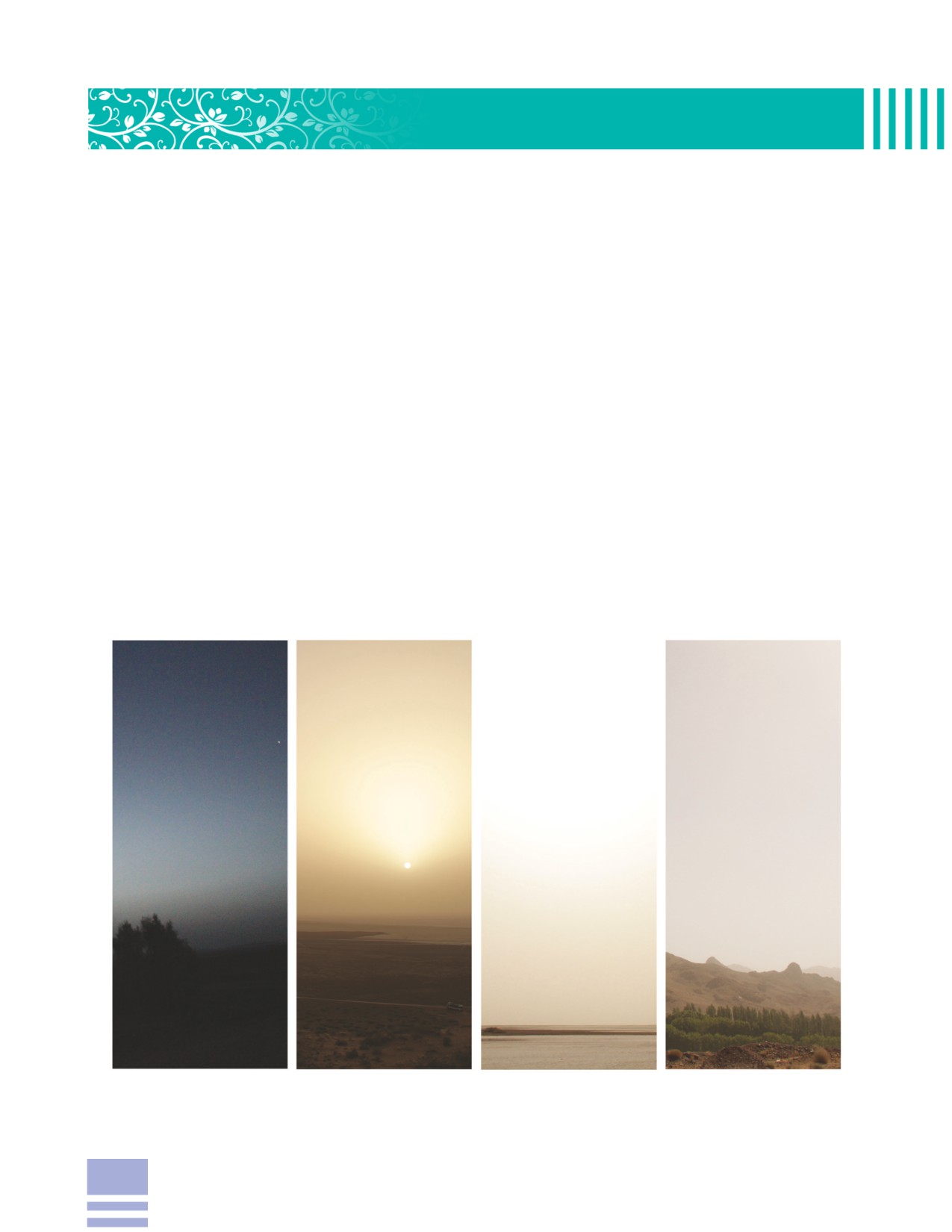
!ريخ هب نوتحبص
Good morning!
Welcome!
!ديدمآ شوخ
Cultural Note یگنهرف تشاددای
.ديدمآ شوخ ،ریخ هب نوتحبص
Being an early bird is a valuable trait according to Iranian culture. There are a number of Iranian proverbs and
poems that suggest that waking up early in the morning may help one have a successful day. “ات شاب زیخرحس
یوش اورماک” /sahar khiz bâsh tâ kâmravâ bâshi/ is one such proverb that elderly people use to give advice to
young people. It means “wake up early to be successful”. However, Iranian culture does not necessarily value
promptness! Iranians does not usually stress setting an exact time for a meeting or plans. It is not uncommon for
an event, even a very formal gathering, to start half an hour or an hour late.
!ريخ هب رهظ
!ريخ هب حبص
!ريخ هب بش
!ريخ هب رصع
141
PERSIAN OF IRAN TODAY
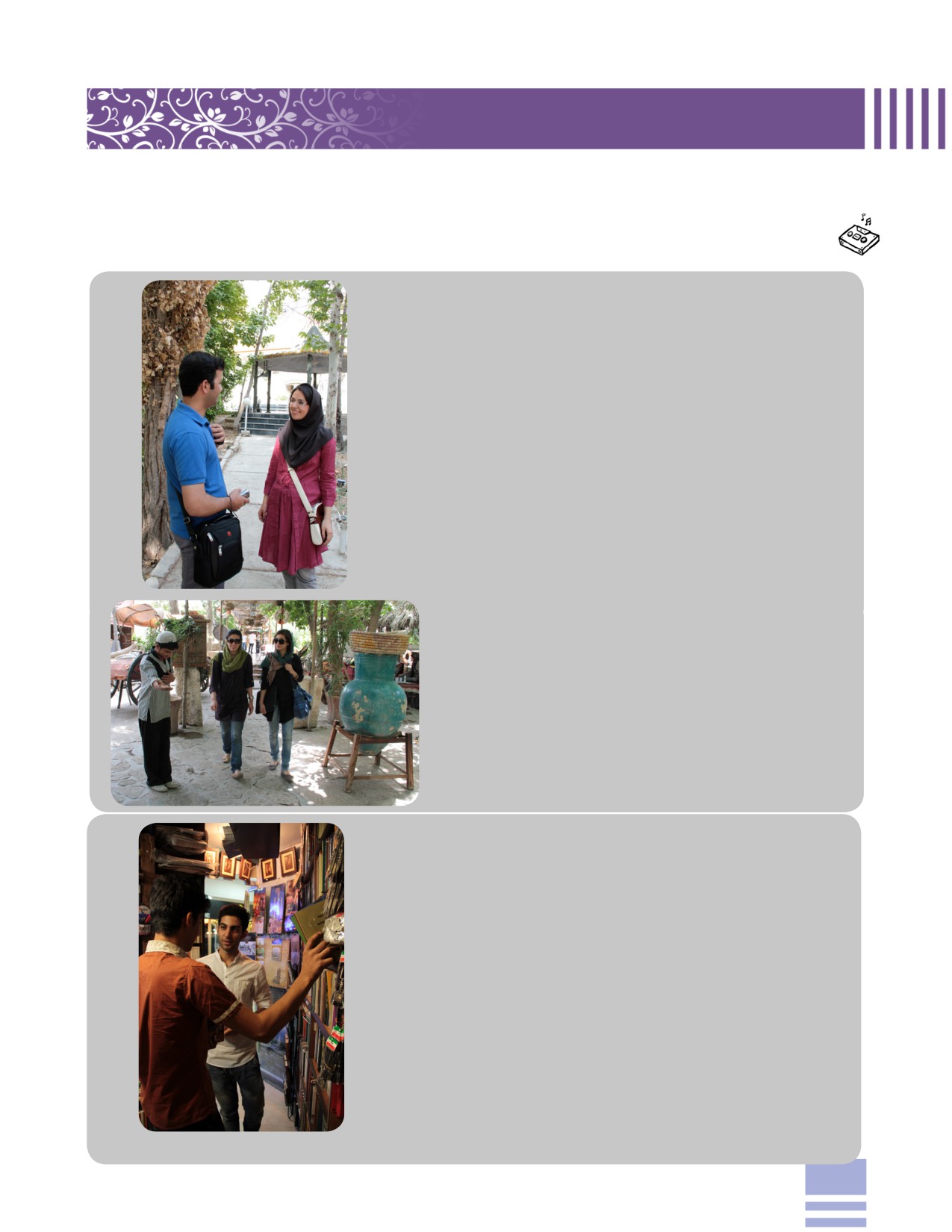
Short Conversations هاتوک یاهوگتفگ
In class, listen to the audio files, repeat what you hear and try to fill in the blanks. At home repeat what you
hear several times and try to follow the rhythm. Write at least two sentences in Persian about each picture.
During the next class time, you will work with a classmate to create a scenario that uses these expressions.
!ريخ هب
حبص ،ملس .
؟
نوتلاح .ريخ هب
،ملس .
؟نيروط هچ امش ،
.مبوخ ،
1
1
2
2
.ديدمآ
یليخ
هب نوترهظ ،ملس .
1
1
2
2
؟هبوخ
ريخ هب
،هلب .
1
1
2
2
SHAHSAVARI | ATWOOD
142
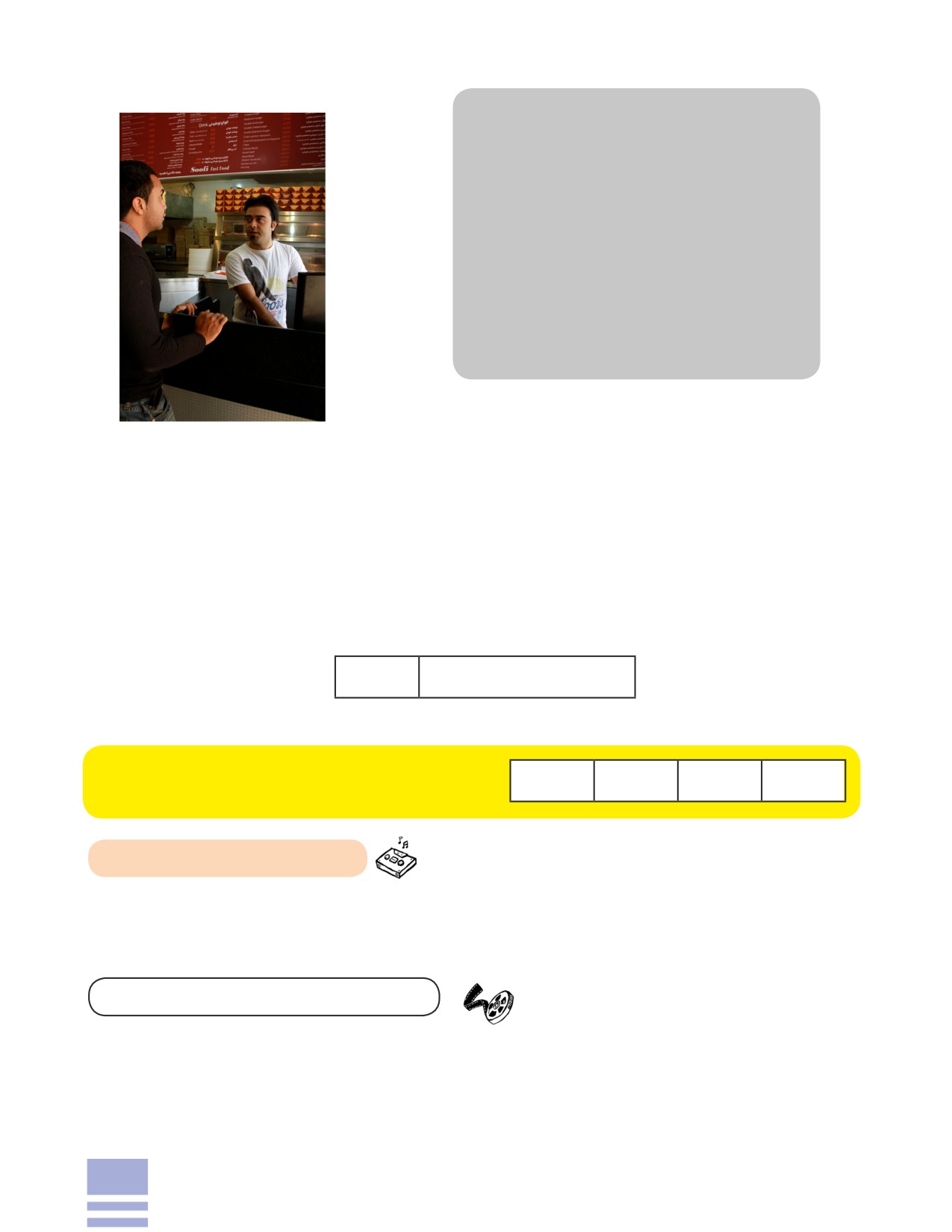
؟
یچ .ريخ هب نوتبش .
1
1
2
2
In class, work with a classmate to create a scenario that uses these expressions.
)used at the time of sleeping( !ريخ هب بش
)anytime before evening( !ريخ هب نوتزور
)when leaving( !شوخ نوتزور
)usually when leaving( !شوخ نوتبش
...ظ
....غ...ﻎ...ﻐ...ﻏ...
In this unit, you will learn the last two letters.
Part 1: gheyn
/gh/
_ﻍ_ﻎ__ﻐ__ﻏ_
غاد
غيج
بولغم
راغ
1. Listen to the audio file for غ gheyn.
This letter is pronounced exactly like ق , which you learned in Unit 5. You will have to memorize the spelling of
any words containing ق or غ . Note that this letter is written exactly like ع , but with a dot above it.
2. Watch the video and follow the instructions.
...........................................................ﻐ
ﻏ
..........................................................ﻍ
ﻎ
143
PERSIAN OF IRAN TODAY
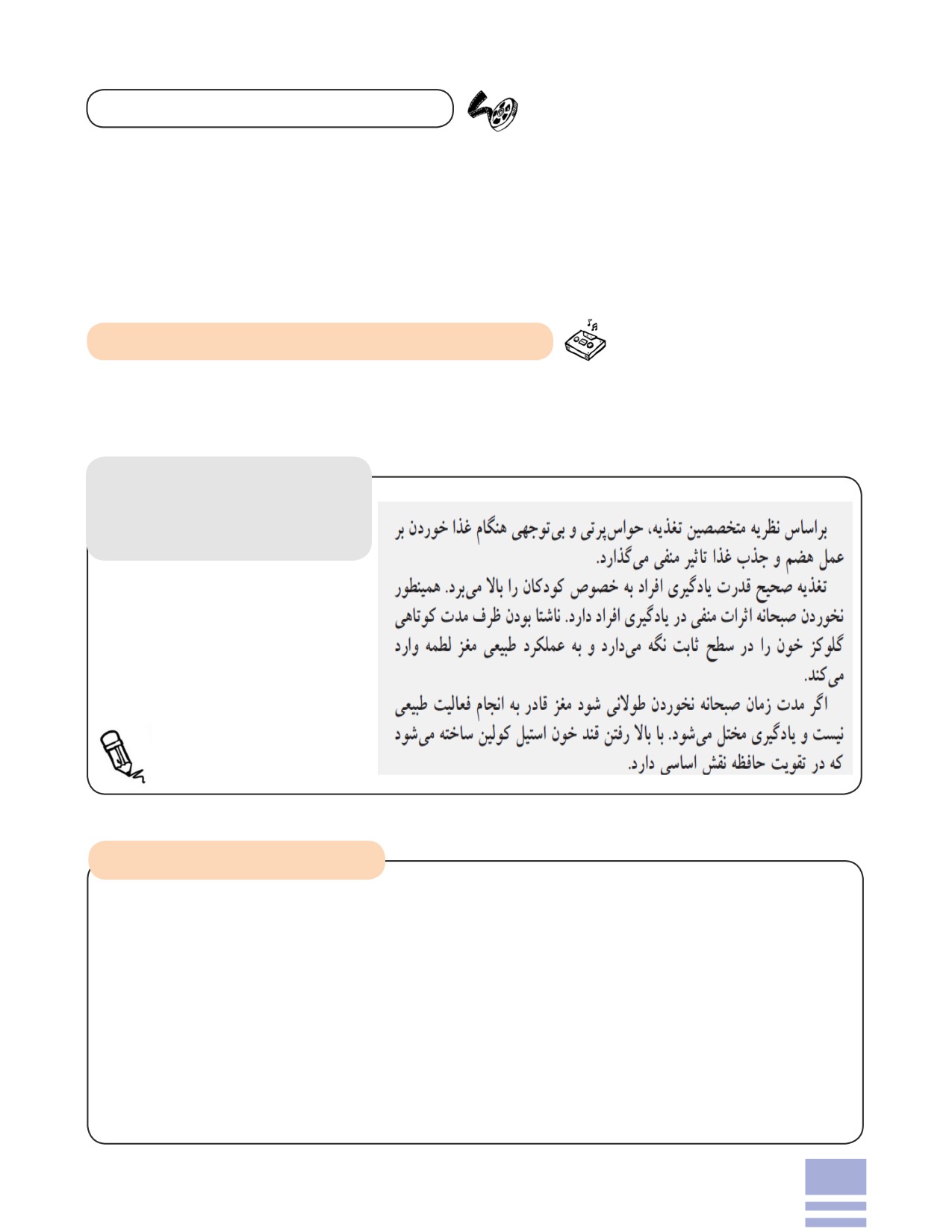
3. Watch the video and write the following words.
...................................................... لاغترپ
مغ
.......................................................... غلک
غيم
4. Listen and check when you hear the /gh/ sound in the word .
□ .۵
□ .۴
□ .٣
□ .٢
□ .١
5. Circle the letter غ in the following
text. Report to your instructor how
many غ you identified in the text.
6. Listen and write the words you hear.
.١
.٢
٣
4
.٥
SHAHSAVARI | ATWOOD
144
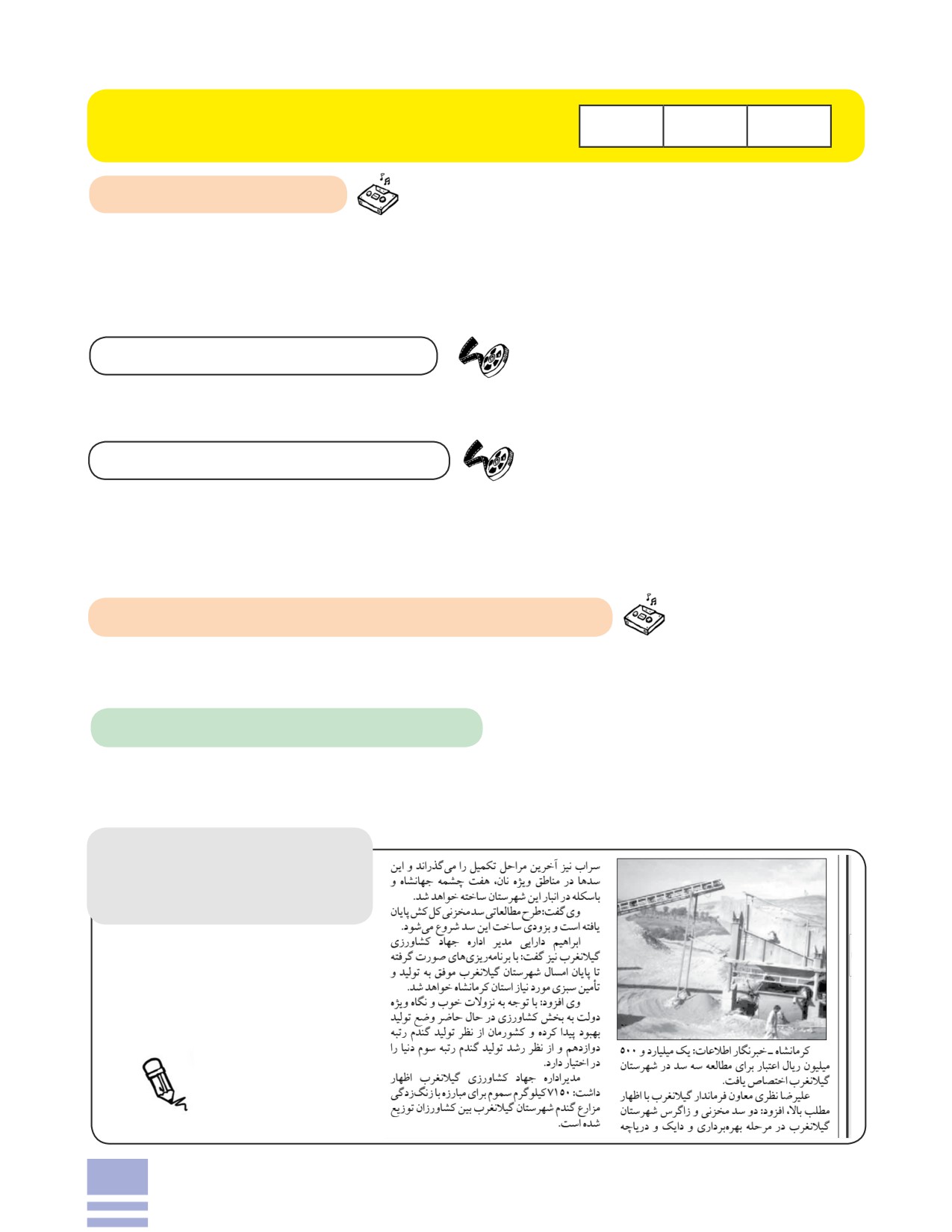
Part 2: zâ
/z/
___ظ___
ظفاح
مظن
نظ
1. Listen to the audio file for ظ zâ.
The letter zaa represents the fourth letter you have learned that is pronounced ز ! Like the letters ذ and ض , the
letter ظ is used in words of Arabic origin. Most Persian words you learn will use ز , but when you come across
words spelled with one of the other letters, you must memorize their proper spelling.
2. Watch the video and follow the instructions.
.........................................................................................................................ظ
3. Watch the video and write the following words.
........................................................ رهظ
رهاظ
.................................................. ظفاحادخ
رظن
4. Listen and write the words you hear. Use ظ when you hear /z/ sound.
.٥
.۴
.٣
.٢
.١
5. Read aloud the following words with your partner.
نونظم .5
رهظ .4
مولظم .3
رهاظت .2
تاراهظا .1
6. Circle the letter ظ in the following
text. Report to your instructor how
many ظ you identified in the text.
تاعلطا همانزور
۱۳۸۹ دادرخ
145
PERSIAN OF IRAN TODAY
Vocabulary 1
1 ناگژاو
1. Listen to and learn these words. The spoken variations have been included in parentheses.
.مروخيم اذغ ناروتسر رد نم
I eat food. (never use khordan by itself)
مروخیم اذغ .1
) .مروخيم اذغ ناروتسر نيا وت نم(
morning / breakfast
.مروخیمن هناحبص نم .منکيم راک حبص نم
هناحبص /حبص .2
good morning.
!ردام ريخ هب حبص
ريخ هب حبص .3
greeting for noon
!ريخ هب نوترهظ
ريخ هب رهظ .4
good afternoon.
!ريخ هب امش رصع
ريخ هب رصع .5
good night. (when you are going to bed at night)
!مرتخد ريخ هب بش
ريخ هب بش .6
؟تسا نابايخ نيا رد ناروتسر دنچ
how many?
؟دنچ .7
)؟تسه نوبايخ نيا وت ناروتسر دنچ(
؟ديروخيم راهان دنچ تعاس
what time? when?
یک /؟دنچ تعاس .8
؟ديروخیم راهان یک
two o’clock
.ميروخيم راهان ود تعاس
ود تعاس .9
؟يتسه هناخ رد کي تعاس
one o’clock
کي تعاس .10
)؟یتسه هنوخ وت ...(
؟ديروخيم يزيچ هچ راهان
what?
)؟يچ/یزيچ هچ /هچ .11
)؟نيروخیم یچ راهان(
occupation
)؟هيچ امش ردپ لغش(
لغش .12
I was
.ملاحشوخ زورما اما ،مدوب تحاران زوريد نم
مدوب .13
،مدوب هنسرگ ود تعاس
I was not
مدوبن .14
.متسين هنسرگ نلا اما
now
.متسين هنسرگ نلا
نلا .15
2. Listen to the audio file again. Based on what you hear, write the vowels on the example sentences. Now listen to the
next audio file. Write the sentences you hear and translate them to English.
SHAHSAVARI | ATWOOD
146
Vocabulary 2
2 ناگژاو
Numbers
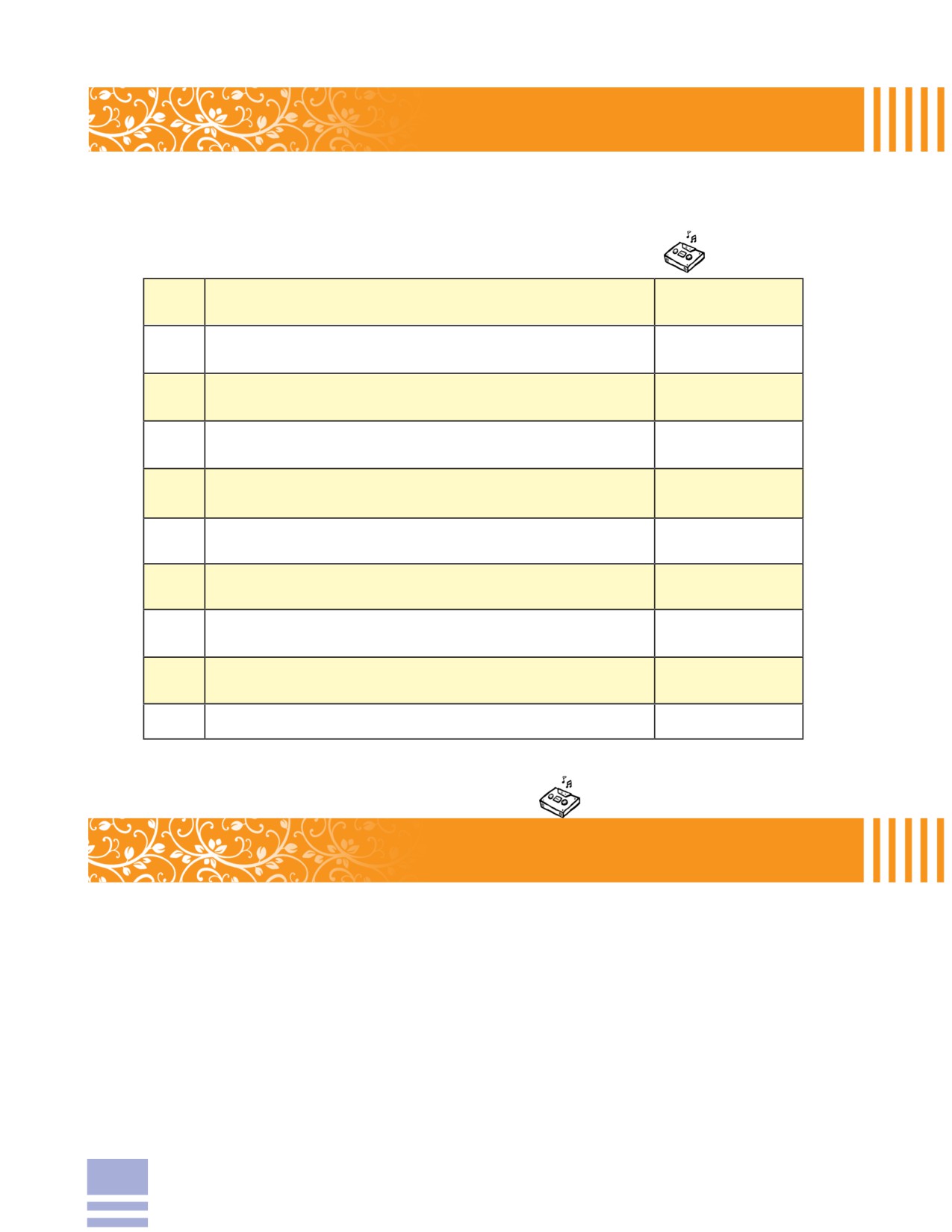
3. Listen to the audio file. Translate the sample sentences into English. Then follow the pattern for numbers 20 through 30 to
write the numbers 31 through 40. Read them aloud and write a sentence for each number.
twenty
).تسه سلک نيا وت یلدنص هي و تسيب(.تسا سلک نيا رد یلدنص کي و تسيب
کي و تسيب
one
twenty
).هراد هچب ات ود و تسيب یزيربت درم نوا(.دراد هچب ود و تسيب یزيربت درم نآ
ود و تسيب
two
twenty
).هشلاس هس و تسيب نووج رتخد نيا( .دراد لاس هس و تسيب ناوج رتخد نيا
هس و تسيب
three
twenty
).ندوب سلک وت نووج درم راهاچ و تسيب( .دندوب سلک رد ناوج درم راهچ و تسيب
راهچ و تسيب
four
.ميوریم هيکرت هب مناتسود زا رفن جنپ و تسيب و نم
twenty
جنپ و تسيب
five
).هيکرت ميریم ماتسود زا ات جنپ و تسيب و نم(
twenty
).مراد وجشناد ات شيش و تسيب نم( .مراد وجشناد شش و تسيب نم
شش و تسيب
six
twenty
).مراد دادم ات ...( .مراد دادم تفه و تسيب
تفه و تسيب
seven
twenty
).تساجنوا یسراف باتک ات ...( .تساجنآ يسراف باتک تشه و تسيب
تشه و تسيب
eight
twenty
).نراد ملعم هي زومآشناد ات
( .دنراد ملعم کي زومآ شناد هن و تسيب نيا
هن و تسيب
nine
thirty
).هملاس یس نم( .مراد لاس یس نم
يس
4. Listen to the audio file again. Based on what you hear, write the vowels on the example sentences. Now listen to the next
audio file. Write the sentences you hear and translate them to English.
ارچ
Read the following questions and answers:
هلب . ؟ديروخیم راهان
هن- ؟ديروخیم راهان
.مروخیم ،ارچ- ؟ديروخیمن راهان
5. Can you guess what ارچ means in the third sentence? As you know, we use “هلب” to mean “yes” in the affirmative.
How do we respond “yes” to a negative question? Explain the rule.
147
PERSIAN OF IRAN TODAY
6. Write possible questions for the following answers.
.منکیم یگدنز اجنيا ،ارچ . ؟
1
.مراد تسود ،ارچ . ؟
2
.ماهتسخ ،ارچ . ؟
3
.مراد ،ارچ . ؟
4
Memorize these two phrases for future use!
~ From now on, when somone sneezes in class, you should say the following expression, which literately means,
“may it be healthy”: هشاب تيفاع
/âfiyat bâshe/.
~ The person who has sneezed can answer with the following sentence which literary means “may you be
healthy”: ديشاب تملس /salâmat bâshid/.
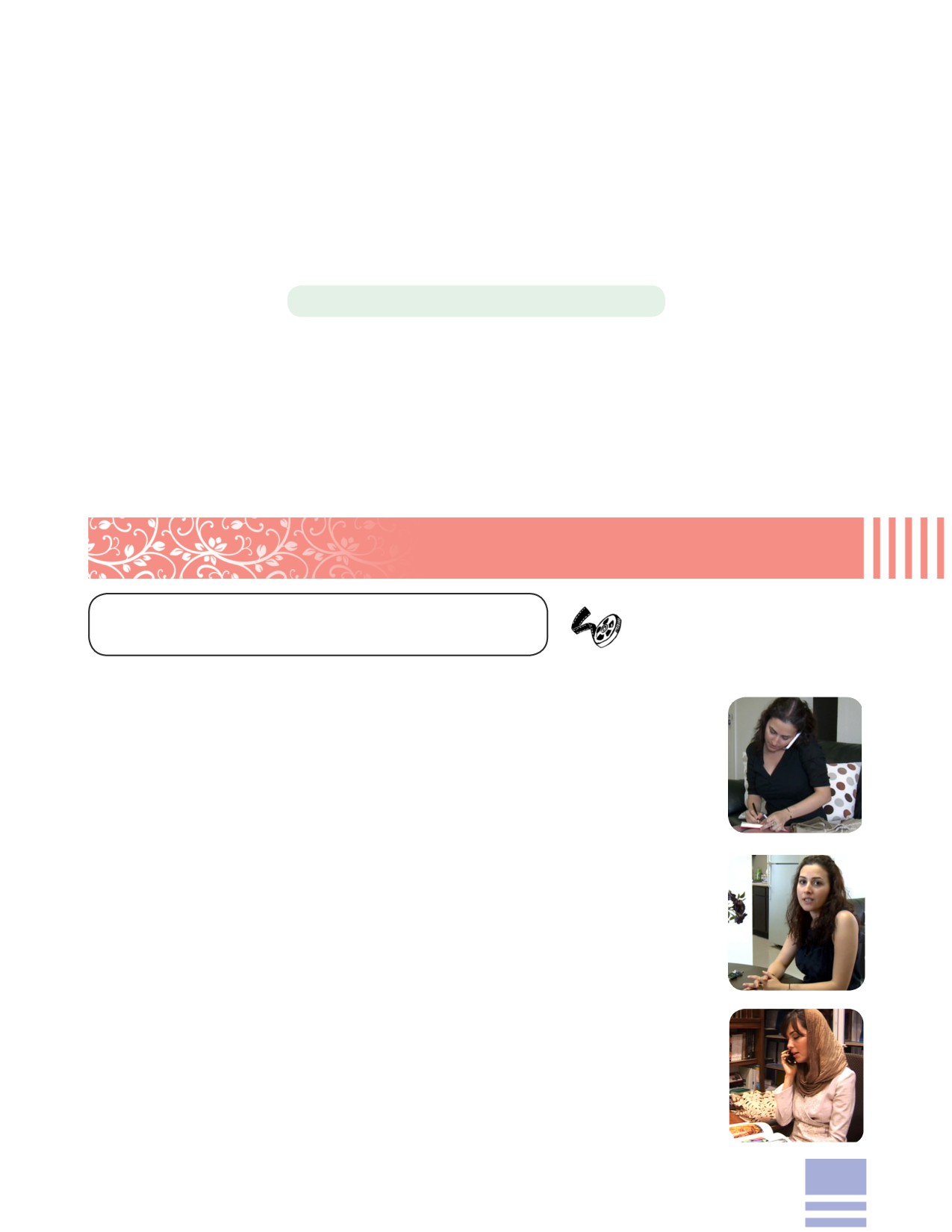
Listening Comprehension رادينش کرد
Watch the videos and answer the following questions in Persian.
Try to answer in complete sentences whenever it is possible.
1. Whose picture did Shayli show us?
2. What did you learn about the people whose pictures Shayli showed us?
3. What was the first word that Shayli said when she picked up the phone?
4. Who called Shayli?
5. What information did she give to Shayli?
6. How does Shayli say goodbye?
7. How does Shayli feel when she arrives home from school?
8. How is the weather today?
9. Where does she decide to go?
10. What do you think she is planning to eat?
11. How does Shayli feel when she is leaving the house?
12. What does Leili say when she calls?
13. What do you think /manzel/ means in Persian?
14. What does the man say?
15. What does Leili say to apologize? How does the man answer the apology?
SHAHSAVARI
| ATWOOD
148
What time is it?
1. Listen to the audio file to find out what time it is and how you ask the
time in Persian. Repeat what you hear several times so that you are ready to
ask your classmates later.
Time1
)؟هدنچ تعاس ،ديشخبب( :میرم
).هتشه تعاس( :رذگهر
2. Listen to the audio file and find out how we tell time in Persian. The audio
file includes both the written and spoken forms. Underline the differences
and be prepared to discuss them in class.
Time 2
ددع
یراتفگ
یراتشون
۹:۰۰
.ههن تعاس .1
.تسا هن تعاس .1
۹:۰۵
.تسهقيقد جنپ و هن تعاس .2
.تسا هقيقد جنپ و هن تعاس .2
.تسهقيقد هدزناپ و هن تعاس .3
.تسا هقيقد هدزناپ و هن تعاس .3
۹:۱۵
.هعبر و هن تعاس
.تسا عبر و هن تعاس
.تسهقيقد یس و هن تعاس .4
.تسا هقيقد یس و هن تعاس .4
۹:۳۰
.همين و هن تعاس
.تسا مين و هن تعاس
.تسهقيقد جنپ و لهچ و هن تعاس .5
.تسا هقيقد جنپ و لهچ و هن تعاس .5
۹:۴۵
.ههد هب عبر کي تعاس
.تسا هد هب عبر کي تعاس
۱۰:۰۰
.ههد تعاس .6
.تسا هد تعاس .6
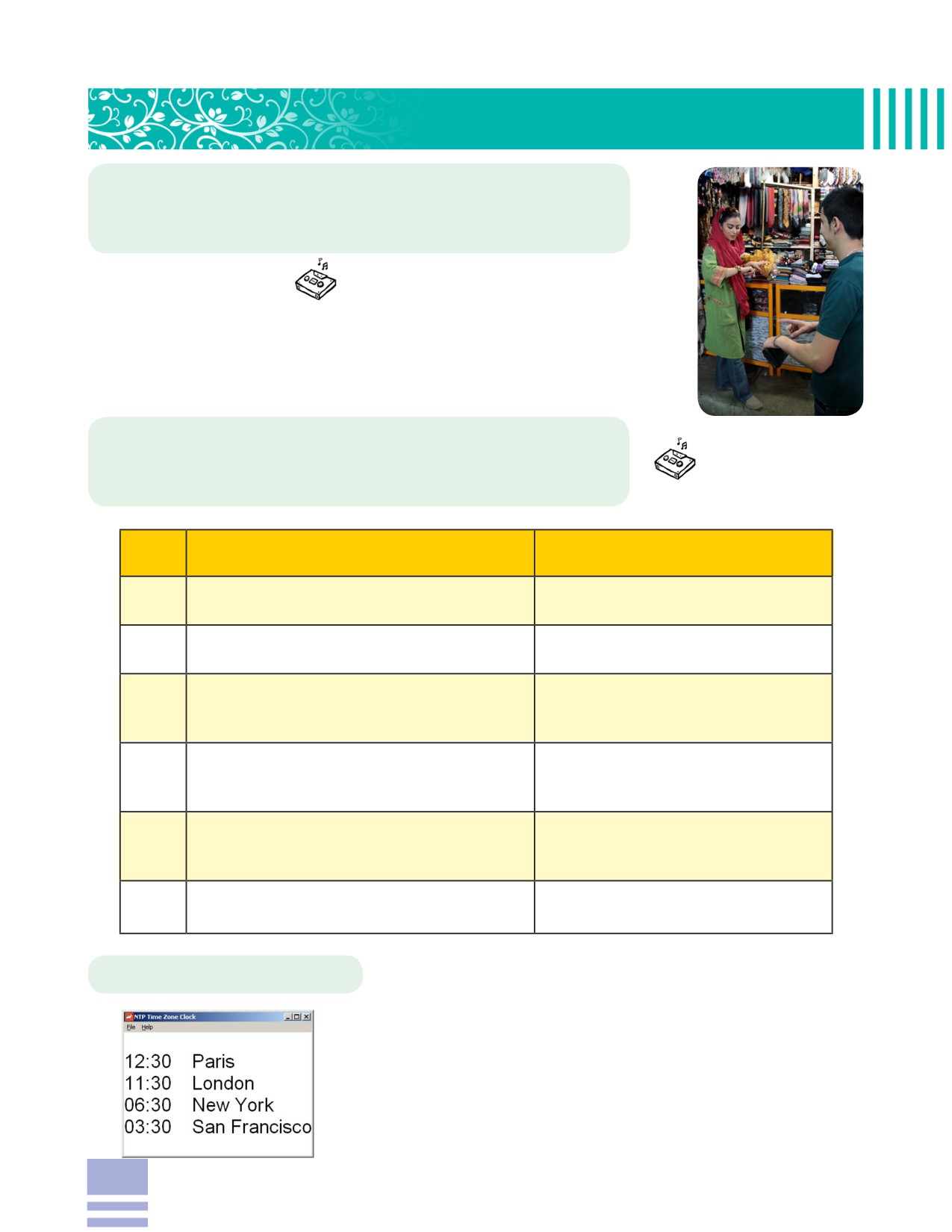
3. What time is it in different cities now?
،
تعاس ندنل رد ،
تعاس سيراپ رد نلا
،
تعاس کرويوين رد
.تسا
تعاس وکسيسنارفناس رد و
149
PERSIAN OF IRAN TODAY
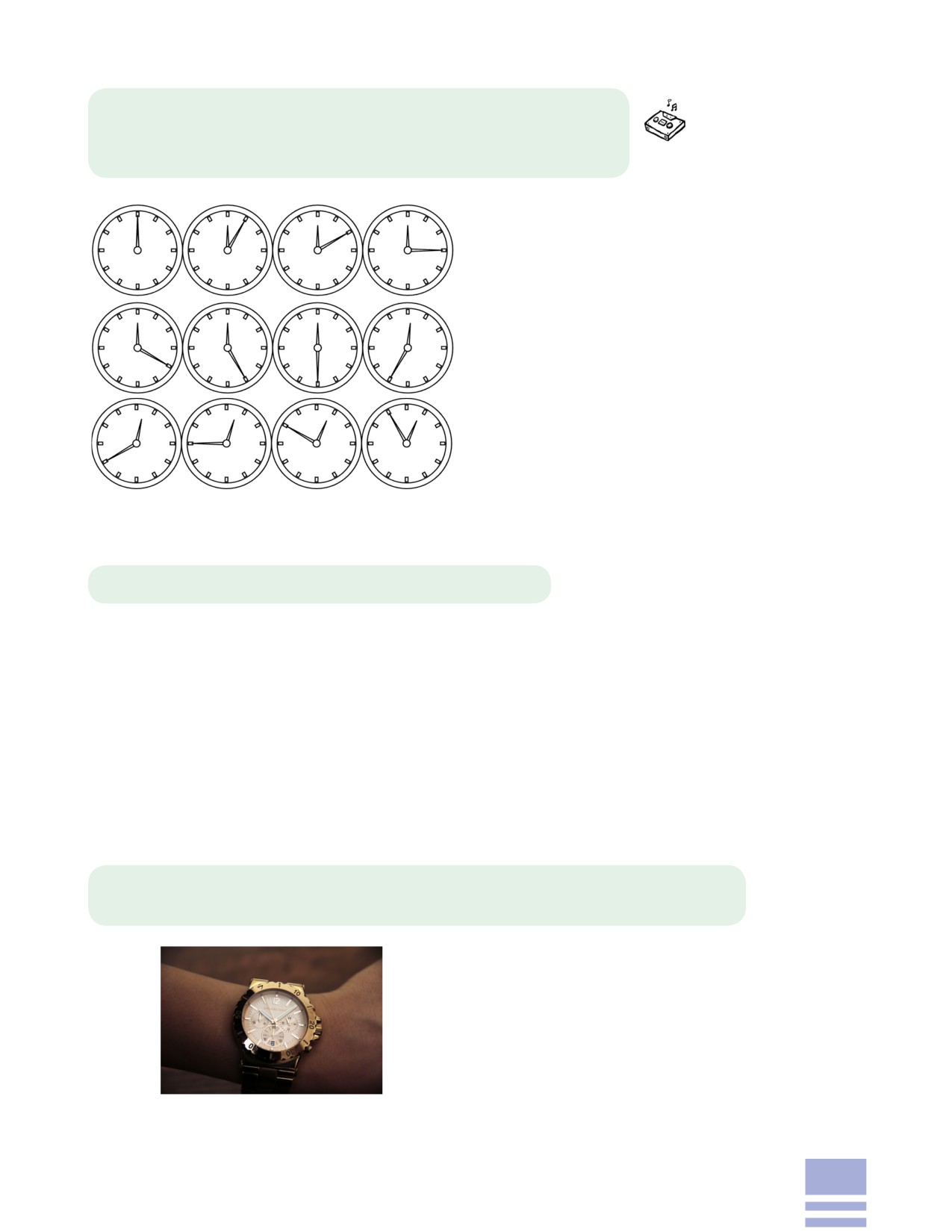
4. Listen to the audio file. Then, read the following sentences for yourself
and find the related clocks. Underline the words you do not know and
guess what they mean.
.تسا هدزاود تعاس .1
.تسا هقيقد جنپ و هدزاود تعاس .2
.تسا هقيقد هد و هدزاود تعاس .3
.تسا عبر و هدزاود تعاس / .تسا هقيقد هدزناپ و هدزاود تعاس .4
.تسا هقيقد تسیب و هدزاود تعاس .5
.تسا هقيقد جنپ و تسیب و هدزاود تعاس .6
.تسا مين و هدزاود تعاس .7
هب هقيقد جنپ و تسيب تعاس /.تسا هقيقد جنپ و یس و هدزاود تعاس .8
.تسا کي
.تسا کي هب هقيقد تسیب تعاس /.تسا هقيقد لهچ و هدزاود تعاس .9
.تسا کي هب عبر کي تعاس / .تسا هقيقد جنپ و لهچ و هدزاود تعاس .10
.تسا کي هب هقيقد هد تعاس / .تسا هقيقد هاجنپ و هدزاود تعاس .11
.تسا کي هب هقيقد جنپ تعاس / .تسا هقيقد جنپ و هاجنپ و هدزاود تعاس .12
5. Read the following sentences and write the appropriate time.
. . . . . . . .۸:۴0
.تسا هن هب هقيقد تسيب تعاس/ .تسا هقيقد لهچ و تشه تعاس :لاثم
.تسا هقيقد هدزاود و شش تعاس .1
.تسا عبر و شش تعاس / .تسا هقيقد هدزناپ و شش تعاس .2
.تسا مين و شش تعاس / .تسا هقيقد یس و شش تعاس .3
.تسا تفه هب عبر کي تعاس / .تسا هقيقد جنپ و لهچ و شش تعاس .4
.تسا تفه تعاس .5
6. In the following text, there are several words that you do not know. Underline them and
guess what they mean. Be prepared to discuss how you arrived at your answer in class.
).هنم تعاس نيا( .تسا نم تعاس نيا
هبرقع هس متعاس .تسا نم تعاس نيا .مراد تسود گرزب تعاس نم
رامش هيناث یهبرقع و ،رامش هقيقد یهبرقع ،رامش تعاس یهبرقع :دراد
SHAHSAVARI | ATWOOD
150

Writing exercise نتشون
Use the vocabulary you have learned to write a conversation. Your conversation should have a setting
(a restaurant, a class) and a short narrative. Write at least 20 sentences for your conversation.
Speaking Activities ندز فرح
Homework:
Review the vocabulary and grammar for this lesson and think about how you would ask (and answer) the
following questions. Practice them aloud until you can ask them comfortably.
At what time do you eat breakfast?
Where do you eat dinner?
How many brothers do you have? How many sisters?
When do you go to class?
How many chairs are in your house?
In class:
1. Watch Video 9 with your instructor and learn a few new greetings. Try using them with several classmates, and
then ask the questions above. Remember what your classmates say so that you can report back to the rest of the
class later.
2. First greet your partner using one of the new greetings you’ve learned. Then in spoken Persian, take turns
practicing asking each other: a) where you were at different times yesterday (زورید) and today (زورما), and b) where
you will go at different times today and tomorrow (ادرف).
Language Games
1. The instructor will write a sentence on the board. The group with the most questions related to that sentence
will be the winner.
مروخیم یکيزکم یاذغ یناريا ناروتسر کي رد نارهت رد : لاثم.
2. The instructor will write 20 words on the board and then erase them. Groups of three have 45 seconds to write
down as many words as they remember on a piece of paper. Words with incorrect spellings will not be counted.
3. The class is divided into groups of 3 to 5. The students will tell their team how they felt yesterday (زوريد) and how
they feel now.
.متسه ضيرم زورما .متسين هتسخ زورما اما ،مدوب هتسخ زوريد
151
PERSIAN OF IRAN TODAY
UNIT 9
ص
آ
ض
ب
ط
پ
ظ
ت
ع
ث
غ
ج
ف
چ
ق
ح
ک
خ
گ
د
ل
ذ
م
ر
ن
ز
و
ژ
ه
س
ي
ش
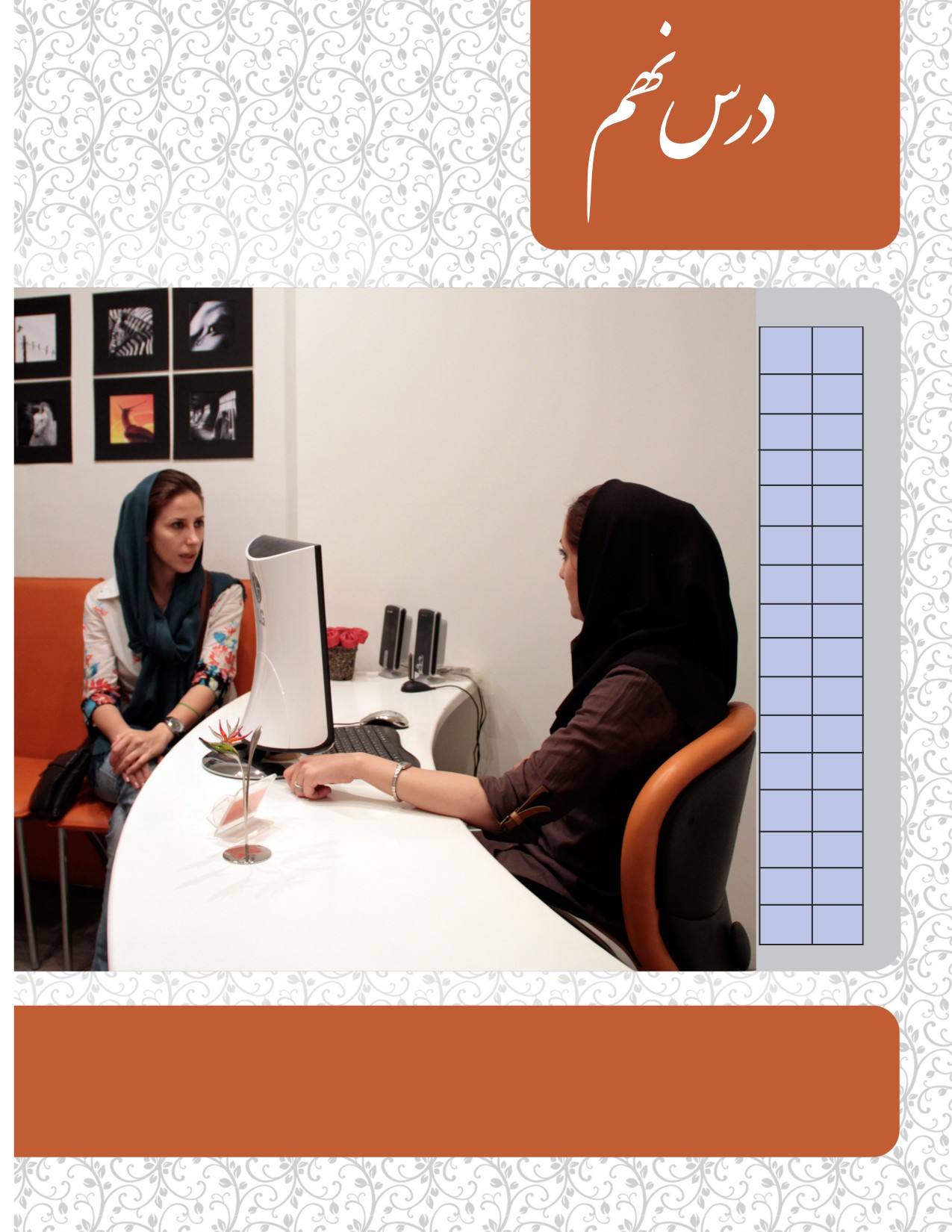
What do you do?/
/ ؟دينکیم راکهچ امش
What is your job?
؟هيچ امش لغش /؟ديتسه هراک هچ امش
1
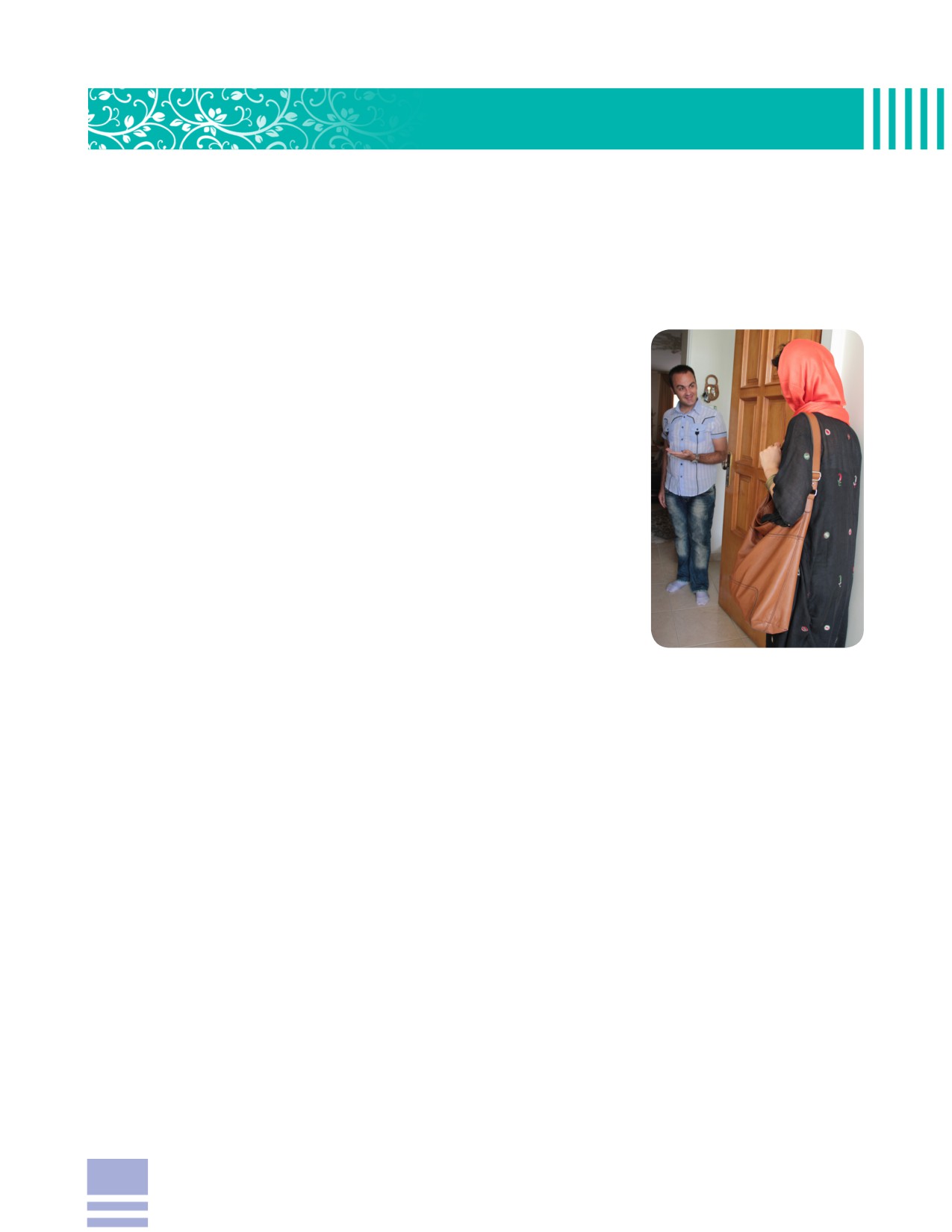
Cultural Note یگنهرف تشاددای
دییامرفب
دییامرفب is one of the most important and most commonly used expressions in Persian. Its meaning shifts and
changes according to the context in which it is used; however, in general it is a polite way of asking someone to
do something. The word can be coupled with commands so that the speaker’s request is clear. You could say, for
example, دینیشب دییامرفب to mean “please sit down” or “go ahead and sit.”
The word is used by itself, and the speaker’s request or command is clarified
by hand gestures and/or the context. For example, when a visitor arrives, you
might invite him or her in by saying دییامرفب and signaling inside. Similarly, you
might give up your seat at a party and encourage someone else to sit in your
spot by saying دییامرفب and pointing at the seat. This word is also used to en-
courage someone to do something first. So if two people are entering a build-
ing at the same time, one person will allow the other to enter first by دییامرفب.
Or if two people start talking at the same time, one person will allow the
other to begin by saying دییامرفب. In Iranian culture, it is polite to allow the other
person to do things first, so sometimes two people will exchange دییامرفب, both
encouraging the other to go ahead and speak, enter, eat, etc. first.
Just as hand gestures are often important, so too is one’s tone of voice. Using a warm, encouraging tone lets your
listeners know that you want them to do something, while using a firm tone is a way of exerting your control and
requesting that they not do something. دییامرفب is part of a system of politeness in Persian called فراعت, about which
you will learn more as you continue your study of Persian!
You will often hear مش یمن نوتمحازم in response to دییامرفب as a way of saying “I don’t want to bother you...”
In class, work in groups of three and prepare a skit that only uses the word دييامرفب. Remember to use lots of hand
gestures so that your intentions are clear!
153
PERSIAN OF IRAN TODAY
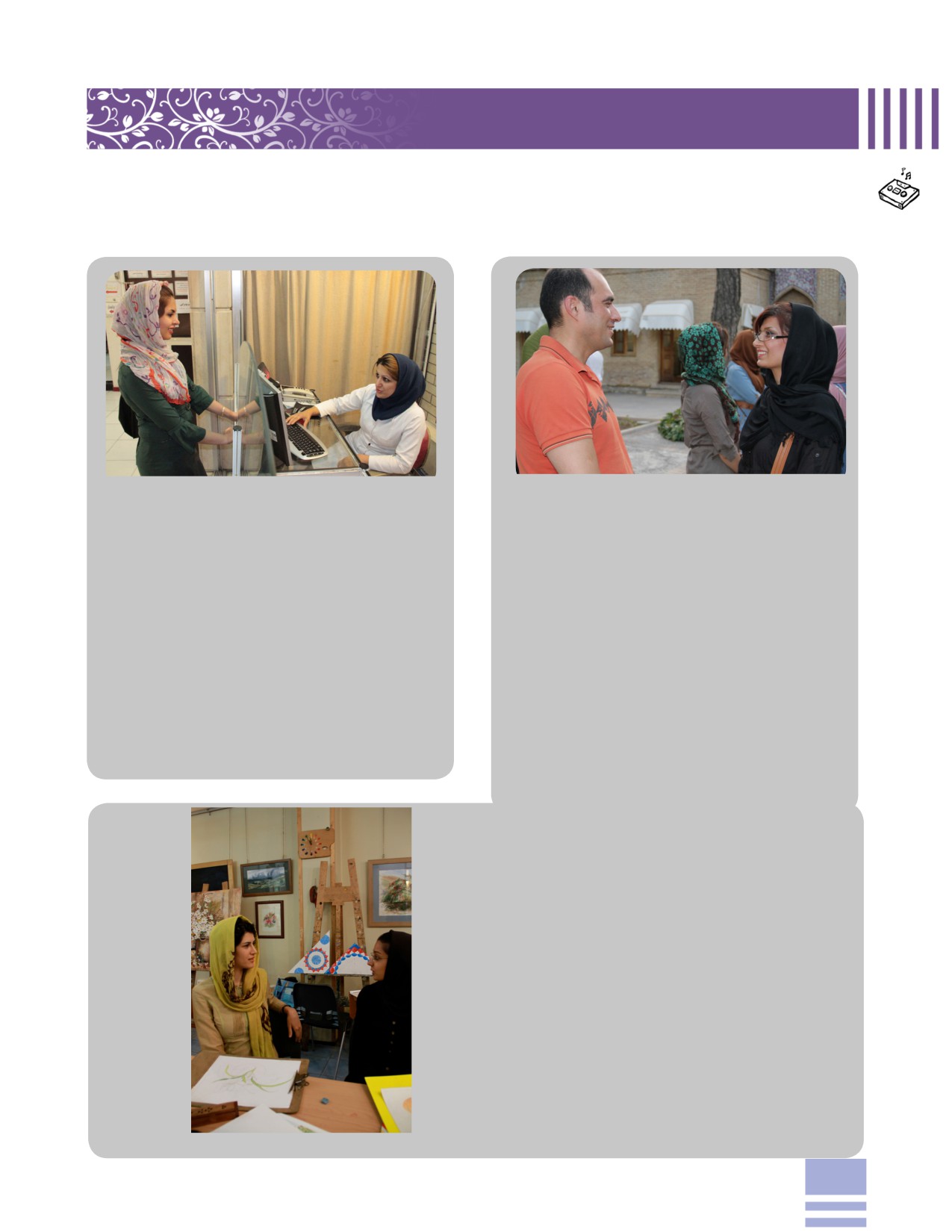
Short Conversations هاتوک یاهوگتفگ
In class, listen to the audio files, repeat what you hear and try to fill in the blanks. At home repeat what you hear
several times and try to follow the rhythm. Write at least two sentences in Persian about each conversation you
hear. During the next class time, you will work with a classmate to create a scenario that uses these expressions.
؟دينکیم یگدنز
نيا رد امش ،ملس .
؟
اجنيا امش ،ملس .
.هلب .
.هلب .
؟ديتسه
هچ .
؟ديتسه
؟دينکیم راک
.متسه نارمع
.متسه
،هن .
؟ديراد تسود
اجنيا .
؟یچ یوجشناد .
.دايز
،هلب .
.متسه
یوجشناد .
1
1
1
1
2
2
2
2
؟هيچ
امش ،ملس .
.متسه
نم .
!
نووج یليخ امش !هوا .
1
1
2
2
SHAHSAVARI | ATWOOD
154
In this unit, you will learn about certain grammatical markers that are used in Persian.
نوکس
هزمه
نيونت
Part 1: tanvin
/t/
___ا__
افطل
1. Listen to the audio file for نيونت tanvin.
The word tanvin refers to the an sound that is found at the end of certain adverbs. The /an/ sound is represented
in writing by the doubling of the zebar vowel symbol above alef.
2. Writing tanvin: Watch the video and follow the instructions.
................................................................................................................. ا
3. Watch the video and write the following words.
.........................................لماک
امتح
4. Listen and check when the word needs tanvin at the end.
□ .۸
□ .۷
□ .۶
□ .۵
□ .۴
□ .٣
□ .٢
□ .١
5. Circle ا in the following texts. Report to your
instructor how many ا you identified in the text.
تبايد هب لتبم دارفا اعقاو ايآ
ور همه و رادرب زيم يور زا ور اهباتک افطل
لوصا و دنننک شزرو دنناوتيم
ات امتح و هاگشناد مريم مراد نم .هنوخباتک ربب
شزرو ماگنه دياب ار يتاکن هچ
.امنيس ميرب هک مدرگيمرب هن تعاس
؟دننک تياعر
6. Listen and write the words you hear.
.٥
.4
٣
.٢
.١
155
PERSIAN OF IRAN TODAY
Part 2: hamze
__أ__ﺅ___ﺋ__
لاﺅﺳ
نئمطم
1. Listen to the audio file for hamze.
Hamze is a marker representing the same sound as the letter eyn. It doesn’t have an independent alphabetic form,
but instead sits on top of other consonants, specifically alef, vâv, and ye. Hamze only occurs in words of foreign
origin.
2. Watch the video and follow the instructions.
................................................................................... ﺅ
ﺋ
3. Watch the video and write the following words.
..................................................................................................رتائت
.................................................................................................لوئس
................................................................................................لوئسم
..............................................................................................اکيئاماج
4. Circle hamze in the following texts. Report
to your instructor how many hamze you identi-
fied in the text.
دعب رتائت ميريم بشما
.هنامس يهنوخ ميريم مه
.هلوئس نوبايخ وت نوشهنوخ
تاعلطا همانزور
۱۳۸۹ دادرخ
SHAHSAVARI | ATWOOD
156
Part 3: sokun ـــــ ــــ
درس
1. Listen to the audio file for ـــ sokun.
This symbol is a pronunciation marker that indicates the absence of a vowel. So far, you have learned to use
zir, pish, and zebar over consonants to indicate vowels, and consonants not followed by a vowel have been left
“blank.” If you want to clarify that there is no vowel between two consonants, you use a sokun.
Like the short vowel symbols, the sokun is rarely used in unvocalized or partially vocalized texts. When it is written,
it appears as a small open circle above a letter not followed by a vowel. In writing sokun, make sure to draw a closed
circle and not a pish or a dot.
2. Watch the video and follow the instructions.
.................................... ـــ
3. Circle sokun in the following texts. Report to
your instructor how many sokun you identified
in the text.
4. Read the following words aloud with your partner.
رتائت .4
اعقاو .3
سأر .2
ابيرقت .1
هنافسأتم .8
امتح .7
يروئت .6
لوا .5
لاؤس .12
ابلاغ .11
هسسؤم .10
نمتح .9
وئاکاک .16
لومعم .15
نئوگنپ .14
لوصا .13
رومأم .20
لبق .19
أشنم .18
ادعب .17
اوأم .24
يأر .23
نأش .22
مأوت .21
157
PERSIAN OF IRAN TODAY

Vocabulary 1 ناگژاو
1. Listen to and learn these words. The spoken variations have been included in parentheses.
What are you doing?
؟دينک يم راک هچ حبص امش
؟دينکيم راک هچ .1
)؟نينکیم راک هچ حبص امش(
what do you do?
)؟نيتسه هراک هچ امش( ؟ديتسه هراک هچ امش
؟ديتسه هراک هچ .2
what is your job?
)؟اقآ هيچ امش لغش( ؟اقآ ،تسيچ امش لغش
)؟هيچ امش لغش( ؟تسيچ امش لغش .3
what does he do? What do they do?
)؟نتسه هراک هچ امش ردپ( ؟دنتسه هراک هچ امش ردپ
؟دنتسه هراک هچ .4
how are you?
؟هروط هچ امش لاح ،ملس
)؟هروط هچ . . .( ؟تسا روط هچ امش لاح .5
question
). مراد لاوس هي نم( .مراد لاوس کي نم
لاوس .6
answer
).هنوسآ لاوس نيا باوج( .تسا ناسآ لاوس نيا باوج
باوج .7
doctor
).هرتکد نم ردپ( .تسا رتکد نم ردپ
رتکد .8
engineer
).هسدنهم نوا ردپ( .تسا سدنهم وا ردپ
سدنهم .9
nurse
).هراتسرپ انوا ردام( .تسا راتسرپ اهنآ ردام
راتسرپ .10
teacher
)؟هملعم امش ردام( ؟تسا ملعم امش ردام
ملعم .11
house wife
)؟هرادهناخ نوتردام( ؟تسا رادهناخ ناتردام
رادهناخ .12
student (non-university)
.دراد زومآ شناد هدزناپ يسراف ملعم نيا
).هراد زومآ شناد ات هدزناپ يسراف ملعم نيا(
درگاش /زومآشناد .13
lawyer
).هليکو مرهاوخ( .تسا ليکو مرهاوخ
ليکو .14
journalist
)؟هراگن همانزور وت ردارب( ؟تسا راگن همانزور وت ردارب
راگنربخ /راگنهمانزور .15
house wife
).هرادهنوخ نم ردام( .تسا راد هناخ نم ردام
رادهناخ .16
Quantifier
)؟هزيم يور دادم ات دنچ( ؟تسا زيم يور دادم ات دنچ
ات .17
Quantifier for person
)؟نتسه سلک وت رفن دنچ( ؟دنتسه سلک رد رفن دنچ
رفن .18
because
.مدوب هنسرگ یليخ نوچ مدروخ گرزب چيودناس ات ود زورما نم
نوچ .19
SHAHSAVARI | ATWOOD
158
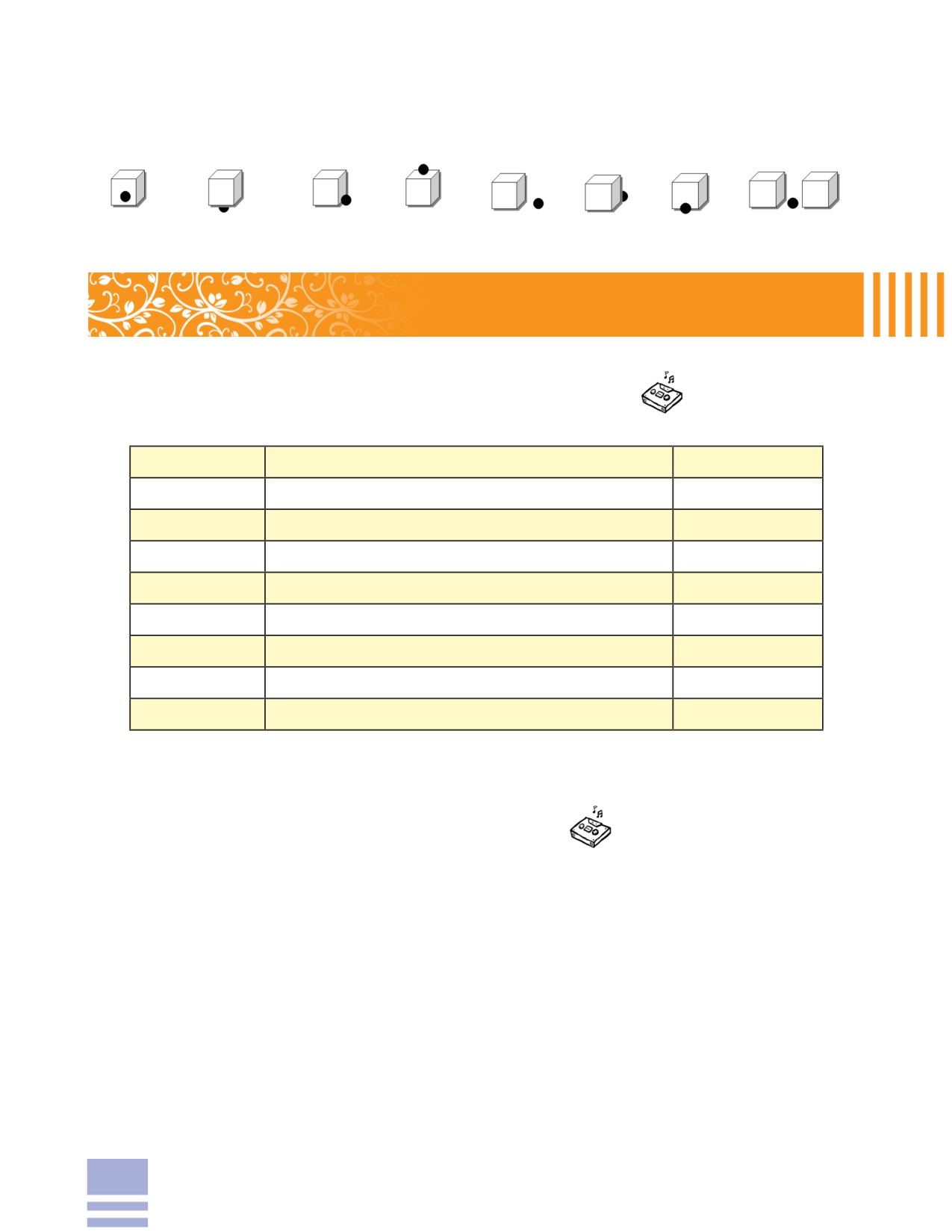
Review the various prepositions below. Examine the following images, and write the preposition that best describes the
dot’s relationship to the box.
Vocabulary 2
ناگژاو
2. Listen to and learn these words. The spoken variations have been included in parentheses. Note that we add ezâfe to
prepositions 17-24 when they are preceded by a noun or pronoun.
in
).هنورهت وت ام یهنوخ( .تسا نارهت رد ام يهناخ
رد .20
on
؟تساجک .تسين نلا .دوب رتفد يور مدادم
یور ،ور .21
under
) .تسامش باتک ريز نم راکدوخ( ؟تسا امش باتک ريز نم راکدوخ
ريز .18
close
).تس هاگشناد کيدزن تاهنوخ( ؟تسا هاگشناد کيدزن تاهناخ
کيدزن .19
beside
).تسانوا یهنوخ رانک ام یهنوخ( .تسا اهنآ یهناخ رانک ام یهناخ
رانک .20
in front of
).ههاگشناد یولج هنوخباتک( .تسا هاگشناد يولج هناخباتک
ولج .21
over/above
) .تسامش یهنوخ یلاب انوا یهنوخ( .تسامش یهناخ يلاب اهنآ یهناخ
لاب .22
behind
؟تسين امش فيک تشپ متعاس
تشپ .23
between
).هراويد
( .تسا راويد ود نيب یلدنص کی
نيب .24
3. Listen to the audio file again. Based on what you hear, write the vowel on the example sentences. Now listen to the
next audio file. Write the sentences you hear and translate them to English.
Memorize this sentence!
؟هشيم يچ يسراف هب ”book“
What is “book” in Persian?
Now ask your classmate the meanings of five words in Persian.
159
PERSIAN OF IRAN TODAY
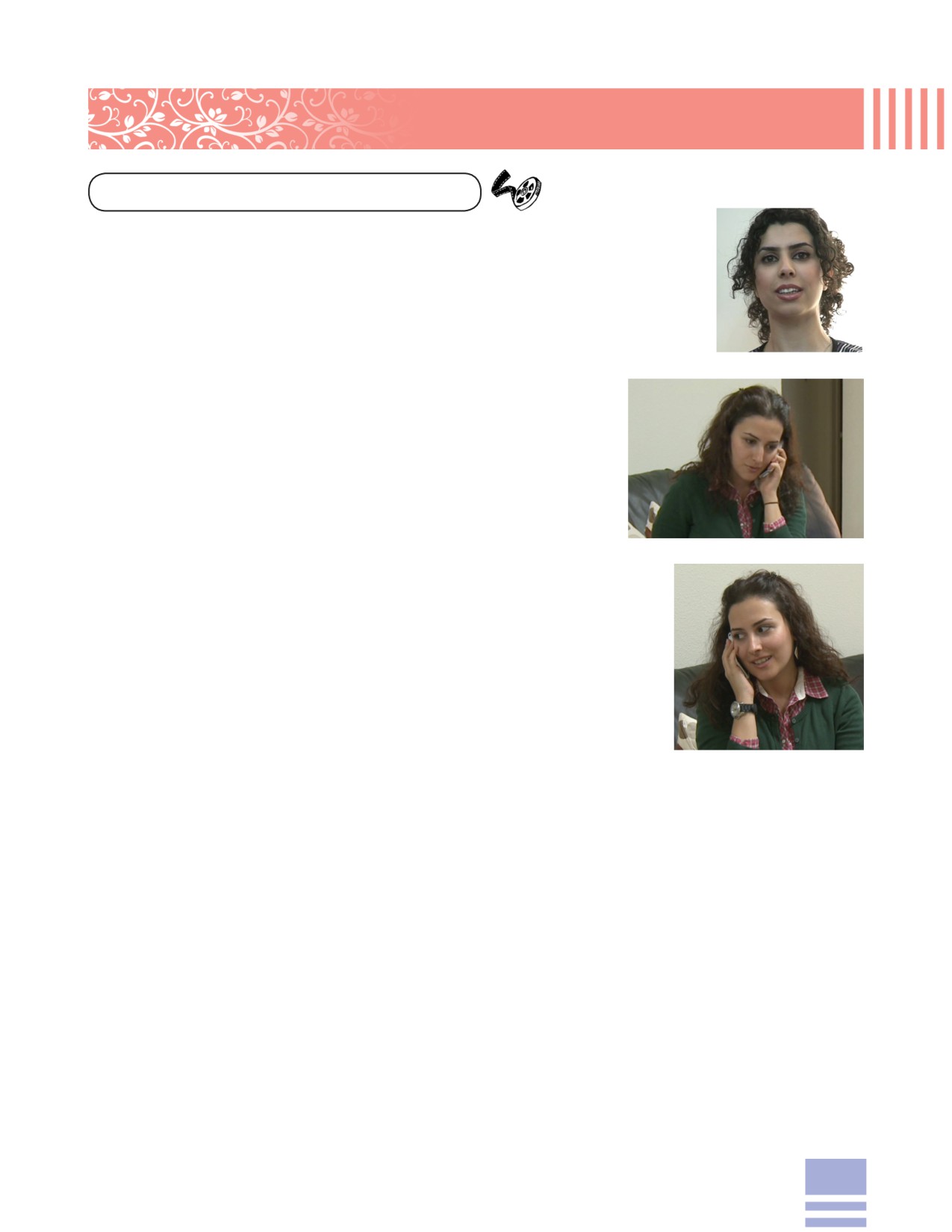
Listening Comprehension رادينش کرد
Watch the videos and answer the following questions.
1. What did you learn about the people in this video?
2. Answer Raha’s questions.
3. When does this conversation take place? At what time of day?
4- What are Shayli’s plans for tonight? Where will she go? When? With whom?
5. Guess how Shayli says “it was fun.”
؟تساجک یلياش راکدوخ -۶
7. Shyli has lots of questions for Sadaf. What does she want to know and what
does she find out?
SHAHSAVARI | ATWOOD
160
Grammar Note
یروتسد تشادداي
Possessive Pronouns
The possessive pronouns (mine, yours, his, hers, etc.) are made by putting لام /mâle/ before the personal pronouns.
Complete the following chart!
This book is not mine
.تسين نم لام باتک نيا
نم لام
نم
That ice cream is yours.
وت/امش
This book is hers.
)نوا /نوشيا( وا/ناشيا
That tea is ours.
ام
This is not yours.
امش
Is this theirs?
)انوا( اهنآ
Now, guess the meaning of the following sentences.
1.
……………………………………….. .
؟هيک لام باتک نيا .1
2.
……………………………………….. .
؟تسامش لام ینتسب نيا .2
3.
……………………………………….. .
)؟تسين امش لام ؟هيک لام نون نوا( .3
Counting (continued)
In Lesson Five, you learned that singular nouns always follow numbers in Persian. So instead of saying “five men,”
like you would in English, we say درم جنپ, using the singular (درم). In the next lesson, you’ll learn more about plurals
in Persian. However, as you master the plural don’t forget that after numbers, always use the singular!
Asking “how many?”
In order to ask “how many” of something in Persian, we use ات دنچ.You will recognize دنچ from the previous
lesson when you learned to ask ‘what time’ (دنچ تعاس). This word is the question word for numbers in Persian,
meaning usually when the answer is a number we use دنچ as the question word. For now, in order to ask “how
many” of a specific person or thing, we follow دنچ with the word ات, which has no equivalent in English but is a
counting word in Persian. A different word is used for asking how many people in general: رفن.
161
PERSIAN OF IRAN TODAY
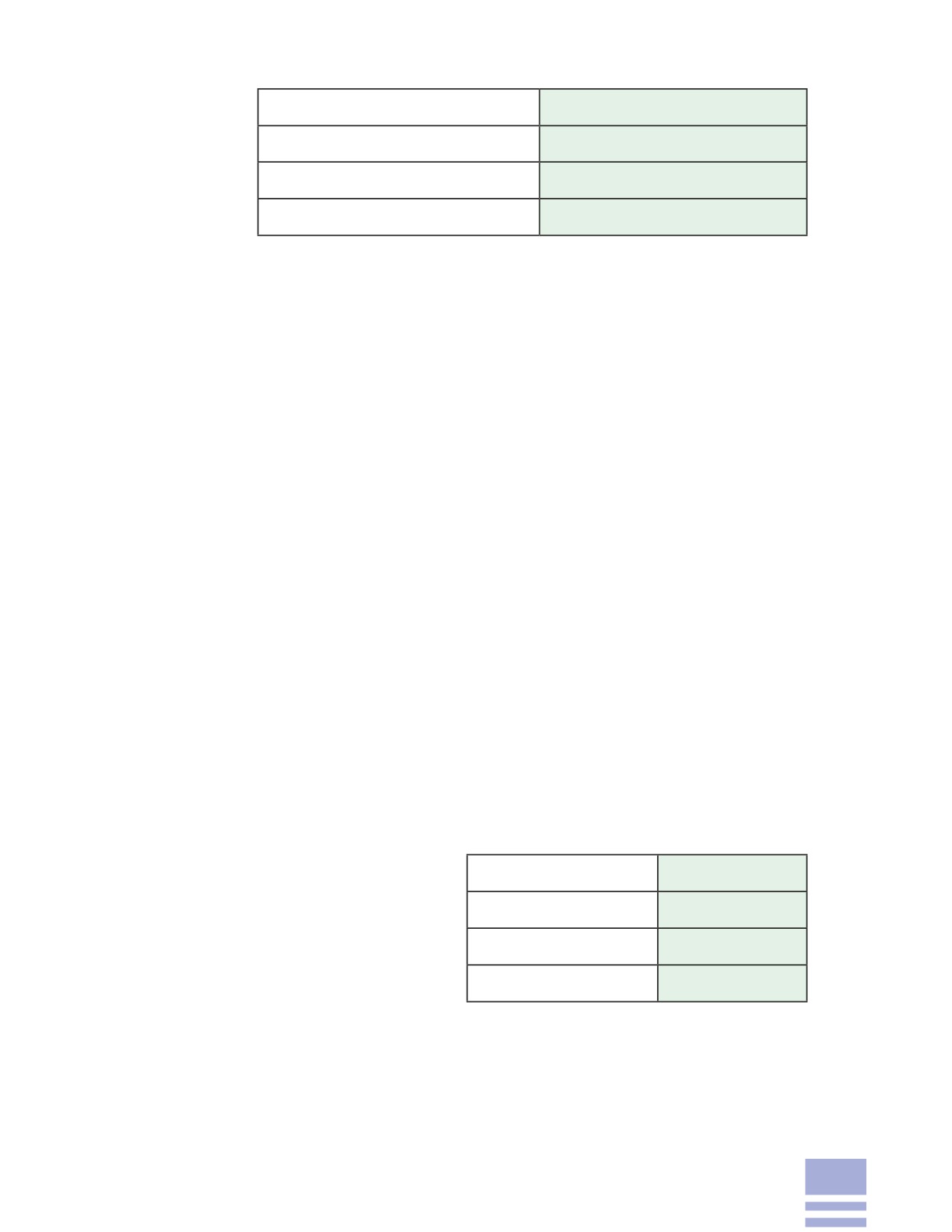
How many books do you have?
؟دیراد باتک ات دنچ
How many students are in this class?
؟تسه سلک نیا رد وجشناد ات دنچ
How many notebooks are in your bag?
؟تسا ناتفیک رد رتفد ات دنچ
How many people live inAustin?
؟دننکیم یگدنز نیتسآ رد رفن دنچ
What do you notice about the nouns that follow ات دنچ?
…………………………………………………………………………
Like numbers دنچ is always followed by a singular noun. However, look at the verb in the two sentences with دنچ
ات. How are the verbs conjugated? For which person?……………………………………………………..
*When you ask the question or make a statement رفن دنچ, you always conjugate the verb for اهنآ. Can you find the
sentence from the examples above that uses this construction? ……………………………………………………..
*When you ask the question ات دنچ and you are asking about inanimate objects, you conjugate the verb for the
third person-singular. Can you find the example? ……………………………………………………………
*When you ask the question ات دنچ and you are asking about people, then you can either conjugate the verb in the
third-person singular or plural. Can you find the example? …………………………………………….
Note: Sometimes ات is excluded from the question ات دنچ. At the same time, by itself دنچ can mean “several” or
“a few.” In this case it is still followed by singular nouns! Intonation, then, becomes important to distinguishing
between a statement of “several” and a question of “how many.” Practice reading the following examples, paying
close attention to the intonation of a question.
How many lawyers?
؟لیکو دنچ
several lawyers
لیکو دنچ
How many nights?
؟بش دنچ
several nights
بش دنچ
Answering “how many?”
In order to answer this question using a full statement, you simply replace دنچ with the appropriate number, mak-
ing sure to still use the singular noun. The use of ات is optional as long as you list the item that is being counted.
Look at the following answers to the questions above.
SHAHSAVARI | ATWOOD
162
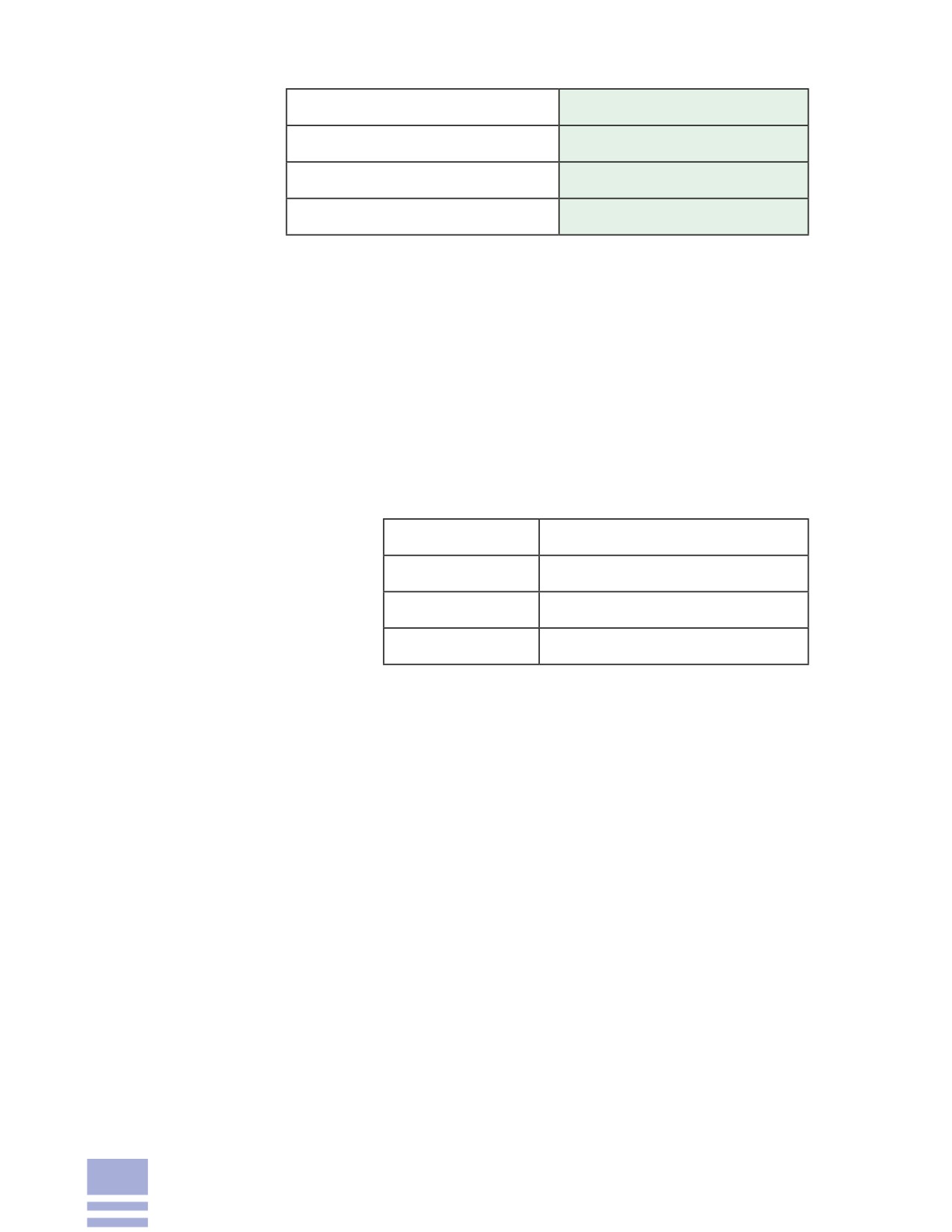
I have five books.
.مراد باتک ات جنپ
There are fifteen people in this class.
.دنتسه سلک نیا رد رفن هدزناپ
There are three notebooks in my bag.
.تسا مفیک رد رتفد هس
800,000 people live in Austin.
.دننکیم یگدنز نیتسآ رد رفن ۸۰۰,۰۰۰
The use of ات in sentences like these is primarily a feature of the spoken language. In writing, ات is usually omitted.
Note: In the course of a conversation, it is far more common to answer the question “how many?” with just the
number, rather than a whole sentence. However, in Persian we can never answer the questions ات دنچ or رفن دنچ
with a number alone. Instead, we say the number and the item being counted or the number and ات or رفن. The one
exception to this rule is the number one (کی). We NEVER say or write ات کی in this context; instead we simply
say or write یکی.
Examine questions and corresponding answers:
ات جنپ
؟نیراد باتک ات دنچ
درگاش هدزنوپ
؟نتسه سلک نیا وت رفن دنچ
یکی
؟تسه نوتفیک وت رتفد ات دنچ
رفن ۸۰۰,۰۰۰
؟ننکیم یگدنز نیتسآ وت رفن دنچ
Grammar Practice: Answer the following questions with complete sentences. The questions are in written
form. How would you answer them differently in conversation?
؟تسا زیم یور دادم ات دنچ .1
؟دنتسه اجنیا رفن دنچ .2
؟یراد تفیک رد باتک ات دنچ .3
؟دننکیم یگدنز ناتاهناخ رد رفن دنچ .4
Review: Counting in Persian is relatively simple. However, it is confusing at first because there are new terms
and concepts that do not exist in English. Take some time and explain the following Persian terms in English,
making sure you account for the various meanings and usages of each term.
. . . . . . . . . . . . . . . . . . . . . . . . . . . . . . . . . . . . . . . . . . . . . . . . . . . . . . . . . . . . . . . . . . . . . . . . . . . . . . . . . . . . . . . . دنچ
. . . . . . . . . . . . . . . . . . . . . . . . . . . . . . . . . . . . . . . . . . . . . . . . . . . . . . . . . . . . . . . . . . . . . . . . . . . . . . . . . . . . . . . . . . ات
. . . . . . . . . . . . . . . . . . . . . . . . . . . . . . . . . . . . . . . . . . . . . . . . . . . . . . . . . . . . . . . . . . . . . . . . . . . . . . . . . . . . . . . . . رفن
. . . . . . . . . . . . . . . . . . . . . . . . . . . . . . . . . . . . . . . . . . . . . . . . . . . . . . . . . . . . . . . . . . . . . . . . . . . . . . . . . . . . . . . . یکی
163
PERSIAN OF IRAN TODAY