Hummer H1 (2006+). Manual - part 255
b.
If the pressure is above 230 psi, (1585 kPa), either a hose is restricted or a problem exists within the gear.
c.
If the flow is greater than 1.7 gpm and the pressure is less than 230 psi, continue the test.
9.
Partially close the analyzer valve, allow pressure to build to 700 psi (4827 kPa), and record the flow rate.
a.
If the flow rate decreases by more than 1 gpm (3.7 L/minute) from the reading in step 8, the pump is at fault.
b.
If the flow rate remains about the same, continue test.
10. Completely close and partially open the analyzer valve three times in succession. Note and record the maximum pressures
each time.
CAUTION: Do not close the analyzer valve for more than 3-4 seconds at a time. Longer periods will result in rapid fluid overheat
and pump damage.
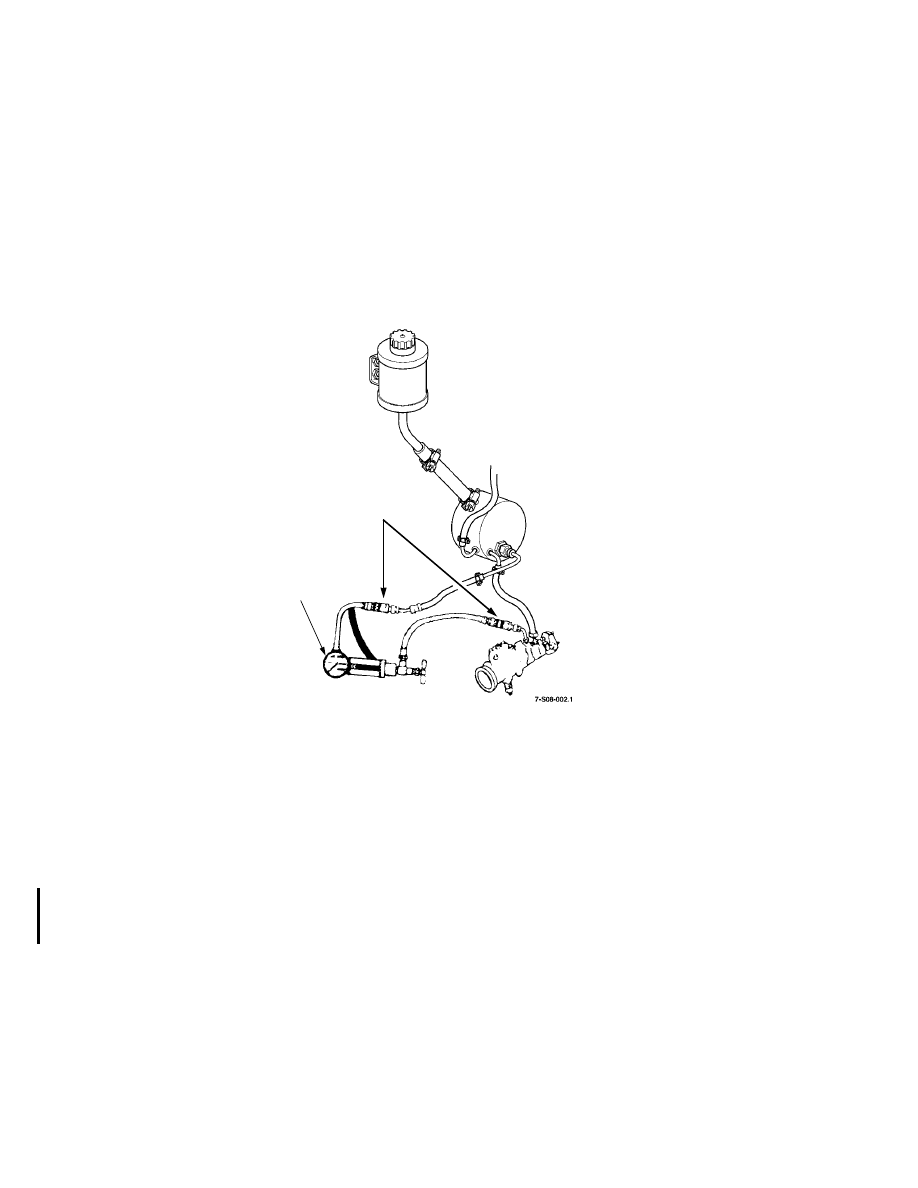
Figure 8-31: Analyzer Pressure Test Connections
11. If the pump maximum pressures recorded in step 10 were less than 1200 psi (8274 kPa), the pump is at fault. However, if the
pressures are at, or above the specified limit, continue with the test.
12. Increase the engine speed to 1500 rpm and record the flow rate.
a.
If the flow rate remains within 1 gpm of flow recorded in step 8, continue the test.
b.
If the flow rate drops by more than 1 gpm (3.7L/ minute), the pump control valve is faulty.
13. Turn the steering wheel lightly against each of the stops and record the maximum pressure.
a.
If the pressure at each of the stops is about the same as recorded in step 10, and the flow drops to 0.5 gpm (1.85 L/min.),
the internal limit plungers must be adjusted. These limit plungers act as a pressure relief just prior to system contact with
the mechanical stops.
14. Turn the steering wheel to the right, release it., and observe the analyzer gauge. Then turn the wheel to the left, release it, and
observe the gauge again.
a.
If the gauge needle indicates normal pressure then snaps back as the wheel is released. Continue the test.
b.
If the gauge indicates normal pressure but the needle is slow to return when the wheel is released, the steering gear valve
body or the spool is sticking. A overhaul will be required to correct the problem.
15. If the gear and the pump test OK but a problem still exists, check for fluid contamination. Draw off a sample with a suction
gun and empty the sample in a glass container. Look for burned fluid, foreign material, fluid layering (fluid separates into two
layers), foreign material/metal particles in the fluid. Any of these conditions will cause gear and pump problems. Flushing the
system with new fluid may correct the problem.
FITTING
ANALYZER
ADAPTERS
J-44721