Ford Galaxy / Ford S-MAX. Manual - part 1073


  Index      Ford     Ford Galaxy / Ford S-MAX - service repair manual 2006 year


Search            


Content   ..  1071  1072  1073  1074   ..


Ford Galaxy / Ford S-MAX. Manual - part 1073


Coating thickness measuring devices  

Magnifying glass 

pH paper (together with water) 

Suitable photographic equipment with macro lens 

Shine measuring equipment 

Paint damage caused by environmental factors 

Bee droppings  
Bird droppings  
Insects  
Tree resin and sap  
Aphid secretions  
Tar spots  
Cement, plaster and slaked lime  
Rust film/deposits from industrial fallout  
Battery acid  
Brake fluid 

In all the cases of paint damage described below, if the damage is irreversible a 
new paint finish must be applied. 
 

Paint damage cause by bee droppings 

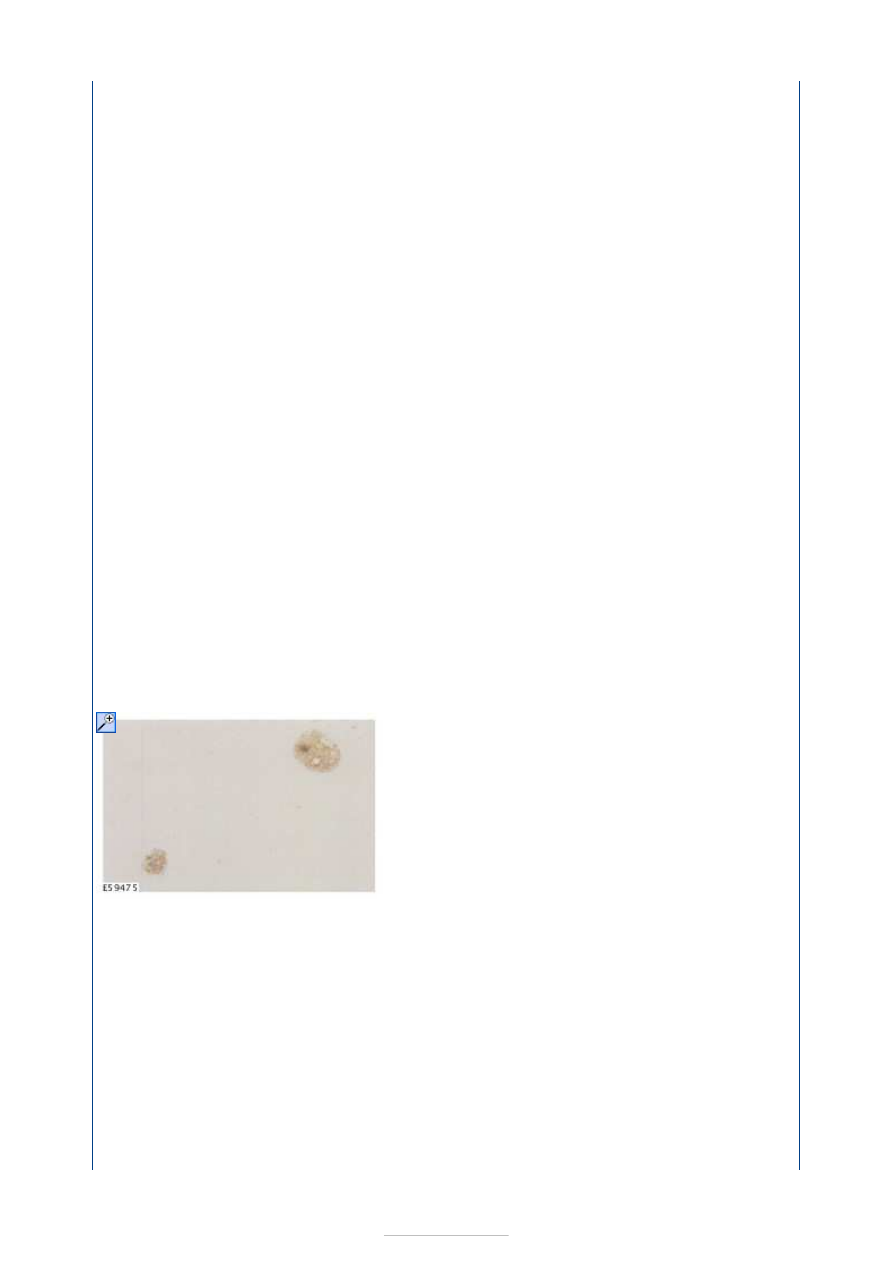
Bee droppings can be recognized on a paint surface through its yellow or brown color and 
sausage or drop-like shape with a diameter of 3-4 mm.  

Cause/damage pattern:  

In combination with heat and high air humidity, bee droppings leave discolorations and 
cause paint decomposition.  
The paint can be destroyed down to the filler. 

Repair of damage: 

If the damage is light, perform a polishing repair. 

Paint damage caused by bird droppings 

Bird dropping damage appears most often as matt, etched topcoat areas of various sizes. If 
left on the vehicle for a long time, crack formation and etching down to the filler will occur.  

Cause/damage pattern:  

Bird droppings are particularly harmful in combination with heat and moisture. The urea 
(white part) has a very high salt content and is very aggressive.  
The intensity of the damage varies depending on the type, quantity, contact time and 


extent.  
Cracks, etching, marks up to dissolution of the top coat are the results. 

Repair of damage: 

If the damage is light, perform a polishing repair. 

Paint damage caused by insects 

At insect impact locations on the hood, roof and bumper, small etched or etched through 
paint marks with partially visible spots of filler.  

Cause/damage pattern:  

The top coat layer is destroyed in a short time by surface swelling and etching.  
Colliding insects stick to the paint surface. In combination with moisture and heat, 
because of the resulting acids the insect bodies sink into the paint top coat.  
The corrosion is G, C, U or O shaped and is only a few millimeters thick. 

Repair of damage: 

Wash the vehicle, treat the affected area with insect remover. Clean the paint surface 
several times.  
Protect with hard wax. 

Paint damage caused by tree resin or sap 

Small yellow-brown marks or drops on the horizontal parts of the vehicle. The drops melt in 
sunlight. Resin damage only occurs in the warm summer months. 

Cause/damage pattern:  

Because of their chemical composition, tree resins combine with or adhere very well to 
paint top coats and cause them to swell. The higher the temperature, the more intensive 
is the chemical bonding between the resin and the paint topcoat surface. 


Repair of damage: 

Soak several times using a cloth saturated with a petrol & paraffin mixture. 

NOTE: After successful cleaning the top coat must be preserved. 

Swellings can be removed by warming. 

Paint damage from aphid secretions 

Small, round, matt marks about 1 mm diameter and etching with small islands down to the 
filler. Fresh aphid excrement looks like small drops of honey. 

Cause/damage pattern:  

Aphids produce a mixture of starch, leaf acid and sugar from sap in leaves. Under the 
effects of warming and moisture this can turn into alcohol.  
The round shape of the damage and the island of intact paint are typical. 

Repair of damage: 

Remove the excrement as soon as possible.  
Small single matt locations without etching can be repaired using a polishing repair.  

Paint damage caused by tar spots 

Yellow or dark marks. 

Cause/damage pattern:  

Firmly stuck spots of tar which lead to discoloration of the surface. In some cases 
penetration through the clear lacquer into the top coat.  


Repair of damage: 

Clean the paint surface with tar remover and polish. 

Paint damage caused by cement, plaster and slaked lime 

Damage appears as whitish matt marks on the top coat. 

Cause/damage pattern:  

Corrosive alkaline compounds interacting with moisture. 

Repair of damage: 

Wash immediately if the contamination is fresh.  
If the contamination has dried on, dissolve and neutralise it with vinegar, then 
thoroughly wash off with water and rinse.  
Rectify mild damage using a polishing repair. 

Rust film/deposits from industrial fallout 

Small round marks, about 1 mm in size, in all shades from black, grey, blue to reddish, on 
the horizontal surfaces of the vehicle. 

Cause/damage pattern:  

Deposits from oil fired systems and industrial plant, especially at high humidities and 
inversion weather conditions, cause damage to the paint top coat.  
As the activity time increases so called rust halos form. They spread as long as the 
deposits corrode.  
Industrial fallout containing iron will no longer be removable after a few days! 


Content   ..  1071  1072  1073  1074   ..