FANUC Series 0i-MC. OPERATOR’S MANUAL - page 28
637
<
#
& D
#D
6
#
(
$ =
(
&
7)
D/2 *G
!/D
#
#%
6
7
=) H
I
&
B
/
#
#
D
#D
D!
#D
$
)
#
#
$
%
/
#
(
%
$
*
6
$
3A >5
6(7
=) H
I
&
B
/
#
#
D
#D
D!
#D
$
)
#
#
$
%
/
#
(
%
$
*
*
6
(
3
C5
*
$
$
C
&
!
3)5
3)5
(
: 3+5
3
D 5
(
:3
5
3
D 5
3)5
6
$
:3
5
3)5
"$ &
&##
&
)
6F7
#
#
(
#
(
%
/
697
6F7
)
6
7
%
(
&
(
)
#
# )
+
#
#
#
&
#
$
#
%
# 697 E
K
&
%
6
%
/
#
%7
6F7 E
2
$ D/2
*G
!/D
&
%
#6
7E
=)
K
&
%
C
'
!
- '
!!
!
#
!
3
5
3
5
3)5
*
3)5
*
$
*
$
3+5
3
5
3+5
3+5
3)5
$
*
"$ &
&##
&
)
#
6F7
#
#
(
#
(
%
/
697
6F7
)
6
7
%<
6
7
)
%
697
# 697 E
6
#
&
(
7)
#
6
#
K
&
(
7
# 6F7 E
= D/2 *G
!/D
&
%
6
7
#6
7E
)H
)
#
=) ) K
D/2 *G
!/D
<
&
697
6
7
#)
(
# )
#
#
&
#
$
)
#
&
(
%
C3
'
!
!!
#
3+5
3
5
*
$
3)5
"$ &
&##
&
)
#
6F7
697
#6
7
#
)#
(
#
(
%
/
697
6F7
)
6
7
%
&
(
#
(
)
#
+
#
#
697
#6
7
&
#
$
#
%
"& )
&
D
#D
D!
#D
)
#
#
#
$
#
#
%
697 E
6
#
&
(
7
# 6F7 E
= D/2 *G
!/D
&
%
#6
7E
#
=)
K
C;
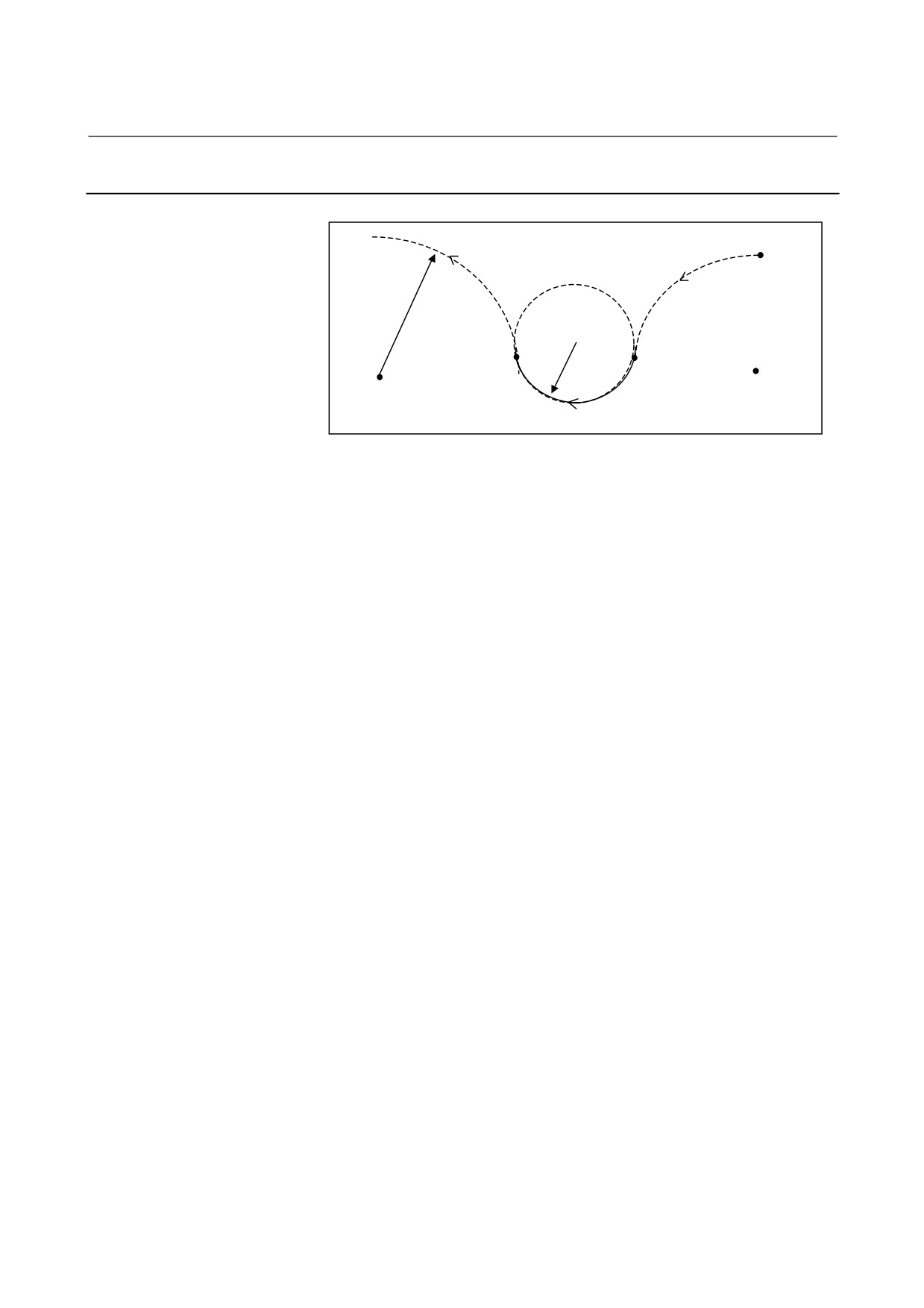
'
!
!!
0
!
6
3+5
3
5
$
(
$
3
C 5
(
3
C 5
3)5
"$ &
&##
&
)
#
6F7
#
697
6
7
#
#
(
#
(
%
/
697
6F7
)
6
7
%
&
(
#
(
)
#
+
#
#
#
697
6
7
&
#
$
#
% "& )
&
D
#D
D!
#D
)
#
#
#
$
#
#
%
# 697 E
#
K)
6
#
(
7
# 6F7 E
= D/2 *G
!/D
&
%
#6
7E
#
=)
K
C
&!
+
6< &
, & 6&
/
#
'
&'
$#
#&
%
"$ &
&'
$ #
#&
)
#
#
(
% 5&
)
#
& )
&#
&
&
#
(
$%
&
697
#
&'
$#
#&
#
(
&
6
7
!
6H) I7
6(7
6H) I7
6
7
6#7
#
6H) I7
6 ) K7
#
!
#
$
#
6F7
#&
$
(
&'
$#
#&
6
7
#&
#
#
($
#
#
($
)
#
#
($
(
(
F
(
#
(
F
#
6(7
#&
F
#
&
F
6#7
!
#
$
#
6*
& 7
#
9
#
#
(
#
F
&
(
#
C>
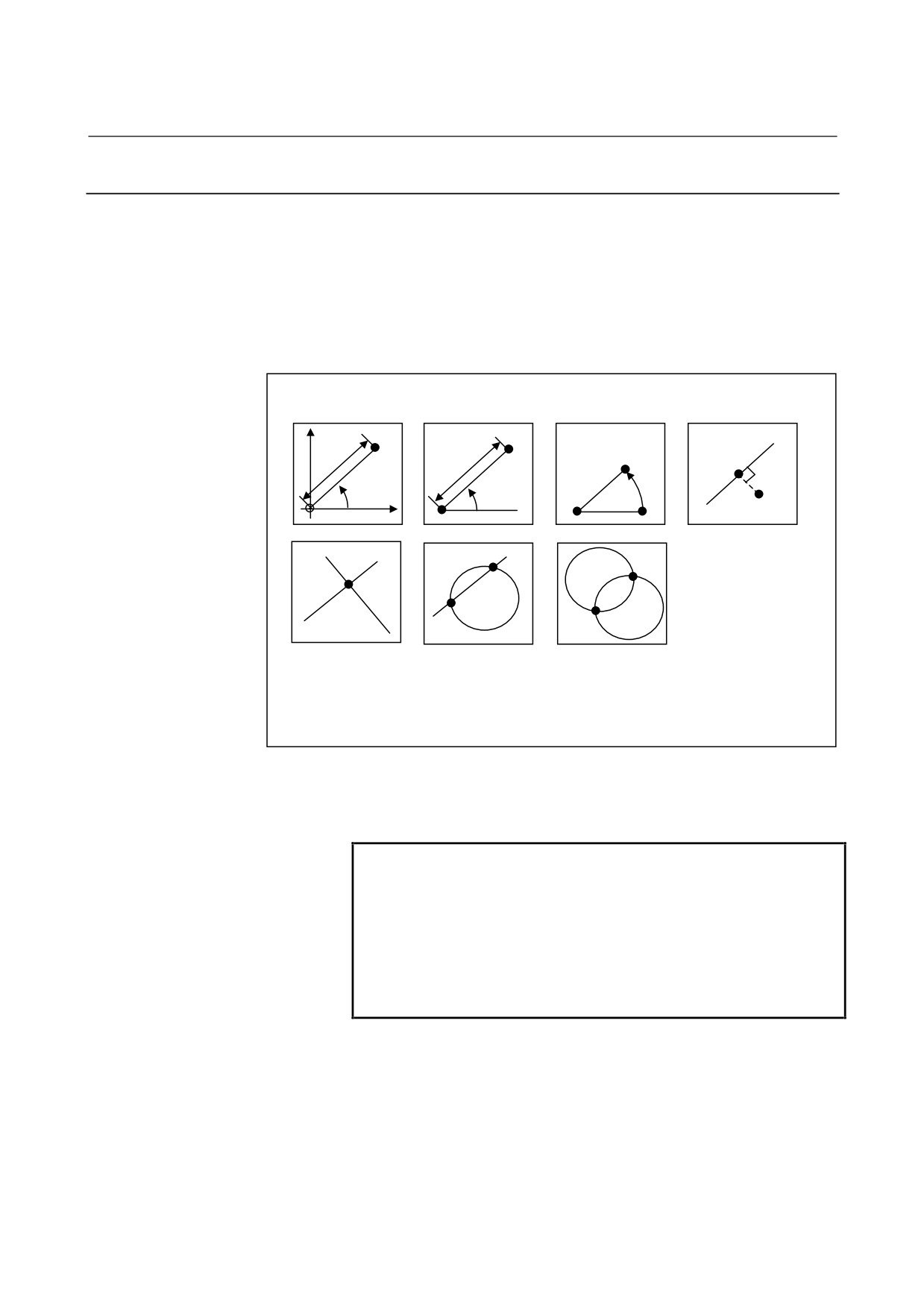
&
,
+
&
6&
2
$
#
)
@
H%A%
/
#
#&
$
&
#
%
"$
#&
+ $)
#
&
& #
&
$ &
#%
'
%
(
#
&
!
"!
"!
"!
"!
"
@2OA
E
#
#
#&
$
@*
* A E
#
#
&
&
#
=
/
.3
A5
:
F+,)
":
"9
"
!
/ ;
-
"
:
:
"
*
;
/
:
"9
"
"
CC
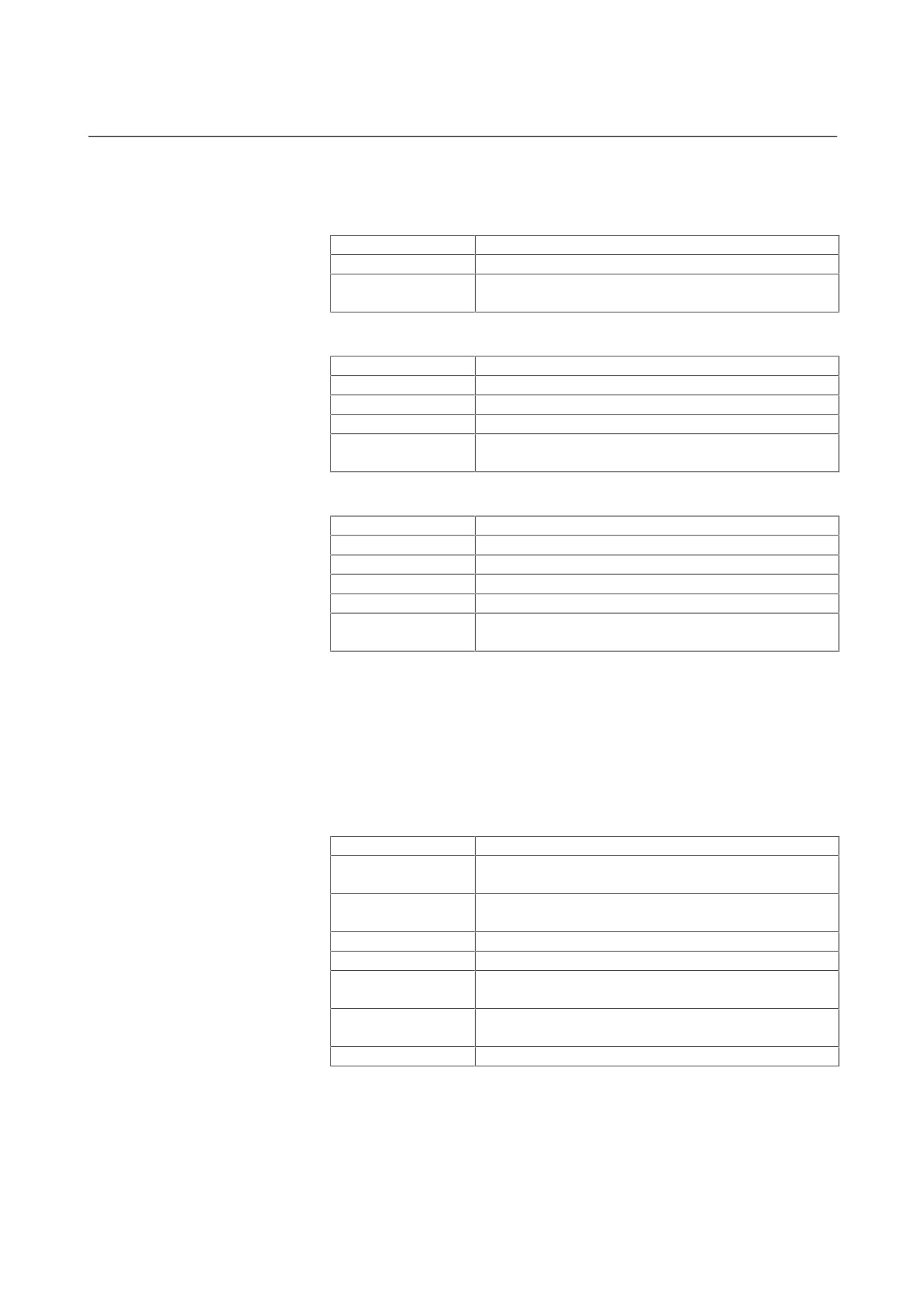
#
+
&
6&
"
!
+
# -,
&
#
6*
/
!
!
0
:
:
MA
9
;
"
0!
"
!
+
# -,
=
&
##!
%<
*A
A
:
/
%<
*>
>
:
/
6*
/
!
/
:
:
MA
9
;
"
0!
"
!
+
# -,
%<
*A
A
:
/
%<
*>
>
:
/
(
* $
A
:
(
* $C
>
:
:
:
MA
9
;
"
0!
"
'-
+
&
I &#
% 5&
)
$
&#
(
&
#
#
# %
/
#
(
& &
#
#
#
%
697
<
#
$
- 6
%<
*A
A
:
/
:
- 6
%<
*>
>
:
/
:
% 66 %<
A
:
% 66 %<
*B
>
:
:
:
MA
9
;
"
0!
6&
6*
=
"
/
:
/
:
:
6&
*
$(
6
:
/
!
:
0
>
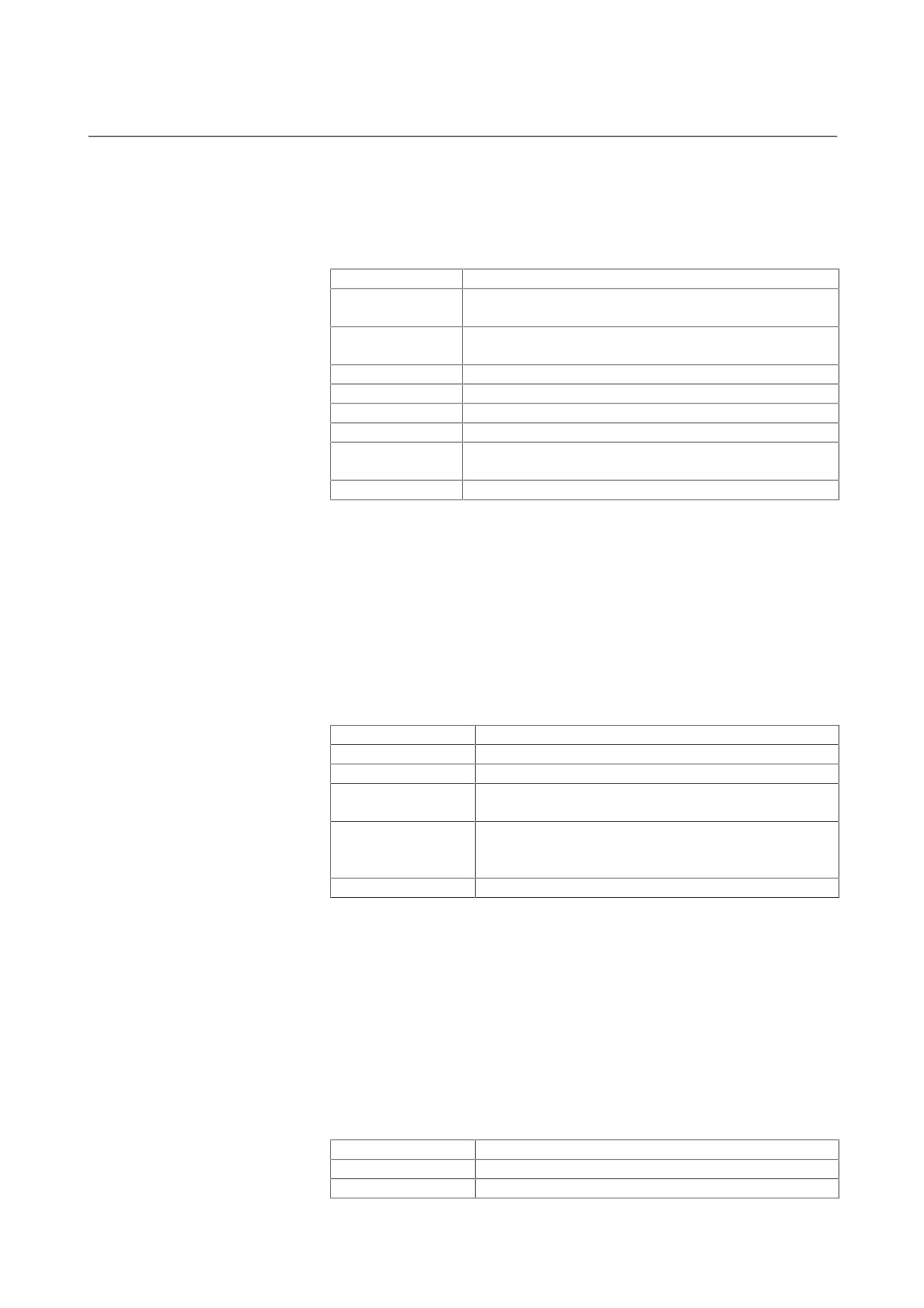
6F7
<
#
$
"$
@HI)HIA)
$ & #
#
$
%
"$
@HI)
A)
$
&#
#
(
$
($ &
%
- 6
%<
*A
A
:
/
:
- 6
%<
*>
>
:
/
:
% 66 %<
A
:
% 66 %<
*B
>
:
% 66 %<
*%
A
:
)
% 66 %<
*4
>
:
)
6&
6*
=
"
/
:
/
:
:
6&
$(
6
:
/
!
:
0
"
!!
-
0
&
!
/
#
#
(
#
#&
%
5&
)
#
#&
#
(
($
#
%
/
#
( & &
&
($
&
?&
& %
6
7
<
#
$
$)
$
9%
% 66 %<
*A
A
:
- 6
%<
*>
>
:
:
:
MA
9
;
"
0!
6&
6*
=
"
/
:
/
:
:
6&
$(
6
:
/
!
:
0
"$
@
H/A
#
$
)
#
F
$
%
"$
@,= M%A)
$ &#
&
&
#
9%
6(7
<
#
$
"$
@HI)HIA)
$ & #
#
$
%
"$
@HI) A)
$ &#
#
(
$
($ &
%
/
$
#
$
9
F%
% 66 %<
*A
A
:
% 66 %<
*>
>
:
> 9
% 66 %<
A
:
)
% 66 %<
*B
>
:
)
6&
6*
=
"
/
:
/
:
:
6&
$(
6
:
/
!
:
0
"
!!
-
&
#
/
#
(
##
(
#
#&
%5
)
(
&
#
#
( &
#
#&
%
/
& &
(
&
($
&
?&
& %
6
7
<
#
$
% 66 %<
*A
A
:
% 66 %<
*>
>
:
:
:
MA
9
;
"
0!
6&
6*
=
"
/
:
/
:
:
6&
$(
6
:
/
!
:
0
"$
@
H/A
#
$
)
#
#
$
% "$
@,= M%A)
$ &#
&
&
#
%
"$
@
H/A
#
$
)
#
F
$
% "$
@,= M%A)
$ &#
&
&
#
9%
(
* $
A
:
(
* $C
>
:
$
6
$
$ "
:
/" "
; "
6
(*
6
:
!
/
/
!
:
0
6(7
<
#
$
"$
@HI)HIA)
$
& #
#
$
%
"$
@HI) A)
$
& #
#
(
$ &
%
% 66 %<
*A
A
:
% 66 %<
*>
>
:
% 66 %<
A
:
)
% 66 %<
*B
>
:
)
6&
6*
=
"
/
:
/
:
:
6&
*
$(
6
:
/
!
:
0
> F
#
#
$
?&
#
7%
>

"
!!
-
0
!
2
#
(
)
#
#
(
#
(
#
(
#
#&
%
(
* $A
A
:
(
* $>
>
:
$
6
$
$ "
:
/" "
; "
(
* $ A)
A
:
)
(
* $ >)
>
:
)
$
6
$)
$ "
:
) /" "
; "
6
(*
6
:
!
/
/
!
:
0
<
6
+
6< &
, & 6&
#
$
#
(
#
#&
$
)
@2OA%
/ &'
$#
#&
)
&
#
6H) I7
%
"$
@*
* A)
$ & #
&
&'
$ #
#&
&
#
%
>
&'
$#
#&
)
#
#
(
#
#&
%
/
+ $
$
&'
$ #
#&
&
#
%
@
,
/A E
&
#
#
#&
$
@
A E
&
#
#
#&
$
5
#
#&
)
)
#
'
%
&
,
+
&
6&
2
&
#
&'
$ #
#&
)
@
A% /
&
#
#
#&
%
"$
#&
+ $)
$ &
#
#
&
&
#
&
$ &
$
$ &
#%
<
?
'
!
"!
"!
"!
"!
"
#
+
&
6&
"
&
+ ' &
!! ! 0
!
%<
*A
A
:
%<
*>
>
:
%<
A
:
)
"
/
:
%<
*B
>
:
)
"
/
:
> 3

"
&
+ &
6&
' &
!! ! 0
!
/
#
&
#
&
#
(
#
#&
%
%<
*A
A
:
%<
*>
>
:
%<
A
:
)
"
/
:
%<
*B
>
:
)
"
/
:
<
6
+
6< &
, & 6&
#
$
#
(
#
#&
$
)
@2OA% / &'
$#
#&
)
#
&
#
6H) I7
6
7
%
"$
@*
* A)
$ & #
&
&'
$ #
#&
&
#
%
> ;
&'
$
#
#&
#)
#
#
#
#
(
#
#&
%
5&
)
#
#
(
#
($
+
%
/
+ $
$
&'
$ #
#&
&
#
%
@
,
/A E
&
#
#
#&
$
@*
/ =A E
&
#
#
#
#&
$
@* =* A E
&
#
#
#
#
$
$
5
#
#
#&
)
$
?&
#
)
#
'
%
&
,
+
&
6&
2
&
#
&'
$
#
#&
#)
@* =* A% /
&
#
#
$
#
#
$
%
"$
#&
+ $ )
$ & #
#
&
&
&
$ &
$ &
#%
/
#&
$
#
$
%
<
?
'
%
J
!
"!
"!
"!
"!
"
>

#
+
&
6&
"
!! ! /
#
!
#
' !-
#
#
%<
*A
A
:
%<
*>
>
:
(
* $
A
:
(
* $C
>
:
"
!! ! 0
!
#
!
#
6! ' ! -
#
#
%<
*A
A
:
%<
*>
>
:
%<
A
:
)
"
/
:
%<
*B
>
:
)
"
/
:
$
6
$
$ "
:
/"
"
; "
6
(*
6
:
!
/
/
!
:
0
"
!! !
1
!
%<
*A
A
:
%<
*>
>
:
%<
A
:
)
"
/
:
%<
*B
>
:
)
"
/
:
%<
*%
A
:
+
"
/
:
%<
*4
>
:
+
"
/
:
<
6
+
6< &
,
&
6&
#
$
#
(
#
#&
$
)
@2OA% / &'
$#
#&
)
#
&
#
6H) I7
#
#
6 ) K7
#%
<
#
#
#
#
#
($ @* =* A)
&
#
#
#
#&
&
%
"$
@*
* A)
$ & #
&
&'
$ #
#&
&
#
%
> >
'
!
&
6&
+
6
#
(
#
&
#
($ &
#+
#
#&
$
#
#&
)
%
E
9 Q9
@
,
/A
→
F
!&(
#
E
9
9
@
,
/A
→
/ &(
#
69
)
'
7E
→
→
9
@
,
/A →
C
&
#
E
9 R9
@
,
/A
→
9
E
9 :9
@
,
/A
→
9
! E
!
@
,
/A
→
%3
*2! E
*;
@
,
/A
→
%3
/ E
/ 3 @
,
/A
→
9
!?&
E
=C
@
,
/A
→
M NG
!
/
"/
7"
6
M)M+!
/
"
M)
)
"
:6
(<6 *
67"
/
"
"/
7"
:
:
!
/
(1
M 61
!
/
"
(1
( "
/
; "
"
/
> C

! !' 6&# -
#
6
:
: "
/
:
"
) "
"
:
/
"
0
:
:"
/"
;
"
!
/
:
+
:
( (
! "
:: "
"
" : "
"
"
!
/
;
/"
"
"
"
!
/
! !' 6&# -
#
<
6
=
:
9
"
:
!
;
/
"
/
"
/
:"
!
;
/ "
/
:"
%
"
/
?<
< )FF
<+
<+)FF
<.
<. FF
<1
<1EFF
<8)
<8FFF
<E
<E1FF
<F8
<FF F
;
/
? K)
K)+FFF
K+
K+ FF
K
K FFF
)
=
)
/
:
9
"
!
/
"
/
:"
6
"
:
)
/
;
/
"
:!
"
!
/"
!
9
"
/
!
/
/ ;
>9
/
&
(
( &
$
#
%<
)
(
$
#
%
K= L E
##
:K
( & &
#
L9 E
##
=
( & &
%
=
L E
-
L9 E
-=
5* L E &
(
L9 E
&
(
9
L E
&
#&
=#
(
L9 E
&
#&
=#
(
* L E
2
&
(
&
(
9.L9
L9 E
2
&
(
&
(
-
9.L9
, L E
!
#
$
(
%
L9 E
2
#
$
(
%
CC L E
CC
& &
#
*
L9 E
CC & &
#
*2
L E
#
&
#
L9
E
#
C
SC 3
&
#
6#
&
#
7
O I L E
#&
+ $ )
)
)
=
+ $
L9
E
2
$
#&
+ $
+ $
•
)
)
=
+ $
(
$
+ $
#
&
#
%
•
#
&
#
)
#&
($
#&
+ $
#
$%
!/, L E
-!/
=/ ,2
/.
$
L9
E
-
,,=2 *G ,2
/.
$
H L E
/
&
&'
$#
#&
$
($
#
L9
E
/
&
&'
$#
#&
$
($
>99

&
#
#
' #&
)
,:!
%
<
,:!
)
1
&
%
&
!
+
( "
<
;
/
0
:
"
!
!
!
"
:
:
$ :
,)
:
(
(
9
:
+
)
( "
::
:
(
:
!
"
::
/
$ :
,)
:
(
(
9
:
+
,
( "
/
/
"
"
(
:
/
0
!
"
:
"
$ :
,)
:
(
(
%
0
+
( "
:
!
/ "
:
(
:
!
"
$ :
,)
:
(
(
%
0
+
1
( "
(
$
:
!
/ "
"
:
$
(
:
"
:
$
!
"
"
$ :
,)
:
(
(
%
0
:(
$
+
E
( "
(
$
/
:
/ "
"
$
(
:
/
0
!
"
:
"
$ :
,)
:
(
(
%
0
:(
$
+
)
( "
:
:
!
/
":
3@
5
:
(
:
/
0
/
0
:
!
"
$ :
,)
:
(
(
%
0
+
+
( "
!
:
:
(
:
/
0
:
!
"
$ :
,)
:
(
(
(
:
%
0
>9F
B-64124EN/01
MAINTENANCE
1. METHOD OF REPLACING BATTERY
METHOD OF REPLACING BATTERY
1
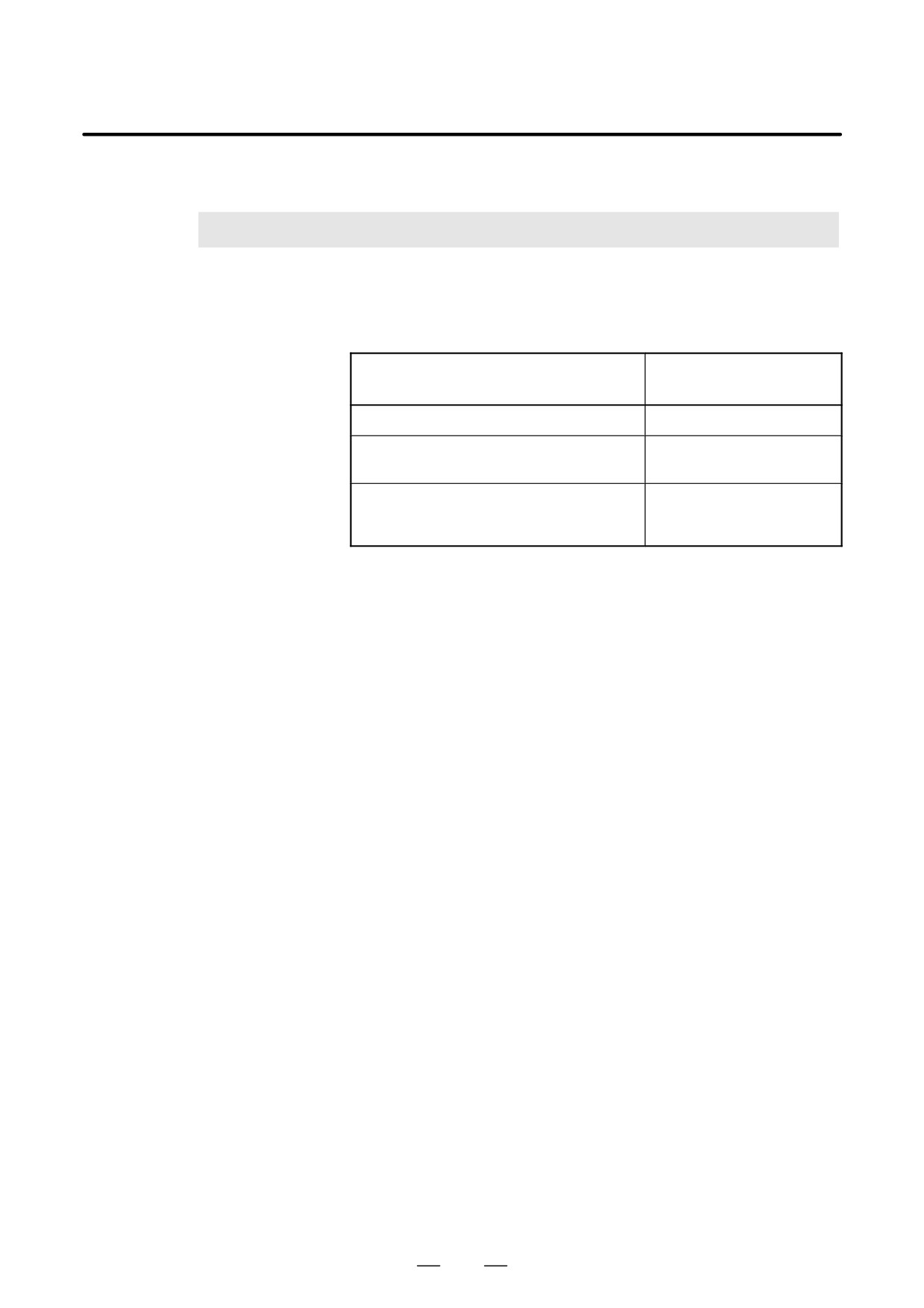
In a system using this CNC, batteries are used as follows:
Component connected to
Use
battery
Memory backup in the CNC control unit
CNC control unit
Preservation of the current position indicated
Separate detector interface
by the separate absolute pulse coder
unit
Preservation of the current position indicated
Servo amplifier
by the absolute pulse coder built into the
motor
Used batteries must be discarded according to appropriate local
ordinances or rules. When discarding batteries, insulate them by using
tape and so forth to prevent the battery terminals from short-circuiting.
815
1. METHOD OF REPLACING BATTERY
MAINTENANCE
B-64124EN/01
1.1
Part programs, offset data, and system parameters are stored in CMOS
memory in the control unit. The power to the CMOS memory is backed
BATTERY FOR
up by a lithium battery mounted on the front panel of the control unit. The
MEMORY BACKUP
above data is not lost even when the main battery goes dead. The backup
(3VDC)
battery is mounted on the control unit at shipping. This battery can
maintain the contents of memory for about a year.
When the voltage of the battery becomes low, alarm message “BAT”
blinks on the display and the battery alarm signal is output to the PMC.
When this alarm is displayed, replace the battery as soon as possible. In
general, the battery can be replaced within one or two weeks, however,
this depends on the system configuration.
If the voltage of the battery becomes any lower, memory can no longer
be backed up. Turning on the power to the control unit in this state causes
system alarm 935 (ECC error) to occur because the contents of memory
are lost. Clear the entire memory and reenter data after replacing the
battery.
Therefore, FANUC recommends that the battery be replaced once a year
regardless of whether alarms are generated.
The power to the control unit must be turned on when the battery is
replaced. If the battery is disconnected when the power is turned off, the
contents of memory are lost.
Observe the following precautions for lithium batteries:
WARNING
If an unspecified battery is used, it may explode.
Replace the battery only with the specified battery
(A02B-0200-K102.)
In addition to the Lithium battery built into the CNC control unit,
commercial D-size alkaline batteries can be used by installing the battery
case externally.
NOTE
A lithium battery is installed as standard at the factory.
816
B-64124EN/01
MAINTENANCE
1. METHOD OF REPLACING BATTERY
Replacing the lithium
(1) Prepare a new lithium battery
(ordering drawing number:
battery
A02B-0200-K102).
(2) Turn on the power of the control unit once for about 30 seconds.
(3) Turn off the power of the control unit.
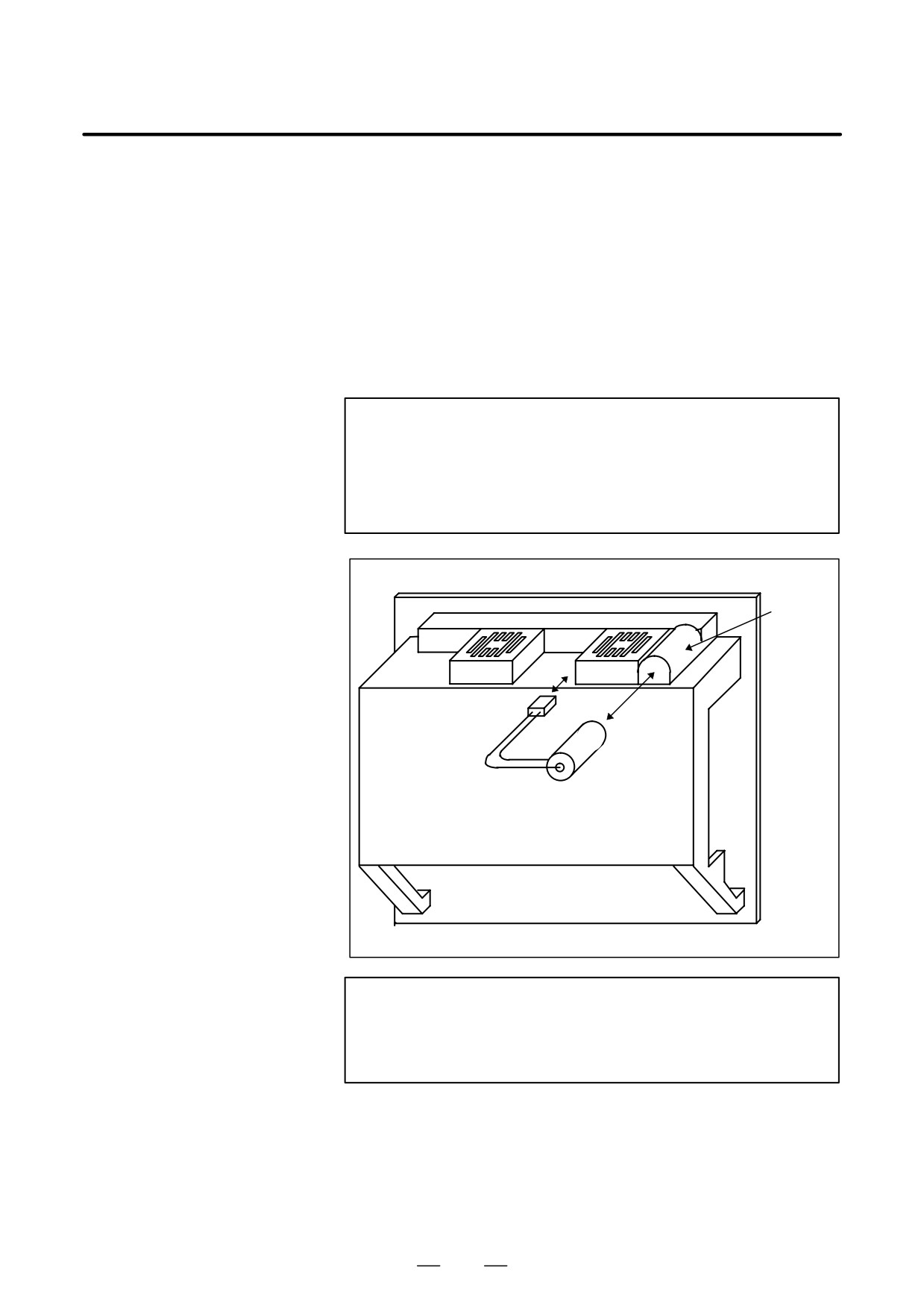
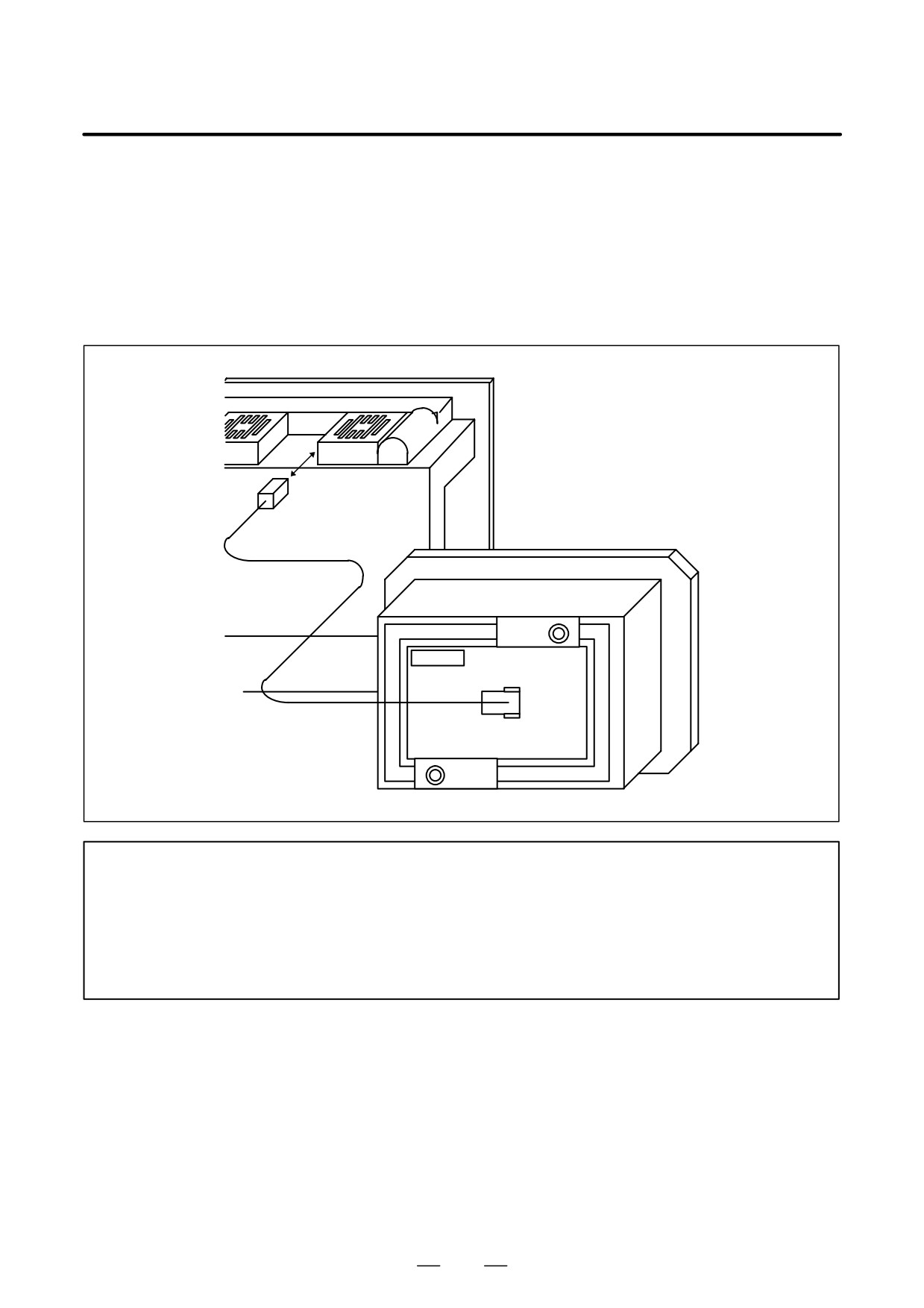
(4) Remove the old battery from the top of the CNC control unit.
First unplug the battery connector then take the battery out of its case.
The battery case of a control unit without option slots is located at the
top right end of the unit. That of a control unit with 2 slots is located
in the central area of the top of the unit (between fans).
(5) Insert a new battery and reconnect the connector.
NOTE
Complete steps (3) to (5) within 10 minutes. Do not leave
the control unit without a battery for any longer than the
period shown, as this will result in the contents of memory
being lost.
Battery
case
Connector
Lithium battery
A02B-0236-K102
WARNING
Incorrect battery replacement may cause an explosion. Do
not use a battery other than that specified (specification:
A02B-0200-K102).
817
1. METHOD OF REPLACING BATTERY
MAINTENANCE
B-64124EN/01
Replacing the alkaline
(1) Prepare two new alkaline dry cells (size D).
dry cells (size D)
(2) Turn on the power of the control unit once for about 30 seconds.
(3) Turn off the power of the control unit.
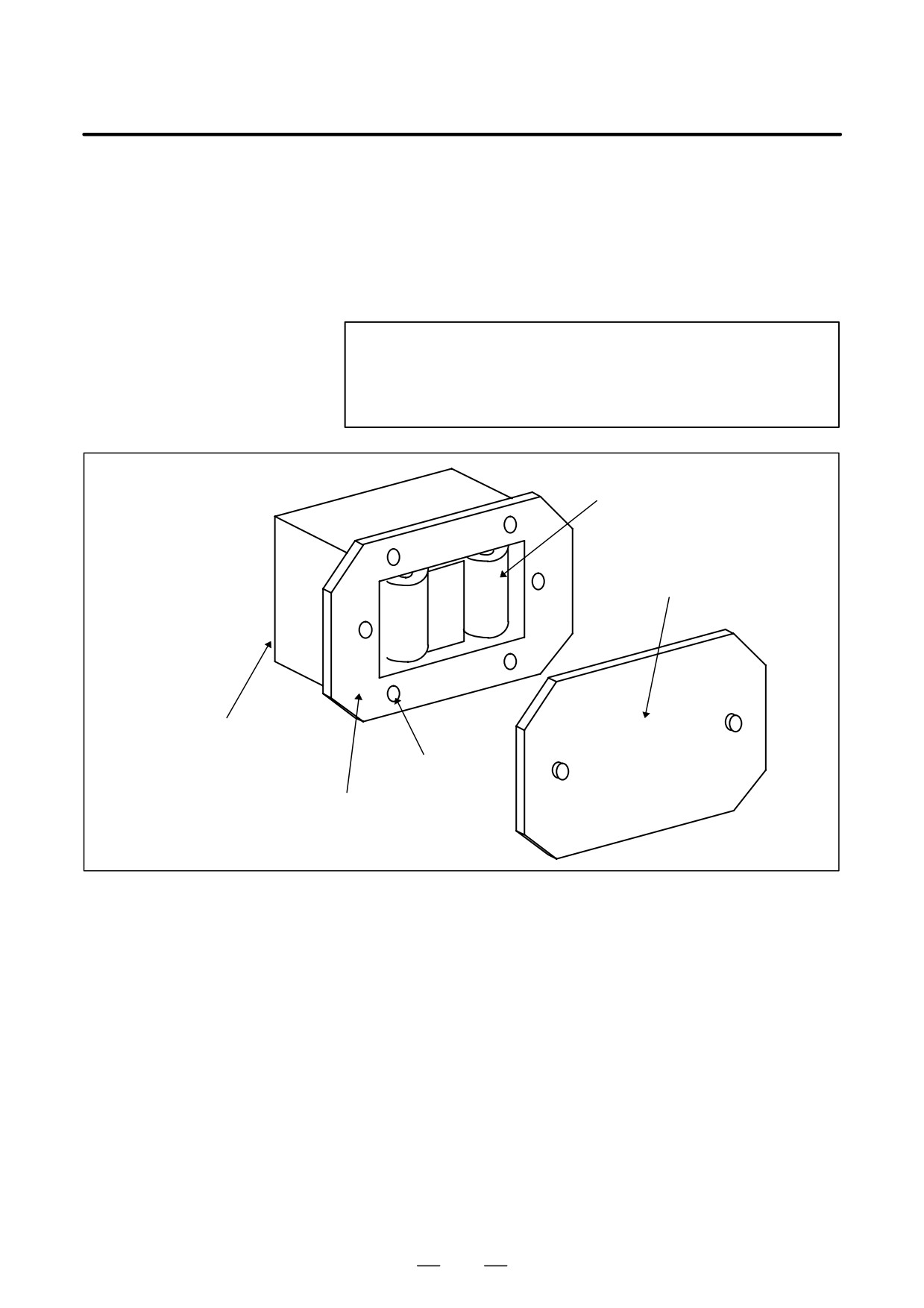
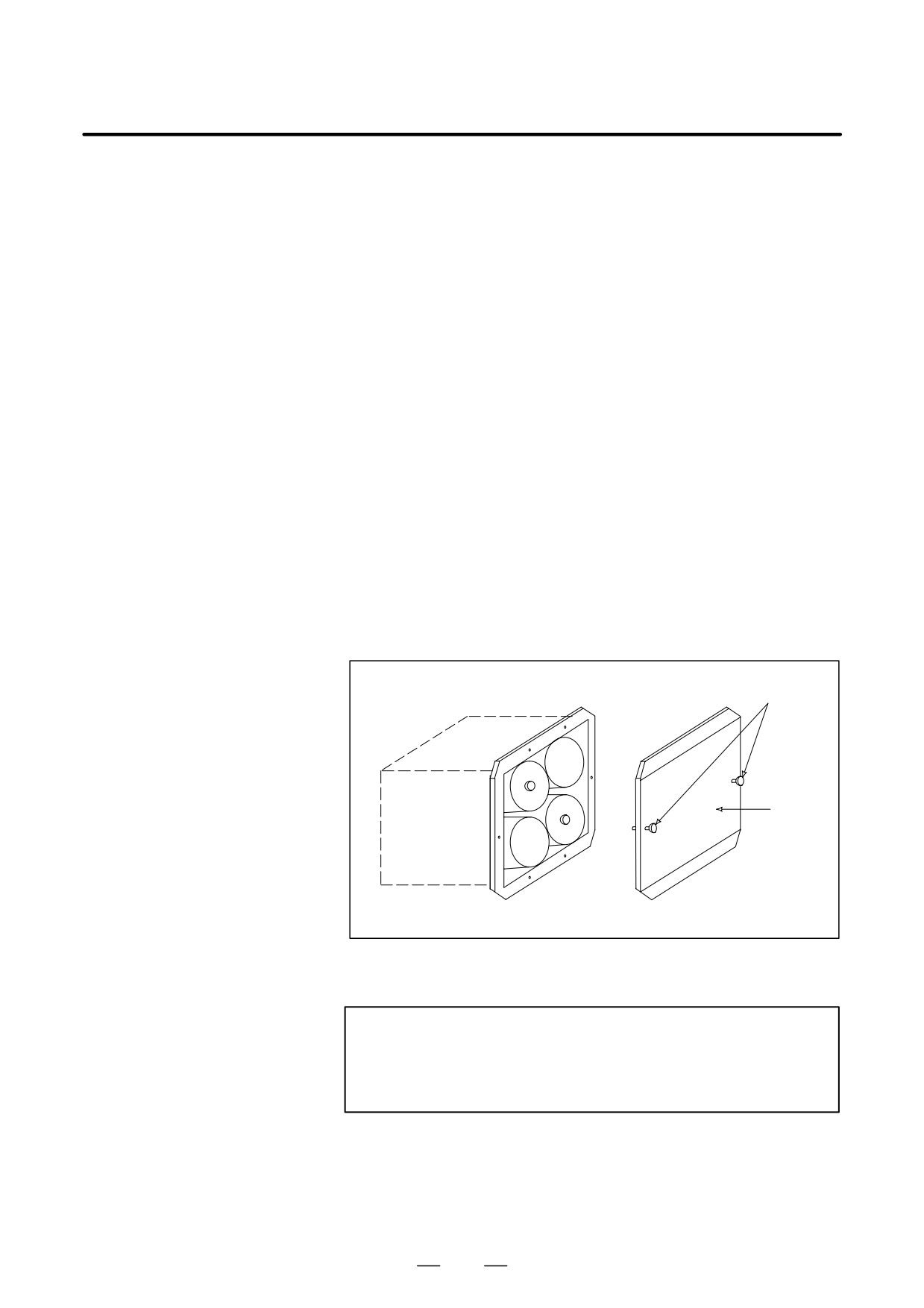
(4) Remove the battery case cover.
(5) Replace the batteries, paying careful attention to their orientation.
(6) Replace the battery case cover.
NOTE
When replacing the dry cells, use the same procedure as
that for lithium battery replacement procedure, described
above.
Dry cell × 2
Cover
Connection terminal
on the rear
Mounting hole × 4
Battery case
818
B-64124EN/01
MAINTENANCE
1. METHOD OF REPLACING BATTERY
Use of alkaline dry cells
(size D)
Connection
Power from the external batteries is supplied through the connector to
which the lithium battery is connected. The lithium battery, provided as
standard, can be replaced with external batteries in the battery case
(A02B-0236-C281) according to the battery replacement procedures
described above.
NOTE
1
Install the battery case (A02B-0236-C281) in a location where the batteries can be replaced
even when the control unit power is on.
2
The battery cable connector is attached to the control unit by means of a simple lock system.
To prevent the connector from being disconnected due to the weight of the cable or tension
within the cable, fix the cable section within 50 cm of the connector.
819
1. METHOD OF REPLACING BATTERY
MAINTENANCE
B-64124EN/01
1.2
One battery unit can maintain current position data for six absolute pulse
coders for a year.
BATTERY FOR
When the voltage of the battery becomes low, APC alarms 3n6 to 3n8 (n:
SEPARATE
axis number) are displayed on the LCD display. When APC alarm 3n7
ABSOLUTE PULSE
is displayed, replace the battery as soon as possible. In general, the battery
should be replaced within one or two weeks, however, this depends on the
CODERS (6VDC)
number of pulse coders used.
If the voltage of the battery becomes any lower, the current positions for
the pulse coders can no longer be maintained. Turning on the power to
the control unit in this state causes APC alarm 3n0 (reference position
return request alarm) to occur. Return the tool to the reference position
after replacing the battery.
Therefore, FANUC recommends that the battery be replaced once a year
regardless of whether APC alarms are generated.
See Section 7.1.3 for details of connecting the battery to separate absolute
pulse coders.
Replacing batteries
Obtain four commercially available alkaline batteries (size D).
(1) Turn on the power of the machine (turn on the servo amplifier).
(2) Loosen the screws of the battery case, and remove the cover.
(3) Replace the dry batteries in the case.
Note the polarity of the batteries as shown in the figure below (orient
two batteries one way and the other two in the opposite direction).
Screws
Å
Å
Å
ÇÅ
Å
Cover
Å
Å
Å
Å
(4) After installing the new batteries, replace the cover.
(5) Turn off the power to the machine.
WARNING
If the batteries are installed incorrectly, an explosion may
occur. Never use batteries other than the specified type
(Size D alkaline batteries).
820
B-64124EN/01
MAINTENANCE
1. METHOD OF REPLACING BATTERY
CAUTION
The battery must be replaced with the power of the machine
turned on (the servo amplifier turned on).
Note that, if batteries are replaced while no power is
supplied to the CNC, the recorded absolute position is lost.
1.3
The battery for the absolute pulse coder built into the motor is installed
in the servo amplifier. For how to connect and replace the battery, refer
BATTERY FOR
to the following manuals:
ABSOLUTE PULSE
D FANUC SERVO MOTOR αis series Maintenance Manual
CODER BUILT INTO
D FANUC SERVO MOTOR βis series Maintenance Manual
THE MOTOR (6VDC)
D FANUC SERVO MOTOR βis series (I/O Link Option) Maintenance
Manual
821
B-64124EN/01
APPENDIX
A. TAPE CODE LIST
TAPE CODE LIST
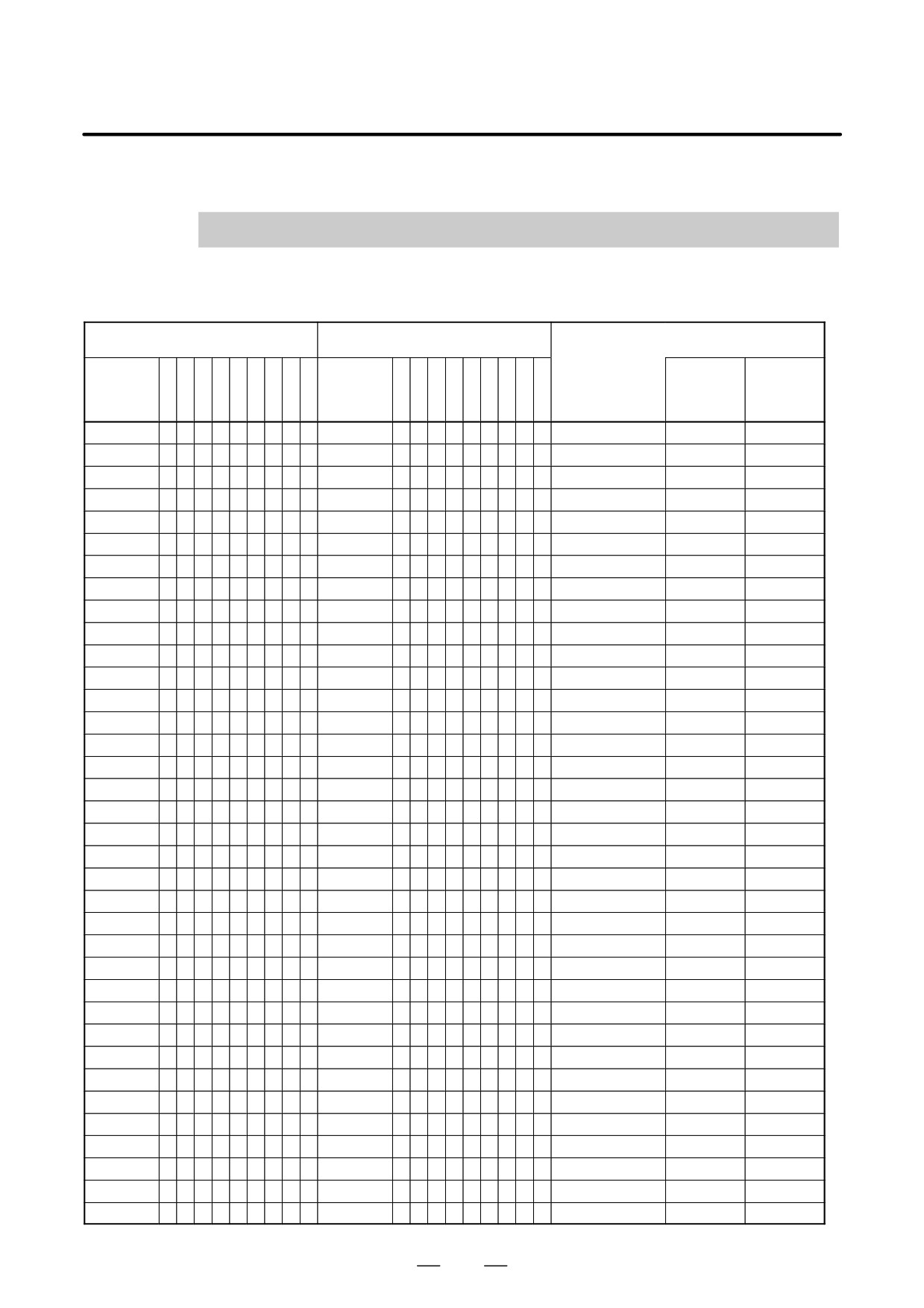
A
ISO code
EIA code
Meaning
Without
With
Character
8
7
6
5
4
3
2
1
Character
8
7
6
5
4
3
2
1
CUSTOM
CUSTOM
MACRO B
MACRO B
0
f
f
f
0
f
f
Number
0
1
f
f
f
f
f
1
f
f
Number
1
2
f
f
f
f
f
2
f
f
Number
2
3
f
f
f
f
f
3
f
f
f
f
Number
3
4
f
f
f
f
f
4
f
f
Number
4
5
f
f
f
f
f
5
f
f
f
f
Number
5
6
f
f
f
f
f
6
f
f
f
f
Number
6
7
f
f
f
f
f
f
f
7
f
f
f
f
Number
7
8
f
f
f
f
f
8
f
f
Number
8
9
f
f
f
f
f
9
f
f
f
f
Number
9
A
f
f
f
a
f
f
f
f
Address A
B
f
f
f
b
f
f
f
f
Address B
C
f
f
f
f
f
c
f
f
f
f
f
f
Address C
D
f
f
f
d
f
f
f
f
Address D
E
f
f
f
f
f
e
f
f
f
f
f
f
Address E
F
f
f
f
f
f
f
f
f
f
f
f
f
Address F
G
f
f
f
f
f
g
f
f
f
f
f
f
Address G
H
f
f
f
h
f
f
f
f
Address H
I
f
f
f
f
f
i
f
f
f
f
f
f
Address I
J
f
f
f
f
f
j
f
f
f
f
f
Address J
K
f
f
f
f
f
k
f
f
f
f
Address K
L
f
f
f
f
f
l
f
f
f
f
Address L
M
f
f
f
f
f
m
f
f
f
f
Address M
N
f
f
f
f
f
n
f
f
f
f
Address N
O
f
f
f
f
f
f
f
o
f
f
f
f
Address O
P
f
f
f
p
f
f
f
f
f
f
Address P
Q
f
f
f
f
f
q
f
f
f
f
Address Q
R
f
f
f
f
f
r
f
f
f
f
Address R
S
f
f
f
f
f
s
f
f
f
f
Address S
T
f
f
f
f
f
t
f
f
f
f
Address T
U
f
f
f
f
f
u
f
f
f
f
Address U
V
f
f
f
f
f
v
f
f
f
f
Address V
W
f
f
f
f
f
f
f
w
f
f
f
f
Address W
X
f
f
f
f
f
x
f
f
f
f
f
f
Address X
Y
f
f
f
f
f
y
f
f
f
f
Address Y
Z
f
f
f
f
f
z
f
f
f
f
Address Z
825
A. TAPE CODE LIST
APPENDIX
B-64124EN/01
ISO code
EIA code
Meaning
Without
With
Character
8
7
6
5
4
3
2
1
Character
8
7
6
5
4
3
2
1
CUSTOM
CUSTOM
MACRO B
MACRO B
DEL
f
f
f
f
f
f
f
f
f
Del
f
f
f
f
f
f
f
f
×
×
NUL
f
Blank
f
×
×
BS
f
f
f
BS
f
f
f
f
×
×
HT
f
f
f
Tab
f
f
f
f
f
f
×
×
LF or NL
f
f
f
CR or EOB
f
f
CR
f
f
f
f
f
×
×
SP
f
f
f
SP
f
f
j
j
%
f
f
f
f
f
ER
f
f
f
f
(
f
f
f
(2-4-5)
f
f
f
f
)
f
f
f
f
f
(2-4-7)
f
f
f
f
+
f
f
f
f
f
+
f
f
f
f
∆
–
f
f
f
f
f
-
f
f
:
f
f
f
f
f
/
f
f
f
f
f
f
f
/
f
f
f
f
f
f
f
f
f
f
f
f
f
f
f
#
f
f
f
f
f
Parameter
(No. 6012)
$
f
f
f
∆
f
&
f
f
f
f
f
&
f
f
f
f
∆
f
o
f
f
f
f
f
___
∆
f
f
f
f
f
f
Parameter
∆
(No. 6010)
,
f
f
f
f
f
,
f
f
f
f
f
f
;
f
f
f
f
f
f
f
∆
∆
<
f
f
f
f
f
∆
∆
=
f
f
f
f
f
f
f
Parameter
∆
(No. 6011)
>
f
f
f
f
f
f
f
∆
∆
?
f
f
f
f
f
f
f
∆
f
@
f
f
f
∆
f
”
f
f
∆
∆
[
f
f
f
f
f
f
f
Parameter
∆
(No. 6013)
]
f
f
f
f
f
f
f
Parameter
∆
(No. 6014)
826
B-64124EN/01
APPENDIX
A. TAPE CODE LIST
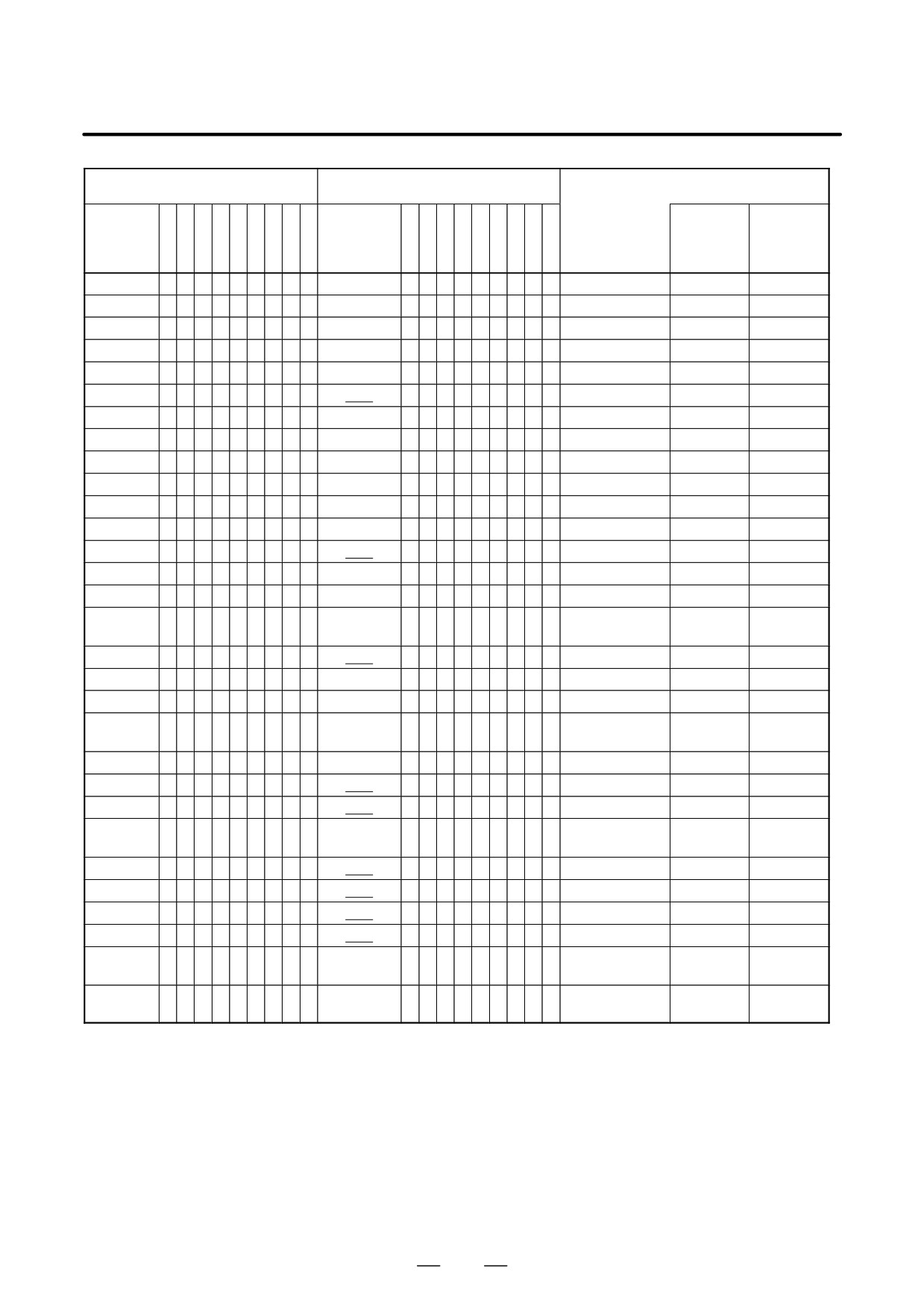
NOTE
1
The symbols used in the remark column have the following meanings.
(Space) : The character will be registered in memory and has a specific meaning.
It it is used incorrectly in a statement other than a comment, an alarm occurs.
×
:
The character will not be registered in memory and will be ignored.
∆
:
The character will be registered in memory, but will be ignored during program
execution.
f
:
The character will be registered in memory. If it is used in a statement other than
a comment, an alarm occurs.
j
:
If it is used in a statement other than a comment, the character will not be
registered in memory. If it is used in a comment, it will be registered in memory.
2
Codes not in this table are ignored if their parity is correct.
3
Codes with incorrect parity cause the TH alarm. But they are ignored without generating the
TH alarm when they are in the comment section.
4
A character with all eight holes punched is ignored and does not generate TH alarm in EIA code.
827