содержание .. 6 7 8
Английский язык (с ответами). Всероссийская олимпиада школьников в Москве (2024-2025 год) - часть 8
Всероссийская олимпиада школьников по английскому языку
2025 г.
региональный этап
Listening and Reading
Time: 1 hour 15 minutes
LISTENING
Task 1
For items 1-10 listen to the talk about extensive reading and decide whether the
statements (1-10) are TRUE (A), or FALSE (B) according to the text you hear.
You will hear the text TWICE.
1.
The students chosen for the study had much lower test results than other
students.
A. True
B. False
2.
During the experiment the chosen students had more classes of English.
A. True
B. False
3.
After the experiment, the students in the extensive reading class outperformed
students in normal English classes.
A. True
B. False
4.
The experiment improved students’ enthusiasm for studying English.
A. True
B. False
5.
To do extensive reading you need to read a lot of challenging books.
A. True
B. False
6.
With extensive reading, you can improve your writing skills without even
practising writing at all.
A. True
B. False
7.
Extensive reading benefits speaking and listening even to a greater extent than
writing.
A. True
B. False
8.
Reading simplified books for language students has no effect on students’
accuracy and fluency.
A. True
B. False
1
Всероссийская олимпиада школьников по английскому языку
2025 г.
региональный этап
9. Reading a lot in English can be more helpful in tests like TOEFL than actually
living in an English-speaking country.
A. True
B. False
10.Extensive reading provides opportunities to see grammar in context and deepen
understanding of its use.
A. True
B. False
Task 2
For items 11-15 listen to the conversation. Choose the correct answer (A, B or
C) to answer questions 11-15. You will hear the text only ONCE.
11. What is NOT TRUE about Tara’s coursework?
A. It goes smoothly.
B. It’s manageable.
C. It will take Tara more time to finish it.
12. Tara has a problem with her
A. groupmates.
B. roommates.
C. parents at home.
13. If Henry had the same problem, he would NOT
A. stop his friends.
B. join his friends.
C. tell his friends about his feelings.
14. Henry’s final advice to Tara was
A. to talk to her friends.
B. to relax and enjoy the music.
2
Всероссийская олимпиада школьников по английскому языку
2025 г.
региональный этап
C. to talk to the flat owner.
15. At the end of the conversation, Henry
A. reassured Tara.
B. felt worried about Tara.
C. expressed doubt about the situation.
INTEGRATED LISTENING AND READING
Task 3
Read the text below, then listen to a talk on the same topic. You will notice
that some ideas coincide and some differ in them. Answer questions 16-25 by
choosing A if the idea is expressed in both materials, B if it can be found
only in the reading text, C if it can be found only in the audio-recording,
and D if neither of the materials expresses the idea.
Now you have 15 minutes to read the text.
I remember reading Sherlock Holmes stories when I was a kid, the stories
were deeply enjoyable, the formidable detective left a lasting impression on my
mind. I guess in some ways Sherlock Holmes was the reason why I first took
interest in problem solving and logical deductions at some of my school
subjects, such as Maths and Physics. As a kid I imagined myself as Sherlock
Holmes solving complex problems as I was solving mathematical problems at
school, and I guess in a way this somewhat attributed to my small success in
my later career as a student. It had been years since I first read it, until two years
ago when I stumbled upon this collection of Sherlock Holmes. Published by
Wordsworth Library, this heavy tome contains all of Sir Arthur Conan Doyle’s
stories of Sherlock Holmes in chronological order according to their date of
publication. The collection contains all four novels: A Study in Scarlet, The Sign
of Four, The Valley of Fear, and The Hound of the Baskervilles, plus 56 short
stories about the famous detective in 221 Baker Street. This huge book has 1408
pages and contains the original illustrations from the Strand Magazine.
All in all, I tried to read this book back-to-back, I spent an enormous
amount of time reading through this book, while trying to formulate theories
about the strange cases on my own based on the facts laid out at the beginning
of each story. The character of Sherlock Holmes is interesting, and his quirky
friendship with Watson provides a humorous effect in some of the darker
3
Всероссийская олимпиада школьников по английскому языку
2025 г.
региональный этап
moments in their adventures. In my opinion, not all the stories of Sherlock
Holmes are the same quality, some stories are better than the others. For
example, stories such as The Five Orange Pips, The Sussex Vampire, The
Problem of Thor Bridge, The Dancing Man, The Red-Headed League and The
Adventure of the Six Napoleons are amongst the more memorable cases, with
surprising twists and turns to form a lasting impression on the readers'
memories. The stories are gripping and kept me reading through this 1408-page
book.
As I mentioned earlier, this book contains the original illustrations from
the Strand Magazine by Sidney Paget. The illustrations are very well done and
usually inserted at the right place in the text to demonstrate the important
moments in the stories. If you have never read anything about the famous
detective, or if you are a fan and want to get all of the Sherlock Holmes stories
in one volume, then this is the book to get.
Now listen to another text on the same topic and then do the tasks
(questions 16-25), comparing the text above and the interview. You will
hear the text TWICE.
16. Sherlock Holmes is a very impressive character.
17. Sherlock Holmes can motivate students learn Maths and Physics.
18. Sherlock Holmes is good at reading people.
19. Sherlock Holmes suffers from his personal weaknesses and character
flaws.
20. Sherlock Holmes has an ear for music.
21. Holmes and Watson are friends.
22. The Sherlock Holmes Stories is an illustrated book.
23. Sherlock Holmes has a real prototype.
24. There is some humour in the stories.
25. The Sherlock Holmes stories are of different quality.
READING
Task 4
4
Всероссийская олимпиада школьников по английскому языку
2025 г.
региональный этап
Read the text and answer questions 26-40 below.
Sleeping when everyone else is awake
Turning normal sleeping cycles upside down helped writer Joanna
Cannon recover her energy
(A) I’ve always had an unusual relationship with sleep. When I was little, I
adopted a childlike logic that equated staying awake with being a grownup, but
as I grew older I began to enjoy getting up early. There was no typical teenage
routine of lying under the duvet until lunchtime and I liked to be ready for the
day as early as possible. It was when I started training as a doctor that my
relations with sleep got aggravated. A daily five-hour round trip to Leicester
medical school meant I had to wake even earlier than the crack of dawn and the
course gradually became more and more demanding and the clinical situations
I witnessed increasingly distressing.
(B) This habit continued long after I left the wards behind, and I often struggled
with getting to sleep. Insomnia followed me around for most of my adult life
until about 12 months ago, when a particularly nasty virus saw me heading to
bed at teatime. I woke eight hours later completely refreshed. A week of
keeping to the same routine and it became my new schedule. Now I have
boundless energy. I have no problems getting to sleep and, more importantly,
my mind feels settled. My social-media timelines move at a snail’s pace and
without incoming phone calls and emails, I can get on with my writing without
interruption. The silence is uplifting and the solitude has become a comfort.
And my choice of waking hours doesn’t affect anyone else as more of us now
work from home.
(C) Of course, this upside-down life is fine when you’re operating as a one-
person army, but when I have social commitments or book events, I need to re-
integrate into a “normal” timetable. I’ve found the only way to do that
5
Всероссийская олимпиада школьников по английскому языку
2025 г.
региональный этап
successfully, is to treat it like jet lag. Have a good sleep the night before, power
through, and eat plenty of carbs the next day. Thankfully, a lot of my friends
are abroad, which it makes it easy to organise Zoom calls.
(D) It’s always a risk that you’ll be asked why you don’t go to bed when other
people do, but fashions change. In medieval times, for example, sleep was
biphasic. Everyone had “first” and “second” sleeps, with a little break in
between to do housework and chat to their friends (a period known as “the
watch”). This habit died out when artificial light became commonplace, but it
still exists in more remote parts of the world. Back in the seventeenth century,
the idea of sleeping for eight hours straight would have been mighty strange
indeed.
(E) No doubt, insomnia is a crippling condition and continued sleep deprivation
not only affects our mental health, but our physical health, too, because it’s
when we’re resting that our bodies and our minds do all their housekeeping.
Muscle repair, toxin removal, energy renewal quietly get to work in the
backg2round once we’ve dozed off. Even more significantly, while we sleep our
minds relax and the brain’s neurons reorganise themselves and flush out the
toxic by-products that accumulate during waking hours. It has even been
suggested that sleep helps us to convert short-term memories into long-term
ones, our synapses declutter and sweep away anything we no longer need,
making room for new information.
(F) If all this occurs during sleep, could an upside-down sleeping pattern like
mine have any detrimental effect on my physical health? There are studies
which suggest it might. In 2019, scientists found out that night shift sleeping
patterns can give rise to a higher risk of developing cancer. More than 3m
people in the UK are night workers, an increase of 5% in the past 10 years, in
addition to the many thousands of insomniacs who, rather than choose this
particular lifestyle, find that it has chosen them. The Great British Sleep Survey
6
Всероссийская олимпиада школьников по английскому языку
2025 г.
региональный этап
estimated that one in three of us suffer from sleep issues at any one time and an
astonishing 10% describe it as a chronic problem.
(G) Will these findings change my sleeping routine? No. They will not. On no
account whatever. After walking miles of hospital corridors, I know that
anxiety, low mood and tension have a huge impact on physical and mental
health, not only with a direct effect on how our organism functions, but also
through the coping mechanisms we employ to try to alleviate our suffering. My
coping mechanism was a change of sleeping habits and the therapeutic benefits
far outweigh potential drawbacks. Rather than fight insomnia and feel helpless,
I opted to embrace it. I chose to listen to my body rather than the clock. No
doubt, there are drawbacks to being awake all night, but to me they are few and
far between.
Questions 26-30
In which part of the text is the following mentioned?
26
the influences of stress on one’s body and mind
27
an invention that made people give up an established routine in the
past
28
processes of restoring one’s physical and mental balances
29
occasional obligations that break the established routine
30
a routine commuting journey starting at daybreak
31
a personal choice to accept an uncomfortable situation
32
research on problems connected with reversed sleep issues
33
formation of a new individual wake and sleep pattern
34
mechanisms that start operating after we fall asleep
35
satisfying working conditions and environment
36
unwillingness to alter one’s established habits
37
a segmented sleep pattern consisting of two parts
7
Всероссийская олимпиада школьников по английскому языку
2025 г.
региональный этап
38
a schedule likely to lead to a serious medical condition
39
a common habit shared by adolescents
40
eliminating certain acquired but unwanted stuff
TRANSFER ALL YOUR ANSWERS TO YOUR ANSWER SHEET
8
Всероссийская олимпиада школьников по английскому языку
2025 г.
региональный этап
Use of English
Time: 45 minutes
Task 1
For items 1-5, solve the crossword using the definitions of the required word
given in brackets. The first example (0) is done for you.
Example: 0. - lucrative
The buying and selling of art has become a (0) … (producing a large amount
of money; making a large profit) business, but in a world where fakes and (1) …
(crimes of copying money, documents, etc. in order to cheat people) are rampant, how
do collectors know they are getting the real thing? Recognizing the difference between
a fake and an original artwork requires rigorous
(2)
… (the detailed study or
examination of something in order to understand more about it; the result of the
study) of the artwork in a process called art authentication.
The (3) … (happening at the beginning; first) step is to research an artwork's
provenance. This is the history of owners from the artist’s hand to the present date.
The (4) … (legal papers that are required for something, or that give evidence or
proof of something) must show an interrupted chain of ownership. (5) … (care that
you take in order to avoid danger or mistakes; the fact of not taking any risks) needs
to be taken, though, as to the reliability of the information as this could easily be false
along with the artwork.
1

Всероссийская олимпиада школьников по английскому языку
2025 г.
региональный этап
o
3
L
5
U
C
R
T
A
2
T
4
I
V
E
1
S
Task 2
For items 6-10 you are given the definitions of homonyms. For each number
provide the appropriate pair of homonyms. Be careful and mind the spelling! You must
write the homonyms in each pair in the correct order. The first example (0) is done
for you.
Example: 0. - higher/hire
0. Greater in altitude; or, to employ someone.
6. A large coffee dispenser; or, to make money.
7. Not working, lazy; or, a person who is greatly admired.
8. A requirement or necessary thing; or, the act of folding and stretching bread
dough.
9. The period in which a king or queen rules; or, precipitation.
10. A lodger; or, the line that separates one country from another.
Task 3
For items 11 -15 choose from the box the appropriate phrasal verb, change its
form if necessary so that it fits grammatically and make the joke complete. There are
some extra ones that you will not need.
2
Всероссийская олимпиада школьников по английскому языку
2025 г.
региональный этап
Example: 0. - drop off
0. “Doctor, I can’t sleep at night.”
“Sleep on the edge of the bed and you’ll soon … .”
drop off, dry up, give away, hold up, knock down, look up to, put away, put out,
run down, take in, tie up
11. “I … my boss.”
“What’s he done to earn your admiration?”
“Nothing. He’s a good foot taller than I’m.”
12. When the vicar asked who was … the bride, her father replied that he would
have preferred to auction her.”
13. “Of course he was …! Wouldn’t you be, if your wife wrestled you out of the
front door and locked it?”
14. “What about this patient, nurse?”
“…, doctor.”
“Vitamin deficiency?”
“No, doctor, a bus.”
15. “He manages to … a fair amount each week.”
“Oh, yes. How much do you think he’s worth, then?
“I’ve no idea. I was talking about his sugar consumption.”
Task 4
Sobriquets, unlike nicknames, are generally used in place of a person's given
name and describe their character, skill, strength, personality, achievement, or
reputation. Sobriquets are usually used by historians, journalists, press agents, critics,
or the public, and can be either an honor or an insult. Sobriquets are not just given to
people. For items 16-20 match the sobriquets (16-20) in the first column with the
place or organization to which it refers (A-M) in the second column. There are extra
letters in the second column that you will not need. The first example (0) is done for
you.
3

Всероссийская олимпиада школьников по английскому языку
2025 г.
региональный этап
Example: 0. - F
0. The Emerald Isle
A. Hollywood
16.The City of Brotherly Love
B. The New York Times
17.The Tinseltown
C. Republican Party
18.The Grand Old Party
D. Philadelphia
19.The Beeb
E. The Press
20.The Old Lady of Threadneedle
F. Ireland
Street
G. BBC
H. Broadway
I. The Central Criminal Court in
England
J. The Bank of England
K. Sacramento
L. Liberal Party
M. Las Vegas
TRANSFER ALL YOUR ANSWERS TO YOUR ANSWER SHEET
4
Всероссийская олимпиада школьников по английскому языку
2025 г.
региональный этап
Writing
Time: 60 minutes
Task
A club of young leaders has received a grant from the local council to be spent on a
local festival which will show the connections between the past, present and future
of your town. As a member of the club, you have been asked to write a proposal to
the local council describing three events you think should be organized during the
festival and explaining how they will show the connections between the past, present
and future of the town and why they would be beneficial for the citizens of your
town.
The proposal must contain:
• introduction
• description of three events
• explanation how these events will show the connections between the times
• explanation of their benefits for citizens of the town
• conclusion.
Write 200-250 words. Provide the title and the subheadings.
Do not use the words from the task, use your own words in your writing.
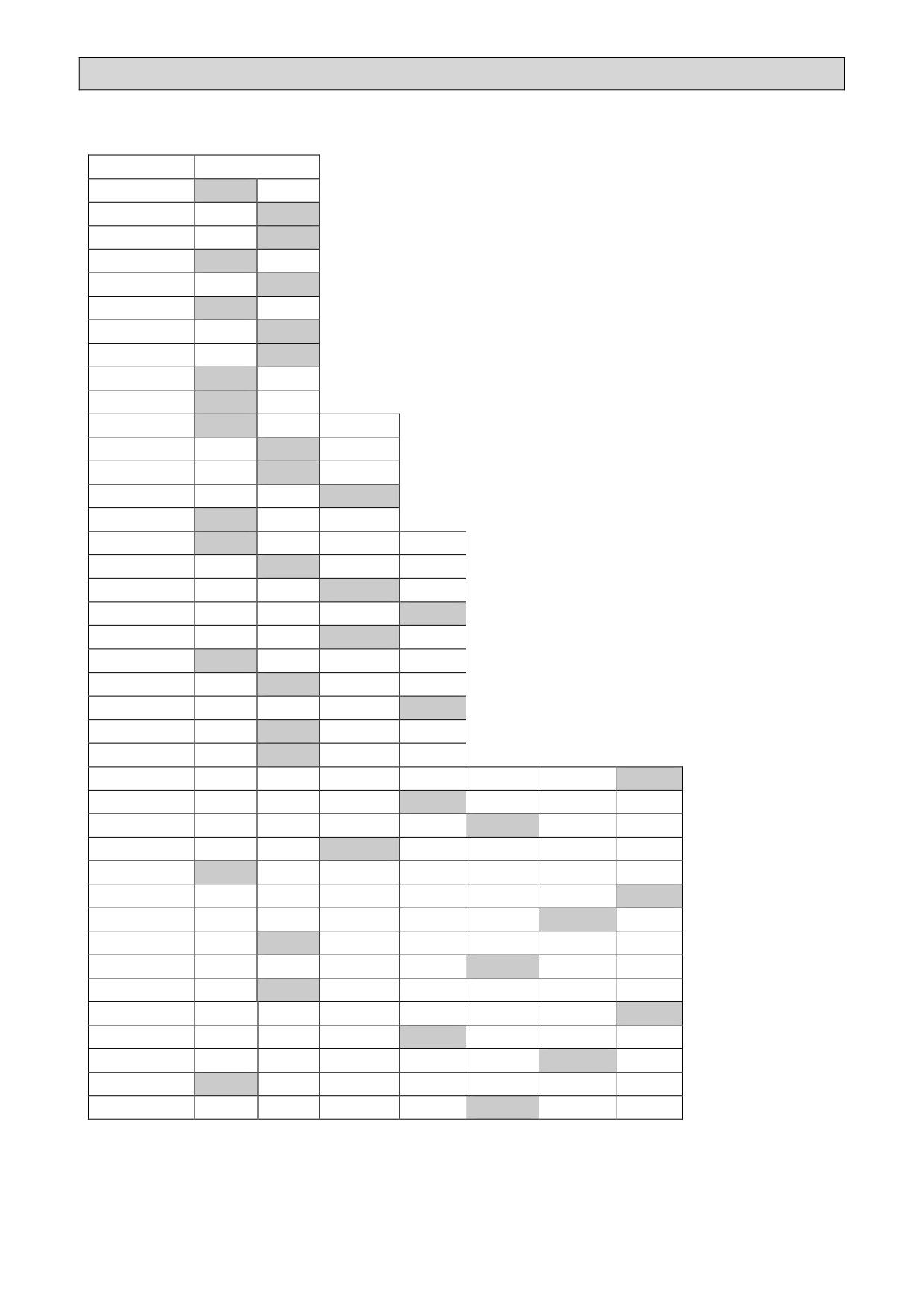
Listening & Reading
KEYS
Item #
1
A
B
2
A
B
3
A
B
4
A
B
5
A
B
6
A
B
7
A
B
8
A
B
9
A
B
10
A
B
11
A
B
C
12
A
B
C
13
A
B
C
14
A
B
C
15
A
B
C
16
A
B
C
D
17
A
B
C
D
18
A
B
C
D
19
A
B
C
D
20
A
B
C
D
21
A
B
C
D
22
A
B
C
D
23
A
B
C
D
24
A
B
C
D
25
A
B
C
D
26
A
B
C
D
E
F
G
27
A
B
C
D
E
F
G
28
A
B
C
D
E
F
G
29
A
B
C
D
E
F
G
30
A
B
C
D
E
F
G
31
A
B
C
D
E
F
G
32
A
B
C
D
E
F
G
33
A
B
C
D
E
F
G
34
A
B
C
D
E
F
G
35
A
B
C
D
E
F
G
36
A
B
C
D
E
F
G
37
A
B
C
D
E
F
G
38
A
B
C
D
E
F
G
39
A
B
C
D
E
F
G
40
A
B
C
D
E
F
G
Use of English Keys
1
forgeries
2
analysis
3
initial
4
documentation
5
caution
6
urn/ earn
7
idle/ idol
8
need/knead
9
reign/ rain
10
boarder/ border
11
look up to
12
giving away
13
put out
14
run down
15
put away
16
D
17
A
18
C
19
G
20
J
Утверждены на заседании центральной
предметно-методической комиссии всероссийской
олимпиады школьников по
английскому языку 27.02.2025 г.
(Протокол № 5)
Дополнения к критериям оценивания заданий регионального этапа
всероссийской олимпиады школьников
по английскому языку 2024-2025 учебного года
Use of English
В задании 2 в качестве правильных вариантов ответа засчитывать
следующие: analysis (дан в ключах)/ analyses (второй правильный
вариант);
в задании 4 в качестве правильных вариантов ответа засчитывать
следующие: documentation (дан в ключах)/ certification (второй
правильный вариант);
в задании 12 в качестве правильных вариантов ответа засчитывать
следующие: giving away (дан в ключах)/ to give away (второй
правильный вариант);
в задании 15 в качестве правильных вариантов ответа засчитывать
следующие: put away (дан в ключах)/ take in (второй правильный
вариант).

Дополнительная схема оценивания задания Writing
Вариант 1
(max. - 20 баллов)
Критерии
Параметры
0
1
2
3
1. Ответ участника написан в жанре заявки1 на
Есть
Нет
проект и в соответствующем заданию стиле
стилистические
стилистических
(официальном).
ошибки
ошибок
2-10. В заявке участника есть описание всех пунктов содержания:
2-3.
Заголовок и подзаголовки
Нет заголовка и
Есть заголовок, но
Есть заголовок И
подзаголовков
нет подзаголовков
подзаголовки
ИЛИ
нет заголовка, но
есть подзаголовки
4. Вступление
Нет
Есть
5-7.
Описание трех мероприятий в рамках
Нет
Описано 1
Описаны 2
Описаны 3
фестиваля
мероприятие
мероприятия
мероприятия
8. В описании мероприятий показана связь
Нет
Есть
между прошлым, настоящим и будущим
города
9. Описание положительных результатов
Нет
Есть
реализации проекта для жителей города
10. Заключение
Нет
Есть
1 1 0 баллов за РКЗ ставится, если
1) текст написан не в жанре заявки на проект, а в другом жанре (например, письма, эссе и т.д.);
2) отсутствуют все 7 аспектов КЗ;
3) написано менее 180 слов.

11. Текст заявки построен логично, в тексте
есть ошибки по
нет ошибок по
присутствуют и правильно используются
данному аспекту
данному аспекту
разнообразные средства логической
связи.
12. Текст заявки правильно разделен на
есть ошибки по
нет ошибок по
абзацы.
данному аспекту
данному аспекту
13-15. Лексическое оформление текста (К3).
5 и более ошибок
3-4 ошибки
1-2 ошибки
Нет ошибок
16-18. Грамматическое оформление текста (К4).
5 и более ошибок
3-4 ошибки
1-2 ошибки
Нет ошибок
19-20. Орфографическое и пунктуационное
4 и более ошибок
1-3 ошибки
Нет ошибок
оформление текста (К5).
(орфографических
(орфографических
(орфографических
и пунктуационных
и
и пунктуационных)
в сумме)
пунктуационных в
сумме)
Примечания: 1. При оценивании задания следует учитывать объем письменного текста. Требуемый объем в задании - 200-250 слов. Допустимое отклонение
от заданного объема составляет 10%. Если в выполненном задании менее 180 слов, то задание проверке не подлежит и оценивается в 0 баллов. При превышении
объема более, чем на 10% (более 275 слов), проверяются только первые 250 слов. Заголовок и подзаголовки учитываются при подсчете слов.
2. «0» баллов по критерию «Решение коммуникативной задачи» ставится, если формат написанного не соответствует заданному, т. е. написана не заявка
на проект, а текст в другом жанре, или не выполнены 7 аспектов РКЗ. При получении участником 0 баллов по критерию «Решение коммуникативной задачи»
все задание оценивается в 0 баллов.
3. При подсчете пунктуационных ошибок учитываются только следующие ошибки:
1) отсутствие точки в конце предложения;
2) отсутствие вопросительного знака в конце вопроса;
3) отсутствие запятой при перечислении или в сложносочиненном предложении;
4) отсутствие запятой при вводных словах;
5) отсутствие (или ошибка в употреблении) необходимых знаков препинания при прямой речи или цитировании;
6) наличие точки в конце заголовка или подзаголовка (точка после заголовка и подзаголовков считается однотипной ошибкой и считается один
раз).
4. При оценивании выполнения задания особое внимание уделяется способности участника продуцировать развернутое письменное высказывание. Если
более 30% ответа имеет непродуктивный характер (т. е. текстуально совпадает с опубликованным источником или источником в сети Интернет), то
выставляется «0» баллов по критерию «Решение коммуникативной задачи» и, соответственно, все задание оценивается в «0» баллов.
Всероссийская олимпиада школьников по английскому языку
2025 г. Региональный этап
AUDIO SCRIPT
Listening
Task 1
For items 1-10 listen to the talk about extensive reading and decide whether the
statements (1-10) are TRUE (A), or FALSE (B) according to the text you hear. You
will hear the text TWICE. You have 20 seconds to look through the items.
(pause 20 seconds)
Now we begin.
In the mid-nineties, two language researchers conducted an interesting experiment with a group of
students learning English at university. These students were retaking compulsory English courses
they had previously failed. In language tests, these students were far behind the other university
students. As most of these students disliked studying English, few expected any improvement. The
researchers put these students in a special class for the second term of their English course. The
class met for the same amount of time as the other English courses, but the teaching was very
different. At the end of the term, the students took another language test and the results were
surprising. In just one term, the students in the special class improved so much that their results in
the new tests were almost as good as those of the other students. Not only had their English
improved greatly, but many of these students, who used to dread English, now enjoyed the class.
What was the 'secret method' that produced such dramatic results in these previously reluctant
learners? The class was an extensive reading course. Extensive reading is simply reading a lot of
English at a fairly easy level. The students on the above-mentioned course spent almost all of their
class time simply reading enjoyable books. In study after study, researchers have found that
extensive reading can play a big part in successful language learning. In fact, one study
investigating language-learning strategies found that reading for pleasure and looking for
opportunities to read in English were the two factors most closely related to successful language
learning. It should come as no surprise that extensive reading helps students improve reading skills.
What is really surprising is how much extensive reading improves students' writing skills. In one
study, students on extensive reading programmes were evaluated as being 2-3 times better at
writing compared with students who did not read much, yet actually practised writing more! Many
other researchers have come to similar conclusions. Students who just read a lot can make equal
or greater progress in writing than students who actually practise writing, at least where beginner
and intermediate students are concerned.
Not only can extensive reading benefit reading and writing skills; it can also develop speaking and
listening skills, though to a lesser extent. Students who read a lot are more likely to speak well.
Other 55 researchers have found that students just reading graded readers improved in both fluency
and accuracy of expression in their speaking, even though they did very little speaking during the
course of the study.
Do you want to have a good score in a test like TOEFL? Perhaps you should start thinking about
extensive reading. Researchers have found that reading was a better predictor of TOEFL
performance than the number of years spent studying English or living in English-speaking
countries. Another study showed that students who only read enjoyable books consistently
improved their TOEFL scores, averaging 3-4 points in the test each week of reading.
1
Всероссийская олимпиада школьников по английскому языку
2025 г. Региональный этап
How is it that just reading can bring all these benefits? Extensive reading allows students to see
vocabulary and grammar in context over and over again, giving them the exposure they need to
understand, organize, remember, and use it. Extensive reading gives repetition of key language
items, both essential to successful language learning. In short, extensive reading provides a very
strong foundation on which to build language skills.
You have 20 seconds to check your answers.
(pause 20 seconds)
Now listen to the text again.
(text repeated)
You have 20 seconds to check your answers.
(pause 20 seconds)
Task 2
For items 11-15 listen to the conversation. Choose the correct answer (A, B or C)
to answer questions 11-15. You will hear the text only ONCE.
You now have 25 seconds to study the questions.
(pause 25 seconds)
Now we begin.
Tara: Can I have a word with you, Henry?
Henry: Sure, Tara.
T: I`m really behind with my coursework.
H: Are уou finding the course too difficult?
T: Not really. That's not the problem.
H: Well, is there something wrong at home?
T: Erm….
H: You can be frank with me, Таrа. I promise you, it won`t go any further.
T: Things have been quite difficult recently with…with my flatmates.
H: I must say, it might be a good idea to tell them how you feel.
T: I`m not sure. I mean ... I don't want to stop them enjoying themselves.
H: If I were you I’d just ask them to turn down the volume.
T: Well, I did ask them once and they turned it down. But they just started playing the music
loudly again the next night.
H: You might consider talking to your landlord about this. He probably doesn't know about this
noise problem.
T: Maybe, I suppose I could try talking to him.
H: And stop worrying about it. Things’ll get better, I’m sure about that.
This is the end of the listening comprehension part. You have 1 minute to
complete your answer.
(pause 1 minute)
2
Всероссийская олимпиада школьников по английскому языку
2025 г. Региональный этап
Integrated listening and reading
Read the text below, then listen to a talk on the same topic. You will notice that
some ideas coincide and some differ in them. Answer questions 16-25 by choosing
A if the idea is expressed in both materials, B if it can be found only in the
reading text, C if it can be found only in the audio-recording, and D if neither
of the materials expresses the idea.
Now you have 15 minutes to read the text below.
(pause 15 minutes)
Now listen to another text and then do the tasks (questions 16-25), comparing the text above
and the talk. You will hear the talk TWICE.
The Sherlock Holmes stories made a huge impression on me when I first read them, and the reason
is simple. Sherlock Holmes himself is a fascinating person… someone who we can admire. He`s
got a brilliant intellect and incredible analytical powers of observation - just by looking at people,
he can deduce all kinds of things about them and their lives. He’s supremely talented as a detective
and can solve the most difficult cases.
But he has human failings as well. He has character flaws, like he can be very arrogant - especially
in his relations with his sidekick, Dr Watson, who always accompanies him as a friend. Watson
accompanies him on most cases, and he isn't stupid, but Holmes is so brilliant! And he's a very
courageous person, especially when dealing with some very dangerous men. He's knowledgeable
and he’s talented musically. He often plays the violin when he's in an unhappy mood.
Не’s very believable as the main character in the stories. A lot of people think he really exists.
Tourists come to England and go to Baker Street to see where he lived; some don't realise he's a
fictitious character. And I suppose I think of him as a real character too. I feel I know him well.
When I was young, my uncle used to read extracts from the stories to me, and he could quote pages
of the stories by heart. I love Sherlock Holmes and re-read the stories many times.
You’ll hear the talk again in 30 seconds.
(pause 30 seconds)
Now listen to the talk again.
(Text repeated)
Now you have five minutes to finish the task and transfer your answers to the
answer sheet.
(pause 5 minutes)
3
Всероссийская олимпиада школьников по английскому языку
2025 г. Региональный этап
This is the end of the integrated task. Now you can start working on your
reading task.
4
Всероссийская олимпиада школьников по английскому языку
2025 г. Региональный этап
Карточка участника
Speaking
Set 1 Student 1
Preparation - 15 minutes
Presentation and questions - 10 minutes
Task 1
GREAT ENLIGHTENMENT MISSION
1. Monologue: Time 3 - 4 minutes
At the English Club meeting you are to present information concerning one of the
most outstanding Russian universities that has greatly influenced the course of
development of Russian science and history and has a great educational impact. As
‘an expert’ - advisor on university studies - present the key points of Set 1: Lomonosov
Moscow State University to your fellow students, who are interested in entering one
of the leading Russian Universities. Use the fact file to speak about the university:
History of Foundation
Location and Campus
Present-day Situation
Projects
Explain why this university can be regarded as one of the most attractive to study in
Russia. Give advice how to get prepared to enter the university.
2. Questions/ Answers: Time: 2- 3 minutes.
Answer 2 QUESTIONS from your partner - ‘a fellow student’, who wants to
get ADDITIONAL INFORMATION that you have not mentioned in your
presentation about the university. Make sure your answer is based on the information
from the fact file. If there is NO relevant information in the fact file, base your
answer on your best guess.
You can make notes during the preparation time, but YOU ARE NOT
ALLOWED TO READ them during the presentation.
Task 2
1. Listen to the presentation of your partner (Set 2: St Petersburg
University).
2. Questions/ Answers: Time: 2- 3 minutes
Ask
2 QUESTIONS about the university to get ADDITIONAL
INFORMATION not mentioned in the presentation. Yes/No questions and
questions about the opinion of your partner are NOT accepted.
YOUR ANSWERS WILL BE RECORDED
# 1. Lomonosov Moscow State University
History of
•
1755 - foundation by a decree of Empress Elizabeth of Russia
•
1755 - 1793 location in the Principal Medicine Store in Red Square
Foundation
•
1782 - 1793 location in the building (designed by M. Kazakov, after 1812 fire rebuilt by D. Giliari) in Mokhovaya Street
•
3 departments in the 18th c.: philosophy, medicine, law
•
1930 - medical education was separated from MSU
•
1940 - named after Mikhail Lomonosov, who played a key role in its establishment together with Ivan Shuvalov
•
1991 - a unique status, funded directly from state budget bypassing the Ministry of Education
•
Since 1953 most faculties are in Vorobiyevy Gory
Present-
•
A leading research university in Russia
•
5,000 academic staff, 40,000 undergraduates, 7,000 postgraduates
day
•
a leader in science and innovation with a wide range of programs in various fields, including natural sciences, engineering, social sciences, humanities, and
Situation
business
•
15 research institutes, 43 faculties, more than 300 departments and 6 branches with numerous educational programs in areas of: 1) Physics, mathematics and
IT, 2) Natural Sciences, 3) Humanities, 4) Economics and Public Administration
•
Notable Alumni: 13 Nobel laureates, 6 Field Medal winners
Location
•
Southwest Moscow, on the bank of the Moskva River: MSU beautiful green area campus
•
the 3 oldest buildings near the Kremlin: the faculties of Journalism, Psychology and Institute of Asian and African Countries
and
•
Main Building (MB - 36 storey building 240 m tall) - the tallest in Europe until 1990: administration offices, the Museum of Earth Sciences, faculties of
Campus
Mechanics and Mathematics, Geology, Geography, Fine and Performing Arts
•
Campus picturesque parks, Botanic Gardens and the Central Observation Area
•
great recreation and sport facilities: play grounds, swimming pool, gyms
•
7 MSU student dormitories, apartments for the academic staff
•
Well-equipped Modern University Library and research centers
• involvement in various research projects and initiatives
Projects
• collaboration with international universities and organizations
• hosting conferences, seminars, and other academic events
• access to cultural events, internships and job opportunities
Всероссийская олимпиада школьников по английскому языку
2025 г. Региональный этап
Карточка участника
Speaking
Set 2 Student 2
Preparation - 15 minutes
Presentation and questions - 10 minutes
Task 1
GREAT ENLIGHTENMENT MISSION
1. Listen to the presentation of your partner (Set 1: Lomonosov Moscow
State University).
2. Questions/ Answers: Time: 2 - 3 minutes
Ask
2 QUESTIONS about the university to get ADDITIONAL
INFORMATION not mentioned in the presentation. Yes/No questions and
questions about the opinion of your partner are NOT accepted.
Task 2
1. Monologue: Time 3 - 4 minutes
At the English Club meeting you are to present information concerning one of the
most outstanding Russian universities that has greatly influenced the course of
development of Russian science and history and has a great educational impact. As
‘an expert’ - advisor on university studies - present the key points of Set 2: St
Petersburg University to your fellow students, who are interested in entering one of
the leading Russian Universities. Use the fact file to speak about the university:
History of Foundation
Location and Campus
Present-day Situation
Projects
Explain why this university can be regarded as one of the most attractive to study in
Russia. Give advice how to get prepared to enter the university.
2. Questions/ Answers: Time: 2- 3 minutes.
Answer 2 QUESTIONS from your partner - ‘a fellow student’, who wants to
get ADDITIONAL INFORMATION that you have not mentioned in your
presentation about the university. Make sure your answer is based on the information
from the fact file. If there is NO relevant information in the fact file, base your
answer on your best guess.
You can make notes during the preparation time, but YOU ARE NOT
ALLOWED TO READ them during the presentation.
YOUR ANSWERS WILL BE RECORDED
# 2. St Petersburg University
History of
•
1724 foundation of the St. Petersburg Academy
•
1804 -1819 officially disbanded as the new St Petersburg Academy Charter stipulated no educational institutions affiliated with it
Foundation
•
1819 reorganization of the Main Pedagogical Institute with its Twelve Collegia building into Saint Petersburg University (three faculties: Faculty of
Philosophy and Law, Faculty of History and Philology and Faculty of Physics and Mathematics)
•
1821 - 1917 St Petersburg Imperial University
•
1824 - the first charter of the Saint Petersburg Imperial University (a modified version of the charter of Moscow University)
•
1918 - 1939 Petrograd University
•
1948 Soviet Period - Leningrad State University
•
1992 St Petersburg University
•
leading research university in Russia, known for its strong academic programs in various fields (natural sciences, social sciences, humanities, and
Present-
engineering)
day
•
24 specialized faculties (departments) and institutes, the Academic Gymnasium, the Medical College, the College of Physical Culture and Sports, Economics
Situation
and Technology
•
13,000 Administrative staff; 26,872 undergraduates, 5,566 postgraduates
•
a global leader in science and innovation
•
a wide range of undergraduate and graduate programs in various fields (natural sciences, engineering, social sciences, humanities, and business)
•
Notable Alumni: 9 Nobel laureates, Chess Champion, famous writers
Location
•
St. Petersburg
•
2 primary campuses (urban) on Vasilievsky Island in the historic city center and in Peterhof (1996 - new southwestern suburban campus)
and
•
Main Building (Twelve Collegia): the Library, the Faculty of Biology, the Institute of Earth Sciences
Campus
•
Park area Sergievka in the Peterhof Campus - Faculty of Biology
•
The new suburban campus in Peterhof: Faculty of Applied Mathematics and Control Processes, Institute of Chemistry, Faculty of Mathematics and
Mechanics, and Faculty of Physics
Projects
•
access to cultural events, internships and job opportunities
•
big annual projects on Mega-grants from Russian Government projects for high-technology production
•
various international events: conferences, seminars, research initiatives
• collaboration with international universities and organizations
Всероссийская олимпиада школьников по английскому языку
2025 г. Региональный этап
Карточка участника
Speaking
Set 3 Student 1
Preparation - 15 minutes
Presentation and questions - 10 minutes
Task 1
GREAT ENLIGHTENMENT MISSION
1. Monologue: Time 3 - 4 minutes
At the English Club meeting you are to present information concerning one of the
most outstanding Russian universities that has greatly influenced the course of
development of Russian science and history and has a great educational impact. As
‘an expert’ - advisor on university studies - present the key points of Set 3: Kazan
Federal University to your fellow students, who are interested in entering one of the
leading Russian Universities. Use the fact file to speak about the university:
History of Foundation
Location and Campus
Present-day Situation
Projects
Explain why this university can be regarded as one of the most attractive to study in
Russia. Give advice how to get prepared to enter the university.
2. Questions/ Answers: Time: 2- 3 minutes.
Answer 2 QUESTIONS from your partner - ‘a fellow student’, who wants to
get ADDITIONAL INFORMATION that you have not mentioned in your
presentation about the university. Make sure your answer is based on the information
from the fact file. If there is NO relevant information in the fact file, base your
answer on your best guess.
You can make notes during the preparation time, but YOU ARE NOT
ALLOWED TO READ them during the presentation.
Task 2
1. Listen to the presentation of your partner (Set 4: Far Eastern Federal
University).
2. Questions/ Answers: Time: 2- 3 minutes
Ask
2 QUESTIONS about the university to get ADDITIONAL
INFORMATION not mentioned in the presentation. Yes/No questions and
questions about the opinion of your partner are NOT accepted.
YOUR ANSWERS WILL BE RECORDED
# 3. Kazan (Volga region) Federal University
History of
•
1804 foundation as Imperial Kazan University, the 2-nd oldest existing university in Russia
•
Before Tomsk University was founded, the University of Kazan used to be the easternmost university in the Russian Empire, it was thus serving Volga, Kama,
Foundation
and Ural regions, Siberia and the Caucasus
•
1825 - construction of the Main Building of the university
•
1830 - Main Campus with the Library Building, Chemical Laboratory, dissection facilities, astronomical observatory, and clinics, with all scientific faculties
organised into a number of research schools: mathematical, chemical, medical, geological
•
2011 a federal status
Present-
•
4,400 academic staff; 50,200 students
•
a leader in science and innovation with a wide range of undergraduate and graduate programs in various fields, including natural sciences, engineering, social
day
sciences, humanities, and business
Situation
•
3 Languages - Russian, Tatar, English
•
15 institutes, 1 faculty, 1 higher school with numerous educational programs in areas of: 1) Physics, mathematics and IT, 2) Natural Sciences, 3) Humanities,
4) Economics and Public Administration,
•
3 branches in Naberezhnye Chelny, Yelabuga and Jizzakh
•
Co-user of the RTT-150 telescope at the TÜBİTAK National Observatory in Turkey
•
KFU - in Kazan, dynamic city in the Volga region with its Main Building Yard: the central administrative offices, the Anatomical Theatre, the Library,
Location
chemistry and physics laboratories, and the Observatory
and
•
Main Campus - in downtown Kazan, 10 minutes away from the Kazan Kremlin
Campus
•
KFU dormitory campus - in the Universiade Village, built for participants of the XXVII World Summer Universiade 2013
•
All the premises of Kazan University - in Tatarstan, Karachay-Cherkessia, Karelia, Mari El, and some other provinces and in other countries
•
since 2013 a participant of the Academic Excellence Project of the Russian Ministry of Education and Science coordinated by the Government of the RF
Projects
•
since 2021 Russia’s new academic excellence project member
•
annual participant of Mega-grants from Russian Government projects for high-technology production, important to the region's economy: 1) Neurobiology; 2)
Oil and Chemistry; 3) Innovative Technologies and Software; 4) Photorecording materials; 5) Pharmaceutics and Medical Industry
•
various international events: conferences, seminars, research initiatives

Всероссийская олимпиада школьников по английскому языку
2025 г. Региональный этап
Карточка участника
Speaking
Set 4 Student 2
Preparation - 15 minutes
Presentation and questions - 10 minutes
Task 1
GREAT ENLIGHTENMENT MISSION
1. Listen to the presentation of your partner (Set 3: Kazan Federal
University).
2. Questions/ Answers: Time: 2 - 3 minutes
Ask
2 QUESTIONS about the university to get ADDITIONAL
INFORMATION not mentioned in the presentation. Yes/No questions and
questions about the opinion of your partner are NOT accepted.
Task 2
1. Monologue: Time 3 - 4 minutes
At the English Club meeting you are to present information concerning one of the
most outstanding Russian universities that has greatly influenced the course of
development of Russian science and history and has a great educational impact. As
‘an expert’ - advisor on university studies - present the key points of Set 4: Far
Eastern Federal University to your fellow students, who are interested in entering
one of the leading Russian Universities. Use the fact file to speak about the
university:
History of Foundation
Location and Campus
Present-day Situation
Projects
Explain why this university can be regarded as one of the most attractive to study in
Russia. Give advice how to get prepared to enter the university.
2. Questions/ Answers: Time: 2- 3 minutes.
Answer 2 QUESTIONS from your partner - ‘a fellow student’, who wants to
get ADDITIONAL INFORMATION that you have not mentioned in your
presentation about the university. Make sure your answer is based on the information
from the fact file. If there is NO relevant information in the fact file, base your
answer on your best guess.
You can make notes during the preparation time, but YOU ARE NOT
ALLOWED TO READ them during the presentation.
YOUR ANSWERS WILL BE RECORDED
# 4. Far Eastern Federal University
History of
•
1899 the Eastern Institute for oriental studies and training for administrative, commercial and industrial institutions in the Far East (east Asian part of Russia
and adjacent areas) (established by Nicholas II)
Foundation
•
1920 Far Eastern University
•
1930 closed
•
1956 reopened
•
2008 decree reformed FEFU merging with 3 educational establishments: Eastern State Technical University (FESTU), Pacific State University of Economics
(TSUE) and Ussuriysk State Pedagogical Institute (USPI)
•
Now integrates 2 models: a) research university with international exchange of advanced research and expertise, b) the entrepreneurial university, training for
competitively developing sectors of the national economy
•
innovation science leader with a wide range of undergraduate and graduate programs in various fields, including natural sciences, engineering, social sciences,
Present-
humanities, and business
day
•
41,000 students
Situation
•
gathering place for scientific communication between Russian and international experts
•
active participant in socio-economic and cultural development of the Russian Far East
•
collaboration with research, education and innovative centers across the Asia-Pacific region
•
10 schools - 150 educational programs in areas of technological development: 1) Oriental Institute - School of Regional and International Studies, 2) School
of Economics and Management, 3) School of Education, 4) Institute of Biotechnology, Bioengineering and Food Systems, 5) School of Arts and Humanities,
6) School of Law, 7) School of Medicine and Life Sciences, 8) Institute of the World Ocean, 9) Institute of Mathematics and Computer Technologies, 10)
Institute of High Technologies and Advanced Materials
•
Vladivostok, Primorsky Krai
Location
•
2013 - new FEFU purpose-built campus with world-class infrastructure after 2012 APEC summit in the Russky Island area of Vladivostok connected to the
and
city by a bridge
Campus
•
800,000 square meter single-campus University with recreational opportunities of Russky Island’s forests
•
large-scale innovative projects important to the region's economy (the Far Eastern Federal University Science and Technology Park, which aims to promote
Projects
entrepreneurship and innovation in the region)
•
international events Host (the Eastern Economic Forum) for economic and social issues in the Asia-Pacific region
•
participant of the Academic Excellence Project 5-100 state program of the Russian Ministry for Education and Science
•
FEFU Alumni Association brings together FEFU alumni of all generations
•
FEFU Endowment Foundation to promote relations of the University with the industry and alumni

№ УЧАСТНИКА
Аспект 1. Участник говорит об истории создания
университета.
Аспект 2. Участник говорит о современном состоянии
университета.
Аспект 3. Участник говорит о местонахождении и
территории университета.
Аспект 4. Участник говорит о проектах, в которых
участвует университет.
Аспект 5. Участник приводит аргументы, почему
данный
университет
является
наиболее
привлекательным для обучения в России.
Аспект 6. Участник объясняет, что необходимо делать
для поступления в этот университет.
Аспект
1. Участник задает вопрос
12 по теме
выступления для получения дополнительной
информации, которая не была озвучена выступающим
в своей презентации.
Аспект
2. Участник задает вопрос
2 по теме
выступления для получения дополнительной
информации, которая не была озвучена выступающим
в своей презентации.
Аспект 3. Участник дает логичный и фактически
правильный ответ на вопрос 1 собеседника.3
Аспект 4. Участник дает логичный и фактически
правильный ответ на вопрос 2 собеседника.
Аспект 5. Участник соблюдает нормы вежливости при
ведении диалога с собеседником.
Пункт
1. Презентация участника не содержит
логических ошибок.

Пункт
2.
В презентации участника имеются
вступление и заключение.
Пункт 3. Средства логической связи присутствуют и
используются правильно.
4. Лексика
1-2 ошибки -2 балла
(макс. 2 балла)
3-4 ошибки - 1 балл
5 и более ошибок - 0 баллов
5. Грамматика
1-2 ошибки - 2 балла
(макс. 2 балла)
3-4 ошибки - 1 балл
5 и более ошибок - 0 баллов
6. Фонетика
1-2 ошибки - 2 балла
(макс. 2 балла)
3-4 ошибки - 1 балл
5 и более ошибок - 0 баллов
ИТОГОВЫЙ БАЛЛ
1 Если участник читает свое выступление по своим записям, а не говорит свободно, за весь ответ участника ставится «0» баллов. Участнику ставится «0» баллов
за ответ, если он читает свои записи более 50% времени своего монолога.
2 Участник должен задавать специальные вопросы по теме презентации. Общие вопросы и вопросы, связанные с мнением собеседника, не засчитываются.
3 Формулировка типа “Sorry, I don’t know, I’ll look it up on the Internet and come to you later.” - не может быть принята в качестве правильного варианта ответа и оценивается
в «0» баллов. От участника ожидается ответ с использованием информации из факт файла. Если в факт файле нет запрашиваемой информации, засчитывается как
правильный фактически неточный, но вероятный (не абсурдный) ответ.
Всероссийская олимпиада школьников по английскому языку
2025 г. региональный этап
Карточка члена жюри
На подготовку ответа участнику дается 15 минут. Во время подготовки ответа
участник получает текст задания и факт-файл с информацией об одном из
ведущих университетов России на английском языке.
Через 15 минут начинается ответ пары участников.
1. В конкурсе устной речи участвуют 2 члена жюри.
2. Все инструкции участникам конкурса устной речи даются на английском языке.
3. Члены жюри приглашают к своему столу пару участников.
Пары составляются методом случайной подборки.
(Подробнее о процедуре проведения конкурса см. Требования)
I Разминка
Каждому участнику задается 1 - 2 вопроса для того, чтобы снять напряжение, расположить их к
беседе и подготовить к выполнению устного задания олимпиады.
Время, отводимое на данный этап задания
-
1 - 2 минуты.
Разрешены вопросы типа:
• Why should students carefully choose the university to study at?
• What famous Russian universities do you know?
• Where is it possible to find information about the terms and conditions to study at a university?
• Why are you interested in getting higher education?
• What information do you need to get about the university before you make up your mind to study
there?
Внимание! Не допускаются вопросы, которые направлены на выяснение фамилии
участника, номера школы, в которой учится участник, региона проживания и т.д.
II ОСНОВНОЕ ЗАДАНИЕ
Основное задание для каждого участника состоит из двух частей:
Часть 1. По заданию школы, участник 1 делает сообщение для членов английского
клуба школы по одному из известнейших русских университетов, сообщая
исторические факты его создания, освещая современное положение дел,
рассказывает о его местоположении, кампусе и проектах, в которых участвует
университет по основным пунктам таблицы задания в карточке, используя при
1
подготовке факт-файл. Выступающий сообщает слушателям необходимую
информацию о том, почему данный университет считается одним из лучших для
обучения в России и дает советы о том, как подготовиться к поступлению в
университет.
Время выступления: 2 - 3 минуты. Перед участником конкурса ставится задача обязательно
прокомментировать в своем выступлении все указанные 4 аспектa из сводной таблицы при
использовании информации, представленной в факт-файле на английском языке.
History of Foundation
Location and Campus
Present-day Situation
Projects
Внимание! Если участник читает свое выступление по своим записям, а не говорит свободно, за
весь ответ участника ставится «0» баллов. Участнику ставится «0» баллов за ответ, если он читает
свои записи более 50% времени своего монолога.
Часть 2. Вопросы - ответы. Участник 2 после прослушанной презентации, сделанной Участником
1, задает 2 вопроса своему партнеру. При этом запрашиваемая информация в вопросах к
выступавшему должна носить уточняющий характер и не повторяться с той, которая прозвучала в
презентации. Участник должен задавать специальные вопросы по теме презентации. Общие
вопросы и вопросы, связанные с мнением собеседника, не засчитываются. Формулировка типа
“Sorry, I don’t know, I’ll look it up on the Internet and come to you later.” - не может быть принята в
качестве правильного варианта ответа и оценивается в «0» баллов. От участника ожидается ответ с
использованием информации из факт-файла. Если в факт-файле нет запрашиваемой информации,
засчитывается как правильный фактически неточный, но вероятный (не абсурдный) ответ.
Время вопросов/ ответов: 2 - 3 минуты.
Затем участники меняются ролями. Общее время ответа пары: 12 - 15 минут.
До перерыва:
Set 1: Lomonosov Moscow State University
Set 2: St Petersburg University
После перерыва:
Set 3: Kazan Federal University
Set 4: Far Eastern Federal University.
Члены жюри могут дополнительно задать любому участнику вопросы по ходу его ответа, если есть
необходимость простимулировать ответ или выступление.
В том случае, если один из партнеров не дает высказываться своему собеседнику и вместо вопроса
начинает высказывать свою точку зрения, т.е. вместо вопросов звучат утверждения, члены жюри
2
обязаны вмешаться и предложить выступающему быть внимательным относительно условия
задания.
Выступления участников записываются на электронный носитель. Запись включается в момент
начала ответа на задание 1. Перед началом и по окончании ответа члены жюри записывают
идентификационные номера участников прошедшей пары: «Это были номер ХХХХХХ и номер
ХХХХХХ.»
Если остается трое участников, следует предложить одному из 3-х оставшихся участников
дважды выполнить две разные роли в образовывающихся таким образом разных парах: А + В и А +
С. Ответ этого участника оценивается только один раз в первой паре.
3
Всероссийская олимпиада школьников по английскому языку
2025 г.
заключительный этап
стр. 1 из 8
Listening and Reading
Time: 1 hour 15 minutes
LISTENING
Task 1
For items 1-10 listen to a lecture given by Assistant Professor in the Marketing unit at
Harvard Business School. Decide whether the statements (1-10) are TRUE (A), or
FALSE (B) according to the text you hear. You will hear the text TWICE.
1.
The researchers focused on the fact that money never makes people happier.
A. True
B. False
2.
According to the speaker, purchasing a brand-new gadget can’t buy you as much
happiness as giving it as a present to another person.
A. True
B. False
3.
The bigger the total amount of money people spend on philanthropy, the happier
they are.
A. True
B. False
4.
In the long run, the surveyed in one study were positively affected by the amount
of their perks.
A. True
B. False
5.
Pocket change spent in a noble way proved to boost one’s well-being.
A. True
B. False
6.
Previous extensive research proved poor people are happier when they become
reasonably wealthy.
A. True
B. False
7.
The effect of earnings on happiness is stronger when a well-off person becomes
more prosperous.
A. True
B. False
8.
According to the speaker, a pay raise may affect family relationships.
A. True
B. False
Всероссийская олимпиада школьников по английскому языку
2025 г.
заключительный этап
стр. 2 из 8
9. The researchers tested the correlation between being informed about prosocial
spending and happiness among university students.
A. True
B. False
10. Knowledge about prosocial spending slightly reduced its positive effect.
A. True
B. False
Task 2
For items 11-15 listen to a conversation answer the questions. Choose the correct
answer (A, B or C) to answer questions 11-15. You will hear the text only ONCE.
11. Bridget attended her school reunion
A. last month.
B. last week.
C. 15 years ago.
12. At the school reunion Bridget talked
A. only to the people she knew.
B. to Judith only.
C. to different classmates.
13. What is TRUE about Judith?
A. People feel reluctant to talk to her.
B. She is a gloomy and moody person.
C. She avoids talking to people.
14. Judith told Bridget about her
A. peaks and valleys.
B. tremendous ex-husband.
C. dreadful medical condition.
15. Bridget promised Judith to
A. stay in contact.
B. write her biography.
C. give the e-mail to her.
Всероссийская олимпиада школьников по английскому языку
2025 г.
заключительный этап
стр. 3 из 8
INTEGRATED LISTENING AND READING
Task 3
Read the text below, then listen to a talk on the same topic. You will notice that some
ideas coincide and some differ in them. Answer questions 16-25 by choosing A if the
idea is expressed in both materials, B if it can be found only in the reading text, C if
it can be found only in the audio-recording, and D if neither of the materials
expresses the idea.
Now you have 7 minutes to read the text.
Txting: the gr8 db8 by David Crystal
A linguist finds text messaging nothing to fear, discovers Tom Lamont
In his study of text messaging culture, linguist David Crystal asks us to picture the
investors' meeting when the mobile phone was first unveiled. We’ve created a
method of calling anybody, anytime, anywhere, the inventors might have said. Phone
home from the middle of a field or hear the voice of a loved one atop Everest! One
more thing: we want to put in a facility that allows people to thumb a message of no
more than 160 characters, in case they want to communicate that way instead.
"In a logical world, text messaging should not have survived," writes Crystal and he
is right. It is ugly, clunky and retrogressive. Yet the "short message service", or SMS,
thrived during the mobile telecommunications boom and 250 billion SMS texts had
been sent worldwide by 2001.
Such rapid and widespread adoption, inevitably, pinged panic radars, especially given
the phenomenon's popularity with teenagers. People are afraid that all these
abbreviations, initialisations and smiley faces are fatally corrupting the English
writing skills. Might people forget how to communicate without a keypad?
These are the essentials of the book's "gr8 db8". Crystal's answers are convincing,
particularly when he quotes clever "text message poetry" as proof that relentless
word-shortening and a strict character count needn't limit linguistic craft. Besides, he
suggests, Britain's moral panic brigade should be thankful that trends here haven't
developed as they have in Japan, where teenagers enjoy a ritual called keitai dating,
sitting around a table in near-silence to flirt by SMS. Or Italy, where texting
vernacular has become so robotic it just about realises Orwell's newspeak, the plus
sign replacing the superlative ending "-issimo", so that a heartfelt "I miss you so
much", or "mi manchi tantissimo", is rendered "mmt+".
Всероссийская олимпиада школьников по английскому языку
2025 г.
заключительный этап
стр. 4 из 8
It all adds up to a jolly meditation, helped by the enthusiasm of a linguist revelling in
newly coined lingo. Oddly, Crystal apologises for being unable to gather much of his
own statistical data; it is hard, he says, to get participants to hand over such private
information. But this is still a fun trot through little-mapped territory.
Now listen to a talk made by a Columbia University professor and then do the
tasks (questions 16-25), comparing the text above and the talk. You will hear the
talk TWICE.
16. The linguist believes texting is a creative tool.
17. The linguist has published a dissertation on texting.
18. People tend to perceive texting as a threat to the development of writing skills.
19. British teenagers are as overwhelmed by texting as the Japanese ones.
20. A scarcity of material prevents the linguist from deeper analysis.
21. Texting gave birth to new pragmatic particles.
22. European teenagers have developed a texting lingo similar to fictional language
from a dystopian novel.
23. The linguist uses an original term to describe texting.
24. Texting develops bilingualism.
25. Texting is widespread among young people.
READING
Task 4
Read the text and answer questions 26-40 below.
Being a Writer and a Restaurateur
It was only meant to be for a year. The restaurant was hardly top of my ambition.
As a time-poor novelist and mother of three, the very last thing I needed was another
commitment to take me away from my desk. But I also knew that my comfortable
London life as a freelance writer and stay-at-home mother was only possible because
Всероссийская олимпиада школьников по английскому языку
2025 г.
заключительный этап
стр. 5 из 8
my husband Tony was our family’s main bread winner. So when he was made
redundant from his loathed job in IT, I felt I owed it to him to help realize something
he had his heart set on.
Don’t get me wrong: since childhood I liked restaurants as much as the next
foodie and I could appreciate the provocative 26) … and simplicity of Italian cuisine,
which left the dishonest cook nowhere to hide. But I was also a child of the 70s and
had been brought up in London by a restless Tuscan mother who not only didn’t cook,
but who believed the very worst fate that could befall a woman was to be tied to the
stove. As a result, when I was growing up we most often ended up with having TV
dinners and nuked convenience food. And it wasn’t until I travelled to Rome in my
twenties and met Tony that I started to understand the beauty and transcendence of
sitting around a table.
After we moved to West London’s Queen’s Park in 1996, I spotted the place.
The pretty, Grade II listed (in the UK, a listed building is a structure of particular
architectural or historic interest deserving special protection) Victorian corner shop that
had been a greengrocer’s, then a Lebanese café, then had stood empty for years. I would
invent reasons to take a detour past the empty shop, which was in an estate of Gothic
Victorian cottages only two streets from our house. Using a combination of Tony’s
redundancy package and a substantial loan against our house, we applied for licences
and permits, finally bought it and named after Tony’s mother Ida, even though,
ironically, she disliked - and even distrusted - food prepared outside the home. So that
when the word Ida was hand-painted above the door, I sighed with pleasure, almost as
though the building had finally been restored to its 27) … owners.
However, we were 28) … unprepared for what awaited us. There, in a nutshell,
you have the relationship between a novice restaurateur and chef. Who did we think
we were to lord it over people who had been doing this job for years? Thus, while we
might have known what we wanted for our restaurant, we ended up deferring to our
chefs, at least in the beginning, because they held all the cards.
What we hadn't reckoned on was how exhausting it would be keeping those
fragile egos in check. In hindsight, all our chefs had a number of qualities in common:
most were undisciplined adrenaline-junkies, hot-headed drifters who yearned for the
quasi-military discipline to be found in a brigade - entirely lacking in our open-plan
kitchen, where there is no hierarchy and every meltdown happens in full view of the
customers, as though on a stage. Diners can watch the chef and sous-chef shoving each
other out of the way during a rush or observe the checks being bumped either forward
or backwards on the grabber.
Всероссийская олимпиада школьников по английскому языку
2025 г.
заключительный этап
стр. 6 из 8
Thankfully, after a while, we've toughened up a bit. We've learnt to dial the
drama down a notch, both in the kitchen and dining room. We learned to couch our
suggestions and criticisms in the most craven terms, so as to not induce pique, and tried
not to take sides when arguments broke out between the chefs and the waiting staff
(which happened with dismaying regularity).
At the same time, home and family life began to feel like yet another arena of
conflict. Cortisol and adrenaline pulsed through our veins as Tony and I barked
instructions at each other about packed lunches and after-school clubs, while our three
children started to feel like yet another logistical problem that needed managing. Isotta,
Livio and Fiametta have been through a lot in the past eight years, things like losing
their childhood home as we eventually had to sell the house. We talked, too, about
selling the business instead, however, when it came to the crunch, all three begged us
not to sell. At the same time, right in the middle of their exams, we moved house. Tony
got a new teaching job at college, so the kids had to work shifts at Ida, and overall
learned how to do without many luxuries during those rough times. The way the kids
went through all those 29) … was proof that they had backbone, that they didn’t use
the difficulties we had been through as an excuse to go off the rails.
Yet, as the months and years passed, we all started to grow 30) … to this strange,
people-filled new life. Ida began to feel like a second home to all of us. Being a
restaurateur is like being a London cab driver: you never know who will walk through
your door. Looking around the candle-lit dining room, I would overhear snatches of
conversation and my imagination would go into overdrive, trying to work out whether
the couple in the corner were married or not or whether the quiet girl in a group knew
that the others were talking over her. To me, as a novelist, all that humanity is grist to
my mill, and I find I love the burst of sociability in the evening after a solitary day’s
writing at my desk.
Today, Ida is part of our family’s DNA. It turned out to be the grit in our oyster,
but I like to think that it produced a pearl.
Questions 26-30
In some of the paragraphs a word is missing. These words in a DIFFERENT
WORD FORM are listed below:
custom
heave
plain
Всероссийская олимпиада школьников по английскому языку
2025 г.
заключительный этап
стр. 7 из 8
right
woe
DERIVE NEW WORDS from the given words to fill in the gaps 26-30.
Questions 31-35
Are the statements 31-35 true, false or not given? If a statement is true, circle A on
your answer sheet. If it is false, circle B on your answer sheet. If it is not given, circle
C on your answer sheet.
31. Simona’s mother taught her daughter to relish the experience of home-cooked meals.
32. At the start of the restaurant business the proprietors rejected whatever the chefs
suggested.
33. Initially running the restaurant led to friction within the family.
34. The family had to move to rented accommodation to keep the restaurant.
35. Being a restaurateur made Simona give up her writing career.
Questions 36-40
For questions 36-40 choose one answer A, B, C or D which best fits according to the
text.
36. Simona decided to open a family restaurant because she
A) wanted to sustain the family’s comfortable life in the capital.
B) craved for being another bread winner in the family.
C) wished to test herself by a challenging commitment.
D) decided to consummate her husband’s dream.
37.Simona remembers that in her childhood,
A) she was a gourmet and could savour fine cuisine.
B) she believed cooking was an indispensable skill to master.
C) her mother cooked using recipes from famed TV chefs.
D) family dinners taught her to savour every moment of the gathering.
38.What is NOT TRUE about the chosen restaurant venue?
Всероссийская олимпиада школьников по английскому языку
2025 г.
заключительный этап
стр. 8 из 8
A)It was legally protected from being demolished, extended or significantly
altered.
B)It was bought with a sizeable amount borrowed from the bank using the property
as pledge security.
C)The family had to take another mortgage to pay for the building.
D)Simona used every pretext to pass by the building of their restaurant-to-be.
39.The chefs employed by the restaurateurs
A) instilled military-like discipline and pecking order among sous-chefs.
B) insisted on an open-kitchen layout for diners to watch them.
C) turned the cooking process into a theatrical performance to get more tips.
D) were unruly risk takers and control freaks in the kitchen.
40. The restaurateurs adapted their communication style
A) by becoming more assertive and straight-forward.
B) by offering feedback in a more fainthearted manner.
C) by completely avoiding disagreements.
D) by involving both sides in critical arguments.
TRANSFER ALL YOUR ANSWERS TO YOUR ANSWER SHEET
Всероссийская олимпиада школьников по английскому языку
2025 г.
заключительный этап
стр. 1 из 4
Use of English
Time: 1 hour 15 minutes
Task 1
For items 1 to 10, you are provided with the first half of one compound word
and the second half of another. Figure out the word that completes both. The
first example (0) is done for you.
Example: 0. Super_____ power
0.
- man
1. Drug_____
front
2. Pawn_____
keeper
3. Buck______
paste
4. Turn_____
cloth
5. Stove_____
line
6. Wall_____
pot
7. Bell_____
scotch
8. Ear______
leader
9. Fire_____
pit
10.Bird______
robe
Task 2
For items 11 to 20, guess what each puzzle is saying. You have to use your
imagination and think critically to solve the puzzles. In some cases, you will have
to think of appropriate synonyms to replace some words to make up a saying or
a proverb. In some items, explanation is provided.
The first TWO examples (0, 00) are done for you.
Examples: 0.
HE ADA CHE
0.
- SPLITTING HEADACHE
00.
T
LIVING
00. - LIVING IT UP
Всероссийская олимпиада школьников по английскому языку
2025 г.
заключительный этап
стр. 2 из 4
11.
ABCDE
A WEEK
FGHIJ
A WEEK
KLMNO
A WEEK
PQRSUW
A WEEK
XYZ
12.
______
ENTURY (idiomatic expression, suggests happiness or excitement at seeing the
other person again)
13.
GOLDEN GATE
H2O
(idiomatic expression)
14.
PETE PETE ACHE
PETE PETE
15.
STANDS
0_ 23456
16.
CHA WHO WHO
RGE
17.
GOT GOT HEROES HEROES
GOT GOT HEROES HEROES HEROES HEROES
HEROES HEROES
HEROES HEROES
18. SIGH________ (idiomatic expression when one expects the thing to continue indefinitely)
19.
EEE
E ARRIVE
EEE
E DEPART
(idiomatic expression)
Всероссийская олимпиада школьников по английскому языку
2025 г.
заключительный этап
стр. 3 из 4
20
GONE
GONE
GONE
GONE
END
(idiomatic expression)
Task 3
For items 21- 30, unscramble the given abbreviations and, using the suggested
hints in brackets, write down the correct forms of the abbreviations and their
full equivalents. The first example (0) is done for you.
Example: 0. YCK (Nice to meet you!) - KYC - Know Your Customer/ Client
21. MIT (Don’t tell me more!)
22. DBT (We don’t know yet)
23. TEA (When do we land?)
24. SPG (Where am I?)
25. PET (I don’t work much)
26. KAA (In other words…)
27. CAT (Do something!)
28. BND (Take it easy!)
29. MOW (Coming soon)
30. HMS (Seriously?)
Task 4
For items 31-40, match the numbered posts (column 1) with their lettered
descriptions (column 2). Some descriptions are not needed.
Всероссийская олимпиада школьников по английскому языку
2025 г.
заключительный этап
стр. 4 из 4
1
2
31. Chancellor of the
A. the most important official in the legal system of England
Exchequer
and Wales, who gives legal advice to the King, chooses new
judges, and decides whether or not a law needs to be changed.
32. Solicitor
This official is also an important member of the UK
33. Chief Mouser to
government.
the Cabinet Office
B. one of the officials who takes part in the ceremony for
34. The Speaker of the
opening the British Parliament each year and whose job is to
House
go to the House of Commons and tell its members to come to
the House of Lords so that they can hear the King's speech
35. Black Rod
C. a judge who judges less serious cases in lower law courts
36. District Attorney
D. the British Minister of Finance
37. Barrister
E. a lawyer in Britain who can argue cases in the higher law
38. Prime Minister in
courts
waiting
F. a US lawyer who works for the government in a particular
39. Magistrate
area and who is responsible for bringing people who may be
40. Spokesman
criminals to court
G. the politician who controls discussions in the US Lower
Chamber
H. a lawyer in Britain who gives legal advice, prepares the
necessary documents when property is bought or sold, and
defends people, especially in the lower courts of law
I. the title of the official resident cat of 10 Downing Street
J. a person who has been chosen to speak officially for a
group, organization, or government
K. a Leader of the Opposition in Britain
L. a political or government leader, especially one who is
respected as being wise and fair
TRANSFER ALL YOUR ANSWERS TO YOUR ANSWER SHEET
Всероссийская олимпиада школьников по английскому языку
2025 г.
заключительный этап
Writing
Time: 1 hour 15 minutes
An English language magazine invites young people to participate in a writing
competition. The participant must write a text based on the following premise:
A young man gets into the future world 50 years from now which is ruled by artificial
intelligence. Occasionally he finds out that AI still does not understand jokes. He
writes a letter to his friends in the real world describing the situation AI fails to
understand and gives advice to the people living at the present time.
You decide to take part and write the letter in the name of the young man.
The letter should contain
•
the information about how you got into the future,
•
the description of your impressions,
•
a joke based on pun - a humorous use of a word that has two meanings or
that sounds like another word - which is not understood by AI,
•
advice to the people living at the present time.
Write 220-250 words. Don’t write any postal addresses and dates. Underline the
pun.
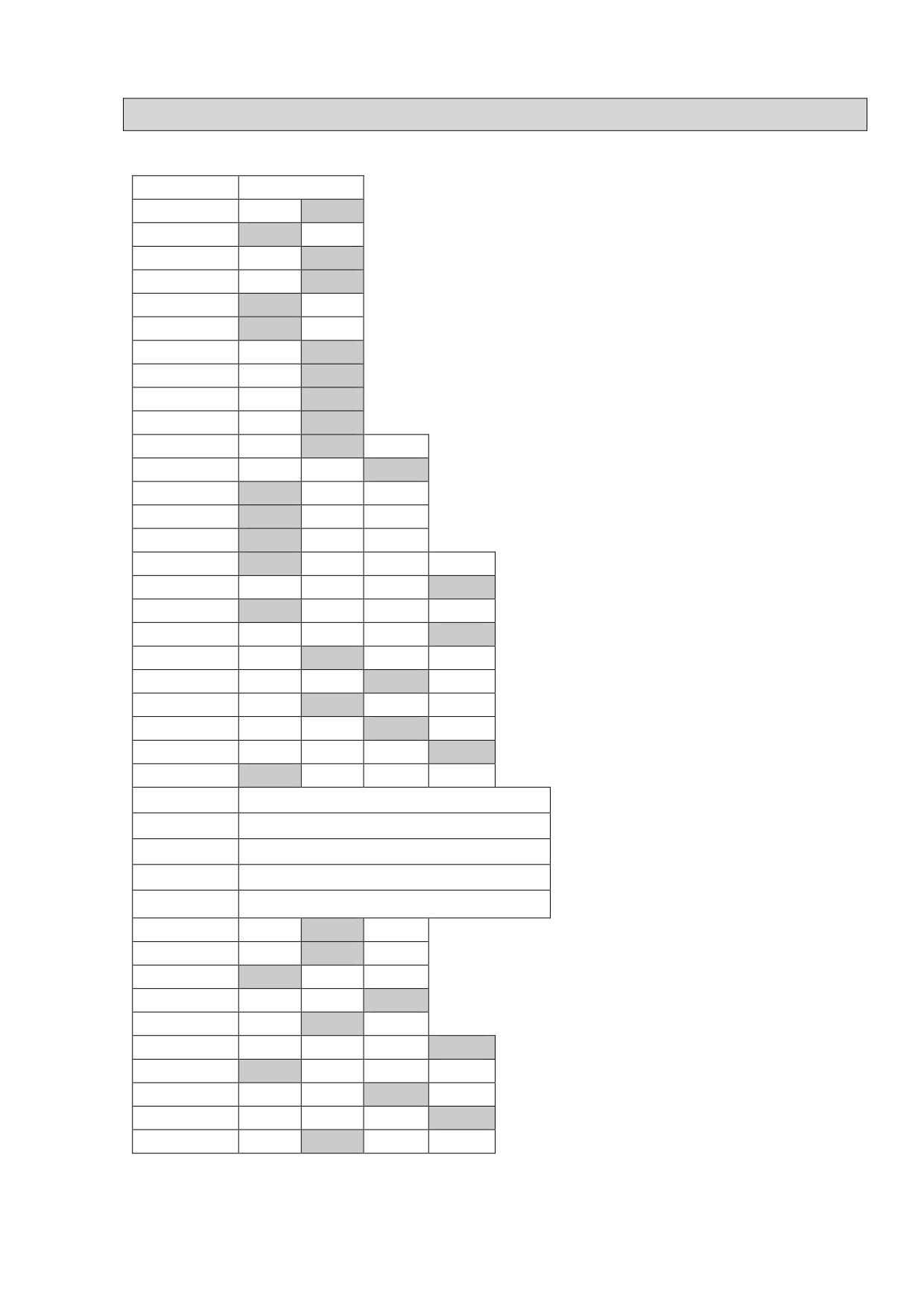
Всероссийская олимпиада школьников по английскому языку
2025 г.
заключительный этап
стр. 1 из 1
Listening and Reading
KEY
Item #
1
A
B
2
A
B
3
A
B
4
A
B
5
A
B
6
A
B
7
A
B
8
A
B
9
A
B
10
A
B
11
A
B
C
12
A
B
C
13
A
B
C
14
A
B
C
15
A
B
C
16
A
B
C
D
17
A
B
C
D
18
A
B
C
D
19
A
B
C
D
20
A
B
C
D
21
A
B
C
D
22
A
B
C
D
23
A
B
C
D
24
A
B
C
D
25
A
B
C
D
26
plainness
27
rightful
28
woefully
29
upheavals
30
accustomed
31
A
B
C
32
A
B
C
33
A
B
C
34
A
B
C
35
A
B
C
36
A
B
C
D
37
A
B
C
D
38
A
B
C
D
39
A
B
C
D
40
A
B
C
D

Всероссийская олимпиада школьников по английскому языку
2025 г.
заключительный этап
стр. 1 из 1
Use of English
1
STORE
2
SHOP
3
TOOTH
4
TABLE / OVER / PIN
5
PIPE / TOP
6
FLOWER
7
HOP
8
RING
9
ARM / COCK / GUN
10
BATH
11
NO TV FOR A WEEK / FOUR WEEKS WITHOUT TV
12
LONG TIME NO SEE
13
WATER UNDER THE BRIDGE / WATER UNDER A BRIDGE
14
FOR PETE’S SAKE
15
NO ONE UNDERSTANDS / NO-ONE UNDERSTANDS
WHO’S IN CHARGE / WHO IS IN CHARGE
16
TO WHO’S IN CHARGE / TO WHO IS IN CHARGE
17
FORGOTTEN HEROES
18
NO END IN SIGHT
19
EASY COME EASY GO
20
FOREGONE CONCLUSION / GONE FOR GOOD
21
TMI - Too Much Information
22
TBD - To Be Determined / To Be Decided
ETA - Estimated Time of Arrival / Expected Time of Arrival
23
EAT - Estimated Arrival Time / Expected Arrival Time
24
GPS - Global Positioning System
25
PTE - Part-Time Employee / Part-Time Employment
26
AKA - Also Known As
27
CTA - Call To Action
28
NBD - No Big Deal
29
OMW - On My Way
30
SMH - Shaking My Head
31
A
B
C
D
E
F
G
H
I
J
K
L
32
A
B
C
D
E
F
G
H
I
J
K
L
33
A
B
C
D
E
F
G
H
I
J
K
L
34
A
B
C
D
E
F
G
H
I
J
K
L
35
A
B
C
D
E
F
G
H
I
J
K
L
36
A
B
C
D
E
F
G
H
I
J
K
L
37
A
B
C
D
E
F
G
H
I
J
K
L
38
A
B
C
D
E
F
G
H
I
J
K
L
39
A
B
C
D
E
F
G
H
I
J
K
L
40
A
B
C
D
E
F
G
H
I
J
K
L

КРИТЕРИИ ОЦЕНИВАНИЯ РАЗДЕЛА «ПИСЬМО»
Максимальное количество баллов: 20
Внимание! При оценке 0 по критерию «Решение коммуникативной задачи» выставляется общая оценка 0.
РЕШЕНИЕ
ОРГАНИЗАЦИЯ
ЯЗЫКОВОЕ ОФОРМЛЕНИЕ (максимум 8 баллов)
КОММУНИКАТИВНОЙ ЗАДАЧИ
ТЕКСТА
(максимум 7 баллов)
(максимум 5 баллов)
Лексика
Грамматика
Орфография и
(максимум 3 балла)
(максимум 3 балла)
пунктуация
(максимум 2 балла)1
Коммуникативная задача полностью
5 баллов
3 балла
3 балла
2 балла
выполнена: содержание отражает все
Работа не имеет ошибок
Участник демонстрирует
Участник демонстрирует
аспекты, указанные в задании.
с точки зрения
богатый лексический запас,
грамотное и уместное
Участник демонстрирует
необходимый для раскрытия
употребление
уверенное владение
организации.
темы, точный выбор слов и
грамматических структур.
навыками орфографии и
Объем работы либо соответствует
адекватное владение
Работа не имеет
пунктуации.
заданному, либо отклоняется от
лексической сочетаемостью.
грамматических ошибок.
заданного не более чем на 10% в
Работа не имеет ошибок с
Работа не имеет ошибок с
сторону увеличения или уменьшения
точки зрения орфографии
точки зрения лексической
(198-275 слов).2
и пунктуации.
сочетаемости.
Коммуникативная задача
4 балла
2 балла
2 балла
выполнена не полностью:
Участник демонстрирует
Участник демонстрирует
Требования по одному из
содержание отражает не все аспекты,
богатый лексический запас,
грамотное и уместное
пунктов данного критерия
указанные в задании.
необходимый для раскрытия
употребление
в работе не выполнены
темы, точный выбор слов и
грамматических структур.
(есть ошибки).
адекватное владение
В работе имеются 1-2
лексической сочетаемостью.
незначительные
В работе имеются 1-2
(негрубые)
грамматические ошибки,
незначительные (негрубые)
лексические ошибки, не
не затрудняющие
понимание текста.
затрудняющие понимание
текста.
1 При подсчете ошибок по данному критерию орфографические и пунктуационные ошибки складываются.
2 Если объем работы отклоняется от заданного более чем на 10% в сторону увеличения (более 275 слов), проверке подлежат только первые 250 слов.

3 балла
В работе не выполнены
требования по двум
пунктам данного критерия
(есть ошибки).
2 балла
В работе не выполнены
требования по трем
пунктам данного критерия
(есть ошибки).
1 балл
1 балл
1 балл
1 балл
Участник демонстрирует
В работе имеются 3-4
В тексте присутствуют
В работе не выполнены
лексический запас,
грамматические ошибки.
орфографические И
требования по четырем
необходимый для раскрытия
пунктуационные ошибки
пунктам данного критерия
темы.
(1-3 в сумме).
(есть ошибки).
В работе имеются 3-4
лексические ошибки.

Не выполнена коммуникативная
0 баллов
0 баллов
0 баллов
0 баллов
задача (отсутствуют 7 аспектов,
В работе не выполнены
Участник демонстрирует
В тексте присутствуют
В тексте присутствуют
формат написанного не соответствует
требования по пяти
крайне ограниченный
многочисленные
многочисленные
заданию, то есть текст написан в
пунктам данного
словарный запас. Или:
грамматические ошибки
орфографические и
другом жанре)
критерия (есть ошибки).
имеются многочисленные
(5 и более).
пунктуационные ошибки
ошибки (5 и более) в
(4 и более в сумме).
И/ИЛИ
употреблении лексики.
Объем письменного текста менее 198
слов.
И/ИЛИ
Более 30% ответа имеет
непродуктивный характер.
Примечания:
1. При оценивании выполнения задания особое внимание уделяется способности участника продуцировать развернутое письменное высказывание. Если
более 30% ответа имеет непродуктивный характер (т. е. текстуально совпадает с опубликованным источником или источником в сети Интернет), то
выставляется «0» баллов по критерию «Решение коммуникативной задачи» и, соответственно, все задание оценивается в «0» баллов.
2. Текст задания должен быть написан понятным почерком. Неясные элементы текста, вызванные непонятным почерком, оцениваются как лексические
ошибки.
Всероссийская олимпиада школьников по английскому языку
2025 г. Заключительный этап
AUDIO SCRIPT
Listening
Task 1
For items 1-10, listen to a lecture given by Assistant Professor in the Marketing unit at Harvard
Business School. Decide which of the statements (1-10) are True according to the text you hear
(A) and which are False (B). You will hear the text TWICE. You have 20 seconds to look through
the items.
(pause 20 seconds)
Now we begin.
One of the most puzzling paradoxes in social science is that although people spend so much of
their time trying to make more money, having more money doesn’t seem to make them that much
happier. My colleagues Liz Dunn and Lara Aknin - both at the University of British Columbia -
and I wondered if the issue was not that money couldn’t buy happiness, but that people simply
weren’t spending it in the right way to make themselves happier. Liz had the great idea of exploring
whether, if we encouraged people to spend money in different ways, we could uncover the domains
in which money might lead to happiness. We conducted a number of studies in which we showed
that money can buy happiness, when people spend that money prosocially on others (for example,
giving gifts to friends, donating to charities, etc.) rather than on themselves (say, buying flat-screen
televisions).
So, what are the psychological factors involved when it comes to individuals and the feelings they
encounter when they are giving away their money? Does it matter how wealthy they are? We found
that it was the relative percentage of their money that people spend on others - rather than the
absolute amount - that predicted their happiness. We did a study to look at the happiness of 16
employees of a Boston-based company before and after they received bonuses of between $3,000
and $8,000. This showed that the size of the bonus that people received had no impact on their
long-term happiness.
It was the percentage of that bonus they spent on others that increased their well-being. In another
study, we showed that spending as little as $5 over the course of a day, on another person, led to
demonstrable increases in happiness. In other words, people needn’t be wealthy and donate
hundreds of thousands of dollars to charity to experience the benefits of prosocial spending; small
changes - a few dollars reallocated from oneself to another - can make a difference. Of course,
many of us equate having money with happiness, and a large body of research does show that
people become happier as they move from being very poor to lower middle class, but after this
point the impact of income on happiness is much weaker. Think of someone who makes $100,000
one year and $110,000 the next - do we really expect this additional income suddenly to make this
person fulfilled, without a care in the world? Being informed about a raise certainly makes us
happy, but the $10,000 doesn’t make our siblings or in-laws any less difficult to deal with over the
course of the following year. Although people believe that having money leads to happiness, our
research suggests that this is only the case if at least some of that money is given to others. We
had one final question. We wanted to know whether knowing about the effect of prosocial
spending might erase it, if people engaged in prosocial spending in a calculated manner in order
to get happy. We conducted a research project in conjunction with the New York Times in which
readers who had been told about our findings were invited to complete a brief survey in which
they reported their happiness, as well as how much money they’d spent on others and on
themselves so far that day. Consistent with our previous research, we found that spending more on
others was associated with greater happiness among this sample of approximately 1,000 New York
Times readers, even though the respondents had been exposed to our previous findings.
Всероссийская олимпиада школьников по английскому языку
2025 г. Заключительный этап
You have 20 seconds to check your answers.
(pause 20 seconds)
Now listen to the text again.
(text repeated)
You have 20 seconds to check your answers.
(pause 20 seconds)
Task 2
For items 11-15 listen to a conversation and answer the questions. Choose the correct answer (A,
B or C) to answer questions 11-15. You will hear the text only ONCE.
You now have 25 seconds to study the questions.
(pause 25 seconds)
Now we begin.
M = Mark, B = Bridget
M: Hey, Bridget. How was your school reunion? Wasn’t that last weekend?
B: Yeah, yeah .., it was good. Well, it was OK - only that I didn't recognize quite a lot of the
people and...
M: Well, it has been nearly 15 years.
B: Yeah, I know, and boy do some people change! You know, I’d find myself talking to
someone who obviously knew who I was and I hadn’t a clue who they were.
M: And I don’t suppose you could have asked.
B: No, how rude would that have been? Oh, but I did recognize Judith. The dreaded, jolly Judith.
She hasn’t changed at all.., unfortunately! I tried to avoid her but she sought me out.
M: So?
B: So, I’m like, 'Hello Judith, how are you?' Big mistake because then of course I get it from her
- every detail of the last 15 years - you know, her ups and downs, her two failed marriages - no
surprise there! - her fabulous third husband, the operation on her sinuses, the time she was made
redundant, etc., etc. Yeah, go on, quiz me about Judith! I could write her biography.
M: I bet you promised to keep in touch though.
B: Well, you have to, don’t you?
M: You hypocrite!
B: Ah, but I managed to get away before giving my email address or mobile number.
M: Oh, well done!
This is the end of the listening comprehension part. You have 1 minute to complete your
answer.
Integrated listening and reading
Read the text below, then listen to a talk on the same topic. You will notice that some ideas
coincide and some differ in them. Answer questions 16-25 by choosing A if the idea is
expressed in both materials, B if it can be found in the reading text only, C - if it can be
found in the audio recording only, D - if neither of the materials expresses the idea.
Всероссийская олимпиада школьников по английскому языку
2025 г. Заключительный этап
Now you have 7 minutes to read the text below.
(pause 7 minutes)
Now listen to a talk made by a Columbia University professor and then do the tasks (16-25),
comparing the text above and the talk. You will hear the talk TWICE.
We always hear that texting is a scourge. The idea is that texting spells the decline and fall of any
kind of serious literacy, or at least writing ability, among young people in the United States and
now the whole world today. The fact of the matter is that it just isn't true, and texting is a miraculous
thing, it helps to create new meanings. In order to see texting in another way we have to look at
what language really is, in which case, one thing that we see is that texting is not writing at all.
What do I mean by that?
Texting is very loose in its structure. What texting is, despite the fact that it involves the brute
mechanics of something that we call writing, is “fingered speech”. And in order to understand it,
what we want to see is the way, in this new kind of language, there is a new structure coming up.
For example, there is in texting a convention, which is LOL. Now LOL, we generally think of as
meaning "laughing out loud." And of course, theoretically, it does, and if you look at older texts,
people used it to actually indicate laughing out loud. But if you text now, you'll notice that LOL
does not mean laughing out loud anymore. It's evolved into something that is much subtler. LOL
is being used in a very particular way. It's a marker of empathy. It's a marker of accommodation.
We linguists call things like that pragmatic particles. Any spoken language that's used by real
people has them. If you happen to speak Japanese, think about that little word "ne" that you use at
the end of a lot of sentences. If you listen to the way black youth today speak, think about the use
of the word "yo." Whole dissertations could be written about it, and probably are being written
about it. A pragmatic particle, that's what LOL has gradually become. It's a way of using the
language between actual people.
And so, the way I'm thinking of texting these days is that what we're seeing is a whole new way
of writing that young people are developing and creating, which they're using alongside their
ordinary writing skills, and that means that they're able to do two things. Increasing evidence is
that being bilingual is cognitively beneficial. That’s also true of being bidialectal. That’s certainly
true of being bidialectal in terms of your writing. And so, texting actually is evidence of a balancing
act that young people are extensively using today, not consciously, of course, but it's an expansion
of their linguistic repertoire.
So, in closing, if I could go into the future, I would ask ‘Please show me a sheaf of texts written
by 16-year-old girls, because I would want to know where this language had developed since our
times.’
You’ll hear the talk again in 30 seconds.
(pause 30 seconds)
Now listen to the talk again.
(Text repeated)
Now you have five minutes to finish the task and transfer your answers to the answer sheet.
This is the end of the integrated task. Now you can start working on your reading task.
Всероссийская олимпиада школьников по английскому языку
2025 г. Заключительный этап
Карточка участника
Speaking
Set 1 Student 1
Preparation - 15 minutes
Presentation and questions - 10 minutes
Task 1
The Future is Now
1. Monologue: Time 3 - 3,5 minutes, depending on the duration of a video clip.
As ‘a guide’, you take your fellow students from your English Club to an International Motor
Show giving them a unique opportunity to immerse themselves into the world of automobiles,
exploring the latest designs and technology. Using the video and information from the fact file,
speak about the Concept Cars (Set 1 STUDENT 1: Concept Cars):
Evolution of Iconic Vehicles: Historical
Current Innovations
Background
Technology Overview: Design and
Potential Impact on Transportation,
Engineering Principles
Leisure, and Environment
Explain why Car Shows are important and need to be attended by enthusiasts. Synchronize your
presentation with the video.
2. Questions/ Answers: Time: 2 - 3 minutes.
Answer 2 QUESTIONS from your partner - ‘a fellow student’ about the Concept Cars. Make
sure your answer is based on the information from the fact file. If there is NO relevant
information in the fact file, base your answer on your best guess. You have 1 to 2 minutes to
answer each question.
You can make notes during the preparation time, but YOU ARE NOT ALLOWED TO READ
them during the presentation.
Task 2
1. Listen to the presentation of your partner (Set 2 STUDENT 2: Flying Cars).
2. Questions/ Answers: Time: 2- 3 minutes
Ask 2 QUESTIONS about the Flying Cars to get ADDITIONAL INFORMATION not
mentioned in the presentation. You should only use WH-questions (special questions). Questions
about the opinion of your partner are NOT accepted.
YOUR ANSWERS WILL BE RECORDED
CONCEPT CARS (СС)
Этапы эволюции КК:
1) Ранний (1800 - 1900-е): первые самодвижущиеся паровые и бензиновые модели; 2) Экспериментальные модели (1920 - 1950-е): функциональный
Эволюция
дизайн и новые технологии (автоматические трансмиссии - коробки передач, улучшенная аэродинамика); 3) Золотая эпоха креативности КК (1960 -
Концепт-Каров
1970-е): модели - иконы времени на автошоу; 4) Экологичные концепты (1980 - 1990-е): электромобили и гибридные модели на альтернативных
(КК)
источниках энергии; 5) Технологические инновации с интеллектуальными системами (2000 - 2025): автономное вождение, интеграция с
мобильными устройствами; 6) Будущее КК: использование новых источников энергии и новых форм мобильности.
КК - экспериментальная площадка для инноваций, формирующая облик будущего личного транспорта.
КК - предварительные модели с инновационными технологиями для внедрения в производство будущих направлений дизайна, технологий и
Используемые
функциональности.
технологии:
▪ Типы Двигателей:
Технические
1) Бензиновые, мощность (power) 70 - 800 лошадиных сил (л.с. - horsepower hp); 2) Дизельные, мощность 100 - 600 л.с.; 3) Гибридные, сочетающие
характеристики
бензиновый или дизельный двигатели с электромотором; 4) Электрические на аккумуляторах, мощность от 60 до 1000 л.с.
принципов
▪ Конструкция и Механизмы:
работы
1) Рама кузова КК из легких материалов снижает массу, повышая эффективность, улучшая аэродинамику; 2) Новые Тормозные Системы
повышают безопасность; 3) Электроника интегрирует системы автономного вождения, датчиков, камер для сбора данных о траффике, предоставляет
двигателя,
информационно-развлекательные системы.
конструкция и
▪ Аэродинамика и Дизайн созданы для улучшения аэродинамических характеристик и топливной эффективности.
механизм
КК - платформа для экспериментов с новыми технологиями для последующей интеграции в массовое производство.
Mercedes-Benz Vision AVTR, Lo Res, BMW Circular, Audi насыщены инновациями будущего автомобилестроения, отражают тренд использования
возобновляемой энергии.
Общие тенденции
▪ Оригинальные решения: электрификация, подключенные системы и автоматизация вождения делают автомобили менее зависимыми от
Последние
традиционных источников энергии.
инновационные
▪ Интерактивные интерьеры: акцент на взаимодействие человека и машины (управление машиной без руля, не прикасаясь руками к приборам) с
разработки
концентрацией на комфорте и возможностью узнавать пользователя, выполняя его запросы.
▪ Экологичность: уменьшение экологического вреда благодаря использованию альтернативных источников энергии, переработанных
материалов, умных технологий.
КК представляют собой продвинутые визуализации будущего автомобилестроения, где экология, технологии и пользовательский опыт соединяются
для создания автомобильного будущего. Они не только прототипы, но и платформы для производственных решений.
КК играют важную роль в трансформации автомобилестроения, влияя на экологию, транспорт и свободное времяпровождение.
▪ Развитие транспорта: Автономное вождение повышает безопасность и эффективность передвижения в городской инфраструктуре, снижая
Потенциальное
заторы.
воздействие на
▪ Свободное времяпрепровождение: Подключенные автомобили высвобождают время от управления, способствуя изменениям в досуге и
систему развития
превращая поездки в возможность работы и отдыха.
транспорта,
▪ Экологическое воздействие: Использование электрических и гибридных двигателей снижает выбросы, что улучшает качество воздуха.
досуга, экологию
Производители, такие как BMW и Mercedes, применяют переработанные материалы, сокращая ресурсные затраты и строительные отходы.
КК - шаг к устойчивому и удобному будущему, влияют на качество жизни и гармонию с природой.

Критерии оценивания заданий в разделе «Устная речь» (максимальное количество баллов: 20)
Внимание! Если участник читает свое выступление по своим записям, а не говорит свободно, за весь ответ участника ставится «0» баллов.
При оценке «0» по критерию «РКЗ Монолог» выставляется общая оценка «0».
РЕШЕНИЕ КОММУНИКАТИВНОЙ ЗАДАЧИ
ОРГАНИЗАЦИЯ
ЯЗЫКОВОЕ ОФОРМЛЕНИЕ РЕЧИ
РЕЧИ
(максимум 3
балла)
МОНОЛОГ
ДИАЛОГ
Лексическое
Грамматическое
Фонетическое
(6 баллов)
(5 баллов)
оформление речи
оформление речи
оформление речи
(2 балла)
(2 балла)
(2 балла)
6
Коммуникативная
задача
полностью выполнена: цель
общения успешно достигнута,
тема раскрыта в заданном
объеме (6 аспектов задания
раскрыты полностью):
Выполнение задания
1-4. В выступлении участника
прокомментированы
все
пункты задания (4 пункта).
5.
В своем выступлении
участник
приводит
требуемую аргументацию.
6.
Выступление участника
синхронизировано с видео
роликом (начало и конец
выступления совпадают по
времени с видео отрывком) и
стиль
презентации
соответствует
критериям
виртуальной экскурсии.
5
Коммуникативная задача
5 аспектов задания по
выполнена не полностью: не
диалогу:
раскрыт 1 аспект задания.
1-2. Участник задает два
специальных вопроса по теме

выступления для получения
дополнительной информации,
которая не была озвучена
выступающим
в
своих
комментариях. 1
3-4.
Участник дает два
логичных
и
фактически
правильных
ответа
на
поставленные вопросы.2
5. Участник соблюдает нормы
вежливости при ведении
диалога с собеседником.
4
Коммуникативная задача
Коммуникативная задача по
выполнена не полностью: не
диалогу выполнена не
раскрыты 2 аспекта
полностью: не раскрыт 1
задания.
аспект задания. Участник не
может задать один вопрос или
дать один ответ. ИЛИ задан
вопрос, ответ на который
прозвучал в речи
собеседника. ИЛИ участник
допускает отдельные
фактические ошибки в ответе.
ИЛИ не соблюдаются нормы
вежливости при
взаимодействии с
собеседником.
3
Коммуникативная задача
Коммуникативная задача по
3 пункта:
выполнена частично: не
диалогу выполнена не
1. Презентация
раскрыты 3 аспекта
полностью: не раскрыты 2
участника логична.
задания.
аспекта задания.
2. В презентации
участника имеются
1 Участник должен задавать специальные вопросы по теме презентации. Общие вопросы и вопросы, связанные с мнением собеседника, не засчитываются.
2 Формулировка типа “Sorry, I don’t know, I’ll look it up on the Internet and come to you later.” - не может быть принята в качестве правильного варианта ответа и
оценивается в «0» баллов. От участника ожидается ответ с использованием информации из факт-файла. Если в факт файле нет запрашиваемой информации,
засчитывается как правильный фактически неточный, но вероятный (не абсурдный) ответ.

вступление и
заключение,
соответствующие
теме.
3. Средства
логической связи
используются
правильно.
2
Коммуникативная задача
Коммуникативная задача по
Не выполнены
Словарный запас
В речи участника
В речи участника нет
выполнена частично не
диалогу выполнена частично:
требования (есть
участника богат,
возможны 1 - 2
фонематических
раскрыты 4 аспекта
не раскрыты 3 аспекта
ошибка/ ошибки) по
разнообразен и адекватен
грамматические
ошибок. В речи
задания.
задания.
одному пункту
поставленной задаче. В
ошибки.
участника возможны
организации речи.
речи участника
1 - 2 фонетические
возможны 1 - 2
ошибки. Беглый темп
лексические ошибки.
речи.
1
Коммуникативная задача
Коммуникативная задача по
Не выполнены
Словарный запас
В речи участника
Речь участника в
выполнена в ограниченном
диалогу выполнена частично:
требования по двум
участника в основном
присутствуют 3 - 4
целом понятна,
объеме: не раскрыты 5
не раскрыты 4 аспекта
пунктам
соответствует
грамматические
участник допускает
аспектов задания.
задания.
организации речи.
поставленной задаче,
ошибки.
отдельные (3 - 4)
однако имеются 3 - 4
фонетические
лексические ошибки.
ошибки. Медленный
темп речи.
0
Коммуникативная задача не
Коммуникативная задача по
Не выполнены
В речи участника
В речи участника
Понимание речи
выполнена: Отказ от ответа
диалогу не выполнена: Отказ
требования по трем
присутствуют
присутствуют
участника затруднено
или не раскрыты 6
от выполнения задания по
пунктам
многочисленные (5 и
многочисленные (5 и
из-за большого
аспектов задания или
диалогу или не раскрыты 5
организации речи.
более) лексические
более)
количества
участник читает свое
аспектов задания.
ошибки. Словарного
грамматические
фонетических и
выступление по своим
запаса не хватает для
ошибки.
фонематических
записям.3
общения в соответствии
ошибок (5 и более).
с заданием.
3 При оценке «0» по данному критерию выставляется общая оценка «0» за конкурс устной речи. Участнику ставится «0» баллов за ответ, если он читает свои записи
более 50% времени своего монолога.
Всероссийская олимпиада школьников по английскому языку
2025 г. Заключительный этап
Карточка участника
Speaking
Set 1 Student 1
Preparation - 15 minutes
Presentation and questions - 10 minutes
Task 1
The Future is Now
1. Monologue: Time 3 - 3,5 minutes, depending on the duration of a video clip.
As ‘a guide’, you take your fellow students from your English Club to an International Motor
Show giving them a unique opportunity to immerse themselves into the world of automobiles,
exploring the latest designs and technology. Using the video and information from the fact file,
speak about the Concept Cars (Set 1 STUDENT 1: Concept Cars):
Evolution of Iconic Vehicles: Historical
Current Innovations
Background
Technology Overview: Design and
Potential Impact on Transportation,
Engineering Principles
Leisure, and Environment
Explain why Car Shows are important and need to be attended by enthusiasts. Synchronize your
presentation with the video.
2. Questions/ Answers: Time: 2 - 3 minutes.
Answer 2 QUESTIONS from your partner - ‘a fellow student’ about the Concept Cars. Make
sure your answer is based on the information from the fact file. If there is NO relevant
information in the fact file, base your answer on your best guess. You have 1 to 2 minutes to
answer each question.
You can make notes during the preparation time, but YOU ARE NOT ALLOWED TO READ
them during the presentation.
Task 2
1. Listen to the presentation of your partner (Set 2 STUDENT 2: Flying Cars).
2. Questions/ Answers: Time: 2- 3 minutes
Ask 2 QUESTIONS about the Flying Cars to get ADDITIONAL INFORMATION not
mentioned in the presentation. You should only use WH-questions (special questions). Questions
about the opinion of your partner are NOT accepted.
YOUR ANSWERS WILL BE RECORDED
CONCEPT CARS (СС)
Этапы эволюции КК:
1) Ранний (1800 - 1900-е): первые самодвижущиеся паровые и бензиновые модели; 2) Экспериментальные модели (1920 - 1950-е): функциональный
Эволюция
дизайн и новые технологии (автоматические трансмиссии - коробки передач, улучшенная аэродинамика); 3) Золотая эпоха креативности КК (1960 -
Концепт-Каров
1970-е): модели - иконы времени на автошоу; 4) Экологичные концепты (1980 - 1990-е): электромобили и гибридные модели на альтернативных
(КК)
источниках энергии; 5) Технологические инновации с интеллектуальными системами (2000 - 2025): автономное вождение, интеграция с
мобильными устройствами; 6) Будущее КК: использование новых источников энергии и новых форм мобильности.
КК - экспериментальная площадка для инноваций, формирующая облик будущего личного транспорта.
КК - предварительные модели с инновационными технологиями для внедрения в производство будущих направлений дизайна, технологий и
Используемые
функциональности.
технологии:
▪ Типы Двигателей:
Технические
1) Бензиновые, мощность (power) 70 - 800 лошадиных сил (л.с. - horsepower hp); 2) Дизельные, мощность 100 - 600 л.с.; 3) Гибридные, сочетающие
характеристики
бензиновый или дизельный двигатели с электромотором; 4) Электрические на аккумуляторах, мощность от 60 до 1000 л.с.
принципов
▪ Конструкция и Механизмы:
работы
1) Рама кузова КК из легких материалов снижает массу, повышая эффективность, улучшая аэродинамику; 2) Новые Тормозные Системы
повышают безопасность; 3) Электроника интегрирует системы автономного вождения, датчиков, камер для сбора данных о траффике, предоставляет
двигателя,
информационно-развлекательные системы.
конструкция и
▪ Аэродинамика и Дизайн созданы для улучшения аэродинамических характеристик и топливной эффективности.
механизм
КК - платформа для экспериментов с новыми технологиями для последующей интеграции в массовое производство.
Mercedes-Benz Vision AVTR, Lo Res, BMW Circular, Audi насыщены инновациями будущего автомобилестроения, отражают тренд использования
возобновляемой энергии.
Общие тенденции
▪ Оригинальные решения: электрификация, подключенные системы и автоматизация вождения делают автомобили менее зависимыми от
Последние
традиционных источников энергии.
инновационные
▪ Интерактивные интерьеры: акцент на взаимодействие человека и машины (управление машиной без руля, не прикасаясь руками к приборам) с
разработки
концентрацией на комфорте и возможностью узнавать пользователя, выполняя его запросы.
▪ Экологичность: уменьшение экологического вреда благодаря использованию альтернативных источников энергии, переработанных
материалов, умных технологий.
КК представляют собой продвинутые визуализации будущего автомобилестроения, где экология, технологии и пользовательский опыт соединяются
для создания автомобильного будущего. Они не только прототипы, но и платформы для производственных решений.
КК играют важную роль в трансформации автомобилестроения, влияя на экологию, транспорт и свободное времяпровождение.
▪ Развитие транспорта: Автономное вождение повышает безопасность и эффективность передвижения в городской инфраструктуре, снижая
Потенциальное
заторы.
воздействие на
▪ Свободное времяпрепровождение: Подключенные автомобили высвобождают время от управления, способствуя изменениям в досуге и
систему развития
превращая поездки в возможность работы и отдыха.
транспорта,
▪ Экологическое воздействие: Использование электрических и гибридных двигателей снижает выбросы, что улучшает качество воздуха.
досуга, экологию
Производители, такие как BMW и Mercedes, применяют переработанные материалы, сокращая ресурсные затраты и строительные отходы.
КК - шаг к устойчивому и удобному будущему, влияют на качество жизни и гармонию с природой.
Всероссийская олимпиада школьников по английскому языку
2025 г. Заключительный этап
Карточка участника
Speaking
Set 2 Student 2
Preparation - 15 minutes
Presentation and questions - 10 minutes
Task 1
The Future is Now
1. Listen to the presentation of your partner (Set 1 STUDENT 1: Concept Cars).
2. Questions/ Answers: Time: 2- 3 minutes
Ask 2 QUESTIONS about the Concept Cars to get ADDITIONAL INFORMATION not
mentioned in the presentation. You should only use WH-questions (special questions). Questions
about the opinion of your partner are NOT accepted.
Task 2
1.Monologue: Time 3 - 3,5 minutes, depending on the duration of a video clip.
As ‘a guide’, you take your fellow students from your English Club to an International Motor
Show giving them a unique opportunity to immerse themselves into the world of automobiles,
exploring the latest designs and technology. Using the video and information from the fact file,
speak about the Flying Cars (Set 2 STUDENT 2: Flying Cars):
Evolution of Iconic Vehicles: Historical
Current Innovations
Background
Technology Overview: Design and
Potential Impact on Transportation,
Engineering Principles
Leisure, and Environment
Explain why Car Shows are important and need to be attended by enthusiasts. Synchronize your
presentation with the video.
2. Questions/ Answers: Time: 2- 3 minutes.
Answer 2 QUESTIONS from your partner - ‘a fellow student’ about the Flying Cars. Make
sure your answer is based on the information from the fact file. If there is NO relevant
information in the fact file, base your answer on your best guess. You have 1 to 2 minutes to
answer each question.
You can make notes during the preparation time, but YOU ARE NOT ALLOWED TO READ
them during the presentation.
YOUR ANSWERS WILL BE RECORDED
FLYING CARS
Этапы эволюции ЛА - более 100 лет попыток объединить автомобильные и авиационные технологии:
1. Ранние эксперименты (1900-е): Первые летающие автомобили типа «Крылатый автомобиль» Густава Потье 1910 («The Winged Car» by Gustave
Pottier) не достигли успеха.
Эволюция
2. Послевоенные разработки (1940-е - 1960-е): Проект «Aerocar» мог функционировать как автомобиль и легкий самолет, но массовое
летающих
производство не началось.
автомобилей
3. На рубеже веков (1970-е - 1990-е): Из-за безопасности и высокой цены, концепты типа «Skycar», не стали успешными.
(ЛА)
4. Современные технологии (2000-е - 2025): С развитием автоматизации такие компании, как Terrafugia и Joby Aviation, стали разрабатывать
прототипы для городского воздушного транспорта.
5. Будущие перспективы: ЛА станут частью повседневной жизни после преодоления правовых и инфраструктурных преград.
Используемые
ЛА - перспективная транспортная технология, использующая различные двигатели для повышения эффективности:
технологии:
o Принципы работы двигателей: Применение электродвигателей для снижения выбросов и повышения эффективности. Гибридные системы
Технические
сочетают электрические и бензиновые двигатели, увеличивая дальность полета.
характеристики
o Конструкция и механизмы: ЛА используют пропеллеры или фиксированные крылья для создания подъемной силы, акустические элементы
принципов
уменьшают шум. Сложные системы управления включают автоматизированное пилотирование и датчики для навигации.
работы
o Технические характеристики: Скорость колеблется от 100 до 300 км/ч с дальностью полета до 400 км. Они могут перевозить от одного до
двигателя,
четырёх пассажиров.
конструкция и
o Будущие технологии: Разработка автономных технологий и интеграция с городскими транспортными системами улучшит безопасность и
упростит эксплуатацию, предлагая альтернативы для уменьшения загруженности дорог и повышения мобильности.
механизм
ЛА - синтез передовых технологий, инновационного дизайна, отвечающий на вызовы городского мобильного надежного транспорта, включает:
1. Технологии Вертикального взлета и посадки делают транспорт подходящим для городских условий, упрощая его размещение.
Последние
2. Умные системы управления: Автономные функции и мобильные приложения для планирования маршрутов делают управление более удобным.
инновационные
3. Легкие материалы снижают массу и повышают эффективность.
разработки
4. Системы безопасности: Парашютные системы обеспечивают надежность.
5. Экологичные технологии: Использование топливных элементов на основе водорода.
Потенциальное
ЛА способны существенно повлиять на все сферы жизни.
воздействие на
1. Развитие транспорта: ЛА могут интегрироваться в городские транспортные системы, обеспечивая быструю загрузку и разгрузку пассажиров.
систему
Автономные технологии повысят безопасность, а новые вертикальные аэропорты изменят городскую инфраструктуру.
развития
2. Свободное времяпрепровождение: ЛА сделают поездки комфортнее, позволяя пассажирам работать и отдыхать во время перемещений. Они
транспорта,
также увеличат доступность удалённых регионов, способствуя развитию туризма и новых форм досуга.
досуга,
3. Экология: ЛА с электрическими и гибридными установками способны снизить углеродные выбросы, улучшая качество воздуха в городах.
экологию
Использование легких экологически чистых материалов также снижает углеродную нагрузку.