STRENGTHENING MENTAL HEALTH AND PSYCHOSOCIAL SUPPORT SYSTEMS AND SERVICES. MALAYSIA COUNTRY REPORT 2022 - page 1
Contents
Acknowledgements
1
Abbreviations
3
Executive summary
4
Introduction
8
Project aims, objectives and approach
10
Aims and objectives
11
Overview of the approach
11
Country-level analysis
12
Regional conceptual framework for MHPSS for
children and adolescents in East Asia and the Pacific
16
Mental health and psychosocial well-being:
The current situation for children and adolescents
24
Mental health needs of children and adolescents
25
Current responses to the mental health needs of children and adolescents
35
A priority package of MHPSS actions for children
and adolescents
50
Recommended sectoral roles and responsibilities
60
Challenges and recommendations for strengthening
the multisectoral mental health system
70
Legislation, policy and strategy
71
Leadership and governance
73
Service delivery
74
Standards and oversight
76
Multisectoral mental health and psychosocial support workforce
78
Budget and financing
85
Participation
86
Data, health information and research
87
Key recommendations and conclusions
90
References
94
Appendix A: Workshop agenda, prioritization tool
and interview guide
99
Appendix B: Development of the conceptual framework
113
Appendix C: National-level data on mental health
outcomes and risks
114
iv Strengthening Mental Health and Psychosocial Support systems and services for
children and adolescents in the East Asia and Pacific region: Malaysia Country report 2022
Acknowledgements
This project and report were jointly led by the Centre for Coordination of Clinical Research Network,
Institute for Clinical Research, National Institutes of Health Malaysia, and Burnet Institute, Australia,
in partnership with the UNICEF East Asia and the Pacific Regional Office. The study team comprised:
National Institutes of Health Malaysia
Norizan Rosli
Aimi Nadiah Jamel
Nur Ain Zahidah Zainudin
Nur Alia Mohammad Rihan
Tasneem Basir
Nur Khalisah Kaswan
Ainul Asyhikin Tan Ahmad Farid Tan
Syahirah Farhana Mohd Saleh
Anis Suraya Muhamad Nawawai
Lai Wei Hong
Juhanah Gimbo
Leow Mei Lian
Nik Nur Eliza Mohamed
Malini Shanmuganathan
Chong Kai Loon
Shirin Tan Hui
Lee Kun Yun
Nadia Hani Jahaya
Zaikiah Mohd Zin
Nurashma Juatan
Abu Bakar Rahman
Sheikh Shafizal Sheikh Ilman
Mohamad Zaidan Bin Zulkepli
Burnet Institute
Elissa Kennedy
Peter Azzopardi
Miika Coppard
Vinay Menon
Acknowledgements
1
Nisaa Wulan
Julie Hennegan
Murdoch Children’s Research Institute
George Patton
Monika Raniti
Monash University
Jane Fisher
Consultant Psychiatrists, Ministry of Health Malaysia
Salina Abdul Aziz
Nazariah Aiza Harun
Nor Rahidah Abdul Rahim
Mohd Affendi Hashim
Centre for Mental Health And Well-being, HELP University
Marc Archer
The research was overseen by the UNICEF East Asia and the Pacific Regional Office (Rachel Harvey)
and UNICEF Malaysia (Sarah Norton-Staal, Jessica Sercombe, Hyung Joon Kim and Sim Su Tein).
The authors wish to acknowledge the valuable contributions of the Regional Technical Advisory
Group and Malaysia Country Technical Advisory Group to the conceptual framework, methodology,
interpretation of findings and review of reports.
Regional TAG
Malaysia Country TAG
Janelle Babb (UNESCO)
Sarah Norton Staal
Roshni Basu (UNICEF)
Feisul Idzwan Mustapha
Francisco Benavides (UNICEF)
Noor Ani Ahmad
Michelle Dynes (UNICEF)
Nurashikin Ibrahim
Akihiro Fushimi (UNICEF)
Andrew Mohanraj
Zeinab Hijazi (UNICEF)
Amer Siddiq Amer Nordin
Jennifer Hall (WHO)
Aida Syarinaz Ahmad Adlan
Kunihiko Chris Hirabayashi (UNICEF)
Izzatul Shima Md Thahir
Jo Lucas (Oxford Policy Management UK)
Azmaini Isa
Natia Partskhaladze (GSSWA)
Nor Hisham Ismail
Cassie Redlich (WHO)
Mohd Pilus Abdullah
Hugh Salmon (GSSWA)
Alexius Cheang
Martin Vandendyck (WHO)
Susheela Balasundaram
Natia Partskhaladze (GSSWA)
Anita Abu Bakar
Christina Popivanova (UNICEF)
Atirah Haizir
Thanks are also extended to Helen Cahil, Khadijah Madihi, Melba Manapol, and Nicola Reavley for
feedback on the conceptual framework, and to Samitha De Alwis for contributing to the review of
policies and legislation.
We would like to thank the Director General of Health Malaysia for his permission to publish this article
2 Strengthening Mental Health and Psychosocial Support systems and services for
children and adolescents in the East Asia and Pacific region: Malaysia Country report 2022
Abbreviations
COVID-19
Coronavirus disease 2019
CRC
Convention on the Rights of the Child
DALY
Disability-adjusted life year
DSW
Department of Social Welfare
EAPRO
Regional Office for East Asia and the Pacific (UNICEF)
GBD
Global Burden of Disease
GSHS
Global School-Based Student Health Survey
GSSWA
Global Social Service Workforce Alliance
HEADSS
Home and Environments, Education and Employment, Activities,
Drugs, Sexuality and Gender, Suicide, Self-harm, Safety and
Spirituality
MHPSS
Mental health and psychosocial support
MICS
Multiple Indicator Cluster Survey
NCMW
National Coalition for Mental Wellbeing
NGO
Non-governmental organization
NHMS
National Health and Morbidity Survey
TAG
Technical Advisory Group
UNESCO
United Nations Educational, Scientific and Cultural Organization
UNICEF
United Nations Children’s Fund
WHO
World Health Organization
Abbreviations
3
Executive summary
The mental health of children and adolescents aged 0-18 years is one of the most neglected health
issues globally. Before COVID-19, the World Health Organization (WHO) estimated that 10 to 20 per
cent of children and adolescents worldwide experienced poor mental health, with half of mental
disorders beginning by age 14.1 In East Asia and the Pacific, almost 1 in 7 boys and 1 in 9 girls aged
10-19 years have a mental disorder, with suicide the third leading cause of death for 15-19-year-
olds in this region.1,2 Additionally, millions more children and adolescents experience psychological
distress that may not meet the diagnostic criteria for a mental disorder but which has significant
impacts on their health, development and well-being. Poor mental health can have profound impacts
on the health, learning and participation of children and adolescents, limiting opportunities for them
to reach their full potential.
Despite this burden, there is a substantial unmet need for mental health and psychosocial support
(MHPSS) for children and adolescents. Globally, government expenditure on mental health accounts
for only 2 per cent of the total health expenditure5 despite accounting for 7 per cent of the total burden
of disease.6 In low- and middle-income countries, the estimated ratio of mental health specialists
with expertise in treating children and adolescent is <0.5 per 100,000 population, and there are
fewer than two outpatient facilities for child and adolescent mental health per 100,000 population.5
To address the mental health and psychosocial well-being of children and adolescents there is a need
for a holistic and tiered approach to MHPSS that includes actions to: promote well-being; prevent
poor mental health by addressing risks and enhancing protective factors; and ensure quality and
accessible care for those with mental health conditions. This requires mobilization of all sectors -
including health, education, social welfare and justice - as well as engagement with communities,
schools, parents, service providers and children and adolescents themselves.
To support the urgent need to strengthen MHPSS systems and services for children and young
people in the region, especially in the wake of COVID-19 that has had a profound impact on mental
health, UNICEF embarked on a research initiative to identify how MHPSS can be most effectively
implemented. Supported by the Regional Technical Advisory Group (TAG) comprising UNICEF,
UNESCO, WHO and the Global Social Service Workforce Alliance (GSSWA), this initiative included
the development of a regional conceptual framework that set out: a tiered and multisectoral package
of MHPSS services to meet the specific needs of children and adolescents; the roles of key sectors -
health, education, social welfare and justice - in the delivery of this package; and the legislative, policy,
institutional and capacity building steps required to ensure a multisectoral mental health system.
Key to this research initiative was the application of this conceptual framework in four countries in
the region - Malaysia, Papua New Guinea, the Philippines and Thailand - to explore how MHPSS
could be implemented across diverse contexts.
This report documents the application of the conceptual framework in Malaysia and provides country
specific recommendations for strengthening the provision of MHPSS for children and adolescents.
Children and adolescents aged 0-18 years in Malaysia experience a high burden of poor mental
health. Around 1 in 8 adolescents aged 10-19 and 1 in 20 children aged 5-9 years are estimated to
have a mental disorder (including developmental disorder). Suicide is the second leading cause of
death among adolescents aged 15-19. Risk factors for poor mental health - including exposure to
violence, peer victimization and bullying, loneliness and social isolation particularly in the context of
COVID-19 - are also prevalent.
4 Strengthening Mental Health and Psychosocial Support systems and services for
children and adolescents in the East Asia and Pacific region: Malaysia Country report 2022
In response to these needs, Malaysia has made important progress to address child and adolescent
mental health. National policy and legislative frameworks are broadly supportive, recognizing, at least
in part, the specific needs and considerations for this age group and the importance of a national
multisectoral approach to mental healthcare, prevention and promotion. While a large focus of the
current response has been on the clinical management of mental health conditions through the
health sector, there are also important national approaches to improve and respond to mental health
in schools, including through programmes to support early identification, screening, and counselling.
The social welfare and justice sectors also deliver multidisciplinary programmes to identify and
support children and families at increased risk, including those who have been exposed to violence,
abuse or neglect, and children in conflict with the law.
Despite this progress, this analysis has identified some important gaps in the current MHPSS response.
These include the accessibility and availability of child- and adolescent-friendly multidisciplinary
care for mental health conditions (particularly outside specialized tertiary and institutional settings),
comprehensive and coordinated whole-of-education approaches to mental health promotion (including
a national curriculum to support social and emotional learning), a national (and targeted) approach to
support nurturing and responsive care provided by parents and carers, and coordinated programmes
to support healthy peer relationships and address peer victimization. There are also important gaps in
relation to programmes reaching marginalized, out-of-school and migrant children and adolescents.
There are, moreover, some important cross-cutting challenges impacting on implementation of
MHPSS. While mental health and well-being is integrated to some degree in the sectoral plans
of education, social welfare and justice, these generally focus narrowly on specific actions (such
as mental health screening or provision of counselling) rather than encompassing a more holistic
vision for mental health and well-being and clear articulation of the sector’s role and response. At
a subnational level, the lack of clear plans, guidance and structures to support implementation and
multisectoral collaboration has contributed to limited coordination across sectors. Across all sectors,
insufficient numbers and inappropriate distribution of skilled personnel were noted as a major barrier
to implementation, contributing to heavy workloads, long delays in access to care and inconsistent
delivery of interventions. Limited availability of services that are responsive to the needs of children
and adolescents, particularly at community level, and over-reliance on tertiary and institutional-based
care also contribute to high unmet needs and delays in access to services through the health
and social welfare sectors and time-consuming referral from other sectors. Lack of standardized,
national referral protocols, particularly for referrals arising outside the health sector, also contributes
to delays in access to services and supports, as does the lack of standardized protocols and operating
procedures across agencies for supporting children at high risk. Insufficient budgets for MHPSS-
related programmes, and budgeting processes that do not currently support agenda-based and
cross-sectoral budget planning are also key challenges.
In addition to specific recommendations to strengthen the multisectoral mental health system, there
are a number of overarching recommendations to improve the implementation of MHPSS for children
and adolescents in Malaysia:
1. At national level, the Mental Health Act should be strengthened to more clearly articulate the
specific considerations and protections for children and adolescents, including those within the
mental health system. Consideration should also be given to developing a specific multisectoral
child and adolescent mental health strategy that more clearly articulates the MHPSS actions
across the three tiers of responsive care, prevention and promotion, and details a multisectoral
plan (and coordination structure) for implementation, including cross-sectoral performance
indicators and clear roles, responsibilities and accountabilities of key sectors.
2. The Government should strengthen legislative protections for children and adolescents (including
prohibiting corporal punishment, decriminalizing suicide, addressing discrimination and increasing
protections within justice and institutional settings), and address legislative barriers to accessing
MHPSS (such as mandatory parental consent and barriers for undocumented migrants).
3. Under the leadership of the Ministry of Health, a national, multisectoral steering committee for
child and adolescent mental health should be established, with responsibility for coordinating
policy, implementation and accountability.
Executive summary
5
4.
Under the Ministry of Health, a cross-sectoral, independent monitoring body should be established
to assess quality, compliance and performance of MHPSS programmes and services.
5.
At district level, the state government should support district offices to develop local, multisectoral
implementation plans, resource allocation and coordination for MHPSS. To support this, consider
establishing district-level, multisectoral subcommittees for mental health and provide capacity
building for district-level decision-makers in mental health.
6.
The Ministry of Health, in consultation with other sectors and technical partners, should strengthen
national, standardized protocols for child and adolescent health across agencies, including:
a. Early identification protocols and validated screening tools for this age group and detailed
guidance on their use in different settings (including consideration of the potential harms
of screening);
b. Referral procedures across sectors;
c. Non-specialist management;
d. Case management of children and adolescents engaged in the child protection and
justice sectors.
e. Greater protections for children in conflict with the law and child victims within the justice
system; and
f. National, quality service standards for child and adolescent mental health services
across sectors.
7.
The Government should include mental health services (including outpatient services) within the
national health insurance programme and increase public resource allocation for mental health
across the tiers of care, prevention and promotion. To support this, consideration should be given
to including mental health as a primary programme, and a minimum-services package (based on
the regional framework) should be defined and costed, with budget allocations and responsibilities
clearly defined across key sectors. The Government could also consider establishing a national
cross-sectoral body or cross-sectoral budget committee on MHPSS to support coordinated and
comprehensive budget requests that align with national MHPSS goals.
8.
The Government, with support from professional associations, training institutions and
development partners, should strengthen the multisectoral mental health and psychosocial
support workforce through:
a. Further in-depth mapping to identify key roles across sectors against the MHPSS priority
actions, and the required competencies and inter-sectoral training needs to support these roles;
b. Development of job descriptions for identified roles and/or integration of MHPSS roles into
the defined scope of practice and performance indicators for key providers across sectors;
c. Integration of child and adolescent development and mental health into the pre-service
training of health professionals, the social service workforce, justice sector workers, teachers
and other school-based staff in alignment with the roles and responsibilities with respect
to MHPSS;
d. Strengthened in-service training in mental health (including continuous education) for health
providers (including non-specialists and community-based workers), social service workers,
justice sector workers, teachers and education staff that is competency-based and aligned
with expected MHPSS roles;
e. Training provided to relevant ministry-level staff from the health, education, social welfare
and justice sectors to support planning and development of the workforce as well as broader
MHPSS programmes;
f. Expansion of the number of posts at national and subnational levels; and
g. Improved supervision and support for MHPSS providers across sectors, including establishing
provider support networks and multidisciplinary teams, improved remuneration, job security
and career pathways, and attention to the mental health needs of providers themselves.
6 Strengthening Mental Health and Psychosocial Support systems and services for
children and adolescents in the East Asia and Pacific region: Malaysia Country report 2022
9. The Ministry of Health, in consultation with other key sectors and academic and development
partners, should improve the collection, use and accessibility of data at national and subnational
levels - including data to identify mental health needs, support planning and implementation,
and track progress. This should include the development of a minimum set of MHPSS-related
indicators harmonized across sectors, including performance indicators related to multisectoral
collaboration, and development of user-friendly platforms (such as a data dashboard) to improve
the access of service providers and communities to mental health data.
10. The Government, development partners and non-governmental organizations (NGOs) should
increase opportunities for children and adolescents to participate in MHPSS policy and
programming, including establishing more formal roles for young people such as representation
on the National Coalition for Mental Wellbeing (NCMW) or national steering committee. The
Ministry of Health should also improve child- and adolescent-friendly mechanisms for providing
feedback on MHPSS programmes and mental health services.
11. The Government, development partners and NGOS should expedite the process of systematic
decentralization of mental healthcare to community-based MHPSS by expanding national and
community-based programmes to address mental health- related stigma and discrimination and
improve mental health literacy (particularly targeting children, adolescents and parents/caregivers).
12. The Government, development partners and NGOs should focus on expanding inter-agency
collaboration and monitoring and evaluation of implementation, outcomes and the impact of mental
health programmes, including improved data and information sharing through digital platforms.
Executive summary
7

Introduction
The mental health of children and adolescents aged 0-18 years is one of the most neglected health
issues globally. Before COVID-19, the WHO estimated that 10 to 20 per cent of children and adolescents
worldwide experienced poor mental health, with half of mental disorders beginning by age 14.3 In East
Asia and the Pacific, almost 1 in 7 boys and 1 in 9 girls aged 10-19 years have a mental disorder, with
suicide the fourth leading cause of death for 15-19-year-olds in this region.2 Additionally, many millions
more children and adolescents experience psychological distress that may not meet the diagnostic criteria
for a mental disorder but which has significant impacts on their health, development and well-being.
Malaysia has more than 9 million children and adolescents aged 0-18 years, making up approximately
28 per cent of the country’s population.2 Children and adolescents in Malaysia experience a substantial
burden of poor mental health. Modelled estimates from the Global Burden of Disease (GBD) Study
2019 indicate that mental disorders and self-harm account for 19 per cent of the total burden of
disease among 10-19-year-olds, with suicide the second leading cause of death for 15-19-year olds.1
The COVID-19 pandemic has heightened the need for MHPSS, with significant impacts on education,
social connectedness, family stressors, inequality and disruption of essential services.
BOX 1. DEFINITIONS OF MENTAL HEALTH
‘Mental health and psychosocial well-being’ is a positive state in which children and
adolescents are able to cope with emotions and normal stresses, have the capacity to build
relationships and social skills, are able to learn, and have a positive sense of self and identity.
‘Mental health conditions’ is a broad term that encompasses the continuum of mild
psychological distress through to mental disorders, that may be temporary or chronic, fluctuating
or progressive. During childhood and adolescence, common mental health conditions include:
difficulties with behaviour, learning or socialization; worry, anxiety, unhappiness or loneliness;
and disorders such as depression, anxiety, psychosis, bipolar disorder, eating disorders,
substance use disorders, conduct disorder, attention deficit/hyperactivity disorder, intellectual
disability, autism spectrum disorder, and personality disorders.
Adapted from The State of the World’s Children 2021, UNICEF, 2021.
Poor mental health can have profound impacts on the health, learning and participation of children
and adolescents, limiting opportunities for them to reach their full potential. This age spectrum
encompasses a time of critical brain growth and development when social, emotional and cognitive
skills are formed, laying the foundations for mental health and well-being into adulthood. In addition
to mental disorders, many risk factors for future poor mental health also typically have their onset
during this developmental stage.4,5 Poor mental health during the first two decades of life also has
broad implications for communities and societies. The lost human capital from mental disorders
during childhood and adolescence in East Asia and the Pacific is estimated to be US$74.68 billion a
year (expressed in terms of purchasing power parity dollars) - the highest of any region.2
Despite this burden, there is a substantial unmet need for MHPSS for children and adolescents.
Globally, government expenditure on mental health accounts for only 2 per cent of total health
expenditure6 despite mental health disorders accounting for 7 per cent of the total burden of
disease.7 In low- and middle-income countries, the estimated ratio of mental health specialists with
expertise in treating children and adolescents is <0.5 per 100,000 population, and there are fewer
than two outpatient facilities for child and adolescent mental health per 100,000 population.6 There
8 Strengthening Mental Health and Psychosocial Support systems and services for
children and adolescents in the East Asia and Pacific region: Malaysia Country report 2022
are also many gaps and missed opportunities to prevent poor mental health and promote well-being,
with approaches often fragmented and small-scale. In addition to inadequate human and financial
resources, lack of coordination between sectors and substantial stigma remain significant barriers to
ensuring that children, adolescents and their families have access to quality services and support.2,8
BOX 2. DEFINITION OF MENTAL HEALTH AND PSYCHOSOCIAL SUPPORT
Mental health and psychosocial support (MHPSS) refers to any support, service or action
that aims to protect or promote psychosocial well-being or prevent or treat mental
disorders.
Originally defined by the Inter-agency Standing Committee Reference Group on mental
health and psychosocial support in humanitarian settings, this composite term is now
widely used and accepted by UNICEF, partners and practitioners in development contexts,
humanitarian contexts and the humanitarian-peace nexus. It serves to unite as broad
a group of actors as possible and underscores the need for diverse, complementary
approaches to support children, adolescents and their families.
The focus of this project is primarily on actions required in non-humanitarian settings.
Malaysia has made important efforts to address child and adolescent mental health through the
provision of mental health services, parenting programmes and policy and legislation to protect
children from violence and other forms of harm. However, access to services is still far from universal
and unmet need is prevalent. A greater understanding of how to effectively implement MHPSS for
children and adolescents across multiple sectors is needed to address these gaps.
To ensure the mental health and psychosocial well-being of children and adolescents, there is a need
for a holistic and tiered approach to MHPSS that includes actions to:
Promote well-being;
Prevent poor mental health by addressing risks and enhancing protective factors; and
Ensure quality and accessible care for those with mental health conditions.
This requires the mobilization of all sectors - including health, education, social welfare and justice
- as well as engagement with communities, schools, parents, service providers and children and
adolescents themselves. This multisectoral approach is at the core of UNICEF’s East Asia and Pacific
Regional Conceptual Framework on MHPSS and the Global Multisectoral Operational Framework for
mental health and psychosocial support of children, adolescents and caregivers across settings.9,10
Introduction
9
Project aims,
objectives and
approach
10 Strengthening Mental Health and Psychosocial Support systems and services for
children and adolescents in the East Asia and Pacific region: Malaysia Country report 2022
Aims and objectives
To support the urgent need to strengthen MHPSS systems and services for children and adolescents
in East Asia and the Pacific, UNICEF embarked on a research initiative to identify how MHPSS can
be most effectively implemented for those aged 0-18 years. This initiative included the development
of a regional conceptual framework aimed at defining:
A tiered and multisectoral package of services required for child and adolescent mental health
and psychosocial well-being (package of priority actions);
The systems, structures and resources needed to deliver these services;
Multisectoral roles and responsibilities - in health, social welfare, justice and education - and
the role of other relevant ministries/agencies, NGOs, young people and youth organizations,
communities and the private sector; and
The legislative, policy, institutional and capacity building steps required to ensure a multisectoral
mental health system.
While the importance of MHPSS in emergency settings is acknowledged, this project focused
specifically on implementation of MHPSS in non-emergency contexts.
Key to this research initiative was the application of this conceptual framework in four countries in
the region - Malaysia, Papua New Guinea, the Philippines and Thailand - to explore how MHPSS
could be implemented across diverse contexts and in parallel to inform the finalization of the regional
conceptual framework.
BOX 3. OUTLINE OF THIS REPORT
This report provides an overview of the overarching MHPSS regional conceptual
framework and synthesizes the findings of the desk-based review, consultation and
validation workshops, and key informant interviews to describe the:
1. Mental health and psychosocial well-being of children and adolescents: the current
situation (mental health needs, and policy and programming responses);
2. Priority package of MHPSS actions;
3. Recommended sectoral roles; and
4. Recommendations for strengthening the multisectoral mental health system.
Overview of the approach
This project was led by Burnet Institute in partnership with the UNICEF East Asia and the Pacific
Regional Office. A Regional TAG comprising UNICEF, UNESCO, WHO, the GSSWA and sectoral
and child and adolescent health experts provided overall feedback and guidance on the conceptual
framework, project approach and regional findings and recommendations.
An outline of the overall project is provided in Figure 1.
Project aims, objectives and approach
11
FIGURE 1. OVERVIEW OF THE PROJECT APPROACH
REGIONAL CONCEPTUAL FRAMEWORK FOR MHPSS TO
DEFINE PRIORITY ACTIONS and POTENTIAL SECTORAL ROLES
Existing global and regional guidance and frameworks
Evidence of effective interventions and approaches to address child and adolescent mental health
Expert review and consensus
COUNTRY-LEVEL ANALYSIS (MALAYSIA, PAPUA NEW GUINEA, PHILIPPINES and THAILAND) TO PRIORITISE
ACTIONS, EXPLORE SECTORAL ROLES, AND IDENTIFY SUPPORTS NEEDED TO STRENGTHEN
A MULTI-SECTORAL MENTAL HEALTH SYSTEM
Key informant
Consultation workshop
interviews
Validation workshop
Desk-based review of
with multi-sectoral
to explore sectoral roles,
with multi-sectoral
the current situation for
stakeholders to prioritise
recommendations for
stakeholders to refine
children and adolescents
actions and propose
implementation, and
recommendations
sectoral roles
actions to strengthen a
multi-sectoral system
CONSOLIDATED COUNTRY AND REGIONAL GUIDANCE AND
RECOMMENDATIONS FOR IMPLEMENTATION
Country-level analysis
Country-level analysis was co-led by Burnet Institute and the National Institutes of Health Malaysia,
supported by the UNICEF Country Office and the Country TAG, with oversight by the UNICEF East
Asia and the Pacific Regional Office and Regional TAG.
The specific objectives of the country-level analysis were to:
1. Synthesize existing data to describe the mental health needs of children and adolescents
in Malaysia;
2. Synthesize current policies, services and programmes (government and non-government) related
to child and adolescent mental health to describe approaches, experiences and gaps;
3. Identify barriers and enablers to children and adolescents accessing MHPSS;
4. Define a tiered and multisectoral minimum-services package for MHPSS;
5. Explore how the MHPSS regional framework and package of priority actions can be effectively
implemented, including identifying opportunities and challenges across key sectors (health,
education, social welfare and justice) with particular attention to the systems requirements
(financial, human and governance) needed to support implementation.
12 Strengthening Mental Health and Psychosocial Support systems and services for
children and adolescents in the East Asia and Pacific region: Malaysia Country report 2022
This component included four main activities:
1. Desk-based review
Synthesis and secondary analysis of existing survey data
Priority indicators describing mental health outcomes and risks for children and adolescents aged 0-18
years were identified following a mapping of existing global and regional mental health indicators.
Indicators were populated using available national-level survey data (National Health and Morbidity
(NHMS) 201911 and NHMS Adolescent Survey 2017)12 and data disaggregated by age and sex, where
possible. Where data were not available, modelled estimates were sought from the GBD Study 2019.1
Review and synthesis of available literature
To address the gaps and limitations of survey data, published literature was sought to describe the:
Mental health needs of children and adolescents;
Risks and determinants of mental health and/or psychosocial well-being;
Barriers and enablers to accessing quality MHPSS; and
Evidence of interventions and approaches to address mental health and/or psychosocial well-being.
Articles published in English from January 2010 were sought from Medline, Embase, Emcare
and PsychINFO. The search strategy involved three main concepts: 1) Mental Health, 2) Children
and Adolescents, and 3) Malaysia. For concept 1, Mental Health, search terms included mental
health, psychology, psychosocial care, mental disease, suicidal behaviour, psychotherapy, anxiety
management, and several specific mental diagnoses and psychotherapy modalities. For concept 2,
Children and Adolescents, search terms included child, adolescent, and youth. For concept 3, Malaysia,
search terms included Malaysia, Kuala Lumpur, and several other Malaysian city and state terms,
such as Penang, Selangor, and Johor. This review included all relevant studies, including narrative
reviews, systematic reviews, randomized controlled trials, quasi-experimental trials, observational
studies and case series. Studies were included if they were conducted in Malaysia, included children
and/or adolescents aged 0-18 years, and addressed one or more of the focus areas above.
Search results were uploaded to Covidence. A total of 2,054 studies were imported for screening;
659 duplicates were removed, 1,395 studies were screened and 1,204 were excluded. In total, 191
articles were included for full-text screening and extraction to the literature review as appropriate.
Manual searching of reference lists from relevant articles was also conducted to identify further peer-
reviewed literature or grey literature.
Mapping and review of existing policies, strategies, plans and legislation
Government policies, plans, strategies and legislation were sought from relevant government
websites and United Nations (UN) agencies. Relevant government ministries or departments from
each sector (health, education, social welfare and justice) were first identified and websites searched
using similar search terms to those above to identify potentially relevant documents relating to mental
health. Documents were included if they were:
Produced by the Government, or described a government policy/plan/strategy/legislation;
Related to government intentions, actions, decision-making;
National in scope;
The most recent available;
Addressed one or more tiers of the conceptual framework for MHPSS (care, prevention, promotion).
Project aims, objectives and approach
13
These were then mapped and reviewed to identify: the sector; the extent to which they included
specific actions for children and/or adolescents aged 0-18 years; conceptual framework tier(s)
addressed; summary of key actions in relation to children and adolescents; and targets and indicators
(where relevant).
2. Country-level stakeholder consultation workshops
Two half-day, online workshops were conducted on 27 and 29 July 2021. These were attended by
72 participants, including representatives from the Government (primarily the health, education,
social welfare and justice sectors), NGOs, the private sector, UN agencies, youth organizations and
young people with hearing impairment. The aim of the workshops was to present and reflect on the
MHPSS conceptual framework, identify priority actions for MHPSS for children and adolescents, and
propose sectoral roles and responsibilities for implementation of the MHPSS package. To facilitate
this, participants were invited to complete an online prioritization tool to provide feedback on each
proposed MHPSS action and indicate a lead sector. Thirty-three participants completed the online
tool, and findings were presented and discussed during the second workshop.
3. Key informant interviews with sector stakeholders
Key informant interviews were conducted to explore in depth:
Perceptions and understandings of priority child and adolescent mental health needs;
Current programmes and approaches related to MHPSS;
Barriers and enablers impacting on implementation;
Recommended sectoral roles and responsibilities; and
Challenges and considerations for strengthening a multisectoral mental health system.
Sector-specific question guides drew on the project conceptual framework and were refined following
review by sectoral and mental health experts through the Regional and Country TAGs.
A total of 25 interviews were conducted with stakeholders aged 18 years and over from the health
(five), education (two), social welfare (10) and justice (four) sectors, including government, non-
government, UN agency and four youth representatives. All interviews were conducted via Zoom
due to COVID-19 restrictions. Interviews were conducted in Bahasa Malaysia or English, facilitated
by experienced researchers who had completed a three-day, intensive training workshop covering
the study objectives, study procedures and ethical considerations. Interviews were audio-recorded
and transcribed verbatim. Transcripts were analysed thematically using a Framework Method.
All participants provided voluntary informed consent. Ethics approval was obtained from the Alfred
Ethics Committee (Australia) and the Ministry of Health Medical Research and Ethics Committee
(Malaysia). Approval was also obtained from the Ministry of Education Malaysia through its Educational
Research Application System (eRAS 2.0).
4. Translational workshop
Following data analysis, a second, one-day workshop was conducted with 27 participants from the
Country TAG and other key sectoral stakeholders. The purpose of this workshop, held in person and
online, was to present and reflect on the key findings and refine the recommendations through
facilitated small group discussions.
Further details on the workshops, prioritization tool and interview guide are provided in Appendix A.
14 Strengthening Mental Health and Psychosocial Support systems and services for
children and adolescents in the East Asia and Pacific region: Malaysia Country report 2022
Limitations
The Malaysia analysis has some key limitations. First, the synthesis of peer-reviewed literature was
restricted to studies published in English. However, key publications in Bahasa Malaysia relating to the
criteria above were identified and reviewed by Institute for Clinical Research researchers for inclusion
in the desk review. Not all policy/strategy/legislation documents were able to be accessed online -
these gaps were filled through key informant interviews. Despite this, some key policies may not have
been included. Additionally, the desk review was limited to national and high-level policies - specific
details regarding protocols, guidelines, training programmes and standard operating procedures in
relation to MHPSS were not included. Similarly, key informant interviews were limited primarily to
national-level stakeholders, so some specific approaches, priorities and challenges at subnational
level may not have been explored in depth. This project also focused intentionally on supply-side
priorities and challenges with respect to implementing MHPSS. Representatives from youth-focused
organizations and networks were included in workshops and interviews to provide perspectives on
demand-side barriers, enablers and service delivery preferences. However, further research is needed
to explore these issues in more depth with children, adolescents and their parents/carers (including
those with lived experience).
Project aims, objectives and approach
15
Regional conceptual
framework for MHPSS
for children and
adolescents in East
Asia and the Pacific
16 Strengthening Mental Health and Psychosocial Support systems and services for
children and adolescents in the East Asia and Pacific region: Malaysia Country report 2022
The first phase of the project developed a regional conceptual framework for MHPSS for children and
adolescents. The framework was developed through: a review and synthesis of existing global and
regional frameworks for mental health and evidence for effective interventions; a review and expert
consensus provided by the Regional TAG and external content experts; and a review and feedback
from the four Country TAGs and Malaysia stakeholders during consultation workshops. Details are
provided in Appendix B.
An important foundation for this framework is the UNICEF Global Multisectoral Operational
Framework for mental health and psychosocial support of children, adolescents and caregivers across
settings.10 The Global Framework defines a range of interventions to promote psychosocial well-
being and prevent and manage mental health conditions, providing guidance to support planning
and implementation. While the inception of this research initiative pre-dated the finalization of the
Global Framework, the regional framework has sought to include and harmonize key actions for
MHPSS in East Asia and the Pacific with the global guidance. The purpose of the regional framework
is specifically to define the MHPSS actions that are a high priority for East Asia and the Pacific and
provide detailed guidance to support implementation, with a focus on describing sectoral roles and
recommendations to strengthen a multisectoral mental health system.
Guiding principles of the framework
Aligned with the Global Multisectoral Operational Framework, the regional framework adopts a
socioecological approach to addressing MHPSS, recognizing that the mental health and well-being of
children and adolescents is profoundly influenced not only by individual attributes and experiences,
but also by relationships with family, peers, communities and the broader environment within which
children grow, learn and socialize. The framework also considers mental health and well-being
across the life course, recognizing childhood and adolescence as critical periods of cognitive, social
and emotional development, with implications for mental health and well-being that extend into
adulthood and the next generation. Responses to mental health needs and risks need to be adapted to
developmental stages and needs, rather than based on a rigid application of biological age. Responses
should furthermore consider the cumulative impacts of risks (or protective factors) across the life
course. Finally, the framework also acknowledges that there are significant gendered differences in
risks, experiences, care-seeking behaviours and outcomes with respect to mental health. Children
with disabilities also experience unique mental health needs and barriers to accessing MHPSS.
Responses, therefore, must take specific measures to ensure that MHPSS is gender-responsive,
accessible, inclusive and seeks the active participation of children, adolescents and their families.
A regional framework for MHPSS for children and adolescents in East Asia and the Pacific
17
A regional framework for child and adolescent MHPSS
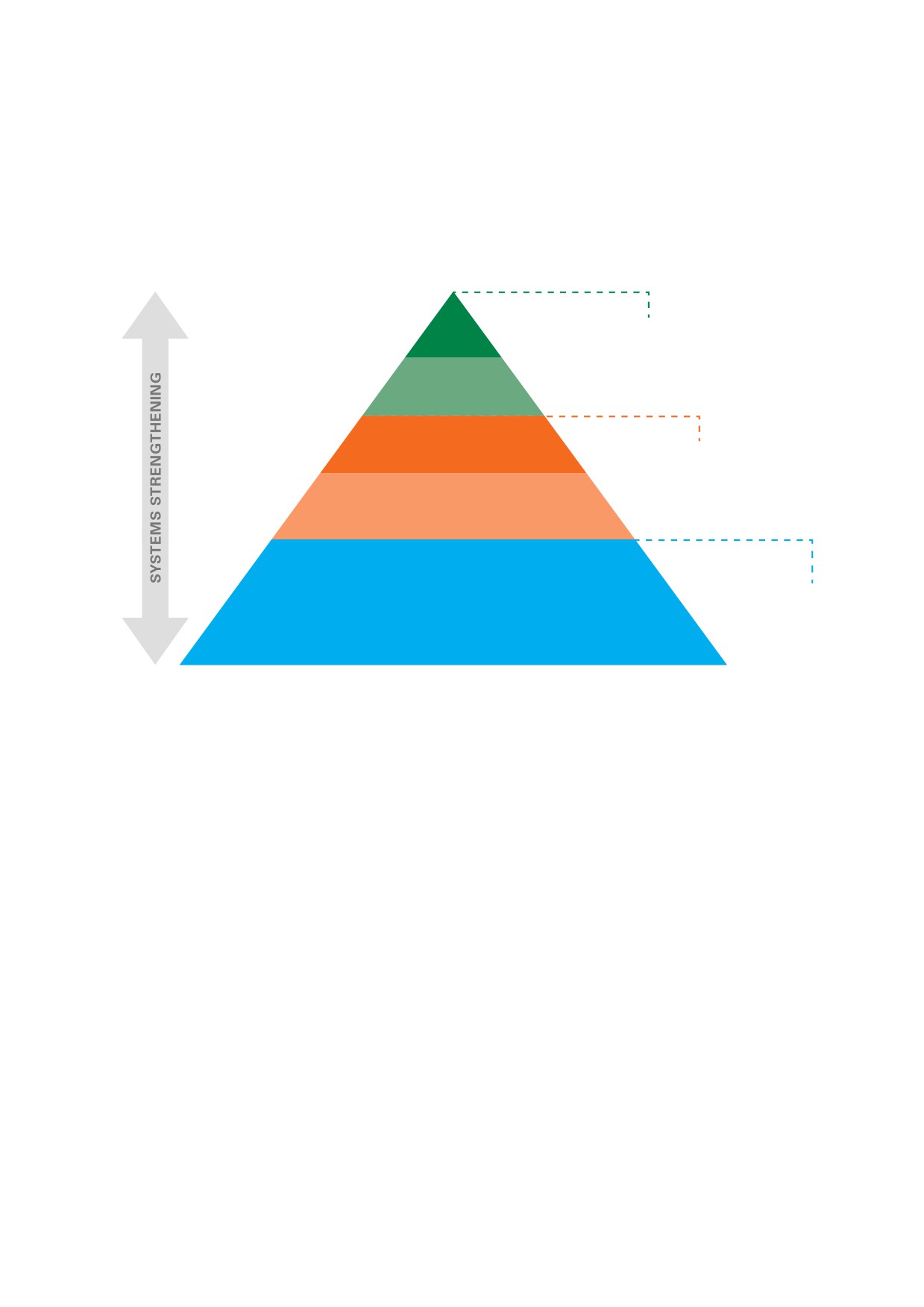
The regional framework defines three key tiers of actions required to ensure the mental health and
well-being of children and adolescents, with systems strengthening as a cross-cutting theme (see
Figure 2).
FIGURE 2: KEY TIERS OF MHPSS ACTIONS FOR CHILDREN AND ADOLESCENTS
RESPONSIVE CARE
Clinical
care
Sub-clinical
care
Targeted
PREVENTION
prevention
Universal
prevention
MENTAL HEALTH
PROMOTION
Ensuring an enabling
and safe environment
Within each of the three tiers are domains of action:
Responsive care for children and adolescents with mental health
conditions
This includes care that is age- and developmentally appropriate, gender and disability-inclusive and
non-discriminatory. Key actions include:
Screening, assessment and early identification of mental health needs to identify children and
adolescents who are at risk or have mental health conditions, with a focus on those who would
most benefit from care. It also includes the referral pathways (between and within sectors) for
those requiring specialized care or social support and protection, noting that screening in the
absence of referral and accessible care can be stigmatizing.
Management/treatment that is responsive to the needs of children and adolescents, including
care that is developmentally appropriate, accessible, comprehensive and culturally appropriate,
including for:
- Clinical mental disorders, which refers to a clinically diagnosable disorder generally made
according to the classification systems of the Diagnostic and Statistical Manual of Mental
Disorders (5th edition) or the International Classification of Diseases.
- Subclinical mental disorders and mental health conditions, when children and adolescents
show the signs or symptoms of a mental or psychological disorder that is below the clinical
threshold for mental disorder.
18 Strengthening Mental Health and Psychosocial Support systems and services for
children and adolescents in the East Asia and Pacific region: Malaysia Country report 2022
Continuing care. Mental health typically fluctuates for individuals over their life cycle. For those
with identified needs, these may increase or decrease over time and may be exacerbated by
stressful life events. Continuing care (that ensures accessible care and support as required)
is essential to ensuring the best outcomes for children and adolescents, as well as optimal
outcomes across the life course.
Prevention of mental health conditions in the immediate social
context
These actions aim to address risk factors for poor mental health and enhance protective factors. These
can be universal (that is, applicable to all children and adolescents, for example limiting access to
alcohol and other drugs), or targeted (focused on children and adolescents with high-risk behaviours
or in high-risk settings, for instance interventions to address harmful substance use). They include
four groups of interventions, coarsely mapped against the socioecological framework:
Building the individual assets of children and adolescents, aimed at fostering individual-level
assets (physical health, intellectual development, psychological and emotional development and
social development). This includes a focus on social and emotional learning, building resilience
and improving mental health literacy in children and adolescents.
Strengthening positive peer support (including online), given that peer relationships are
a critical protective factor for good mental health. This also includes addressing harmful peer
relationships (online and offline), including bullying and victimization (including cyberbullying).
Psychosocial competence building for parents/carers, including positive parenting practices
and improving their skills in responsive and nurturing caregiving. This includes a focus on
preventing harmful parenting, as well as addressing parental mental health.
Safe and enabling learning environment that ensure a prosocial environment in a setting
where children and young people are connected, supported and not subject to harmful exposures
(including all forms of physical or mental violence, injury and abuse, discrimination and exclusion,
neglect or negligent treatment, maltreatment or exploitation, including online sexual exploitation
and abuse).
Ensuring a safe and enabling environment to promote mental
health
These actions seek to address the structural determinants of mental health and well-being in relation
to where children and adolescents live, grow and learn through policy and legislation, and community
engagement. The determinants of psychosocial well-being are very broad, encompassing factors
such as secure housing, the environment and climate change, poverty, nutrition, social justice and
equality, disaster, conflict, economic and fiscal contexts, and political contexts. Following consultation
with the Regional TAG and expert advisors, this tier of the framework was narrowed to specifically
focus on actions in relation to:
Community engagement and participation - the active involvement of people from
communities, including young people and those with lived experience of poor mental health,
in the process of planning, delivering, monitoring and evaluating policies and programmes, and
in mental health advocacy. The involvement of community members is essential to determine
their own priorities in dealing with mental health conditions with respect to cultural context.
Community engagement is also central to addressing harmful norms, attitudes and beliefs that
contribute to poor mental health (for example, discriminatory attitudes towards non-conforming
gender identity or expression), that contribute to poor care-seeking behaviours (for example,
harmful norms around masculinity that discourage seeking help), and to stigma and discrimination
against children and adolescents with mental health problems.
A regional framework for MHPSS for children and adolescents in East Asia and the Pacific
19
Policy and legislation that both enables and protects the rights of children and adolescents with
mental health conditions, protects children and adolescents from the harms and risks associated
with poor mental health, and provides a clear framework for the system and sectoral roles in
responding to and supporting mental health, including sufficient allocation of public resources for
MHPSS. Legislation should reflect the values and principles of human rights and the Convention
on the Rights of the Child (CRC), with the best interests of children and adolescents as a primary
consideration. This includes, but is not limited to, the right to equality and non-discrimination,
dignity and respect, privacy and individual autonomy, and information and participation.13
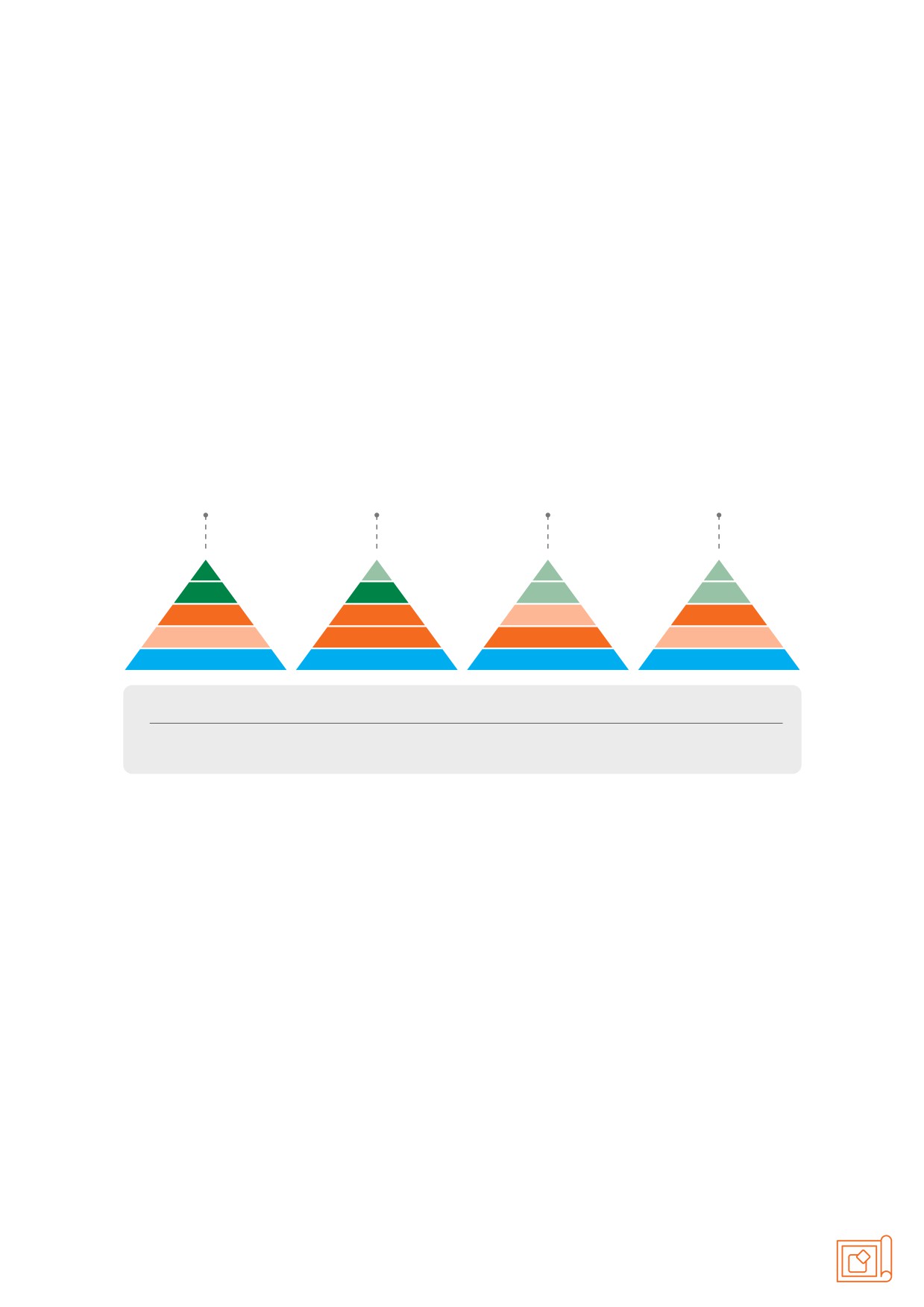
In addition to identifying what ‘actions’ are required within each of these tiers, the framework also
describes broad roles for key sectors in implementing MHPSS for children and adolescents (see Figure
3). The specific roles and responsibilities of each sector were explored in depth during country-level
analysis; however, the regional framework proposes broad overarching roles:
The health sector plays a central role in ensuring accessible and responsive mental health services
for children and adolescents with mental health conditions. This includes the delivery of early
identification, screening, referral and management by non-specialist providers (general practitioners,
nurses, midwives, community health workers and volunteers, and auxiliary health providers) through
to specialized care for severe or complex cases provided by child and adolescent psychiatrists,
mental health nurses, neurodevelopment and behavioural paediatricians, clinical psychologists,
occupational therapists and speech therapists. The health sector may also play an important role in:
targeted prevention for those at risk of poor mental health (for example, the provision of preventive
interventions for children and adolescents with comorbid health conditions, those identified to have
risk behaviours such as substance use and those in high-risk settings, as well as support for positive
parenting and parents with mental health conditions); and mental health promotion (for example,
increasing mental health literacy, and addressing harmful norms and stigma). The health sector may
furthermore play an overall leadership and advocacy role in MHPSS given that the health service
plays a key role in mental health service provision.
The social welfare sector plays a significant role in the delivery of MHPSS. The social service
workforce broadly encompasses government and non-government professionals, paraprofessionals
and community volunteers who not only work within social welfare or community development but
may also be employed by other sectors (including health, education and justice). Because of the
particular focus on child protection and working with families at risk, this sector plays a crucial role to
play in the delivery of targeted, preventive interventions to address key risk factors, in particular for
children and adolescents and their families with high-risk exposure to poor mental health (for example,
those exposed to violence, neglect or exploitation). This also includes delivering and supporting
programmes to improve responsive and nurturing caregiving, which may be universal or targeted to
those at increased risk (such as parents with mental health conditions). This sector also has a key
role in early identification and screening in some settings, supporting a strong referral system and
providing responsive care for mental health conditions as part of a multidisciplinary team. There is
also a broader opportunity to ensure an enabling environment for good mental health through social
welfare and social protection that addresses the social determinants of health. The social welfare
sector may additionally play a key role in community-based and national advocacy that can help to
address stigma and harmful norms.
The education sector is critical for implementation of universal preventive interventions as well as
ensuring that school and learning environments promote mental health and well-being. The education
sector arguably comprises the biggest mental health and psychosocial support workforce as teachers,
school-based counsellors and psychologists, and volunteers (such as peer counsellors) have the
potential to reach large numbers of children and adolescents. In addition to delivery of curriculum-
based approaches to support social and emotional learning, there is also an opportunity for schools
to shape attitudes and norms around mental health and positive relationships that are an important
contributor to building an enabling environment for good mental health. Teachers, school counsellors
and school-based psychologists can also play a role in early identification and assessment of mental
health needs, referral, behavioural management and targeted prevention. Schools furthermore have
an important role to play in supporting children and adolescents with mental health needs, including
through ongoing opportunities for education as well as providing alternative learning pathways.
20 Strengthening Mental Health and Psychosocial Support systems and services for
children and adolescents in the East Asia and Pacific region: Malaysia Country report 2022
Schools may also provide an opportunity for screening, with careful consideration; screening alone,
in the absence of accessible services and support, can be stigmatizing. Additionally, lack of age,
cultural and language-validated tools, limited training in their application and lack of confidentiality
may contribute to misdiagnosis, pathologizing normal behaviours, and stigma.
The justice sector also has a significant role in supporting children and adolescents at increased risk
of poor mental health, including those who are in conflict with the law and those who are victims
(or witnesses) of violence. This includes responding to existing mental health needs and risk factors
(such as exposure to violence and substance misuse) for children in conflict with the law, as well
as preventing (or responding to) further harms and risks exacerbated by detention. In collaboration
with the social welfare and health sectors, police, public prosecutors, court psychologists, probation
officers, detention centre workers, social service workers and judges could support the delivery of
early identification and screening in some settings, as well as referral and linkages with mental health
services and targeted prevention and response in justice settings (including addressing the harmful
use of substances and programmes to build individual assets and skills).
FIGURE 3. SUMMARY OF BROAD SECTORAL ROLES FOR MHPSS.
Health
Social welfare
Education
Justice
sector
sector
sector
sector
1
1
1
1
2
2
2
2
3
3
3
3
4
4
4
4
5
5
5
5
1 Clinical
2 Subclinical
3 Targeted prevention
4 Universal prevention
5 Ensuring environment
Darker shade indicates where a sector should have a leadership role or primary responsibility for
implementation, by tier of action.
Finally, the regional framework also identifies eight pillars of systems strengthening that are required
to enable effective and equitable implementation of these actions within and across key sectors
(see Figure 4).
A regional framework for MHPSS for children and adolescents in East Asia and the Pacific
21
FIGURE 4. PILLARS OF SYSTEMS STRENGTHENING
*To promote an enabling environment, providing the legal and
Legislation
regulatory frameworks required to support implementation of
MHPSS, and policies and plans to strengthen systems and
and policy
services delivery
*To enable coordination within and across sectors, between
Leadership
levels of government, and with non-government and informal
and
service providers, with clearly defined roles, responsibilities
governance
and accountability
*Modules of delivery to ensure services are equitable, inclusive,
Service
accessible to all, and age / developmentally appropriate. Includes
delivery
identifying what actions can be integrated into existing platforms
and what new models / platforms are required
Standards
and
*To support quality assurance and accountability
oversight
*The multisectoral mental health workforce (across health, education,
Workforce
social welfare and justice), with defined roles, competencies, training
and supervision
Budget and
*Adequate allocation and expenditure of resources and financing
financial
mechanisms to ensure equitable access and quality of services
resources
*Engagement and participation of children adolescents, families and
Participation
communities in planning, design, delivery and evaluation of MHPSS
Data,
*Mechanisms for collection, analysis and dissemination of reliable
information
and timely information to support planning, implementation and
monitoring and evaluation
and research
22 Strengthening Mental Health and Psychosocial Support systems and services for
children and adolescents in the East Asia and Pacific region: Malaysia Country report 2022
A regional framework for MHPSS for children and adolescents in East Asia and the Pacific
23
Mental health
and psychosocial
well-being:
The current situation for children
and adolescents
24 Strengthening Mental Health and Psychosocial Support systems and services for
children and adolescents in the East Asia and Pacific region: Malaysia Country report 2022
Mental health needs of children and
adolescents
Mental health outcomes for children and adolescents
Children and adolescents aged 0-18 years in Malaysia experience a substantial burden of poor mental
health. Modelled estimates from the GBD Study 2019 indicate that mental disorders and self-harm
account for 19 per cent of the total burden of disease among 10-19-year olds.1 Among younger
adolescents and children aged 5-14 years, mental disorders are the leading cause of poor health,
with conduct disorder, anxiety disorder and depression alone accounting for 12 per cent of the total
burden of disease in this age group.1 Around 1 in 8 adolescents aged 10-19 and 1 in 20 children aged
5-9 are estimated to have a mental disorder (including developmental disorder).1
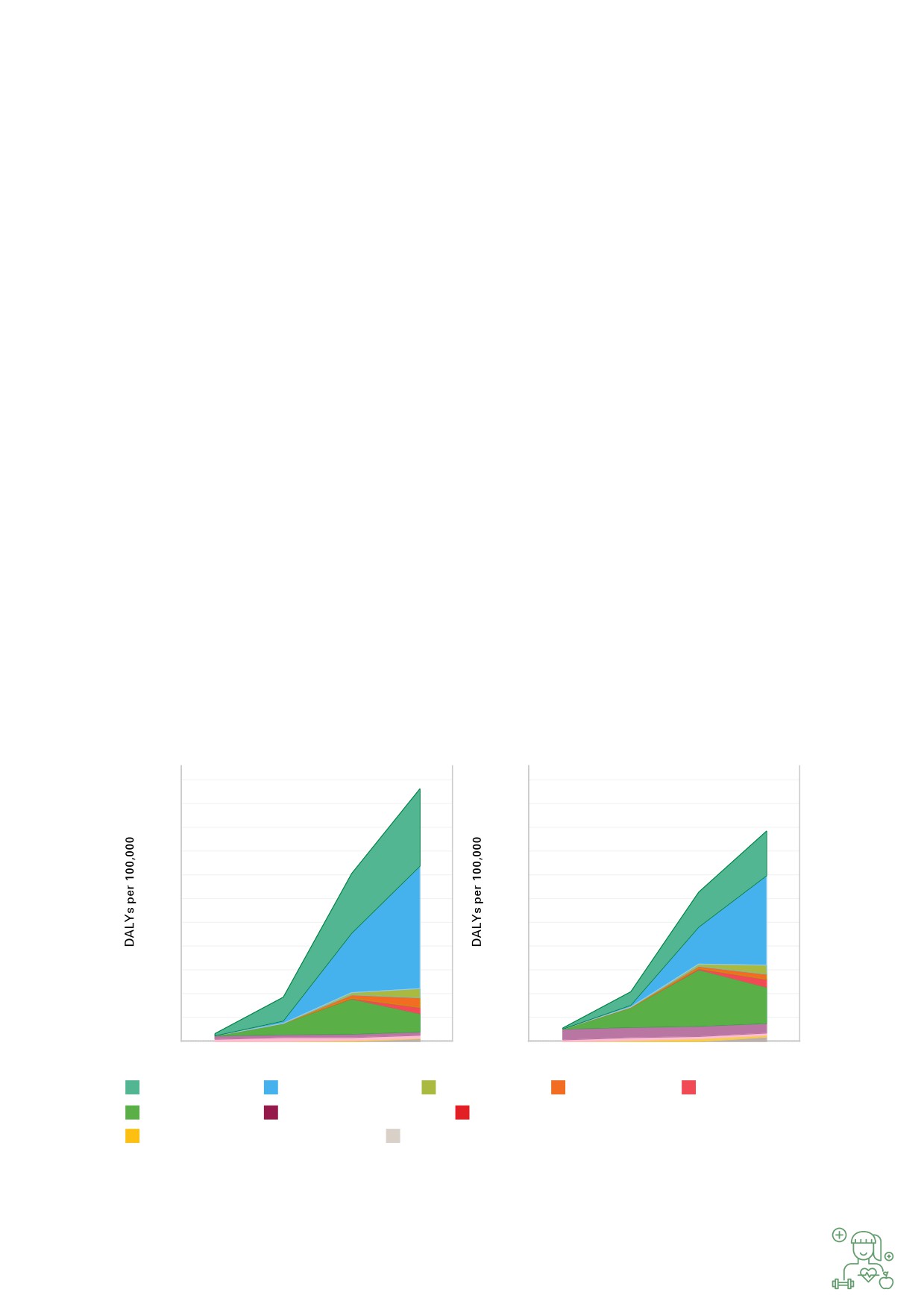
Figure 5 shows the modelled burden of disease due to mental disorders across childhood and
adolescence, reported as disability-adjusted life years (healthy years of life lost due to either disability
(illness) or premature death). Several important observations can be made. First, the burden of disease
due to mental disorder increases substantially during childhood and adolescence, with the greatest
increases happening during later childhood and early to mid-adolescence. Second, the specific causes of
poor mental health vary substantially by age: for young children, developmental disorders predominate;
for young adolescents there is a sharp increase in conduct disorders and depression and anxiety;
for older adolescents and young adults there is a pre-dominance of depression and anxiety, with an
emergence of psychosis and eating disorders. Third, there are important differences in burden and
pattern of mental disorder by gender. Girls have an overall larger burden of mental disorder that is
mostly driven by excess depression and anxiety, while boys have an excess burden of conduct disorder.
FIGURE 5: DISEASE BURDEN DUE TO MENTAL HEALTH DISORDERS ACROSS CHILDHOOD AND
ADOLESCENCE IN MALAYSIA (IN DISABILITY-ADJUSTED LIFE YEARS (DALYS) - YEARS OF LIFE LOST
TO EITHER CAUSE-SPECIFIC DEATH OR DISABILITY)
Malaysia
Female
Male
2200
2200
2000
2000
1800
1800
1600
1600
1400
1400
1200
1200
1000
1000
800
800
600
600
400
400
200
200
0
0
1 to 4
5 to 9
10 to 14
15 to 19
1 to 4
5 to 9
10 to 14
15 to 19
Anxiety disorders
Depressive disorders
Bipolar disorder
Eating disorders
Schizophrenia
Conduct disorder
Autism spectrum disorders
Idiopathic developmental intellectual disability
Attention-deficit/hyperactivity disorder
Other mental disorders
Source: IHME GBD 2019.
25
Mental health and psychosocial well-being:
The current situation for children and adolescents in East Asia and the Pacific
Limited primary survey data for child and adolescent mental health in Malaysia also highlight a substantial
burden of needs. The most robust mental health data come from the NHMS 2019 and NHMS Adolescent
Survey 2017.11,14,15 Overall, the proportion of children aged 5-15 with reported mental health symptoms
increased from 13.0 per cent in 1996 to 20.0 per cent in 2011, before falling to 12.1 per cent in 2015 and
7.9 per cent in 2019.11,16,17 The highest reported prevalence of mental health conditions among 5-15-year-
olds in the 2019 NHMS was in Perak state at 19.9 per cent, and prevalence was also higher in rural
areas and in the lowest-income households.11 The 2017 NHMS survey also found that 17.7 per cent of
adolescents reported depressive symptoms,14 while 2019 analysis of NHMS data estimated that 39.7
per cent of Malaysian adolescents experienced anxiety symptoms.18 One in 14 adolescents reported
anxiety so severe it disrupted their sleep most or all of the time (see Figure 6).14
FIGURE 6: PREVALENCE OF SIGNIFICANT WORRY FOR 13-17-YEAR-OLDS, MALAYSIA
Proportion of 13-17-year-olds who report being mostly or always so worried that they can't
sleep at night in the last 12 months (%)
Both
Female
Male
0.0
0.5
1.0
1.5
2.0
2.5
3.0
3.5
4.0
4.5
5.0
5.5
6.0
6.5
7.0
7.5
8.0
Source: NHMS 2017.
In younger age groups, the NHMS 2019 found that 15.9 per cent of children displayed conduct
problems, 4.6 per cent displayed hyperactivity problems and 8.3 per cent emotional health problems.11
A separate 2019 longitudinal study conducted in the Malaysian cities of Petaling and Klang among
children aged 7-8 and 13-14 reported that between 8.5 and 9.3 per cent of children displayed
emotional and behaviour problems, according to parents and teachers.19 Both studies found significant
gender differences, with boys more likely to have reported conduct and hyperactivity problems and
girls more likely to have reported emotional health problems.11,19
Suicide is closely related to poor mental health. The proportion of adolescents reporting suicidal
ideation appears to be increasing: from 7.9 per cent in the 2012 Global Student Health Survey (GSHS)
to 10.0 per cent in the 2017 NHMS Adolescent Health Survey (although the two sources are not
perfectly comparable).14 The 2017 NHMS Survey also found that 7.3 per cent of adolescents reported
making suicide plans and 7.0 per cent reported a suicide attempt in the previous 12 months (see
Figure 7). This was higher than in comparable countries such as Indonesia and Brunei, but lower than
in Thailand.14 Girls were more likely to report suicidal ideation (10.8 per cent versus 9.1 per cent) and
suicidal plans (7.8 per cent versus 6.8 per cent). Suicide attempts were similar between boys and
girls at 7.0 per cent and 6.9 per cent, respectively.14
26 Strengthening Mental Health and Psychosocial Support systems and services for
children and adolescents in the East Asia and Pacific region: Malaysia Country report 2022
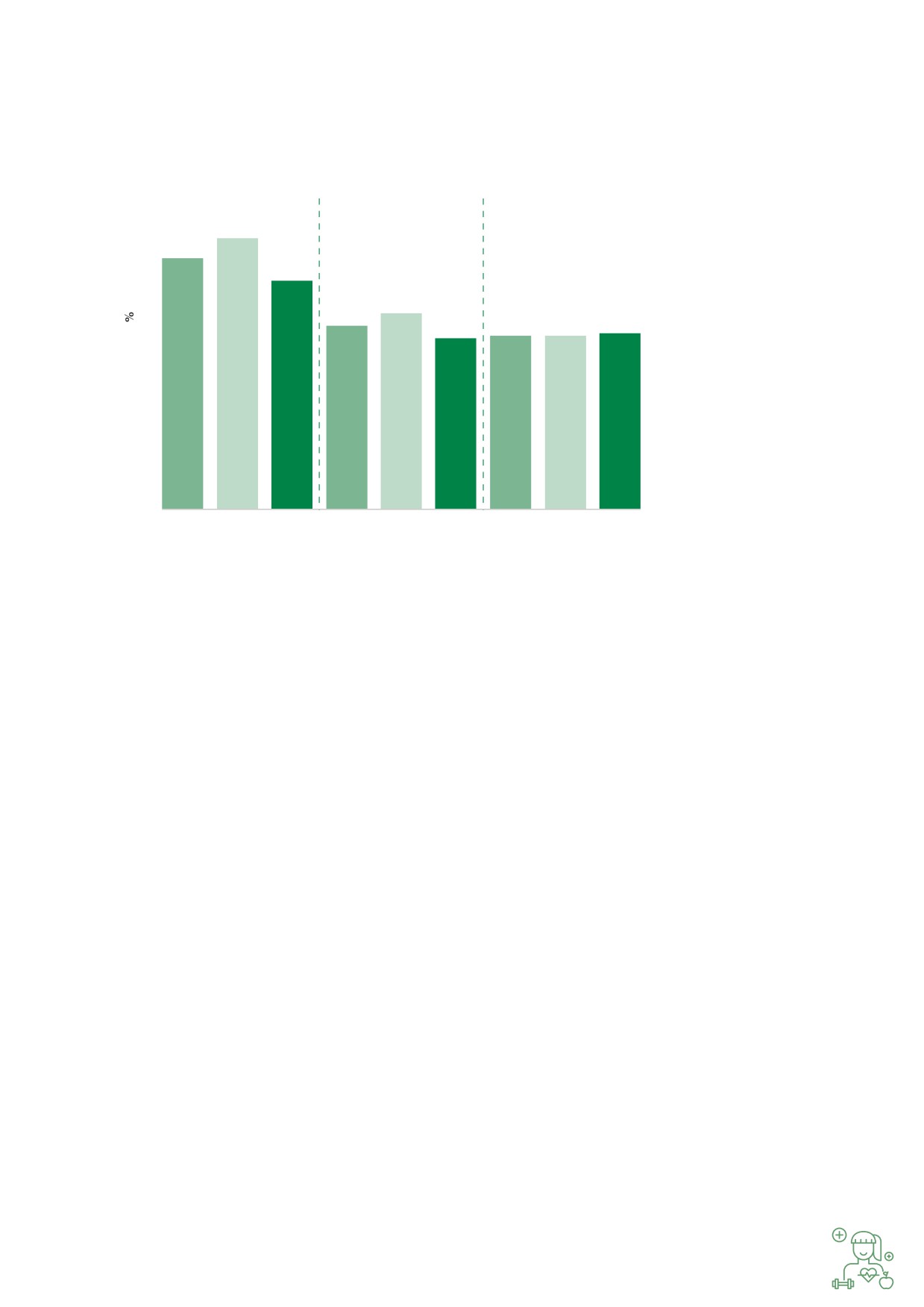
FIGURE 7: SUICIDAL BEHAVIOUR SELF-REPORTED BY ADOLESCENTS, MALAYSIA
Proportion of 13-17 year-olds who report suicidal behavior in the last 12 months
12
Suicidal ideation
Suicide plan
One or more suicide
attempts
11
10
9
8
7
6
5
4
3
2
1
0
Both Female Male
Both Female Male
Both Female Male
Source: NHMS 2017.
Suicide is estimated to be the second leading cause of death for adolescents in Malaysia.1 Direct
information about suicide mortality among adolescents and children in Malaysia is sparse.20 The
National Suicide Registry Malaysia reported that in 2009 the suicide mortality rate was 1.03 per
100,000 population. This was relatively low compared to other Asian countries, and this may have
been due to under-reporting related to stigma and the legal implications of suicide under Malaysian
law.20 Fifty-three young adults aged 15-24 were reported to have died by suicide,20 making them
the most represented age group in suicide figures, at 16.2 per cent.21 More age-specific data were
not provided. Risk factors for suicide were male gender and Indian ethnicity. Most adolescents who
died by suicide did not have a known past history of attempted suicide, physical and mental health
problems or family history of suicide.20 There are no more recent data as the National Suicide Registry
was discontinued in 2009.22 Hospital figures are another useful data source. In 2014, there were
83 admissions to hospital for intentional self-harm, at a rate of 0.3 per 100,000 of the population.22
This too was likely an underestimate.23 Adjusting for missing data (e.g., deaths not reported) or
misclassification of cause of death, the GBD 2019 estimated that the mortality rate due to suicide
for children aged 10-14 was 0.16 per 100,000 population, and for adolescents aged 15-19 it was 3.13
per 100,000 population (see Figure 8). Adolescent boys had around four times the mortality rate due
to suicide compared with girls.24
27
Mental health and psychosocial well-being:
The current situation for children and adolescents in East Asia and the Pacific
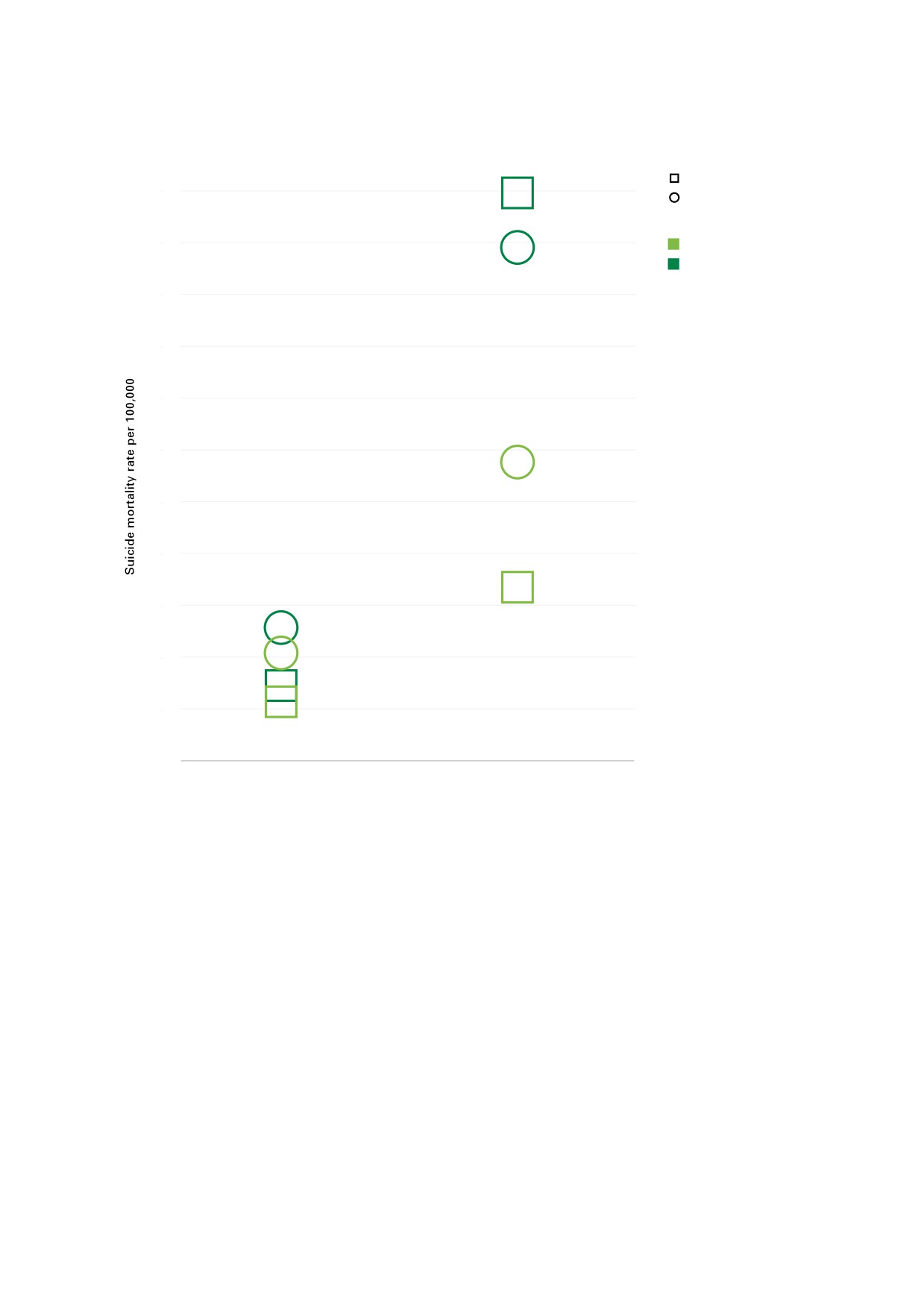
FIGURE 8. SUICIDE MORTALITY AMONG 10-24-YEAR-OLDS, MALAYSIA
Malaysia
5.0
Southeast Asia,
East Asia, and Oceania
4.5
Female
Male
4.0
3.5
3.0
2.5
2.0
1.5
1.0
0.5
0.0
10 to 14
15 to 19
Source: IHME GBD 2019.
Available survey data and published studies of mental health needs in Malaysia most commonly
relate to mental disorder. To explore broader understandings of mental health needs during childhood
and adolescence, stakeholders who participated in interviews and workshops were also asked to
describe their own understanding of mental health during this age period. While stakeholders from the
health, education, social welfare and justice sectors identified mental disorders (depression, anxiety,
personality disorder, post-traumatic stress disorder and bipolar disorder) as the most important mental
health issues for this age group, young people themselves had a more holistic understanding of
mental health and well-being. For young people, the focus of needs was on mental health-related
stigma, neglect from parents, and mental health issues being mistaken for growing pain or phases of
puberty. The health and social welfare sectors also identified self-harm and suicide as priority mental
health outcomes and child and sexual abuse as key contributors to poor mental health. The justice
sector highlighted substance abuse and its associated criminal implications as an important mental
health need among this age group.
28 Strengthening Mental Health and Psychosocial Support systems and services for
children and adolescents in the East Asia and Pacific region: Malaysia Country report 2022
Risks and determinants of mental health and psychosocial
well-being
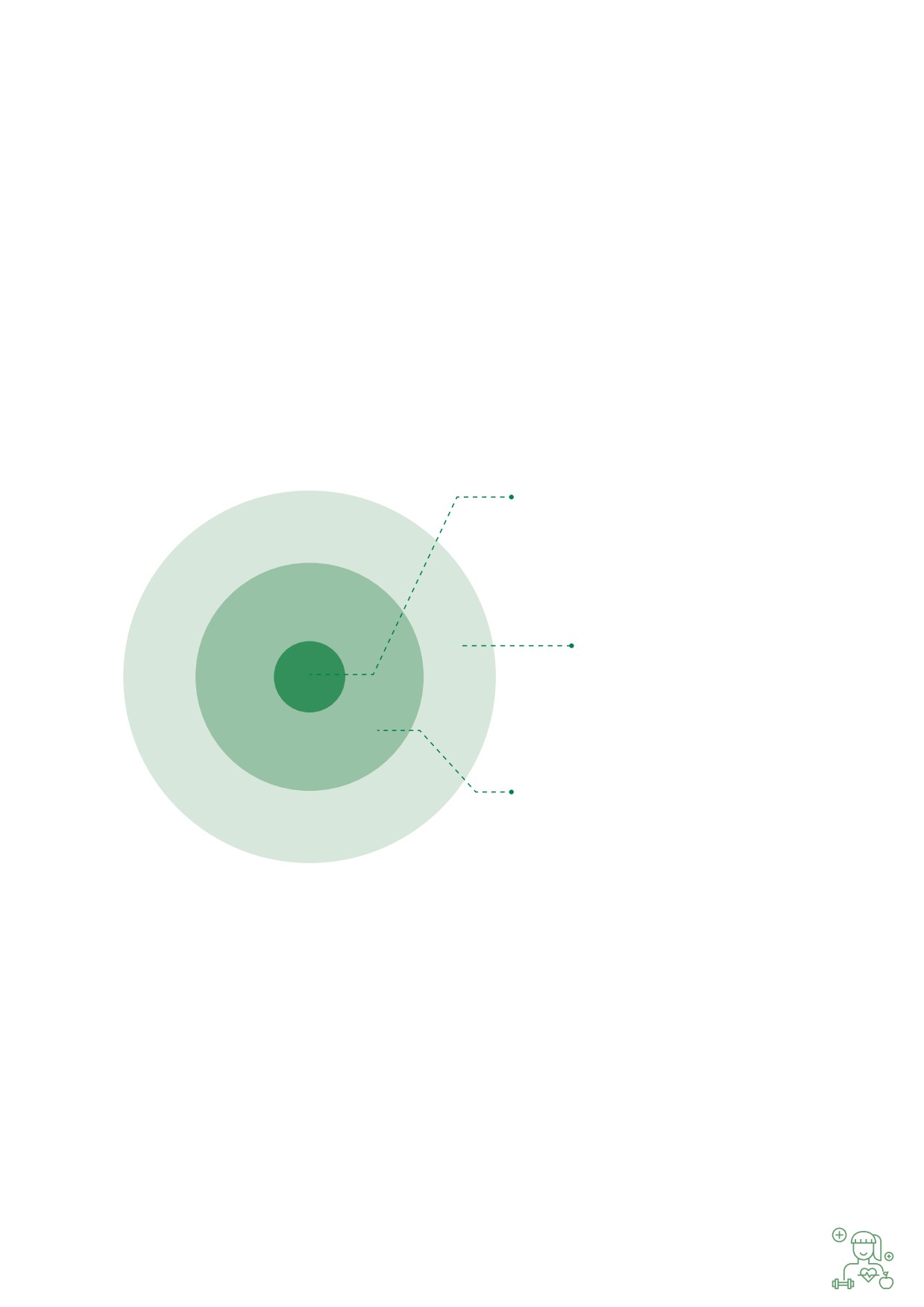
UNICEF’s The State of the World’s Children 2021 report defines three spheres of influence that shape
the mental health and well-being of children and adolescents. These are the ‘world of the child’
(individual assets, parents, carers and families), the ‘world around the child’ (safety, security and
healthy attachment in the school, community and online), and the ‘world at large’ (social determinants,
including poverty, disaster, conflict, discrimination and migration) (see Figure 9).2 Childhood and
adolescence are periods of rapid change in social context and roles, and the timing and nature of
exposures from the environment and immediate social context can powerfully shape mental health
and well-being for children and adolescents across their lives. These risks and protective factors are
cumulative across the life course and are often clustered - with children who experience multiple
adverse childhood experiences (abuse, neglect, violence or dysfunction within families, peers or the
community) having the highest risk of poor mental health.2
FIGURE 9. SPHERES OF INFLUENCE ON MENTAL HEALTH AND PSYCHOSOCIAL WELL-BEING
WORLD OF THE CHILD
Individual assets and
behaviours
Parents, carers, families
WORLD AROUND THE CHILD
Safety, security and healthy
attachment in schools,
community and online
WORLD AT LARGE
Social determinants
(poverty, disaster, conflict,
discrimination, migration)
Source: Adapted from UNICEF’s The State of the World’s Children 20212 report.
29
Mental health and psychosocial well-being:
The current situation for children and adolescents in East Asia and the Pacific
The world of the child
For children, healthy attachment with parents and other caregivers and nurturing, responsive
care are powerful determinants of mental health and well-being. Attachment is the emotional
relationship between a child and their parents or caregivers that gives a child a sense of safety and
protection and fosters the development of social and emotional skills. While attachment is crucial
and evolves during the course of childhood and adolescence, it is one of the defining influences
on mental health and well-being during infancy and early childhood.2 The mental health of parents
and caregivers also impacts on their capacity to provide responsive care and healthy attachment,
including for adolescent parents.25
There are currently no national-level data or subnational studies describing parental attachment,
positive parenting, early stimulation or adequate supervision during childhood in Malaysia. There
are, however, an estimated 13,000 children and adolescents living in approximately 90 private and
35 government-run orphanages throughout Malaysia.26,27 A study of 287 adolescents aged 12-17 in
six orphanages in the Klang Valley found that 72.5 per cent had moderate to very severe depression
and 71.1 per cent had moderate to very severe anxiety. A total of 70.8 per cent and 69.2 per cent
reported low self-esteem, and this was significantly associated with depression, anxiety and stress.28
Violence and neglect experienced within households and families are key risk factors for mental
health conditions.29,30 The 2016 NHMS reported that 71 per cent of children aged 1-14 years had
experienced violent discipline by caregivers (psychological aggression and/or physical punishment).
In addition, 11.8 per cent of adolescents reported recent physical abuse at home and 43.2 per cent
reported verbal abuse.14 Both physical and verbal abuse at home have been associated with suicidal
ideation.31
For adolescents, substance use and misuse are important individual-level risk factors for poor mental
health.32 The NHMS 2017 reported that 2.8 per cent of adolescents aged 13-17 years had ever used
marijuana (see Figure 10), and 2.4 per cent had ever used amphetamines or methamphetamines, with
prevalence higher among boys than girls. However, there were no other data or studies describing
substance use among this age group or its impacts on mental health.
FIGURE 10: MARIJUANA USE, MALAYSIA
Proportion of 13-17 year-olds who report lifetime marijuana use (%)
Both
Female
Male
0.0
0.5
1.0
1.5
2.0
2.5
3.0
3.5
4.0
4.5
Source: NHMS 2017.
Sedentary behaviours and screen time are also important, individual-level influences on psychosocial
well-being. In the 2017 NHMS Adolescent Survey, only 19.8 per cent of 13-17-year-old school-going
adolescents were physically active for at least 60 minutes five days per week, and 50.1 per cent spent
at least three hours per day on sedentary activities. In the same survey, overall internet addiction
prevalence was 29.0 per cent. The highest prevalence was found in the capital Kuala Lumpur at
39.2 per cent.14 A separate study of 178 students from 56 primary schools across the Klang Valley,
Selangor, found internet addiction prevalence of 23 per cent.33 A 2019 study of 396 students in
30 Strengthening Mental Health and Psychosocial Support systems and services for
children and adolescents in the East Asia and Pacific region: Malaysia Country report 2022
Chinese primary schools in Johor Bahru found that excessive internet usage was associated with
anxiety symptoms.34 A study of 158 students aged 13-16 found that smartphone addiction affected
51.9 per cent of participants, and this was significantly correlated with poor mental health.35
Children and adolescents with chronic illness and disability may also experience a higher burden
of poor mental health. While these children were noted by stakeholders during interviews as having
an excess burden of poor mental health, there are currently no data available describing their mental
health needs.
Child marriage and early pregnancy are associated with poorer mental health outcomes. In
Malaysia, 5 per cent of girls aged 15-19 years are currently married, and there are 13 births per 1,000
girls in this age cohort per year.36 While studies exploring the mental health of married Malaysian
adolescents are limited, studies of maternal mental health report that young mothers (under 20 years)
have a higher risk of anxiety compared with older women.37
Children and adolescents living in alternative care, including residential care, are also at
increased risk of poor mental health and exposure to risk factors, such as violence. Residential child
care is managed by the Department of Social Welfare as well as NGOs (licenced by the Department).
In 2019, Department statistics reported that 6,382 children were in need of care and protection, of
which 4,043 were girls. Around 1,100 children were in an institutional residential care facility.38 There
are very limited data describing the mental health needs or risks for children in residential care. Small
studies have reported higher rates of behavioural problems, depression and anxiety among children
in care compared to those living with parents,39 and exposure to verbal aggression among peers and
use of shame by caregivers.40
The world around the child
in addition to healthy parent/carer relationships, peer relationships and connectedness also
influence mental health and well-being, particularly during adolescence. In the 2017 NHMS, 9.3
per cent of adolescents reported feeling lonely most of the time or always (see Figure 11), with the
percentage higher among girls than boys. This represents an important target for action.
FIGURE 11. PREVALENCE OF LONELINESS AMONG 13-17-YEAR-OLDS, MALAYSIA
Proportion of 13-17 year-olds who reporting feeling lonely most of the
time or always in the last 12 months (%)
Both
Female
Male
0
1
2
3
4
5
6
7
8
9
10
11
Source: NHMS 2017.
31
Mental health and psychosocial well-being:
The current situation for children and adolescents in East Asia and the Pacific
Exposure to bullying behaviour,i harassment and violence are risk factors for poor mental health
and these are highly prevalent among adolescents in Malaysia (see Figure 12). In 2017, 16.2 per cent
of adolescents reported having recently been victims of bullying behaviour.14 Witnessing, perpetrating
or being the victim of physical violence is also common, with more than a quarter of 13-17-year-olds
reporting having been physically attacked in the last 12 months. Rates were higher among boys, with
31.4 per cent reporting being physically attacked compared with 19.3 per cent of girls (see Figure
12).14 Adolescents who are lesbian, gay, bisexual, transgender, intersex, or queer/non-conforming
also experience very high rates of peer victimization and violence in the context of substantial
stigma. These adolescents have reported widespread verbal humiliation and violence. Systemic
discrimination has also been significant, with reports of school expulsion of lesbian and bisexual
youth, and transgender students forced to dress in clothes that did not match their gender identity.41
Violence against transgender children at home and in school has also led to early school dropout.41
FIGURE 12. BULLYING (A) AND VIOLENCE (B) AMONG 13-17-YEAR-OLDS, MALAYSIA
A
Proportion of 13-17 year-olds who report being bullied in the last month (%)
Both
Female
Male
0
1
2
3
4
5
6
7
8
9
10
11
12
13
14
15
16
17
18
19
B
Proportion of 13-17 year-olds who report being physcially attacked in the last 12 months (%)
Both
Female
Male
0
2
4
6
8
10
12
14
16
18
20
22
24
26
28
30
32
Source: NHMS 2017.
Sexual harassment, sexual violence and intimate partner violence are also important risk factors,
most notably for adolescent girls. However, national-level data reporting intimate partner violence
experienced by adolescent girls in Malaysia are lacking. Around 3 per cent of adolescent girls aged
15-19 years have ever experienced sexual violence from a non-intimate partner.36
Safe and enabling learning environments profoundly influence mental health and well-being.
Participation in early education, primary and secondary school are important protective factors.
Available data indicate that the majority (99 per cent) of children in Malaysia are enrolled in organized
early childhood education and primary education; however, 12 per cent of 12-15-year-olds are not
attending secondary school. Out-of-school children and adolescents were identified by stakeholders
as at high risk of poor mental health due to poor access to school-based MHPSS services and a
i
The term ‘bullying’ is used here as it is consistent with the survey measures referenced. However, it is noted that there is an emerging
approach to redefine bullying as ‘unhealthy relationships or situations’ with a focus on the behaviour itself, its determinants and impacts,
rather than on the child.
32 Strengthening Mental Health and Psychosocial Support systems and services for
children and adolescents in the East Asia and Pacific region: Malaysia Country report 2022
clustering of other risk factors (such as substance use, family conflict and violence). Children with
developmental disorders or disabilities were also identified as experiencing excess risks for poor
mental health in school settings, where resources to support them and their teachers are limited.
Schools can also be a source of stress. Stakeholders (including young people) described academic
pressures, competition, and family expectations around academic performance as contributing to
high levels of psychological distress among students, particularly in secondary school.16,42 These
stresses were exacerbated during the COVID-19 pandemic due to the increased pressure of remote
learning coupled with social isolation and the loss of peer support. Schools can also be a setting of
violence and harassment, with high rates of bullying experienced among school students and corporal
punishment and verbal abuse by teachers.
The world at large
National-level data and published studies exploring the association of social determinants with child
and adolescent mental health in Malaysia are limited. However, stakeholders identified several factors
that are likely to influence mental health and well-being. These include poverty and economic instability
(exacerbated by the COVID-19 pandemic), and legislative and other barriers that limit access to MHPSS.
Malaysia hosts over 182,000 asylum seekers and refugees, the vast majority from Myanmar. An
estimated 44,800 are below 18 years of age.43 Due to the lack of a domestic legal framework for
management of refugees, their irregular status renders them liable to prosecution under the Immigration
Act. Refugees continue to be at risk of arrest, prosecution, detention and, in some cases, deportation.
This uncertainty and fear contribute to significant psychological distress,42 which is compounded by past
traumatic experiences in their country of origin. A 2021 survey of 91 refugee adolescents in Malaysia
found that discrimination was pervasive and occurred in a range of settings.44
Stigma and discrimination are also significant determinants of mental health. Misconceptions and
stigma associated with mental health are common and were noted by stakeholders as an important
contributor to poor mental health and poor access to MHPSS. For adolescents in particular, stigma
and discrimination experienced by those whose sexuality and/or gender identity do not conform to
rigid norms also contributes to a high burden of poor mental health.41
A more recent threat to mental health is COVID-19. Public health approaches that limit social
interactions and disrupt education and employment (and the resultant isolation and increased use of
social media and a potential increase in exposure to family violence and conflict) have acute impacts
on mental health, while the economic uncertainties and projected socioeconomic inequalities have
more long-term implications.45 These disasters can also result in a diversion of resources away from
mental health services, and combined with greater need, can lead to greater difficulties in accessing
services. A recent survey of 1,163 adults found that mental health concerns increased consistently
as the pandemic progressed.46 From May 2020 to September 2020, depression symptoms increased
from 20.6 per cent to 59.2 per cent of respondents, and anxiety symptoms from 32.3 per cent to 55.1
per cent. Young people aged 18-29 were more vulnerable to mental health symptoms, but children
and adolescents were not included in the survey.46
Other risk and protective factors identified from key informant interviews with stakeholders are
listed in Table 1.
33
Mental health and psychosocial well-being:
The current situation for children and adolescents in East Asia and the Pacific
Table 1. Risk and protective factors identified by stakeholders
Risk factors
Protective factors
Child abuse and neglect
Ability to cope with stress
Communication problems
Ability to face adversity
Early pregnancy
Adaptability
Substance use
Autonomy
Emotional immaturity and lack of control
Feelings of mastery and control
Exposure to aggression, violence and trauma
Feelings of security
Family conflict or family disorganization
Good parenting
Loneliness
Literacy
Low social class
Positive parent - child interaction
Personal loss - bereavement
Problem-solving skills
Reading disabilities
Prosocial behaviour
Sensory disabilities
Self-esteem
Social incompetence
Skills for life
Stressful life events
Social and conflict management skills
Social support of family and friends
Socioemotional growth
Stress management
34 Strengthening Mental Health and Psychosocial Support systems and services for
children and adolescents in the East Asia and Pacific region: Malaysia Country report 2022
Current responses to the mental health
needs of children and adolescents
Key national policies, strategies and legislation
An overview of key national-level policies and legislation relevant to mental health and MHPSS is set
forth in Table 2 with key documents summarized by sector.
TABLE 2. SUMMARY OF KEY MHPSS-RELATED LEGISLATION AND POLICY
Mental health
National mental
The National Mental Health Policy for
Psychiatric and Mental
health plan/policy/
Malaysia outlines advocacy, promotion,
Health Services Operational
strategy
prevention, treatment and rehabilitation.
policy 2011
It lays out eight guiding principles
National Strategic Plan for
for development in mental health -
Mental Health 2020-2025
comprehensiveness, accessibility
and equity, continuity and integration,
multisectoral collaboration, community
participation, human resource training,
standards and monitoring, as well as
research.
The National Strategic Plan for
Mental Health includes actions to
address mental health in children and
adolescents such as screening for early
detection and intervention, training of
students and teachers in psychological
first aid, and a continuous education
programme on mental health for
teachers.
Age of majority
18 years
Age of Majority Act 1971
Age of consent to
Based on this Age of Majority Act,
Age of Majority Act 1971
medical care
children below the age of 18 years are
Child Act 2001
deemed to be incapable to give consent
to medical treatment. The power to
give consent lies with their parents/
legal guardian. In special circumstances
(outlined in Section 21 of the Child
Act) a Protector or police officer may
authorize the treatment of a minor. It is
to be highlighted that this provision only
applies to a child referred to in section
21, i.e., a child who fulfils the definition
of ‘a child who is in need of care and
protection’ under section 17.
35
Mental health and psychosocial well-being:
The current situation for children and adolescents in East Asia and the Pacific
Standards of care
The National Adolescent Health Plan of
National Adolescent Health
for child/adolescent
Action aims to encourage and ensure
Plan of Action 2006-2020
mental health
the development of adolescents in
realizing their responsibilities for health
and empower them with appropriate
knowledge and assertive skills to enable
them to practice health behaviours
through active participation. The Plan
includes the strengthening of existing
mental health promotion programmes
targeted to adolescents in various
settings.
Protections within
According to the Mental Health Act,
Mental Health Act 2001
mental health
a guardian must give consent for a
legislation
minor’s admission to a psychiatric
hospital (Section 9) and must give
consent to a minor’s surgery (Section
77). In Section 2 of the Mental Health
Act, a ‘Guardian’ is defined as a person
who has lawful custody of the minor
(person under 18 years). There are no
special protections for minors.
Prohibition of
There is no national legislation on the
Guidelines on Management
physical restraint
use of restraints on children and young
of Aggressive Patients in
for those with acute
people. However, the use of physical
Ministry of Health Facilities
mental illness
restraints on children and adolescents
2016
is outlined in Section 9.1.1 of the
MoH Guidelines on Management of
Aggressive Patients in Ministry of
Health Facilities. The document states
that in restraining children, behavioural
approaches are preferrable; the Human
Rights Act 1998 and the UN CRC 1989
must be considered; restraint is NOT
allowed for children below the age of 12
years; and parents must be informed of
the management.
Right to mental
Unclear.
healthcare for those
deprived of liberty
Criminalization of
Whoever attempts to commit suicide
Penal Code of Malaysia
suicide
shall be punished with imprisonment for
1936
a term which may extend to one year or
with fine or with both (Section 309).
Whoever abets the suicide of a person
under 18 years of age shall be punished
with death or imprisonment for a term
which may extend to twenty years and
shall also be liable to fine (Section 305).
(Currently being revised.)
36 Strengthening Mental Health and Psychosocial Support systems and services for
children and adolescents in the East Asia and Pacific region: Malaysia Country report 2022
Mental health and
No visions for child and adolescent
National Education
education
mental health or aspirations in
Blueprint 2013-2025
the National Education Blueprint
2013-2025.
Mental health and
No mention of child and adolescent
National Family Policy 2010
child protection
mental health (or mental health) in the
National Family Policy.
Protection
Rights of children
Malaysia became a party by accession
Child Act 2001, Sexual
and adolescents
to the Convention on the Rights of the
Offences Against Children,
Child on 17 February 1995.
Act 2017 [Act 792],
Domestic Violence Act 1994
Malaysia enacted the Child Act 2001
and The Convention on the
to ensure that children will be provided
Rights of the Child
with necessary care, protection, and
intervention, especially those children
deprived of a family environment.
Age of sexual
16 years.
Penal Code of Malaysia
consent
1936 (Section 375)
Exception: sexual intercourse by a man
with his own wife by marriage is not
rape.
Refers only to a man committing rape
if he has sexual intercourse with a
woman under 16 years of age (with or
without her consent). Does not make
the age of sexual consent for boys or
the age of sexual consent for same-sex
couples clear.
Age of marriage
Non-Muslims:
Law Reform (Marriage
and Divorce) Act 1976,
18 years with parental consent. But
(Sections 3, 10, 12); Islamic
16 years for girls if solemnization of
Family Law (Federal
marriage is authorized by a licence
Territories) Act 1984,
granted by the Chief Minister.
(Section 8); Undang-undang
Muslims in the Federal Territories:
Adat
Boy: 18 years; Girl: 16 years. But
younger if permission is granted by a
Syariah Judge.
Sabah and Sarawak population:
According to the customary law
(Undang-undang Adat) of each ethnic
group.
Orang Asli (aborigines) population:
No age limit is provided under any
written law. It is at the discretion of the
Community Chief (Tok Batn).
37
Mental health and psychosocial well-being:
The current situation for children and adolescents in East Asia and the Pacific
Prohibition of
Section 31 of the Child Act 2001 states
Child Act 2001
violence
that any person who, being a person
having the care of a child abuses,
neglects, abandons or exposes the child
or acts negligently in a manner likely
to cause them physical or emotional
injury or causes or permits them to be
so abused, neglected, abandoned or
exposed or sexually abuses the child
or causes or permits them to be so
abused, commits an offence.
Laws on corporal
Corporal punishment is lawful in the
Penal Code of Malaysia
punishment
home under Sections 89 and 350 of
1936
the Penal Code. Corporal punishment
Education Act 1996
of boys is lawful in schools, regulated
by the Education Regulations (Student
Discipline) 2006, under the Education
Act 1996. Corporal punishment is lawful
as a sentence for crime.
Prohibition of
No conscription. The minimum age for
recruitment into the
voluntary recruitment is 17 years.
armed forces
The constitution states that all forms
of forced labour are prohibited, but
Parliament may by law provide for
compulsory service for national
purposes (Section 6).
Minimum age
10 years (or a child above 10 and under
Penal Code of Malaysia
of criminal
12 years of age, who has not attained
1936
responsibility
sufficient maturity of understanding) -
Chapter 4 (General Exceptions) of the
Penal Code.
Age of child labour
15 years.
Children and Young Persons
(Employment) Act 1966
Laws to protect children under 17
(Amendment 2010)
years. Exceptions can apply for work
in a family business or other jobs
authorised by the government.
Criminalization
Same-sex sexual acts between men
Penal Code of Malaysia
of same-sex
criminalized (Section 377A).
1936
consensual sex
Protection for youth
Unclear.
and families
38 Strengthening Mental Health and Psychosocial Support systems and services for
children and adolescents in the East Asia and Pacific region: Malaysia Country report 2022
Health sector
Malaysia’s key mental health laws are the Mental Health Act 2001 and Mental Health Legislation
2010.47
The Act provides a framework for the delivery of treatment and rehabilitation of those with mental
disorders; licencing and monitoring of facilities; and the rights and protections of persons within the
mental health system. While the Act defines the role of a guardian in providing consent for ‘minors’,
it does not define special protections for children or adolescents under the age of 18 years.
The Act is supported by the Psychiatric and Mental Health Services Operational policy 2011.23 This
policy identifies the mental health of children and adolescents as a priority and defines general
principles for the provision of care for this age group, including assessment and treatment through
a multidisciplinary team; evidence-based and multimodal care; provision of services outside
traditional hospitals or clinic settings (and the need to avoid admitting children to adult facilities);
referral mechanisms; and the role of psychiatrists in reporting suspected child abuse and neglect.
The policy also emphasizes the need for collaboration outside the health sector to support screening
and referral and the importance of mental health promotion (including in schools), although it lacks
specific details about actions or implementation. The policy additionally notes the current lack of
specialist and multidisciplinary teams for child and adolescent mental health. It recognizes the rights
of children and adolescents to confidential care and the need for their assent in addition to the assent
of guardians. Nevertheless, there is no detailed guidance concerning the rights of adolescents to
access care independently.
The National Mental Health Policy was formulated in 1998 and revised in 2012. Additionally, the Mental
Health Framework was developed in 2001.47 The National Mental Health Promotion Advisory Council
was established in 2011 and includes the Minister of Health and representatives from government
and non-government agencies.47 There is no separate plan or strategy for child and adolescent mental
health.15 Of the aforementioned policies and laws, child and adolescent mental health is most explicitly
targeted in the Mental Health Framework, which focuses on improving care for target groups.47 The
National Strategic Plan for Mental Health 2020-202548 outlines eight strategies that span the tiers
of responsive care, prevention and promotion. Actions to address mental health in children and
adolescents include screening for early detection and intervention, training of students and teachers
in psychological first aid, and continuous education programmes on mental health for teachers.
Stakeholders noted that several actions from the strategic plan, such as decriminalization of suicide
and the prevention/promotion programme ‘Let’s Talk Minda Sihat’, are currently under way. The
implementation of other actions remains unclear.
The Malaysian Government has also developed policies to specifically improve adolescent health,
including mental health. In 1995, the Ministry of Health established the Adolescent Health Unit within
the Family Health Development Division.14 Primary adolescent health clinics have made healthcare,
including mental healthcare, more accessible and approachable for young people (see next section).
The National Adolescent Health Policy and National Adolescent Health Plan of Action 2006-2020
includes mental health as one of five priority areas for adolescent health. While it encompasses
broad, cross-cutting actions that are needed to support health promotion and access to services, it
does not, however, include specific actions for mental health.41
39
Mental health and psychosocial well-being:
The current situation for children and adolescents in East Asia and the Pacific
Education sector
The focus of the National Education Blueprint 2013-2025 is on ensuring quality education and academic
outcomes as well as equity of access. However, it also emphasizes a commitment to the holistic
development of children and adolescents, including emotional development. While the Blueprint
does not specifically address mental health, it stresses the importance of school environments
and a curriculum that supports resilience, emotional intelligence, positive peer relationships and
communication skills for all ages. It also defines the response of the sector to support the learning
needs of children living with disability.
Social welfare sector
There is a suite of policy and legislation addressing the social determinants of mental health for
children and young people in Malaysia. The Child Act of 2001, last amended in 2016, is the key
legislation protecting the rights of children and adolescents who have been abused, neglected or
abandoned.41 The Act requires medical assessment, examination and access to treatment (including
psychiatric care) and protections for children who are suspected of being a victim of ill-treatment,
neglect or abuse. The welfare and rights of children are also protected under the Sexual Offences
Against Children Act 2017, the Evidence of Child Witness Act 2007, the Domestic Violence Act 1994,
the Guardianship of Infant Act 1961, the Married Women and Children Maintenance Act 1950, the
Adoption Act 1952, the Registration of Adoptions Act 1957 and the Anti-Trafficking in Persons and
Anti-Smuggling of Migrants Act 2007.41 While these do not specifically address mental health needs,
these Acts provide a strong framework for the protection of child rights and the provision of a safe
and enabling environment for children to thrive.
The National Policy for Children and the National Child Protection Policy also guarentee the rights of
all children, including those with disabilities, to be protected from all forms of neglect, abuse, violence
and exploitation. The main objectives of the Policy include increasing awareness and commitment to
child protection, creating safe and child-friendly environments, encouraging organizations to develop
child protection policies, protecting children from all forms of violence, enhancing support services
to address neglect, abuse, violence and exploitation, and enhancing research and development.
Other national plans which may improve conditions and safety for children and young people include
the National Action Plan on Trafficking in Persons 2021-2025, the National Policy for Persons with
Disabilities 2007, the Malaysia Plan of Action for Persons with Disabilities 2016-2022 and the National
Family Policy 2010.41
Justice sector
The Child Act 2001 provides some safeguards for children who need care and protection. It includes
requirements for medical assessment, examination, access to treatment (including psychiatric care)
and protections for children who are suspected of being a victim of ill-treatment, neglect or abuse.
For children in conflict with the law, the Child Act 2001 is silent on the requirements for medical
assessment, examination and access to treatment. The Ministry of Health Guideline on Medical
Assessment of Child Custody Cases 2018 requires the assessment of emotional and psychological
needs, and defines the referral process for children undergoing custody disputes.49
40 Strengthening Mental Health and Psychosocial Support systems and services for
children and adolescents in the East Asia and Pacific region: Malaysia Country report 2022
Current programmes and approaches to
address child and adolescent mental health
and psychosocial well-being
Responsive care for children and adolescents with mental health
conditions
Screening and early
identification of needs
for those at risk of poor
Clinical
mental health, and
care
referral pathways for
Sub-clinical
services and supports
care
Management of clinical
and sub-clinical mental
Targeted
health conditions
prevention
Continuing care and
support for children and
Universal
adolescents with mental
prevention
health needs
Ensuring an enabling
and safe environment
The mental health system in Malaysia is coordinated and regulated nationally by the Ministry of
Health. The Ministry’s Medical Programme is responsible for hospital psychiatric services and the
Public Health Programme is responsible for mental health in primary care.50 The Ministry of Education
and Ministry of Defence also have roles in responsive care by directly providing services in teaching
and army hospitals. Currently, responsive care is primarily provided through the health sector, through
clincial mental health services.
Screening and early identification of mental health needs
There is limited information about the national approach to early identification and screening of
children and adolescents for mental health conditions. Psychological risk assessment of adolescents
is integrated into adolescent-friendly health services. This assessment is carried out by trained health
staff using the Health Status Screening Form developed by the Ministry of Health.47 At primary
healthcare facilities, there is also a programme called ‘Healthy Mind’, which screens for mental
health using the internationally validated, 21-item Depression, Anxiety and Stress Scale (DASS-21).47
Since 2011, the Ministry of Health and Ministry of Education have collaborated to implement the
‘Healthy Mind’ mental health screening programme among 16-year-olds in schools. Students are
asked to self-report using the DASS-2122 and are referred to services as appropriate. More than 2,300
counsellors have been trained to deliver this screening programme in schools.47 In 2015, 55.9 per
cent of all students in Malaysia had been screened through this programme.22 On average, 3.6 per
cent of students were found to have severe depression.
41
Mental health and psychosocial well-being:
The current situation for children and adolescents in East Asia and the Pacific
Stakeholders from across sectors noted a lack of early identification and screening, particularly in
non-health settings. Young people themselves identified schools as a potentially important setting
to provide screening of students with behavioural problems or other signs of poor mental health.
Referral pathways
A 2019 study of over 2,000 referrals to psychologists across seven government hospitals found that
25.7 per cent of referrals were for children and 22.8 per cent were for adolescents.51 The majority
of referrals were for neurodevelopmental disorders, followed by depressive disorders, obsessive-
compulsive-related disorders, and anxiety disorders.51 Stakeholders acknowledged that within the
health sector, there is a formal referral pathway for step-up and step-down care. Practitioners from
primary care can refer cases to clinical psychologists or psychiatrists at the hospital for specialized
care. Similarly, practitioners from tertiary care can refer back stable cases to primary care for care in
the community. One drawback in the mechanism is that the communication happens via a physical
referral letter which is the responsibility of the patients/caregivers to transport between the referring
party to the referred party. Should the patients/caregivers decide not to abide by the referral, there
is no mechanism in place for tracing this loss to follow-up.
Referral between sectors is most commonly communicated through referral letters provided to
parents/caregivers. For example, a school counsellor can write to a psychiatrist at the specialist clinic
for further care. The onus is then on the parents/caregivers to bring their child to the specialist clinic to
secure an appointment. In some settings, children and their families may be physically accompanied
to a specialist by a counsellor or social welfare officer. For cases needing urgent specialized care, the
first point of contact with the health sector may be through the primary care clinics or directly with
the tertiary care facilities via the emergency department.
Although there are no obstacles in referring, stakeholders observed that the process is usually
one-way. After referring, the initial provider is not updated on the progress or management unless
they hear back from the child or family themselves, creating challenges to providing follow-up and
continuing care and support.
“For me, if we were to put it on a scale, we are now possibly at a scale of 6 on cooperation
between sectors. We can cooperate because we can call for help, but how far the thing
progresses, we don’t know the development…after referring, we don’t know what happens
unless the client comes back to us and we ask for their feedback..” —A social welfare sector
informant
Limited availabilty of specialist services is a key challenge for referral pathways. Stakeholders noted
the long waiting time to get an appointment at specialist clinics, contributing to treatment delays
and/or parents/caregivers not seeking further care.
“…so far it is difficult to get appointment dates…when they have to wait for a long time,
usually they will be fed up and end up not going to the appointment. Perhaps there’s something
there...perhaps the linkage (referral) can be further improved.” —A social welfare sector
informant
Management of mental health conditions and continuing care
Over the last 20 years, the Malaysian Ministry of Health has engaged in substantial reform of mental
health services, including for children and adolescents. Prior to 2001, mental health services focused
on inpatient management, which was managed separately from primary care. The 2001 National Mental
Health Policy guided the integration of mental health into primary healthcare.17 Currently, 89 per cent
of all primary health clinics provide mental health services,47 which include initial screening, diagnosis,
treatment and rehabilitation. Approximately 25 per cent of primary health clinics also have family
medicine specialists, who have additional (but limited) psychiatry training.22 Complex cases may be
referred to specialized outpatient clinics. Across Malaysia, there are 28 specialized psychiatry outpatient
clinics specifically for children and adolescents, including for developmental disorders. Almost every
state has at least one specialized outpatient service.15 In 2015, there were a total of 38,956 child and
42 Strengthening Mental Health and Psychosocial Support systems and services for
children and adolescents in the East Asia and Pacific region: Malaysia Country report 2022
adolescent psychiatric clinic visits across the country. 22 In 2017, there were 83.5 child and adolescent
psychiatry clinic visits per 100,000 population. 15 A technical report in Malaysia in 2015 found that 99.1
per cent of patients waited six weeks or less for a first specialist psychiatry consultation. 22
Malaysia has approximately 49 general public hospitals with inpatient psychiatric units,50 38 of which
can admit children and adolescents,15 as well as four large mental health hospitals.50 Out of 5,367
inpatient psychiatric beds across the country, 4,240 (79.0 per cent) are in the four main psychiatric
hospitals.50 For both inpatient and outpatient care, most services for children and adolescents are
provided by general psychiatrists - there were fewer than 10 child psychiatrists in Malaysia as of
2015.16 In 2017, there were 14.99 mental health-related hospital admissions per 100,000 population
in Malaysia. For children and adolescents, the mental health hospital admission rate was 13.86 per
100,000.15 In a 2011 report, 37 hospitals offered community and psychosocial rehabilitation services,50
although data for children and adolescents were not available.
The Ministry of Health has implemented specific adolescent health services since 1995. These are
primary care services aimed at adolescents to promote healthy lifestyles and holistic well-being,52
and are available at mainstream health clinics and through school health units.53 In 2018, the Ministry
of Health introduced national best practices for adolescent-friendly health services.53,54 In order
to be accredited as adolescent-friendly, clinics are now assessed in terms of compliance with 12
criteria, including appealing ambience for adolescents, confidentiality of processes, integration of
all services under one roof, adolescent engagement in service assessment, and training of staff in
psychological risk assessment on adolescents using the HEADSS framework.53,54 HEADSS is an
adolescent psychosocial assessment that covers the domains of home, education and employment,
activities and peer relationships, drug use, sexuality and gender, and suicide or self-harm. A study
in the state of Kelantan found that 35 per cent of its 85 health clinics had qualified as adolescent
friendly. Adolescent-friendly clinics scored significantly higher than conventional clinics in 11 out of
12 criteria for best practices.53 In a survey, adolescents attending adolescent-friendly clinics showed
significantly higher satisfaction levels compared with their peers attending conventional clinics.53,54
However, service quality with respect to mental health was not specifically assessed.
Other sectors are also involved in supporting person-centred and continuing care. Children with
disabilities are registered with the Department of Social Welfare on a voluntary basis. Since 2001
the Ministry of Education has been responsible for special education programmes for children
with learning disorders.16 There are also some examples of smaller programmes piloted in schools.
In Pahang state, a school-based cognitive behavioural therapy (CBT) intervention known as Shine
Through Any Roadblocks (STAR) was piloted.55 Eighty-five adolescents from eight secondary schools
were recruited and assigned either to an intervention group or control group. Participants showed
higher depressive scores than average but did not have a psychiatric diagnosis. The intervention
consisted of eight, 1-hour group sessions over two months and involved small-group seminars,
hands-on activities, interactive discussions and homework to provide education on CBT principles,
managing thoughts, feelings and behaviours, and improving relationships and communication skills.
The intervention group was found to have significant and sustained, reduced levels of depressive
symptoms and automatic negative thoughts compared to the intervention group.55
Private sector engagement in the delivery of mental healthcare has been limited, owing partly to the
restrictions under the previous mental health legislation, and has taken the form of private nursing
facilities and private specialty services. Numerous NGOs play a part in providing MHPSS, including
the Malaysian Mental Health Association, the Malaysian Psychiatric Association, and the Mental
Illness Awareness and Support Association, among others.
There has been a significant increase in the availability of online or digital mental health services.
For example, the Befrienders and Talian Kasih 15999 helplines provide emotional support and
counselling countrywide. During the COVID-19 crisis in 2020, UNICEF partnered with the Malaysian
Government to deliver innovative psychosocial support services, including online and telephone
helplines to address mental health issues, suicide and domestic violence.56 UNICEF and the National
Early Childhood Intervention Council delivered telehealth psychosocial support for over 450 children
with disabilities and over 450 parents.56 UNICEF also partnered with the Ministry of Education
and local NGOs to build the capacity of school counsellors to deliver psychosocial support.56 Other
examples of digital services include:
43
Mental health and psychosocial well-being:
The current situation for children and adolescents in East Asia and the Pacific
Guidance for social workers and social service practitioners Ten ideas for social workers and
social service practitioners on how to undertake remote case management in order to safeguard
children when face-to-face contact with them and their families is restricted due to COVID-19
containment measures.
WeConnect (KitaConnect) UNICEF Malaysia established WeConnect (KitaConnect) in March
2020 to listen to and answer young people’s concerns about MHPSS. The network comprises
social media influencers and mental health specialists who raise awareness about mental health
and provide practical advice to young people. In 2020 UNICEF reported the engagement of over
270,000 young people with this programme.56
Additionally, there are private helplines and online services that cater to children and adolescents,
including:
Buddy Bear Helpline The Buddy Bear helpline is a telephone service established by social enterprise
HumanKind to assist disadvantaged populations with mental health difficulties, particularly children
who wish to express their fears and concerns about the COVID-19 pandemic
Befrienders Kuala Lumpur Befrienders is one of the main mental health support hotlines in Malaysia
that offers emotional support to people who are distressed, despairing or struggling with suicidal
thoughts. Every conversation is treated in strict confidentiality to encourage people to openly
share without fear. Callers can also schedule an appointment for a face-to-face consultation.
A range of barriers nevertheless prevents children and adolescents from accessing quality mental
health services. A 2010 study among 175 secondary school students found that none reported
using primary health services for mental health problems.52 The most common reason was a lack of
awareness about the availability of mental healthcare in primary health clinics. More than half (55.4
per cent) thought their mental health issues were due to their own mistakes, 43.2 per cent were
worried about confidentiality if they sought help, and 48.6 per cent were concerned about stigma
from family and friends.52 Despite government efforts in recent years, access is still a major barrier
to mental healthcare, especially for the most vulnerable. A 2015 study in Penang surveyed families
of children with disabilities, including learning, visual, hearing, physical or multiple disabilities. A
quarter of children were in need of psychology services, among whom 63.0 per cent of needs were
unmet.57 Common reasons for unmet needs included: the place of service was too far, there was
no-one to take the child for therapy, the unaffordability of therapy, and insufficient time to attend
therapy.57 People with a mental disorder and their families frequently seek traditional faith healers
before consulting conventional medical staff.58,59 A 2011 study among hospitalized patients with first
episode psychosis found that 32 per cent had three or more non-psychiatric contacts before hospital
admission. Almost half (48 per cent) of these individuals had sought help from traditional healers
before seeking a psychiatric service.50
Stigma and low mental health literacy were also noted by stakeholders as key barriers impacting on
access to mental health services.
“I think a lot of people don’t understand and a lot of people actually don’t believe children
have mental health problems. They will say that why is it that children have mental health
problems? It’s not like they have stress” —A social welfare sector informant
“The parents, they are not able to accept mental health (issues) as a problem. They think that
is not a problem and they think it’s something that is normal. You just go through, everybody
goes through. So, there’s lack of knowledge and therefore lack of support for the children”
—A social welfare sector informant
“Because what I see is when it comes to mental health, people are more comfortable talking
to a non-profit organization than trained professions, because they don’t want to talk and
say that ‘I have mental illness’. It’s still the stigma associated with ‘I have a mental health
problem’”. —A social welfare sector informant
44 Strengthening Mental Health and Psychosocial Support systems and services for
children and adolescents in the East Asia and Pacific region: Malaysia Country report 2022
Prevention of mental health conditions in the immediate social
context
Building individual
Clinical
care
assets
Strengthening positive
Sub-clinical
peer support (including
care
digital media)
Psychosocial
Targeted
competence building for
prevention
parents / carers
Safe and enabling
Universal
learning environment
prevention
Ensuring an enabling
and safe environment
Actions to prevent poor mental health by addressing risk factors and enhancing protective factors
are critical to ensuring mental health and well-being. For children and adolescents, this requires a
focus on factors related to where they live, grow, learn and socialize, with parents/carers, peers and
learning environments a high priority. The health, education, justice and social welfare sectors, along
with NGOs and youth organizations, all play key roles in supporting current mental health prevention
programmes targeting the general population, school children and teachers, parents and at-risk
children and adolescents.
Building individual assets
At present, activities to promote the mental health and well-being specifically of children and
adolescents are aimed at: (i) equipping students with appropriate knowledge, attitude and skills
about mental well-being through: (a) an infotainment approach (animation characters, e.g., Upin
& Ipin, Didi & Friends) at pre-school, (b) an infotainment approach, games and contests at primary
school, and (c) an e-mental health approach (social media, internet, apps) at secondary school;
and (ii) empowering students toward positive mental well-being and to seek help when needed
through training in emotional regulation, communication and social skills, such as the peer counsellor
(Pembimbing Rakan Sebaya) programme
There are also some examples of smaller-scale or pilot programmes to build individual assets and
support social and emotional learning. From 2017 to 2018 in Jerantut, Pahang, an anxiety prevention
programme for primary school students was trialled, based on stimulus response theory and an
information-motivation-behavioural skills model.60 A cluster, randomized controlled trial was conducted,
whereby 193 children in five schools received the intervention and 268 children in six schools received
no intervention. Both groups completed questionnaires before, immediately after, and three months
post intervention. However, the impact of the intervention was very small on the primary measure
of anxiety, and there were no changes in regard to the secondary measures of worry, coping skills
and self-esteem.60
45
Mental health and psychosocial well-being:
The current situation for children and adolescents in East Asia and the Pacific
From 2014 to 2015 in Klang Valley, Selangor, a Life Skills Education programme was implemented
based on WHO guidance in a randomized controlled trial at eight orphanages. The trial recruited
287 adolescents aged 12-18 with mild depression, anxiety or stress.61 The intervention group was
associated with a significant increase in positive, problem-based coping skills such as using emotional
support and positive reinterpretation, and a significant decrease in dysfunctional coping skills like
substance abuse and self-blame, compared to the placebo programme group. However, the study
could not establish a causal relationship between an improvement in coping mechanisms with
decreased levels of depression, anxiety or stress.
Strengthening positive peer support
Despite the importance of promoting healthy peer relationships, addressing bullying and violence
and supporting positive peer networks, few examples of programmes to strengthen peer support
were identified. There were limited community activities for children and adolescents; hence, the
stakeholders identified this area as a key priority.
On a small scale, a quasi-experimental study was conducted in 2010 to assess the efficacy of the
Olweus Bullying Prevention Programme in Malaysia.62 Almost 4,000 participants were recruited from
three intervention schools and three control schools. In the intervention schools, programmes included
formation of an anti-bullying committee, defining and enforcing rules within classrooms, discussions
and activities to reinforce positive behaviour. Coordination with school counsellors and parents to
monitor for bullying outside classroom settings were included as part of the programme. After one
year, two of the three intervention schools showed significant reductions in bullying and victimization
compared to the baseline, while no school in the control group showed any improvement.62
Psychosocial competence building for parents/carers
In Malaysia, Positive Parenting, a multifaceted parent education programme that emphasizes family
wellness was set up in 2000. Positive Parenting was developed and implemented by healthcare
professionals from various professional bodies, including the Malaysian Psychiatric Association,
Malaysian Society of Clinical Psychology (MSCP), Malaysian Mental Health Association (MMHA),
National Population and Family Development Board Malaysia (LPPKN), Nutrition Society of Malaysia
(NSM), Obstetrical & Gynaecological Society of Malaysia (OGSM), Malaysian Association of
Kindergartens (PTM), and Association of Registered Childcare Providers Malaysia (PPBM). Although
Positive Parenting has since grown and successfully evolved in a unique way to reach out to modern-
day parents with useful information on parenting through various channels, feedback from stakeholders
suggested the need to intensify the dissemination of this programme, especially in rural areas.
UNICEF Malaysia, in partnership with the National Family Development Board, Parenting for Lifelong
Health and University Putra Malaysia, also developed evidence-based parenting tips in an initiative,
launched in in May 2020, to help parents and caregivers cope during the COVID-19 pandemic and the
lockdowns. The parenting tips, covering the topics of violence prevention, self-care and psychosocial
well-being, were disseminated through UNICEF’s social media platforms and have since reached
more than 1.2 million social media users.
A number of pilot studies or trials of parenting programmes have been conducted, aimed at families at
risk. In 2020, a randomized controlled trial was launched of a supportive parenting intervention among
Afghan and Rohingya refugees in Malaysia, in the context of the particular uncertainties and stress
these groups face. Seventy-nine mothers were recruited through community centres and networks63
and they were randomized to an intervention group and a control group, with a three-month follow-up
assessment conducted with both groups. The intervention involved one-hour sessions weekly for
eight weeks and included check-ins, small-group seminars, group discussion and role plays on topics
such as improving health and emotional well-being, adjusting to a new environment, strengthening
family relationships and managing child behaviour. On evaluation, the intervention group had more
beneficial outcomes on several measures, including child intensity (challenging behaviours), parenting
self-efficacy (confidence they can manage their child’s behaviours), family intimacy, family conflict,
and parental emotional distress, compared to the control group. However, there were no differences
between the intervention and control groups on measures of positive parenting (reinforcing good
behaviour), inconsistent discipline or poor supervision.
46 Strengthening Mental Health and Psychosocial Support systems and services for
children and adolescents in the East Asia and Pacific region: Malaysia Country report 2022
Safe and enabling learning environments
The National Education Blueprint emphasizes the importance of school environments and a curriculum
that supports resilience, emotional intelligence, positive peer relationships and communication skills.
However, there are no documented examples of whole-of-school or whole-of-education mental
health promotion approaches in Malaysia. In 1963, the Education Planning and Research Division of
the Malaysian Ministry of Education established a guiding and counselling section. There is now at
least one full-time counsellor in every secondary school in Malaysia.64 The role of counsellors often
involves both traditional activities such as counselling, career guidance and education as well as
rule-enforcement roles such as the checking of badges or instituting disciplinary action for tardiness
or other infringements.64,65 Studies have found that school counselling services are unpopular with
students in Malaysia, partly due to fears of being stigmatized for using them.64 However, there are
few data formally evaluating the effectiveness of school counselling in Malaysia. A 2017 qualitative
study in Perak State found that counsellors struggled with a very wide job description, insufficient
opportunities for engagement with other stakeholders and schoolteachers, and a need for a much
more collaborative approach to manage these issues.64 Other than the anti-bullying pilot described
above, there were no documented national programmes to address violence or harassment in schools
or other education settings.
Targeted interventions for children and adolescents at higher risk
There are several programmes aimed at children and adolescents who are at increased risk for poor
mental health due to risk behaviours or high-risk exposures - in particular programmes to prevent
and respond to child abuse, violence, exploitation and neglect.
The Department of Social Welfare (DSW) Children’s Division has responsibility for the administration
of child protection and child justice. The DSW’s responsibilities include support for neglected and
abandoned children, investigating child abuse cases, implementing the National Strategy Plan in
addressing the causes of child marriage, and providing protection, rehabilitation and interventions in
regard to children who are involved in illegal sexual activities.41,66 Child Protectors work in each state
to coordinate prevention and response to child protection concerns. Within the DSW, the approach
to child protection includes primary services (focused on raising awareness of child rights and child
abuse), secondary-level services (hotlines, community care centres, crisis centres and family centres
to support those at risk), and tertiary-level services (care homes, emergency services, crisis centres,
and suspected child abuse and neglect teams in hospitals and police units).67
The DSW runs a network of nine ‘Rumah Tunas Harapan’ (temporary shelters) for children under
protection or not living with their biological family and 15 children’s homes with a capacity for 1,480
children.68 The DSW also runs facilities for the protection and psychosocial support of children who have
been exposed to forced labour, slavery trafficking or sexual exploitation.69 For children in the juvenile
justice system, the DSW also has community-based and institutional rehabilitation programmes.68
The DSW has a ‘Counselling and Psychology’ division that provides some psychosocial services
for children in protection and rehabilitation. Specific programmes include counselling for victims
of trafficking or forced labour, counselling for children with identified psychosocial and emotional
issues, and even interactive workshops for families with problematic dynamics.66,69 A UNICEF report
found that inter-agency collaboration between hospital teams and DSW on suspected child abuse
and neglect cases was particularly strong in Malaysia. It was reported that child victims of serious
violence had access to comprehensive and child-sensitive psychosocial, legal and medical services.41
There are also some non-government programmes to support children who experience violence or
neglect and that address risk factors for mental health:
Protect and Save the Children Protect and Save the Children encourages children experiencing
sexual abuse and exploitation to speak up, be heard, and receive help. To build safer communities
and protect children’s rights, it organizes frequent educational programmes, campaigns, forums and
conferences for the general public. Importantly, the programme provides prevention, intervention
and treatment services for children and families suffering from sexual abuse. Moreover, it fosters
an environment of trust whereby children can freely speak about their experiences without fear
of judgement or punishment.
47
Mental health and psychosocial well-being:
The current situation for children and adolescents in East Asia and the Pacific
Women’s Aid Organization Since 1982, Women’s Aid Organization has been providing free crisis
support and shelter to women and children facing domestic violence. In 2014, the organization
started its WhatsApp hotline TINA, which stands for ‘Think I Need Aid’. Currently, it offers
confidential services to survivors of domestic violence, sexual abuse, rape and other forms
of violence. Women’s Aid Organization also provides face-to-face consultations and access to
services like shelter and social work.
The DSW also implements substance abuse prevention programmes, such as the PINTAR programme
providing education to primary school students aged 10-12, and the SHIELDS programme for at-risk
adolescents aged 13-18.68
Ensuring a safe and enabling environment to promote mental
health
Policy and legislation for
child and adolescent
Clinical
care
mental health, and to
protect children and
Sub-clinical
adolescents from harm
care
and discrimination
Community
Targeted
engagement and
prevention
participation to promote
mental health and
Universal
address harmful norms
prevention
Ensuring an enabling
and safe environment
In addition to key policies and legislation for MHPSS and to protect children from harm (described
above), promotion of awareness about mental health has been a key stated goal in Malaysian mental
health plans.47 Since 2000, the Government has launched multiple activities for mental health
promotion in the community, including World Mental Health Day commemorations and anti-stigma
campaigns such as ‘Stop Exclusion: Dare to Care’.47 Multiple nationwide suicide prevention campaigns
have also been implemented, including talks, media coverage, exhibitions and seminars. Since 2003,
the Ministry of Health’s national ’Healthy Lifestyle’ campaign has incorporated messages on ‘handling
stress effectively’ and ‘enhancing a healthy mind’.47
Mental health promotion in the general community has grown over the last two decades in Malaysia.
Several NGOs have helped to increase awareness of mental health and advocate for improved services,
such as the Malaysian Mental Health Association,16,17 Malaysian Psychiatric Association, Mental Illness
Awareness and Support Association, and the Psychiatric Welfare Body.50 These NGOs collaborate via a
government body known as the Malaysian Mental Health Council.47 There are also some subnational
programmes to improve mental health literacy among communities with a higher burden of poor mental
health. For example, Sabah had the highest prevalence of mental health conditions among adults
in the 2015 NHMS, particularly among indigenous populations. In response, the Ministry of Health
and Universiti Malaysia Sabah implemented a comprehensive programme to improve mental health
literacy.70 The intervention utilized various strategies and modalities to promote mental health literacy
48 Strengthening Mental Health and Psychosocial Support systems and services for
children and adolescents in the East Asia and Pacific region: Malaysia Country report 2022
in schools among children and adolescents. The Ministry of Health and Universiti Malaysia Sabah have
also collaborated with the Kadazandusun Cultural Association to reach traditional healers, indigenous
chiefs and village elders and with rural village associations and volunteers to engage rural indigenous
populations. Another intervention involved engaging social media celebrities to reach social media users
and using mental health promotional videos in native languages.70
Other approaches to improve mental health literacy and well-being in the general population include:
Implementation nationwide of the ‘Let’s TALK Minda Sihat’ campaign and Malaysia Mental Health
Film Festival;
Empowerment of NGOs and relevant community groups on mental health promotion, enhancing
awareness and early detection and intervention in the community via (a) training of trainers (and
echo training) for NGOs and the community, and (b) conducting campaigns and community
dialogues particularly aimed at engagement with religious groups;
Equipping and enabling workers with the appropriate knowledge, attitude and skills on mental
well-being via (a) training on mental health and work life balance (e.g., Stress Management
at Workplace Programme, DOSH Stress at Workplace guideline), (b) involvement in ‘Healthy
Communities, Building the Nation-Plus’ (KOSPEN Plus) programme, and (c) promotion and
advocacy of mental health to employers.
49
Mental health and psychosocial well-being:
The current situation for children and adolescents in East Asia and the Pacific
A priority package
of MHPSS actions
for children and
adolescents
50 Strengthening Mental Health and Psychosocial Support systems and services for
children and adolescents in the East Asia and Pacific region: Malaysia Country report 2022
The package of priority MHPSS actions was defined during the development of the regional conceptual
framework in the initial phase of this project. As described previously, these actions were identified
through a review of existing frameworks, guidance, evidence and expert consensus. As part of the
application of the regional conceptual framework to national contexts, this package was reviewed,
refined and prioritized in Malaysia during consultation workshops and through an online prioritization tool
and key informant interviews. The final package of actions prioritized for Malaysia is set forth in Table 3.
Table 3. Package of priority MHPSS actions for children and adolescents
Accessible and responsive care for mental health conditions
Screening and early identification of needs
DOMAIN
ACTION
Early identification
Train and sensitize social service workforce, justice sector workers,
of mental health
teachers and other education staff and school-based counsellors to
conditions and risks
identify, support and refer children and adolescents with mental health
needs.
Train and sensitize frontline and community-based health workers to
identify, support and refer children and adolescents with mental health
needs.
Screening of
Strengthen screening of children and adolescents with high-risk
children and
behaviours (e.g., substance use) in clinical, school, child protection and
adolescents at
justice settings.
higher risk for poor
Strengthen screening of children and adolescents with high-risk
mental health
exposures (e.g., family violence) in clinical, school, child protection and
justice settings.
Strengthen screening of pregnant and postpartum adolescent girls
through antenatal and postnatal services.
Strong referral
Establish referral criteria and mechanisms both within the health
pathways
system and from other sectors/settings (schools, social welfare/child
protection and justice).
Strengthen self-referral through helplines/hotlines/online.
Integrate mental health into primary healthcare and physical health
services.
Management of clinical and subclinical mental health conditions
DOMAIN
ACTION
Accessible and
Establish child, adolescent and family friendly services that are
inclusive mental
inclusive.
health services
Deliver community-based, online and mobile services for underserved
children and adolescents.
Responsive care
Establish child and adolescent specialist support, case management
for subclinical
and therapy provided by multidisciplinary team.
conditions
Establish specialized services and support to families of children with
complex behaviours and needs in social welfare/child protection/justice
settings.
Introduction
51
Responsive care for Establish specialist clinical child and adolescent mental health
mental disorders
treatment and care (including hospital-based care.)
Provide child and adolescent mental health residential rehabilitation
services.
Continuing care
DOMAIN
ACTION
Continuing care for
Provide person-centred care that includes social support, peer support
those with mental
and mental health professionals to support recovery and rehabilitation.
health conditions
Ensure ongoing participation in education for those with mental health
conditions.
Provide education and support for parents of children and adolescents
with mental health conditions.
Prevention of mental health conditions in the immediate social context
Build individual assets of children and adolescents
DOMAIN
ACTION
Social and
Implement universal interventions and approaches in schools and out-
emotional learning,
of-school settings that focus on: social and emotional learning; positive
resilience and
behaviours; social connectedness; effective problem-solving; help-
problem-solving
seeking behaviour; and common risk factors for poor mental health.
skills
Targeted
Deliver selective, intensive programmes in clinical, school, community,
interventions
residential care and justice settings for children and adolescents
for children and
with high-risk behaviours (such as substance use) or exposures
adolescents at risk
(including as part of emergency response in humanitarian or disaster
settings). Can be packaged with counselling and referral to services for
screening and further care.
Provide guidance and support to schools on effective interventions
following a crisis (including suicide in the community.)
Build the psychosocial competence of parents and carers
DOMAIN
ACTION
Safe, stable
Implement programmes to raise awareness about nurturing care,
parenting and
positive parenting and non-violent discipline.
attachment
Scale-up parenting programmes focused on building skills in nurturing
and responsive care, positive parenting practices and non-violent
discipline.
Identify and address mental health needs of parents/guardians/carers.
Strengthen positive peer support, including online
DOMAIN
ACTION
Positive peer
Establish and support peer-to-peer groups and youth clubs in school
relationships
and community settings, and youth counsellor programmes.
Develop or strengthen online social networks that promote mental
health literacy and positive peer support among children and
adolescents.
52 Strengthening Mental Health and Psychosocial Support systems and services for
children and adolescents in the East Asia and Pacific region: Malaysia Country report 2022
Address peer
Implement programmes to promote online and digital civility and
victimization
digital literacy among children, adolescents, parents and teachers.
Integrate education on digital civility and literacy into the school
curriculum.
Implement school policies and curricula that promote healthy and
respectful peer relationships and address peer-to-peer violence and
harassment.
Ensure safe and enabling learning environments
DOMAIN
ACTION
Optimal school
Implement a whole-of-education approach to mental health promotion
environment for
(early education, primary and secondary levels). In addition to
mental health and
curriculum-based and other approaches to support social and emotional
well-being
learning and positive peer relationships outlined above, this should
also include strategies and policies to ensure a safe, respectful and
inclusive environment with a focus on well-being; a positive approach to
behaviour management and violence prevention; and participation and
partnerships with students, parents, community and service providers.
Promote teacher-parent communication on the safety and well-being of
children and adolescents.
Teacher and
Provide training and resources to teachers, school counsellors and
education staff
other education-based workers to build mental health literacy and
capacity to support
skills to support the mental health and social and emotional learning of
student mental
children and adolescents.
health
Implement programmes to support the mental health and well-being
of teachers and education-based workers.
Mental health promotion: Ensuring an enabling and safe environment
Community engagement and participation
DOMAIN
ACTION
Community-based
Implement campaigns to address mental health-related stigma and
mental health
discrimination.
promotion
Train community-based workers, volunteers, young people, religious
and community leaders and educators to raise awareness about
mental health, promote mental health literacy, and address harmful
social and gender norms.
Build the capacity of adolescents and provide opportunities for them to
participate in the planning, design and evaluation of MHPSS policy and
programmes, and mental health advocacy (including adolescents with
lived experience of mental health needs).
Supportive mental health-related policies and legislation
DOMAIN
ACTION
Policies, strategies
Assess and address the barriers for children and adolescents in
and plans for child
accessing mental healthcare, particularly for marginalized groups.
and adolescent
Strengthen the National Mental Health Strategic Plan to provide
mental health
greater details on a multi-tiered and multisectoral vision and plan
for child and adolescent mental health, and develop and adopt a
multisectoral (costed) implementation plan with specific goals, actions
and performance indicators for child and adolescent mental health.
Introduction
53
Ensure sufficient allocation of public resources to implement the
national policy through detailed costing, defined budget lines, and
allocation and expenditure tracking across all key sectors.
Adopt a multisectoral, national suicide-prevention plan and integrate
prevention of suicide and self-harm across child and adolescent health,
development and welfare programmes.
Integrate mental health into child and adolescent health, nutrition, and
maternal and child health policies and plans.
Strengthen the integration of mental health into early childhood
development, child protection/ending violence, social welfare and
social protection policies and plans with clear roles and actions in
relation to MHPSS.
More explicitly integrate mental health into education sector policies
and plans and develop a whole-of-education policy for mental health
promotion.
Strengthen the integration of mental health of children and
adolescents into juvenile justice with clear roles and actions in relation
to MHPSS.
Legislation and
Adopt policies that define high-quality mental healthcare for children
actions required
and adolescents (minimum standards of care) that include relevant
for effective mental
sectors and government, non-government and private providers.
health services
Adopt legislation and develop implementation guidance that ensures
children’s and adolescents’ right to access mental health services
in accordance with their evolving capacities and in a manner that
protects confidentiality. This includes legislation supporting the right of
adolescents to access care without mandatory parental consent.
Adopt legislation that mandates access to mental healthcare for
children and adolescents who are deprived of liberty, in conflict with
the law or in out-of-home placements.
Address legislation that denies access to mental healthcare for
migrant, displaced or other marginalized children and adolescents.
Remove legislation that criminalizes suicide or attempted suicide.
Legislation to
Prohibit physical restraint of children and adolescents with acute
protect children and
mental conditions in home, school, healthcare or any other settings
adolescents within
providing services or care.
the mental health
Adopt protections (legislation, regulation, monitoring and complaints
system
mechanisms) to ensure that deprivation of liberty, including detention
for mental health purposes, is a last resort, for the shortest appropriate
period, and subject to periodic review.
Policies,
Prohibit all forms of violence (physical, sexual, emotional) against
programmes and
children and adolescents in all settings, including home, school,
legislation to
online and in places of alternative care and detention, including use of
protect children
corporal punishment.
and adolescents
Prohibit early marriage of children under the age of 18 years.
from harm and
discrimination
54 Strengthening Mental Health and Psychosocial Support systems and services for
children and adolescents in the East Asia and Pacific region: Malaysia Country report 2022
Prevent and eliminate child labour (defined as work that deprives
children of their childhood, their potential, their dignity, and is harmful
to physical health or mental development).
Prohibit the association with and recruitment of children and
adolescents into armed forces/groups.
Legislate a minimum age of purchase of substances (alcohol and other
drugs). Introduce alternatives to criminalization of possession and use
of substances by adolescents under the age of 18 years.
Adopt legislation that restricts access to lethal means (firearms,
poisons, drugs).
Increase the minimum age of criminal responsibility (UNCRC
recommends at least 14 years).
Adopt legislation to protect children and adolescents from
discrimination on the basis of gender identity or sexual orientation, and
decriminalize consensual sexual acts.
Adopt legislation to prohibit discrimination on the basis of gender, race,
ethnicity, religion, disability, nationality, political affiliation or geographic
location.
Implement social protection programmes (social insurance, social
protection schemes and other means) with a focus on families and
carers of children and adolescents.
All actions proposed in the regional conceptual framework were considered a high priority for
inclusion in an MHPSS package for Malaysia. While progress has been made to introduce many of
these actions, stakeholders across sectors noted significant challenges impacting implementation,
particularly at scale, and a need to strengthen coordination and delivery.
The highest priority was given to actions related to responsive care. Improving early identification
and screening beyond traditional healthcare settings (such as in schools, community-based services
and through self-referral) is essential. However, it is critical that screening occurs in the context of
a strong referral system and accessible services and supports. As such, stakeholders considered
strengthening the referral system and increasing the availability of child and adolescent mental health
services (including community-based services) among the most pressing priorities for MHPSS.
Improving multidisciplinary, person-centred care was also a priority, with many stakeholders noting
that the current approach focuses primarily on individual-based clinical treatment, with a significant
need for services that extend beyond clinical management to include social support and care for
parents and families.
The next highest priority were key actions related to prevention. Among these, school-based
actions (from early education through to secondary education and higher) were considered central
to preventing poor mental health and enhancing protective factors. High priority actions included:
developing and implementing programmes to address violence and bullying; curriculum-based and
other programmes to promote positive peer relationships; programmes to address the harmful use of
substances; and implementing curriculum-based and other programmes (for example, strengthened
life skills education) to support social and emotional learning and skills. Similarly, high importance
was placed on strengthening the quality and coverage of parenting programmes to support positive
parenting and improve mental health literacy and care-seeking.
Among actions related to ensuring a safe and enabling environment, high priority was given to
campaigns and programmes to address stigma and discrimination and harmful norms, noting that
stigma remains a significant barrier to seeking services and supports. The importance of engaging
Introduction
55
young people and community leaders with training and education around mental health and supporting
greater participation of young people in the planning and design of MHPSS were rated as high
priorities among youth representatives. Other stakeholders across key sectors also noted the need
to more explicitly integrate mental health into key sectoral policies, with clear descriptions of roles,
responsibilities and accountabilities. Strengthening or amending legislation to protect children and
adolescents from harm was also prioritized. Decriminalizing suicide was also identified as a priority
because it is seen as a key barrier to care-seeking and a contributor to stigma. Another high priority
was removing mandatory parental consent requirements as this creates a significant barrier to
accessing care for adolescents.
Stakeholders also identified priority actions for the short term (within two years), mid-term (two to
five years) and long term (more than five years):
FIGURE 13. ACTIONS FOR SHORT-TERM IMPLEMENTATION
Actions given the highest priority for implementation in the next two years:
Screening those with high-risk behaviours and exposures
Screening for pregnant and postpartum adolescent girls
Strengthening self-referral through helplines/hotlines/online
Specialist support, case management and therapy by multidisciplinary team
Specialized services and support to families of children with complex behaviours /
needs, in social services, justice settings
Specialist clinical mental health treatment and care
Person-centred care that includes social support, peer support and mental health
professionals
Establishing peer-to-peer groups and youth clubs for children and adolescents both
in-school and out-of-school
Implementing selective intensive school-based and out-of-school programmes
targeted for children and adolescents who are at risk of poor mental health. Can be
packaged with counselling and referral to services
Designing and delivering stigma and discrimination reduction campaigns
Training community health workers, community volunteers, adolescents, religious
leaders and educators to raise awareness about mental health to address harmful
social norms
Providing capacity building opportunities for adolescents, including those with lived
experience, to be engaged in the planning and design of MHPSS
56 Strengthening Mental Health and Psychosocial Support systems and services for
children and adolescents in the East Asia and Pacific region: Malaysia Country report 2022
FIGURE 14. ACTIONS FOR MEDIUM-TERM IMPLEMENTATION
Actions given medium priority for implementation within two to five years:
Sensitizing school-based counsellors and social services to identify those with
mental health needs
Training and sensitizing frontline and community workers to identify, support
and refer
Establishing referral criteria and mechanisms within the health sector and from
other sectors/settings
Integrating mental health into physical health services
Child, adolescent and family-friendly services that are inclusive
Community-based and mobile services for hard-to-reach children and adolescents
Residential rehabilitation services
Ongoing participation in education for those with mental health problems
Guidance and support for schools on effective interventions following crisis (such
as suicide in community)
Supporting teacher well-being
Raising awareness on nurturing care, positive parenting and non-violent discipline
Designing and implementing parenting programs focused on building skills to support
nurturing care, positive parenting practices and non-violent discipline
Identifying and addressing the mental health needs of parents/guardians/carers
Addressing peer victimization, including through digital media (universal)
Adopting a national mental health strategy/policy that details the multi-tiered
and multi-sectoral vision and plan for mental health, and adopt a multisectoral
implementation plan (including coordination)
Integrating mental health into the education sector policy and plan
Integrating mental health into early childhood development, child protection/
ending violence against children, social welfare and social protection policies,
strategies and plans
Introduction
57
FIGURE 15. ACTIONS FOR LONG-TERM IMPLEMENTATION
Actions given priority for implementation in the next five years:
Education and support for parents of children and adolescents with mental health
needs
Implementing a whole-school approach to mental health and well-being
Implementing a ‘whole-school/education’ approach to tackling violence and
bullying
Designing and implementing school substance use policies
Promoting teacher-parent communication on the safety and well-being of children
and adolescents
Providing training and resources for teachers to provide environments that meet
the learning, well-being and safety needs of children and adolescents
Implementing universal psychosocial interventions in schools and out-of-school
settings that focus on building social and emotional skills, positive behaviours, school
connectedness, effective problem-solving, help-seeking hehaviours and address risk
factors
Adopting legislation and actions required for effective mental health services for
children and adolescents
Implementing laws that protect children and adolescents within the mental health
system
Implementing policies/programmes and strategies that protect children and
adolescents from harm and discrimination
58 Strengthening Mental Health and Psychosocial Support systems and services for
children and adolescents in the East Asia and Pacific region: Malaysia Country report 2022
Introduction
59
Recommended
sectoral roles and
responsibilities
60 Strengthening Mental Health and Psychosocial Support systems and services for
children and adolescents in the East Asia and Pacific region: Malaysia Country report 2022
Table 4 provides an overview of the key roles of the health, education, social welfare and justice
sectors in implementing the priority package of MHPSS actions. The health sector was identified as
having an overarching leadership role with respect to setting national policy, planning and oversight
of MHPSS. However, stakeholders across sectors described a critical role for the education, social
welfare and justice sectors in terms of prevention and promotion, as well as supporting a strong
referral system.
Table 4. Sectoral roles in implementing MHPSS actions: Accessible and responsive care for mental health
conditions
Actions in bold indicate where a sector is recommended to have a leading role or primary responsibility for
implementation
Accessible and responsive care for mental health conditions
HEALTH
EDUCATION
SOCIAL WELFARE
JUSTICE
Screening for those
Early identification
Screening for children
Screening for high-
at risk, including
of those with mental
and adolescents with
risk behaviours and
parents/caregivers
health conditions or
high-risk exposures
exposures
with mental health
risks
(and parents/
conditions
caregivers) with high-
risk exposures
Referral systems
Referral linkages
Referral linkages and
Referral linkages and
and mechanisms
and mechanisms
mechanisms
mechanisms
(referral criteria
(particularly protocols
Self-referral hotlines
and protocols both
for referral of children
within the health
identified through
system and from
schools for health
other sectors/
or social welfare
settings (schools,
services)
social welfare/child
protection, justice))
Self-referral hotlines
Multidisciplinary
Ongoing education
Multidisciplinary case
Specialized services
case management
participation for those
management
and supports,
and support
with mental health
including mental
Targeted education
conditions
health services in
Targeted education
and support for
detention settings
and support for
parents of children
parents of children
with mental health
with mental health
conditions and
conditions and
complex behaviours
complex behaviours
Community-based
Community-based
and outreach
and outreach services
services
Establishing
Establishing
specialized and
specialized
clinical services
services and case
management for
families
Establishing
Supporting residential
residential services
mental health
services
Introduction
61
Responsive care: Health sector
For the provision of accessible and responsive care for mental health conditions, the health sector plays
the most prominent role among all the key sectors. Most stakeholders recommended that the health
sector take the lead role in responsive care, with support from the other sectors in different subdomains
such as the provision of technical support and coordination of community-level programmes.
Screening for at-risk populations (for example, children and adolescents impacted by substance
use and family violence, marginalized children and children orphaned by the COVID-19 pandemic)
was identified as the primary responsibility of healthcare providers. Stakeholders emphasized that
screening must be supported by a strong referral system with mechanisms that facilitate self-referral
or inter-agency referral from the education, social welfare or justice sectors. The health sector was
identified as having overarching responsibility for developing guidelines, procedures and protocols
for referral within the health sector and between health and other sectors (including a public-private
linkage in view of the two-tier healthcare system in Malaysia).
Stakeholders also described an urgent need for the health sector to expand specialized clinical services
for children and adolescents, including residential care. The majority of specialized psychiatrists (with
sub-specialization qualifications) are based in the private healthcare sector, which receives a lower
percentage of patients compared with the public health sector. This group of specialized mental health
experts was identified as being important for improving the accessibility of mental healthcare, as
well as providing training and support to other health providers. While the health sector has primary
responsibility for technical guidance and policy related to MHPSS in addition to implementation of
health services, stakeholders also identified a critical coordinating role for the sector in terms of
improving linkages and collaboration with the education, social welfare and justice sectors and NGOs
to support multidisciplinary care.
Responsive care: Education sector
The education sector was identified as playing an important role in implementing early identification
and screening, particularly given that teachers and school counsellors are often the first to respond
to behavioural problems and mental health concerns. To support this, stakeholders recommended
that school-based counsellors and other staff involved in social services in the education sector have
access to training and supervision (for example, from psychiatrists and psychologists) specifically in
relation to mental health and the use of screening tools. The education sector was also seen to be
a critical part of a strong referral system - this is particularly important as school-based screening in
the absence of accessible services and support can be harmful and stigmatizing. Additionally, the
education sector was recommended to have responsibility for ensuring the inclusion of children and
adolescents with mental health conditions in the formal education system.
Responsive care: Social welfare sector
The social welfare sector was identified as having a key role in the provision of responsive care at
the community level. Stakeholders described community-level care as being equally as important
as institutional-level, health-facility care due to the possibility of long-standing or recurrent mental
health conditions. The social welfare sector can be the primary source of social support and peer
support to deliver person-centred care for adolescents and children in need. This sector is also the
best placed to work with NGOs to ensure that access to education and continuous support can be
provided to children, parents and families via community-based and mobile services.
The DSW, through the Children’s Division, has established a strategic partnership with communities
throughout the country that includes a programme as follows:
a. Child Protection Teams (PPKK) - 140
b. Child Welfare Teams (PKKK) - 133
c. Assistant Protector - 299
62 Strengthening Mental Health and Psychosocial Support systems and services for
children and adolescents in the East Asia and Pacific region: Malaysia Country report 2022
//////////////////////