Ford Galaxy / Ford S-MAX. Manual - part 18


  Index      Ford     Ford Galaxy / Ford S-MAX - service repair manual 2006 year


Search            


Content   ..  16  17  18  19   ..


Ford Galaxy / Ford S-MAX. Manual - part 18


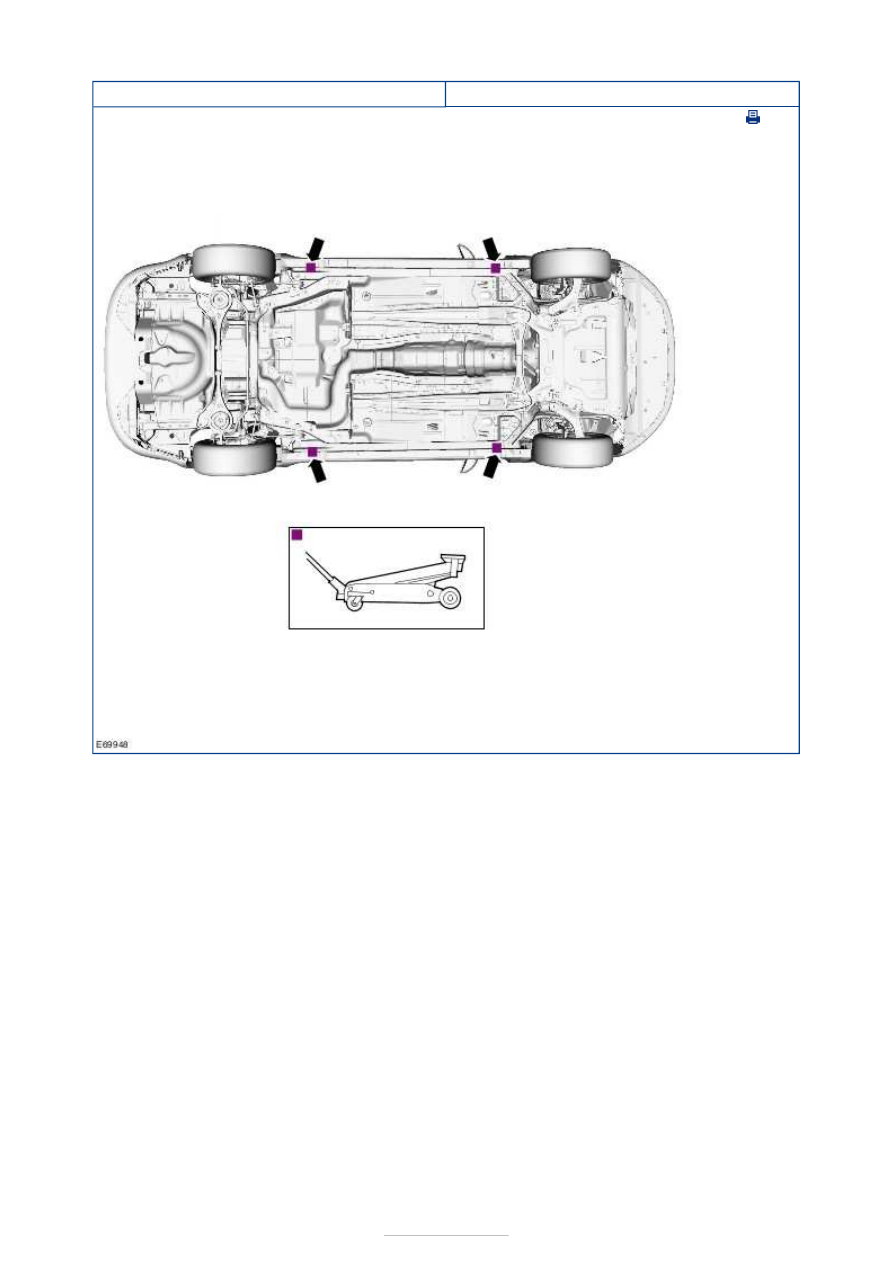
Jacking and Lifting - Jacking

S-MAX/Galaxy 2006.5 (02/2006-)


Print


Description and Operation 
 

Jacking and Lifting - Lifting

S-MAX/Galaxy 2006.5 (02/2006-)


Print


Description and Operation 


Noise, Vibration and Harshness - Noise, 
Vibration and Harshness (NVH)

S-MAX/Galaxy 2006.5 (02/2006-)


Print


Diagnosis and Testing 

Inspection and Verification 

1. 1. Verify the customer concern. 

2. 2. Visually inspect for obvious signs of mechanical or electrical damage. 

3. 3. If an obvious cause for an observed or reported concern is found, correct the cause 

(if possible) before proceeding to the next step. 

4. 4. If the concern is not visually evident, verify the symptom and REFER to the 

Symptom Chart. 

How to Use this Diagnostic Procedure Section 

Noise, vibration and harshness (NVH) concerns have become more important as vehicles 
have become more sensitive to these vibrations. This section is designed to aid in 
identifying these concerns.  
The section provides diagnostic procedures based on symptom. If the condition occurs at 
high speed, for instance, the most likely place to start is under Shake and Vibration While 
Driving.  
The road test procedure will tell how to sort the conditions into categories and how to tell 
a vibration from a shake.  
A series of Road Test Quick Checks are provided to make sure that a cause is either 
pinpointed or eliminated.  
Name the condition, proceed to the appropriate section and locate the correct diagnosis. 
When the condition is identified, the job is partly done.  
Follow the diagnostic procedure as outlined.  
Quick Checks are described within the step, while more involved tests and adjustments 
are outlined in General Procedures.  
Always follow each step exactly and make notes to recall important findings later. 

Customer Interview 

The road test and customer interview (if available) provide information that will help 
identify the concern and will provide direction to the correct starting point for diagnosis. 

Identify the Condition 

NVH usually occur in four areas: 

tires  
engine accessories  
suspension  
driveline 

It is important, therefore, that an NVH concern be isolated into its specific area(s) as soon 
as possible. The easiest and quickest way to do this is to carry out the Road Test as 
outlined. To assist in the diagnosis and testing procedure(s), use a suitable approved NVH 
diagnosis tester. 

Noise Diagnostic Procedure 

Non-Axle Noise 

The five most common sources of non-axle noise are exhaust, tires, roof racks, trim panels 
and transmission. 

Therefore, make sure that none of the following conditions are the cause of the noise 
before proceeding with a driveline teardown and diagnosis. 

In certain conditions, the pitch of the exhaust may sound very much like gear noise. At 
other times, it can be mistaken for a wheel bearing rumble.  
Tires, especially snow tires, can have a high pitched tread whine or roar, similar to gear 
noise. Radial tires may have this characteristic. Also, any non-standard tire with an 
unusual tread construction may emit a roar or whine noise.  
Trim panels can also cause whistling or whining noise.  
Clunk may be a metallic noise heard when the automatic transaxle is engaged in 
"R" (REVERSE) or "D" (DRIVE) or it may occur when the throttle is applied or released. It 
is caused by backlash somewhere in the driveline.  
Bearing rumble sounds like marbles being tumbled. This condition is usually caused by a 
damaged wheel bearing. 

Noise Conditions 

Gear noise is typically a howling or whining due to gear damage or incorrect bearing 
preload. It can occur at various speeds and driving conditions, or it can be continuous.  
Chuckle is a particular rattling noise that sounds like a stick against the spokes of a 
spinning bicycle wheel. It occurs while decelerating from 64 km/h (40 mph) and can 
usually be heard all the way to a stop. The frequency varies with vehicle speed.  
Knock is very similar to chuckle, though it may be louder and occurs on acceleration or 
deceleration. The teardown will disclose what has to be corrected. 

Clicking, popping or grinding noises may be caused by the following: 

worn, damaged or incorrectly installed wheel bearing, suspension or brake component. 

Check and rule out tires, exhaust and trim items before disassembling the transmission to 
diagnose and correct gear noise. 

The noises described under Road Test usually have specific causes that can be diagnosed 
by observation as the unit is disassembled. The initial clues are the type of noise heard on 
the road test and driving conditions. 

Vibration Conditions 

Vibration at highway speeds may be caused by the following: 

out-of-balance front or rear wheels.  
out-of-round tires. 

Shudder or vibration during acceleration may be caused by the following: 

damaged powertrain/drivetrain mounts.  
excessively high constant velocity (CV) joint operating angles caused by incorrect ride 
height. Check ride height, verify correct spring rate and check items under inoperative 
conditions. 

Road Test 

A gear-driven unit will produce a certain amount of noise. Some noise is acceptable and 
may be audible at certain speeds or under various driving conditions, as on a newly paved 
asphalt road. The slight noise is in no way detrimental and must be considered normal. 

The road test and customer interview (if available) provide information needed to identify 
the condition and give direction to the correct starting point for diagnosis. 

1. 1. Make notes throughout the diagnosis routine. Make sure to write down even the 


Content   ..  16  17  18  19   ..