Ford Contour (2000 year). Manual - part 45
 

  Index      Ford     Ford Contour - service manual 2000 year in english


Search            


Content   ..  43  44  45  46   ..


Ford Contour (2000 year). Manual - part 45


Disposal of used engine coolant

Used engine coolant should be
disposed of in an appropriate
manner. Follow your community’s
regulations and standards for
recycling and/or disposal of
automotive fluids.

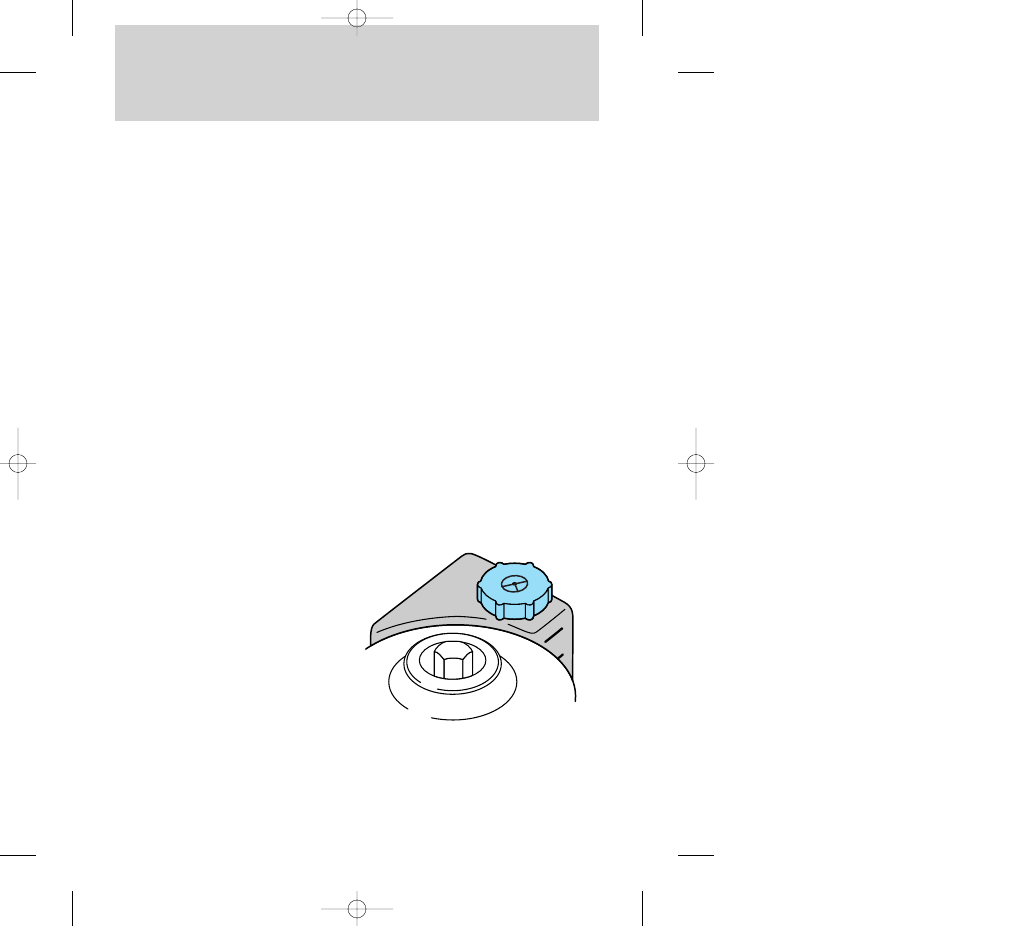
Checking and adding power
steering fluid

Switch off the engine. With the
steering system at normal
operating temperature, the fluid
level should come up to the MAX
mark.

If the fluid level drops below the
MIN mark, add the specified fluid.
Refer to the Capacities and
specifications 
chapter.

Use of recycled engine coolant

Ford Motor Company recommends
the use of recycled engine coolant
produced by Ford-approved
processes. However, not all coolant
recycling processes produce
coolant that meets Ford
specification ESE-M97B44A. Use of
such coolant may harm the engine
and coolant system components.

Maintenance and care

178

MAX

MIN

31CMCen  17.6.99 11:15 Uhr  Seite 178

Maintenance and care

179

Checking and adding automatic
transaxle fluid

Follow the scheduled service
intervals outlined in the
“Scheduled Maintenance Guide“.

Your transaxle does not consume
fluid. However, it is recommended
that you refer to your “Scheduled
Maintenance Guide“ for scheduled
intervals for fluid checks and
changes. The fluid level should be
checked or changed by a qualified
technician at the appropriate
intervals or if the transaxle is not
working properly, i.e., if the
transaxle slips or shifts slowly or if
you notice some sign of fluid
leakage.

Note: Automatic transaxle fluid
expands when warmed. To obtain
an accurate fluid level check drive
the vehicle until warmed,
approximately 30 km (20 miles). If
your vehicle has been operated for
an extended period at high speeds,
in city traffic during hot weather or
pulling a trailer, the vehicle should
be turned off for about 30 minutes
to allow fluid to cool before
checking.

1. Drive the vehicle 30 km (20
miles) or until the vehicle reaches
normal operating temperatures.

2. Park the vehicle on a level
surface and engage the parking
brake.

31CMCen  17.6.99 11:15 Uhr  Seite 179

Maintenance and care

180

3. With the parking brake engaged
and your foot on the brake pedal,
start the engine and move the
gearshift lever through all of the
gear ranges. Allow sufficient time
for each gear to engage.

4. Latch the gearshift lever in P
(Park) and leave the engine
running.

5. Remove the dipstick, wiping it
with a clean, dry lint free rag.

6. Install the dipstick making sure
it is fully seated in the filler tube.

7. Remove the dipstick and inspect
the fluid level. The fluid level
should be in the designated areas
for normal and room temperature.

Low fluid level

Do not drive the vehicle  if the fluid
level is below the hole at the
bottom of the dipstick.

Correct fluid level

The transaxle fluid level should be
checked at normal operating
temperatures 66°C - 77°C (150°F -

170°F) on a level surface. The

normal operating temperature can
be reached after approximately 
30 km (20 miles) of driving.

The transaxle fluid should be in
this range if at normal operating
temperature of 66°C - 77°C
(150°F - 170°F).

Normal operating temperature
66°C - 77°C (150°F - 170°F)

Do not drive if below this area 

31CMCen  17.6.99 11:15 Uhr  Seite 180

Maintenance and care

181

Adjusting automatic transaxle
fluid levels

Before adding any fluid, make sure
the correct type is used. The type
of fluid used is normally indicated
on the dipstick and/or dipstick
handle and also in the Lubricant
specifications 
section in the
Capacities and Specifications
chapter.

Use of a non approved
automatic transaxle fluid may
cause internal transaxle
component damage. 

If necessary, add fluid in 250 ml
(1/2 pint) increments through the
filler tube until the level is correct.

If an overfill occurs, excess fluid
should be removed by a qualified
technician.

An overfill condition of
transaxle fluid may cause shift
and/or engagement concerns
and/or possible damage.

High fluid level

Fluid levels above the safe range
may result in transaxle failure. An
overfill condition of transaxle fluid
may cause shift and/or possible
damage. High fluid levels can be
caused by an overheating
condition, see note.

Do not add if above the
crosshatched area

Do not add if above the
crosshatched area

31CMCen  17.6.99 11:15 Uhr  Seite 181


Content   ..  43  44  45  46   ..