Dodge Nitro. Manual - part 614
Lower exhaust smoke density
Improved operating economy
Altitude compensation
Noise reduction.
The turbocharger is lubricated by engine oil that is pressurized, cooled, and filtered. The oil is delivered to the
turbocharger by a supply line (2) that is tapped into the engine block. The oil travels into the bearing housing,
where it lubricates the shaft (1) and bearings. See Fig. 16. A return pipe (3) at the bottom of the bearing
housing, routes the engine oil back to the crankcase.
The most common turbocharger failure is bearing failure related to repeated hot shutdowns with inadequate
"cool-down" periods. A sudden engine shut down after prolonged operation will result in the transfer of heat
from the turbine section of the turbocharger to the bearing housing. This causes the oil to overheat and break
down, which causes bearing and shaft damage the next time the vehicle is started.
Letting the engine idle after extended operation allows the turbine housing to cool to normal operating
temperature. The following chart should be used as a guide in determining the amount of engine idle time
required to sufficiently cool down the turbocharger before shut down, depending upon the type of driving and
the amount of cargo.
REMOVAL
REMOVAL
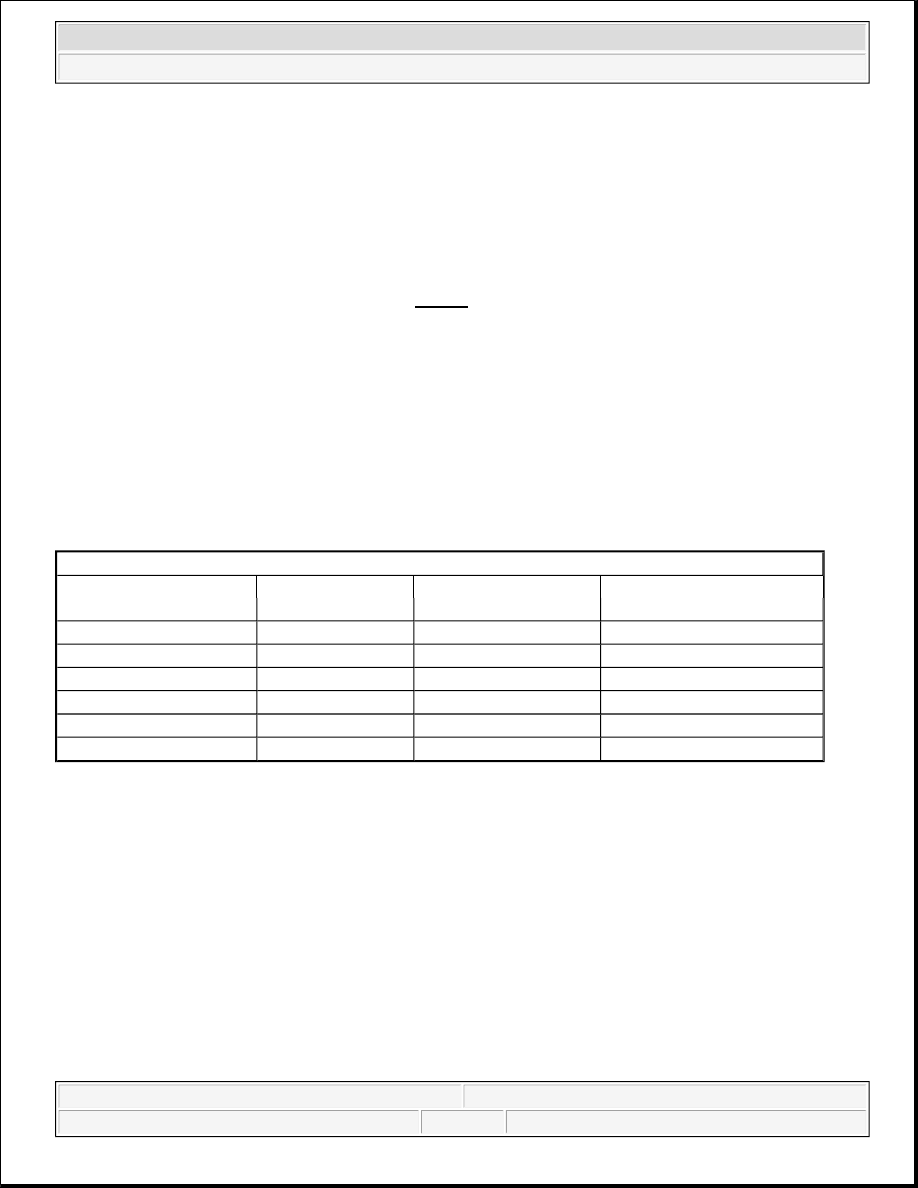
TURBOCHARGER "COOL DOWN" CHART
Driving
Load
Turbocharger
Idle Time (in minutes)
Condition
-
Temperature
Before Shut Down
Stop & Go
Empty
Cool
Less than 1
Stop & Go
Medium
Warm
1
Highway Speeds
Medium
Warm
2
City Traffic
Max. GCWR
Warm
3
Highway Speeds
Max. GCWR
Warm
4
Uphill Grade
Max. GCWR
Hot
5
2007 Dodge Nitro R/T
2007 ENGINE Exhaust System And Turbocharger - Nitro