Challenger Terra Gator 3244 Chassis. Manual - part 104
 

  Index      Challenger     Challenger Terra Gator 3244 Chassis - service repair manual 2009 year


Search            


Content   ..  102  103  104  105   ..


Challenger Terra Gator 3244 Chassis. Manual - part 104


Cab Seat

5-8

627333-A  

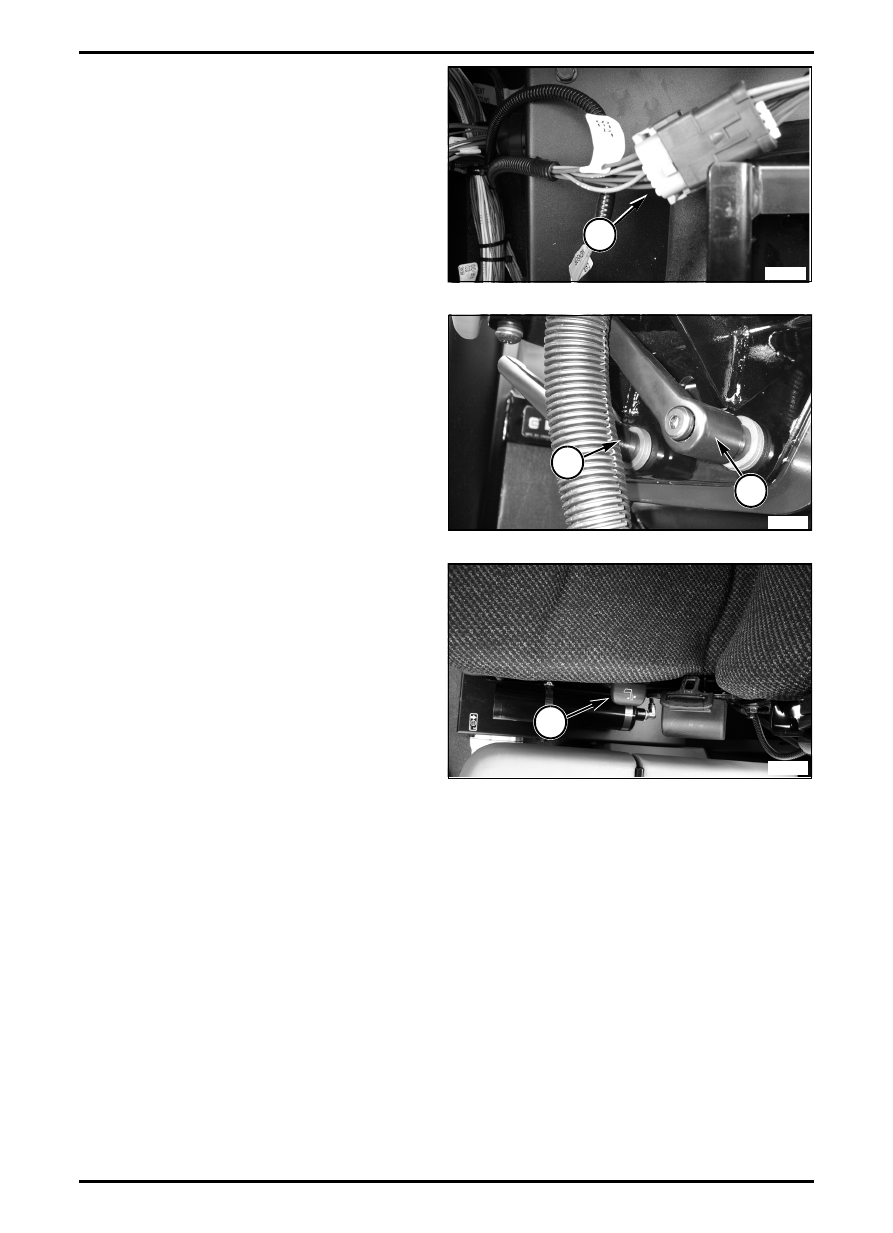
FIG. 11: Connect pigtail electrical connector (1) on

lower right-hand rear corner of seat. Pigtail from

harness is labeled SEAT.

FIG. 12: Lift shift console back into position, install

bolts (1) and tighten.

FIG. 13: With backrest recline adjustment lever (1) lift

seat back into normal operating position.

FIG. 11

M424003

1

FIG. 12

M411008

1

1

FIG. 13

1

M411002

627333-A  

5-9

Cab Seat

DIAGNOSTICS

It is possible to read the diagnostic of the seat.
Inside the suspension of the seat there is an electronic

controller box with a LED at the front, pointing to the left

side of the seat.
The LED flashing at different frequents. Every different

frequency has is own specification.

Flashing 

Frequency

Description

Correction

Continuous

No damper connection or bad damper coil.

Check connection / Replace damper.

+ 4Hz

The controller is bad should be replaced.

Replace controller.

4 Hz 

Ride mode switch is set in “Firm” setting and 

system is operating properly.

-

2 Hz

Ride mode switch is set in “Medium” setting 

and system is operating properly.

-

1 Hz

Ride mode switch is set in “Soft” setting and 

system is operating properly.

-

Cab Seat

5-10

627333-A  

TROUBLESHOOTING

FIG. 14

QSeat Troubleshooting-Model

627333-A  

5-11

HVAC

HVAC

GENERAL INFORMATION

Heating, Ventilation and Air Conditioning (HVAC) along

with components and schematics are covered in this

section.

THEORY OF OPERATION

The compressor is the central part of the A/C system.

The compressor has a suction and discharge side, or a

low and high side. On the high side of compressor,

marked “dis” on compressor head, refrigerant is

discharged from compressor. In condenser, during sub

cooling process, refrigerant changes from a gas to a

liquid. Liquid refrigerant leaves condenser and enters

receiver-dryer where desiccant inside drier filters liquid

refrigerant. Liquid refrigerant leaves drier and moves

onto TXV, which meters or controls amount of

refrigerant flowing into evaporator. As liquid refrigerant

is pulled through evaporator liquid refrigerant changes

state in superheat process from a liquid mist to a low

temperature, low pressure gas. Now refrigerant is fully

on suction and low side of A/C system, refrigerant is

then pulled into compressor as a low temp, low

pressure gas, since liquid refrigerant cannot be

compressed. At this point the process begins again.

BASICS OF REFRIGERATION

Air conditioning is based on the process of heat

transfer. When a warmer object is placed next to a

colder object, the warmer object loses heat and

becomes cooler and the colder object absorbs heat

and becomes warmer. An air conditioning system

removes heat from cab and releases the heat to

outside air.

Intensity of heat is measured with a thermometer in

degrees Celsius or Fahrenheit. Quantity of heat is

measured in calories or British Thermal Units (BTUs).

BTU is amount of heat needed to raise one pound of

water one degree Fahrenheit. A calorie is similar to a

BTU but is measured in metric units.

When enough BTUs are added to or subtracted from a

liquid, the liquid turns into a vapor or a solid, called

change of state.

For example, a pound of water at 100 °C  (212 °F) must

have 1023 kJ  (970 BTUs) added to change to a vapor

at the same temperature. As a substance changes

state, it absorbs or releases large amounts of heat

without changing temperatures.

Liquids absorb the greatest amount of heat when

boiled. Therefore, boiling point of a liquid refrigerant

needs to be lower than temperature of area it is

supposed to cool. Refrigerant R134a is used in most air

conditioning systems because it has a very low boiling

point -30 °C (-22 °F).

As R134a boils, heat from the tractor is absorbed until

cab is cooled, this is the basis of an air conditioning

system.


Content   ..  102  103  104  105   ..