FM 3-05.70 Field Manual Survival (17 May 2002) - page 20
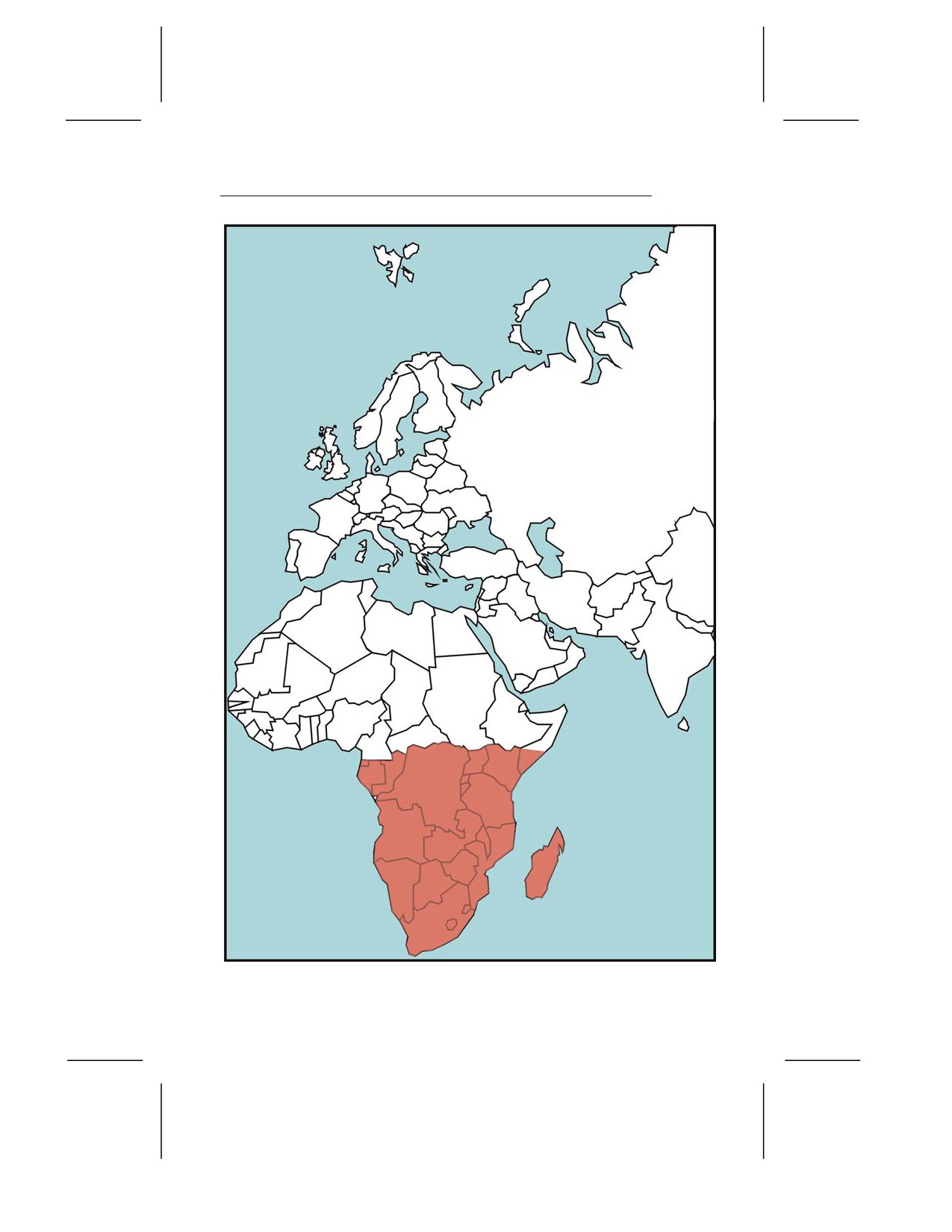
Figure E-22. Boomslang Habitat
E-41
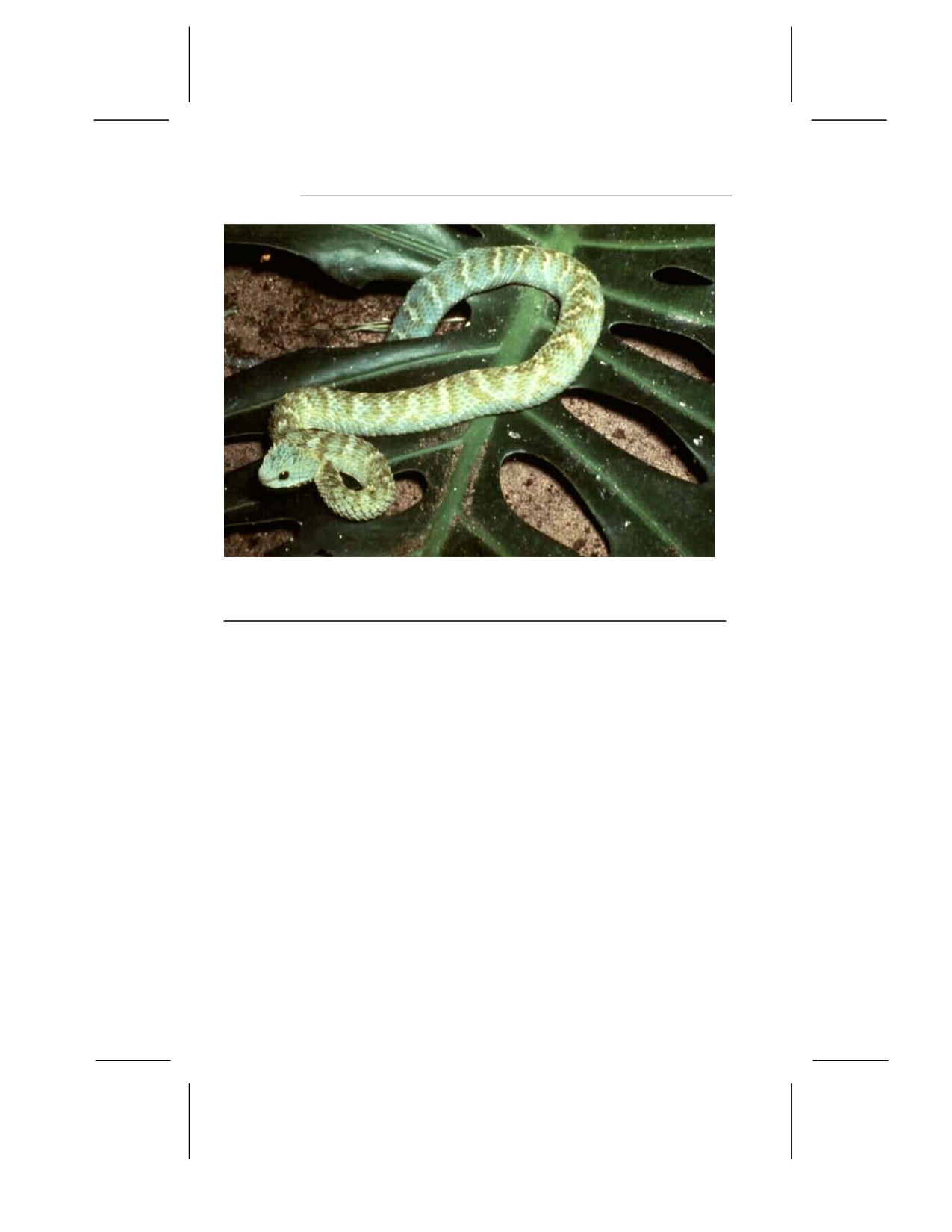
Bush viper
Atheris squamiger
Description: Often called leaf viper, its color varies from ground colors of pale
green to olive, brown, or rusty brown. The viper uses its prehensile tail to secure
itself to branches.
Characteristics: An arboreal species that often comes down to the ground to
feed on small rodents. It is not aggressive, but it will defend itself when molested
or touched. Its venom is hemotoxic; healthy adults rarely die from its bite.
Habitat: Found in rain forests and woodlands bordering swamps and forests.
Often found in trees, low-hanging branches, or brush.
Length: Average 45 centimeters (18 inches), maximum 75 centimeters (29
inches).
Distribution: Most of Africa, particularly Angola, Cameroon, Uganda, Kenya,
and the Congo (Figure E-23, page E-43).
E-42
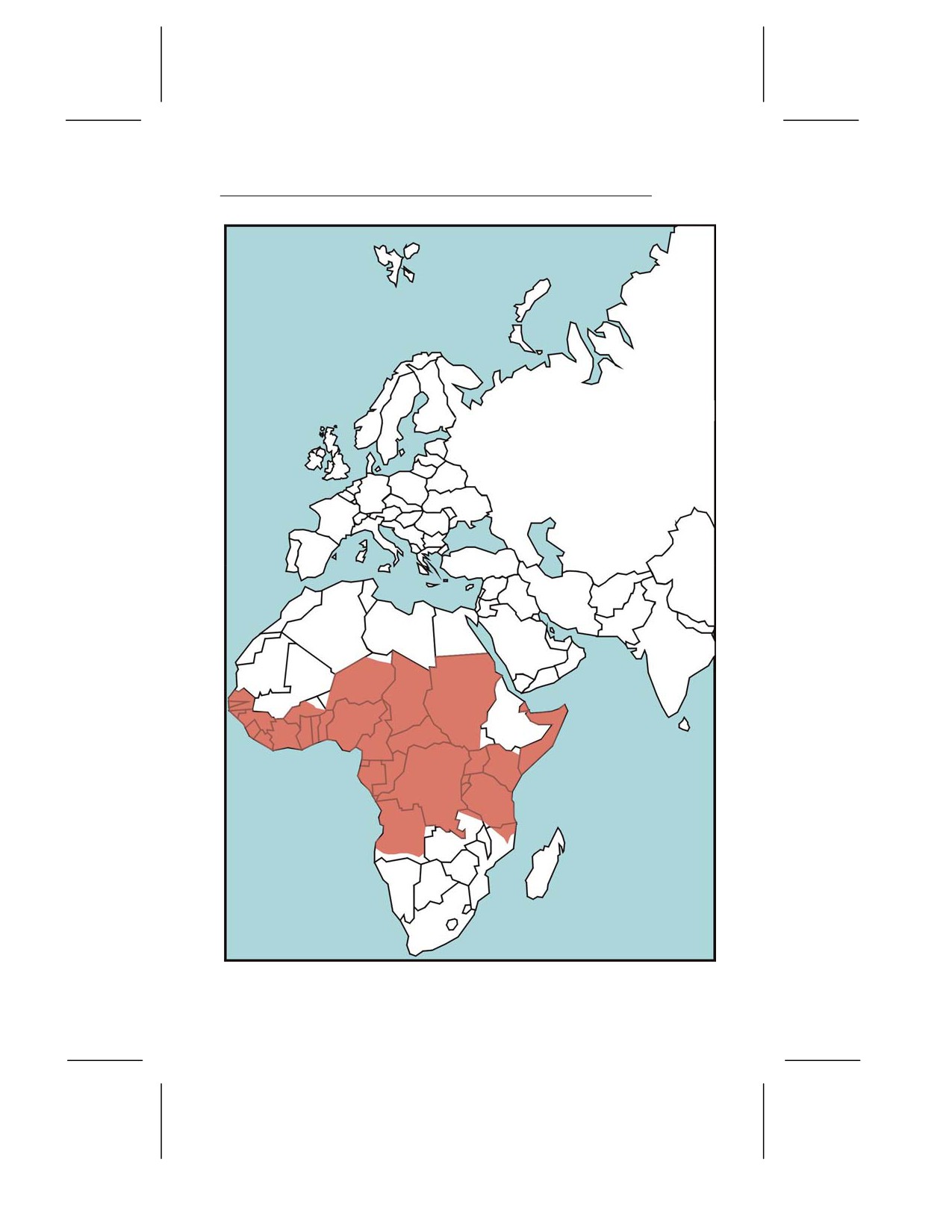
Figure E-23. Bush Viper Habitat
E-43
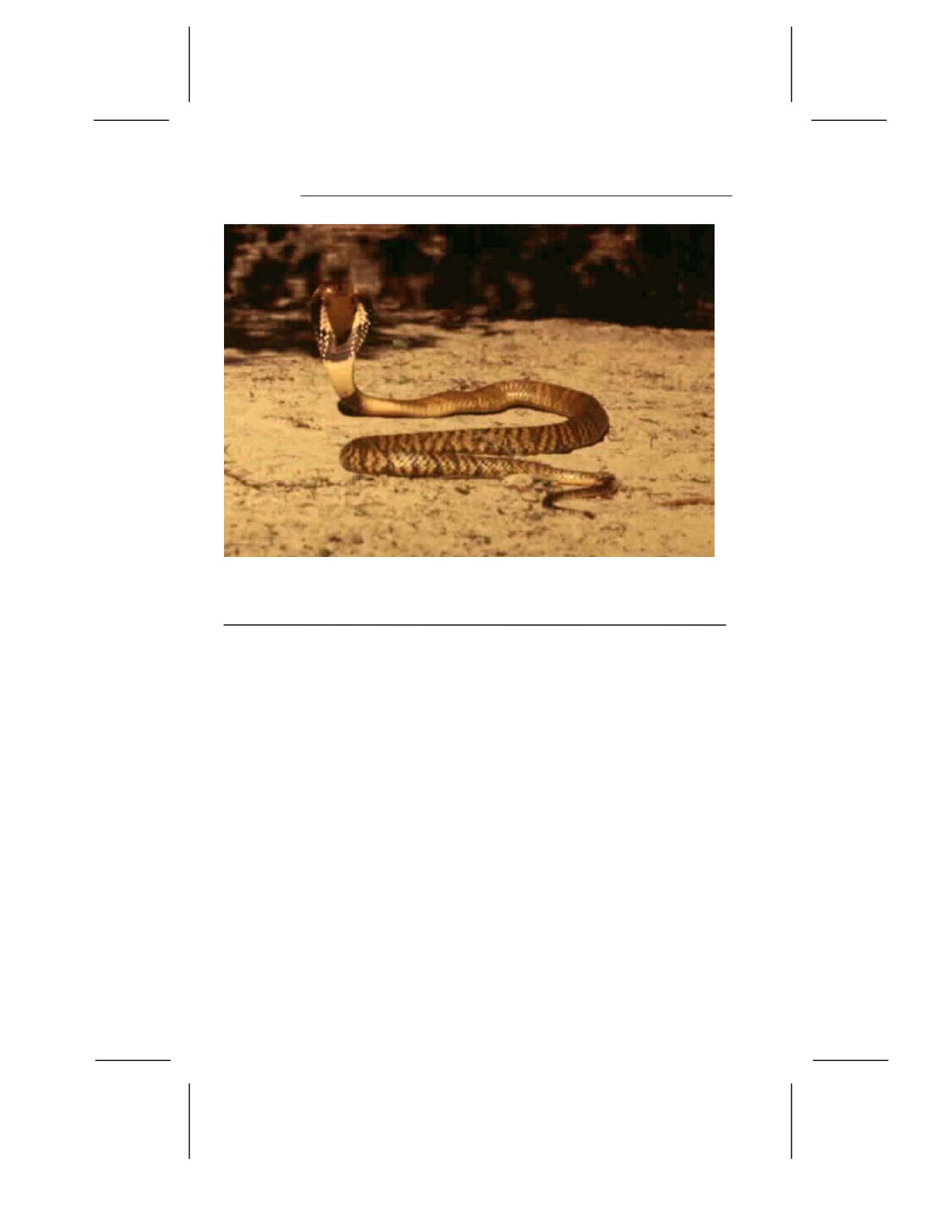
Common cobra or Asiatic cobra
Naja naja
Description: Usually slate gray to brown overall. The back of the hood may or
may not have a pattern.
Characteristics: A very common species responsible for many deaths each year.
When aroused or threatened, the cobra will lift its head off the ground and spread
its hood, making it more menacing. Its venom is highly neurotoxic, causing
respiratory paralysis with some tissue damage. The cobra would rather retreat if
possible, but if escape is shut off, it will be a dangerous creature to deal with.
Habitat: Found in any habitat: cultivated farms, swamps, open fields, and human
dwellings, where it searches for rodents.
Length: Average 1.2 meters (4 feet), maximum 2.1 meters (7 feet).
Distribution: From southeast to southwest Asia, including Indonesia (Figure E-24,
page E-45).
E-44
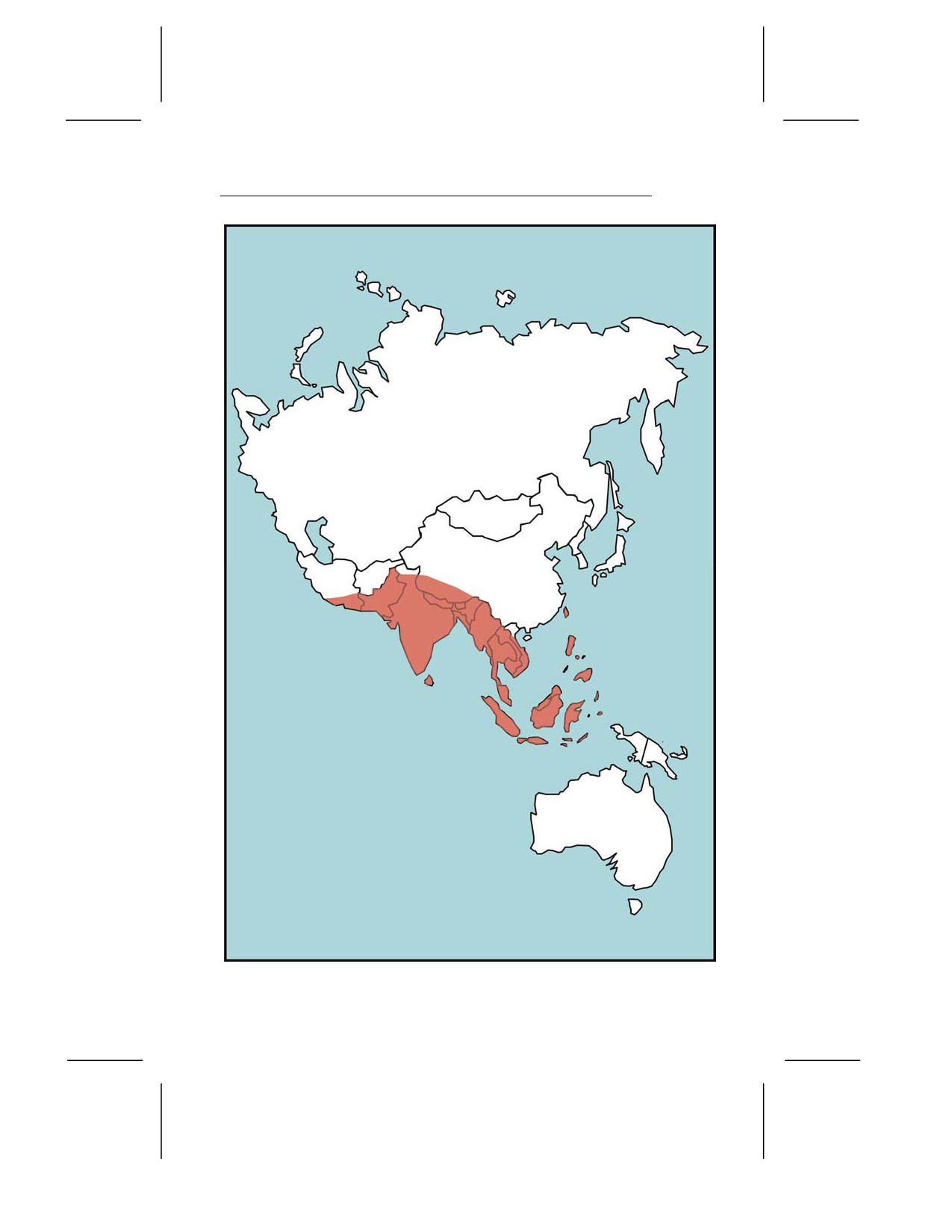
Figure E-24. Common Cobra or Asiatic Cobra Habitat
E-45
Egyptian cobra
Naja haje
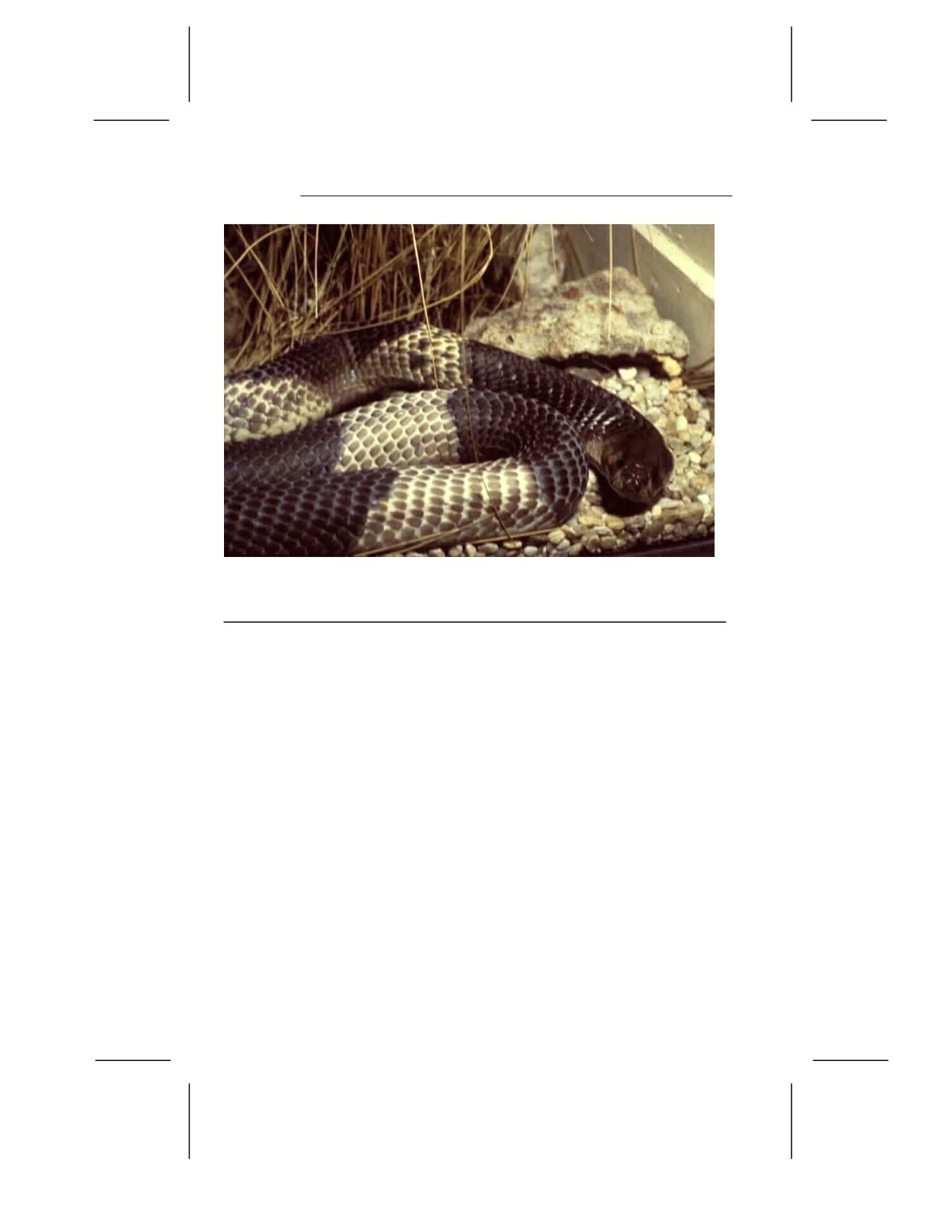
Description: Yellowish, dark brown, or black uniform top with brown crossbands.
Its head is sometimes black.
Characteristics: It is extremely dangerous. It is responsible for many human
deaths. Once aroused or threatened, it will attack and continue the attack until it
feels an escape is possible. Its venom is neurotoxic and much stronger than the
common cobra. Its venom causes paralysis and death due to respiratory failure.
Habitat: Cultivated farmlands, open fields, and arid countrysides. It is often seen
around homes searching for rodents.
Length: Average 1.5 meters (5 feet), maximum 2.5 meters (8 feet).
Distribution: Africa, Iraq, Syria, and Saudi Arabia (Figure E-25, page E-47).
E-46
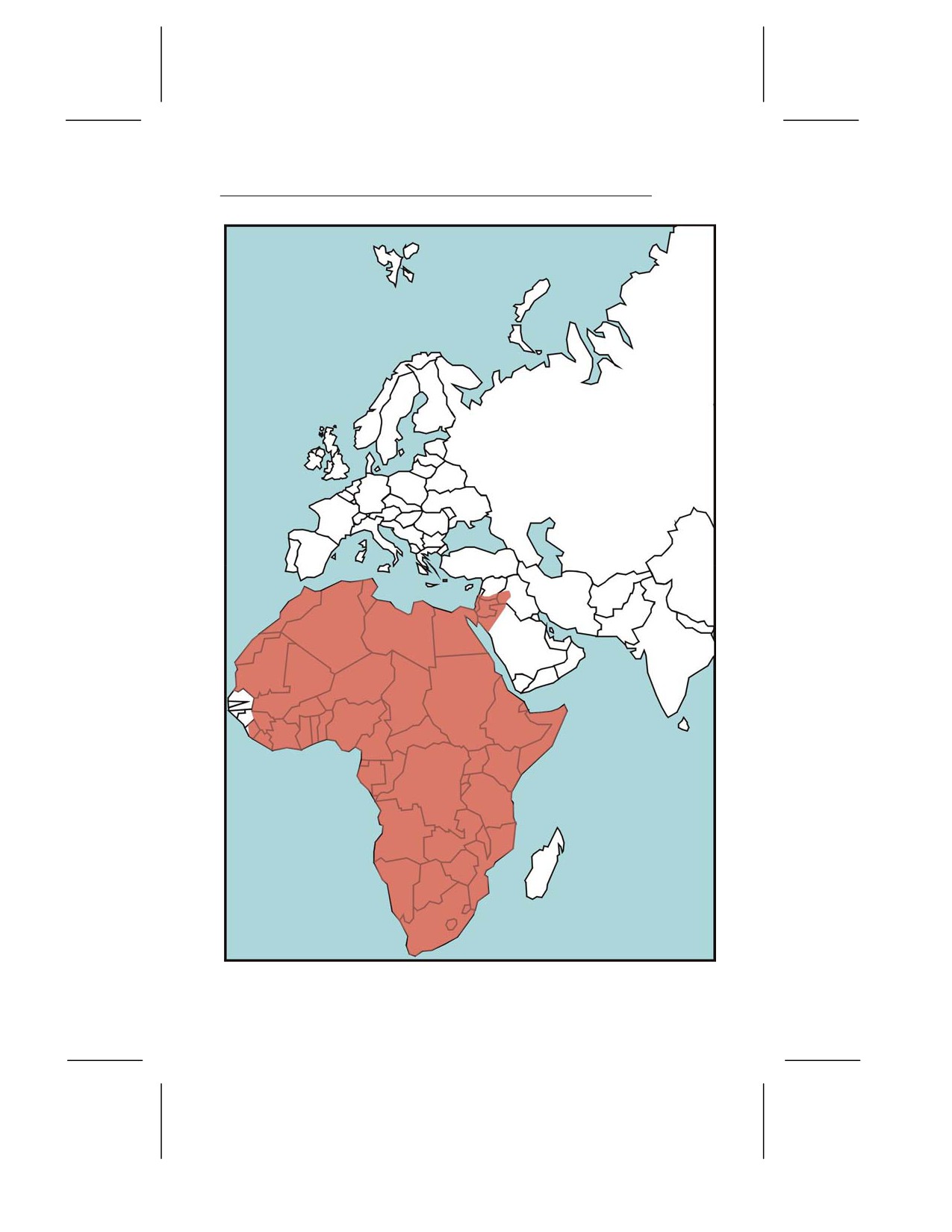
Figure E-25. Egyptian Cobra Habitat
E-47
Gaboon viper
Bitis gabonica
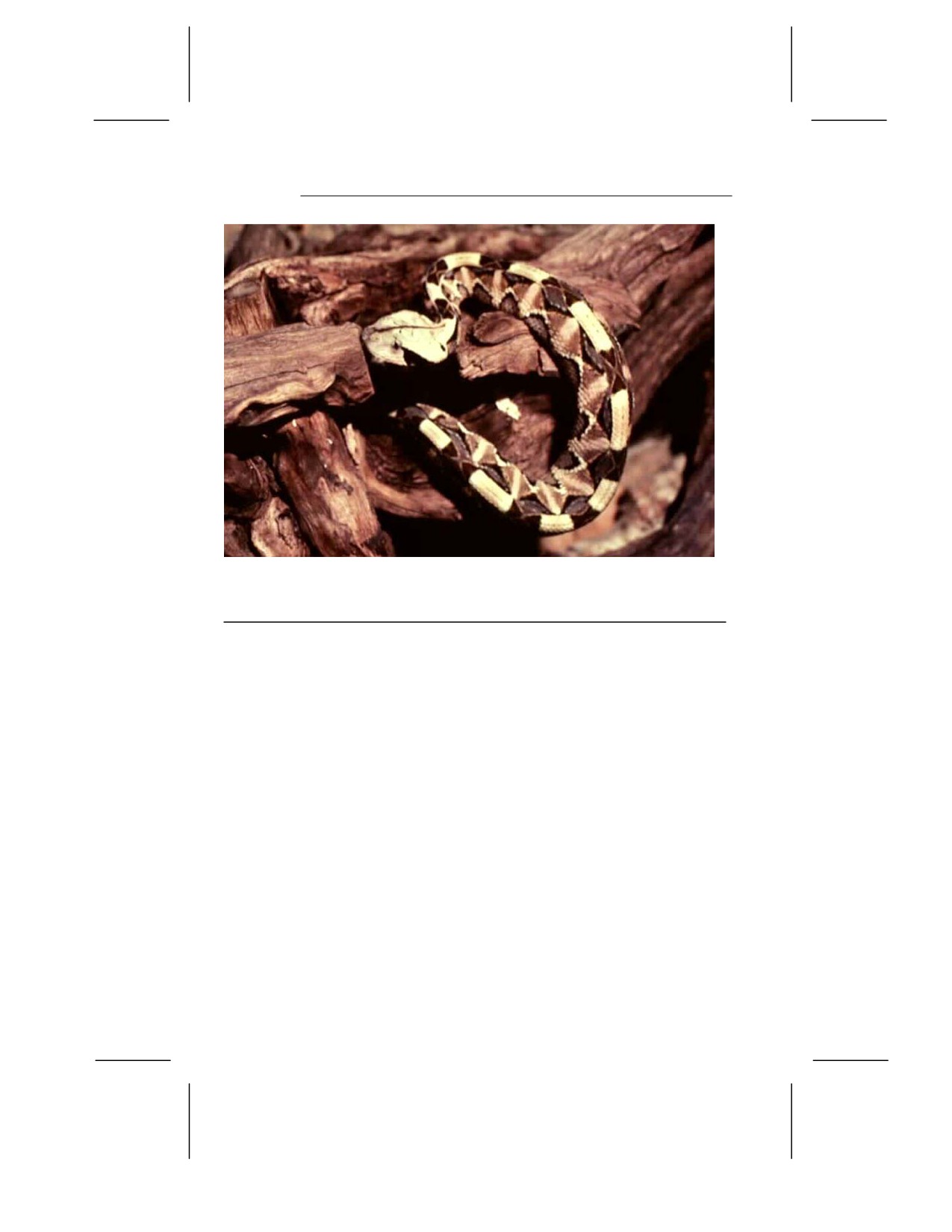
Description: Pink to brown with a vertebral series of elongated yellowish or light
brown spots connected by hourglass-shaped markings on each side. It has a
dark brown stripe behind each eye. This dangerous viper is almost invisible on
the forest floor. A
1.8-meter-long (6-foot-long) Gaboon viper could weigh 16
kilograms (35 pounds).
Characteristics: The largest and heaviest of all true vipers, having a very large
triangular head. It comes out in the evening to feed. Fortunately, it is not
aggressive, but it will stand its ground if approached. It bites when molested or
stepped on. Its fangs are enormous, often measuring 5 centimeters (2 inches)
long. It injects a large amount of venom when it strikes. Its venom is neurotoxic
and hemotoxic.
Habitat: Dense rain forests. Occasionally found in open country.
Length: Average 1.2 meters (4 feet), maximum 1.8 meters (6 feet).
Distribution: Most of Africa (Figure E-26, page E-49).
E-48
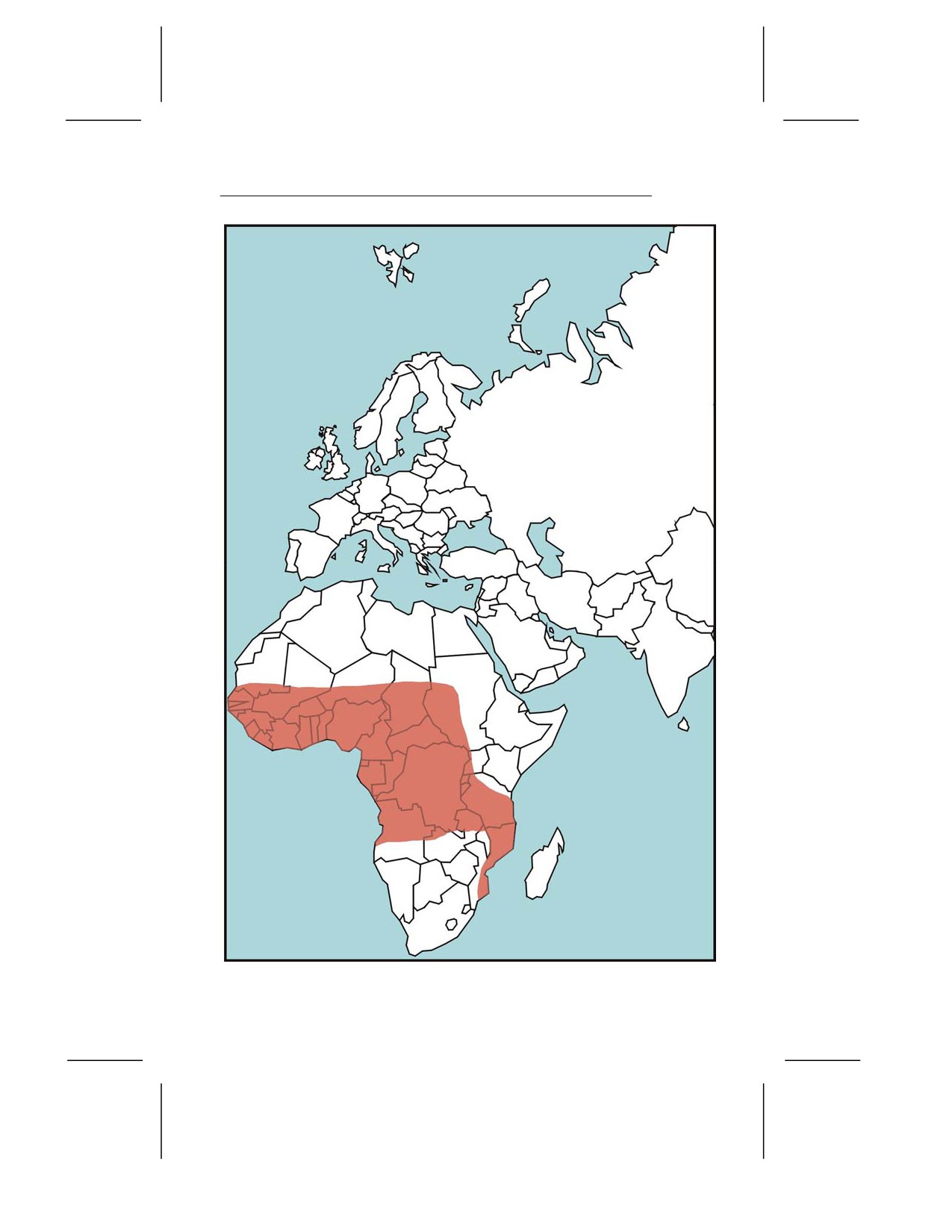
Figure E-26. Gaboon Viper Habitat
E-49
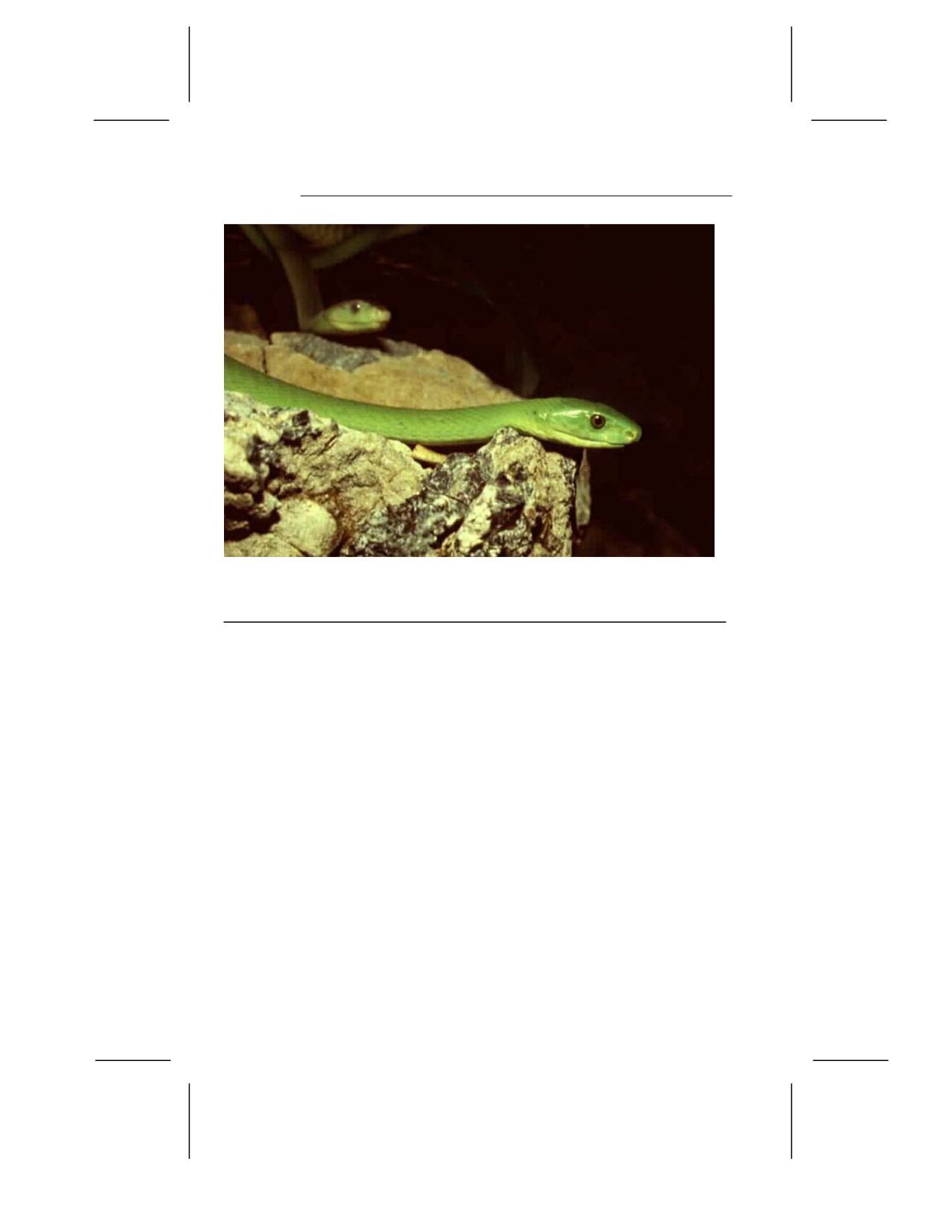
Green mamba
Dendraspis angusticeps
Description: Most mambas are uniformly bright green over their entire body.
The black mamba, the largest of the species, is uniformly olive to black.
Characteristics: The mamba is the most dreaded snake species of Africa. Treat
it with great respect. It is considered one of the most dangerous snakes known.
Not only is it highly venomous but it is aggressive and its victim has little chance
to escape from a bite. Its venom is highly neurotoxic.
Habitat: Mambas are at home in brush, trees, and low-hanging branches looking
for birds, a usual diet for this species.
Length: Average 1.8 meters (6 feet), maximum 3.7 meters (12 feet).
Distribution: Most of Africa (Figure E-27, page E-51).
E-50
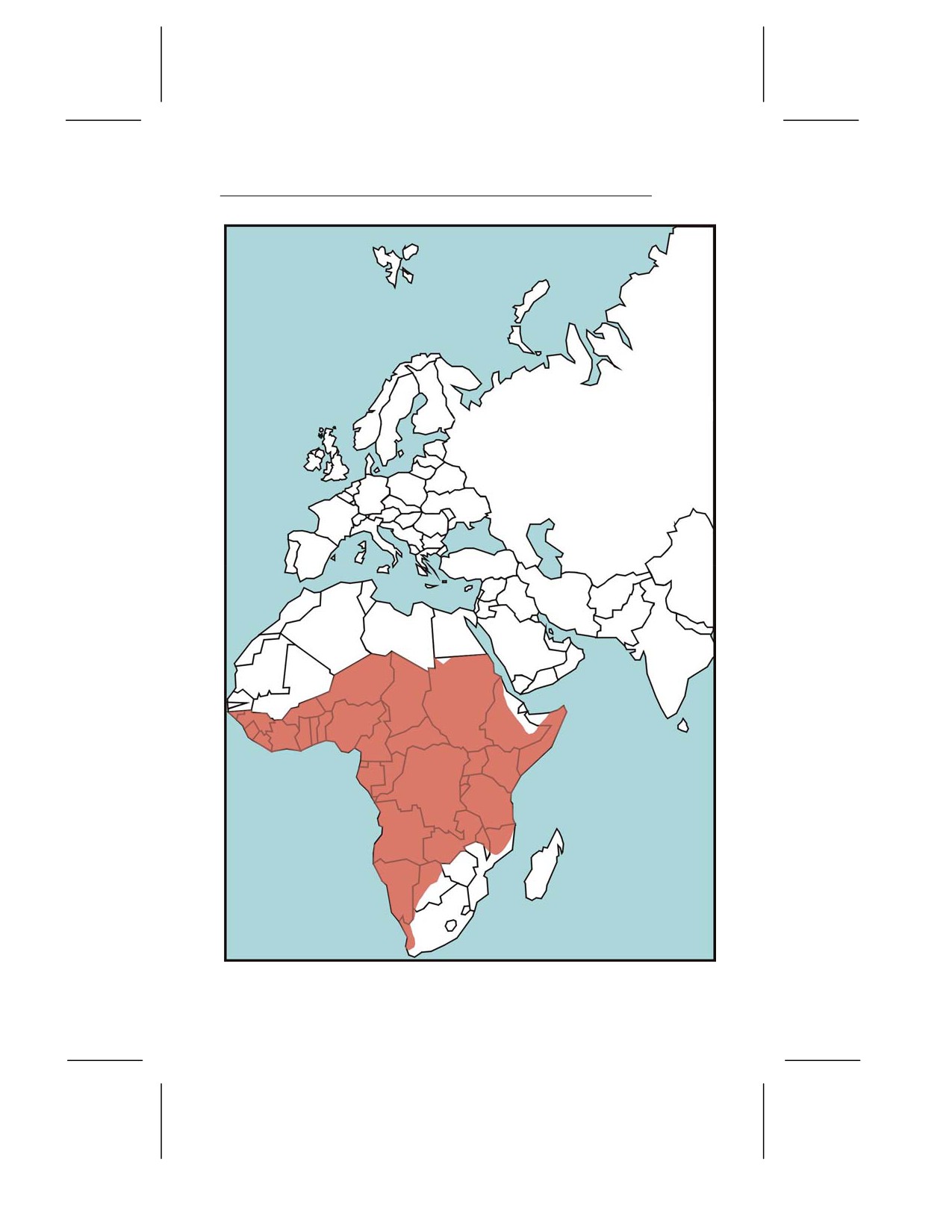
Figure E-27. Green Mamba Habitat
E-51
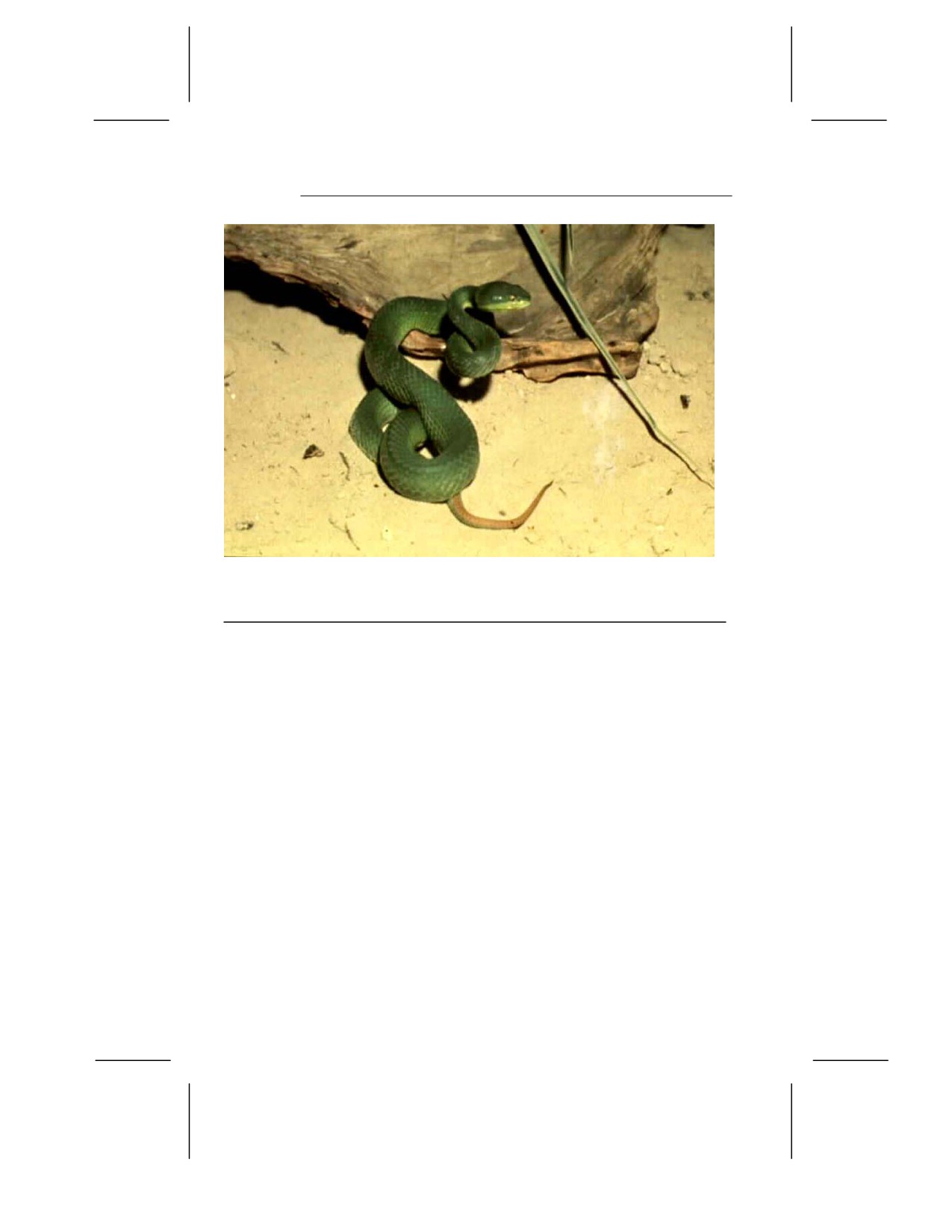
Green tree pit viper
Trimeresurus gramineus
Description: Uniform bright or dull green with light yellow on the facial lips.
Characteristics: A small arboreal snake of some importance, though not
considered a deadly species. It is a dangerous species because most of its bites
occur in the head, shoulder, and neck areas. It seldom comes to the ground. It
feeds on young birds, lizards, and tree frogs.
Habitat: Found in dense rain forests and plantations.
Length: Average 45 centimeters (18 inches), maximum 75 centimeters (30
inches).
Distribution: Much of south and southeast Asia, particularly India, Myanmar,
Malaya, Thailand, Laos, Cambodia, Vietnam, China, Indonesia, and Taiwan
(Figure E-28, page E-53).
E-52
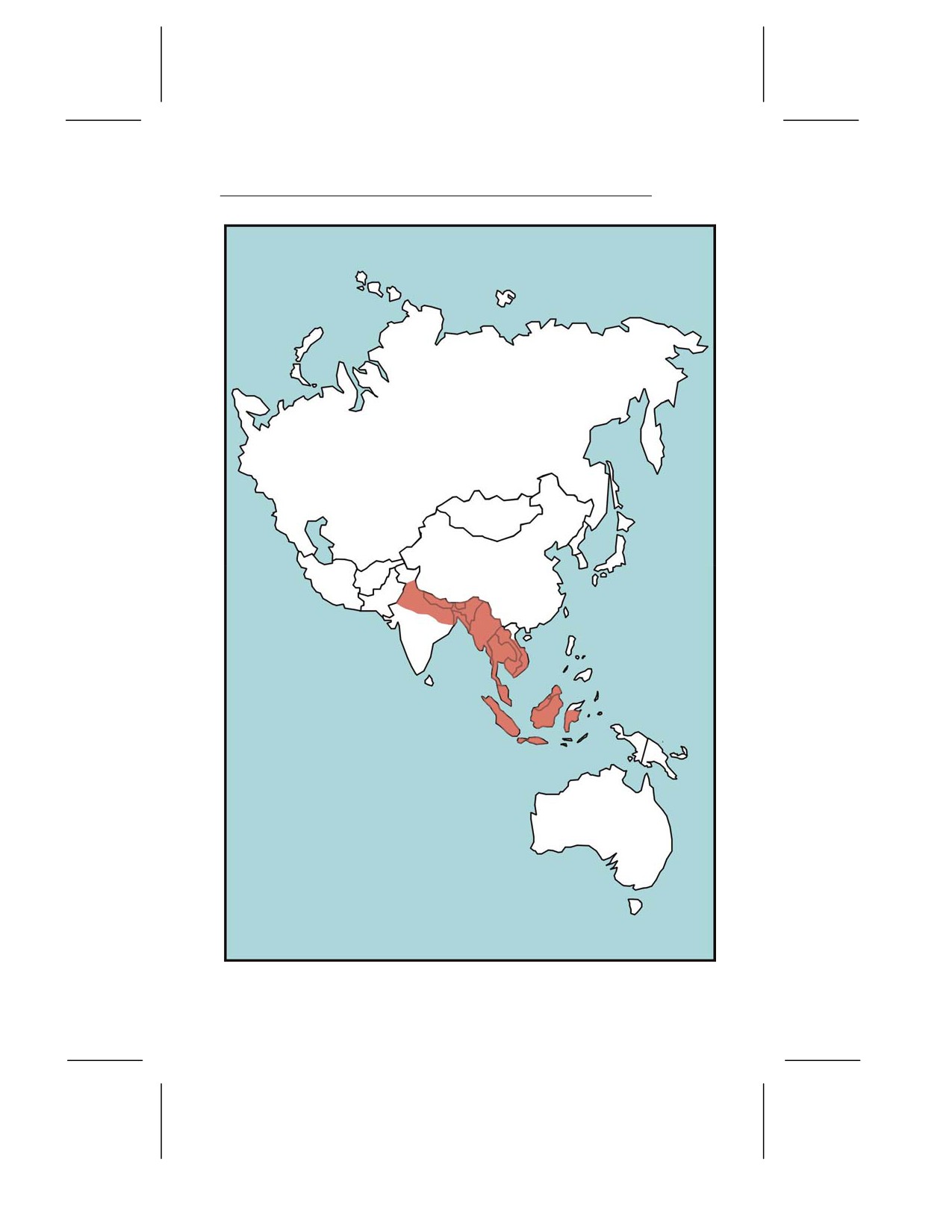
Figure E-28. Green Tree Pit Viper Habitat
E-53
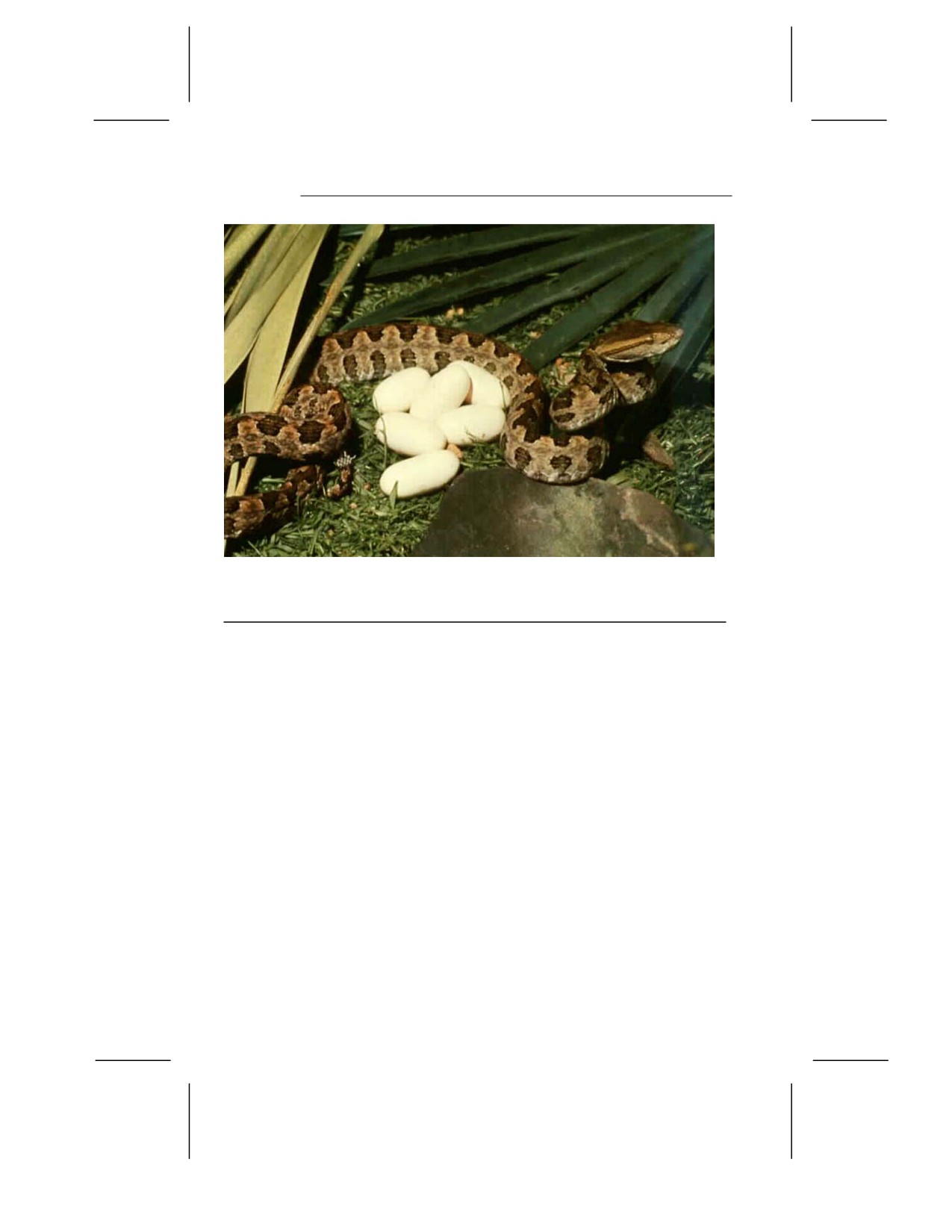
Habu pit viper
Trimeresurus flavoviridis
Description: Light brown or olive-yellow with black markings and a yellow or
greenish-white belly.
Characteristics: This snake is responsible for biting many humans, and its bite
could be fatal. It is an irritable species ready to defend itself. Its venom is
hemotoxic, causing pain and considerable tissue damage.
Habitat: Found in a variety of habitats, ranging from lowlands to mountainous
regions. Often encountered in old houses and rock walls surrounding buildings.
Length: Average 1 meter (3 feet), maximum 1.5 meters (5 feet).
Distribution: Okinawa and neighboring islands and Kyushu (Figure E-29, page
E-55).
E-54
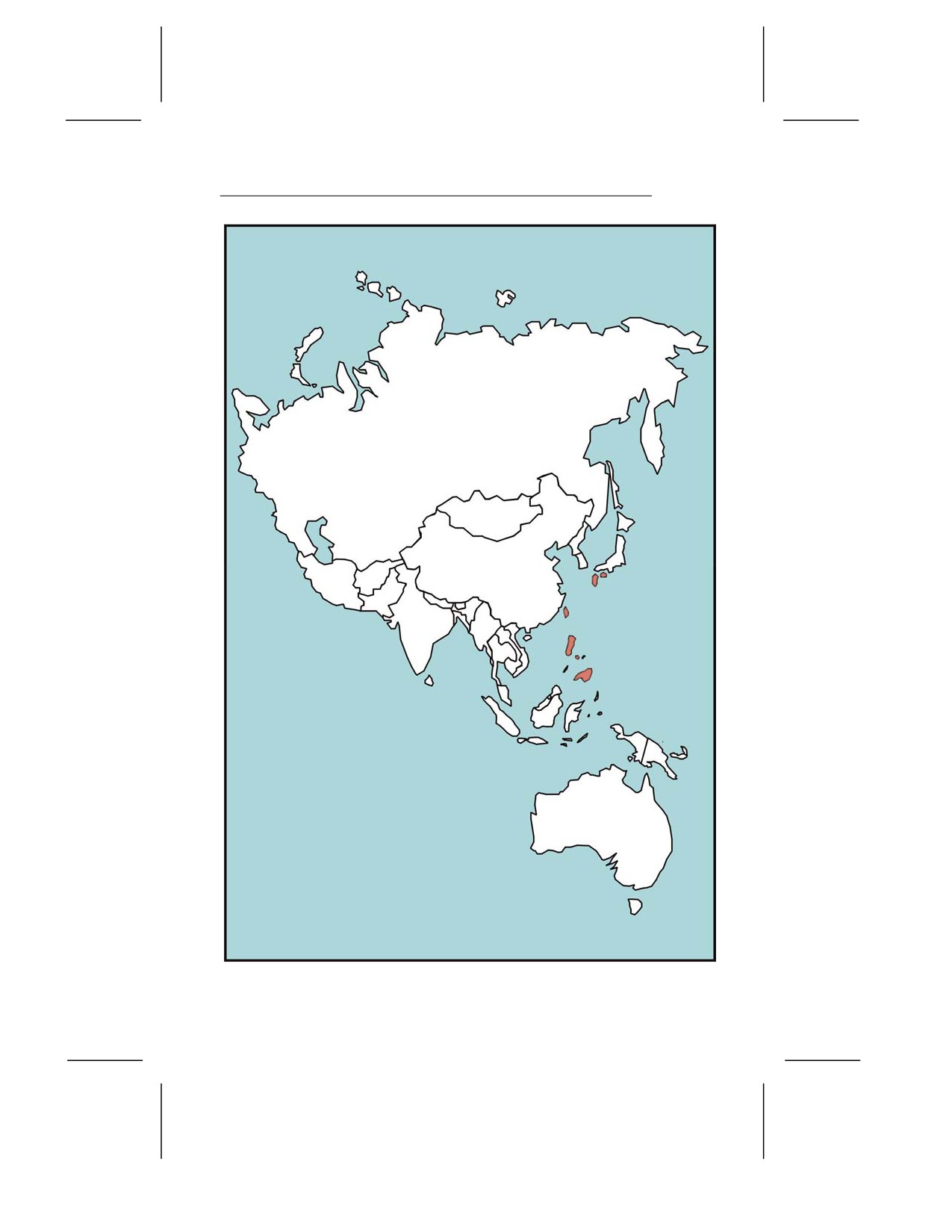
Figure E-29. Habu Pit Viper Habitat
E-55
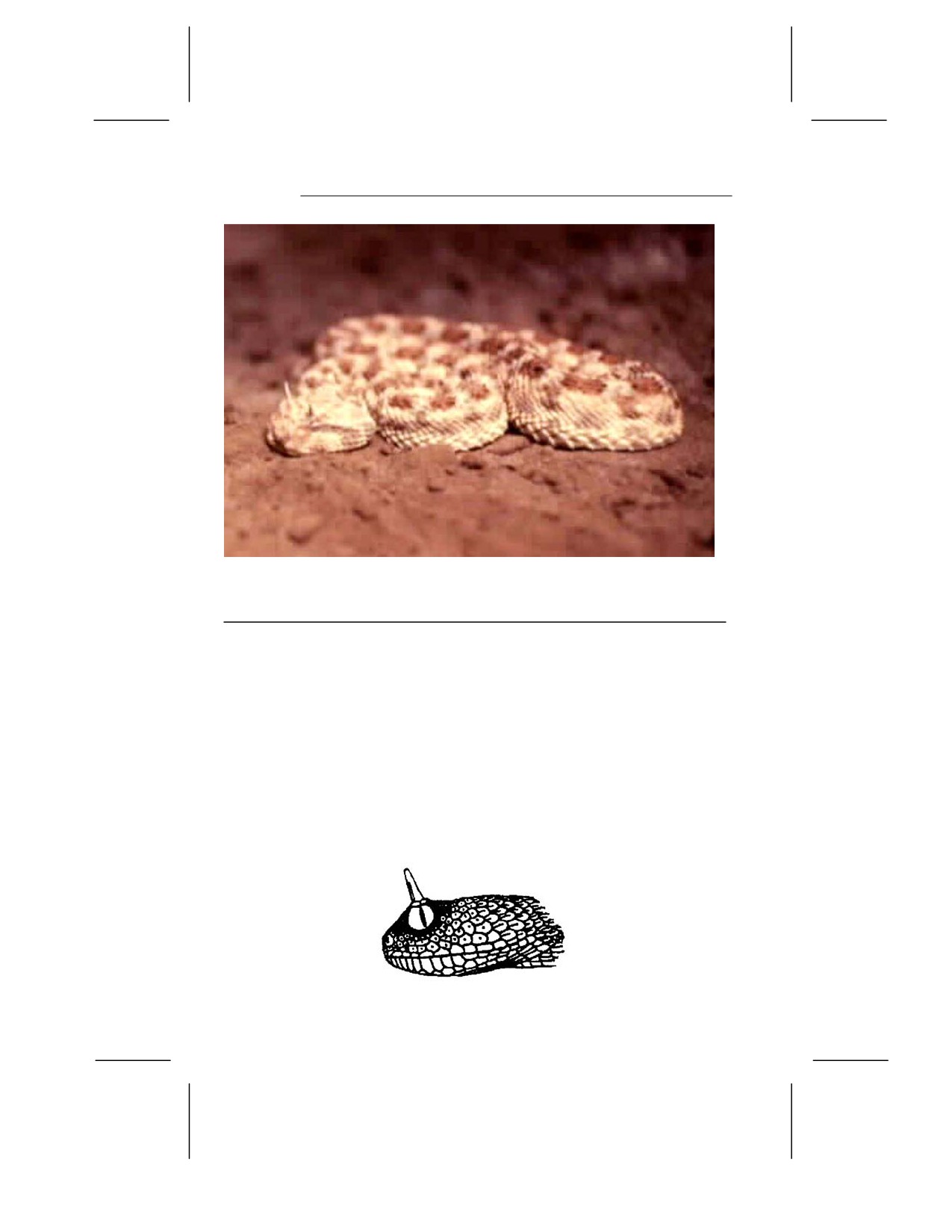
Horned desert viper
Cerastes cerastes
Description: Pale buff color with obscure markings and a sharp spine (scale)
over each eye.
Characteristics: As with all true vipers that live in the desert, it finds refuge by
burrowing in the heat of the day, coming out at night to feed. It is difficult to detect
when buried; therefore, many bites result from the snake being accidentally
stepped on. Its venom is hemotoxic, causing severe damage to blood cells and
tissue.
Habitat: Only found in very arid places within its range.
Length: Average 45 centimeters (18 inches), maximum 75 centimeters (30
inches).
Distribution: Most of northern Africa and the Mideast (Figure E-30, page E-57).
E-56
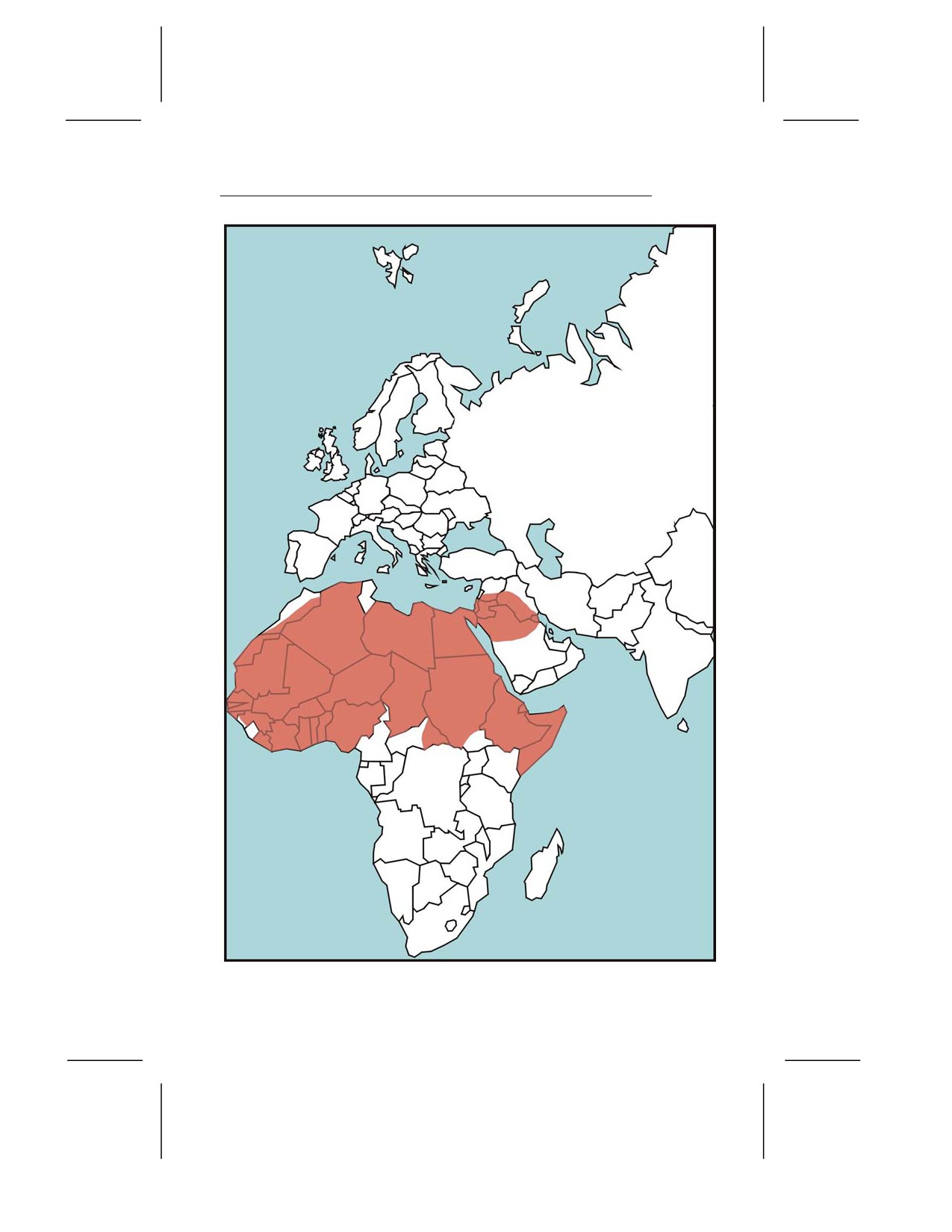
Figure E-30. Horned Desert Viper Habitat
E-57
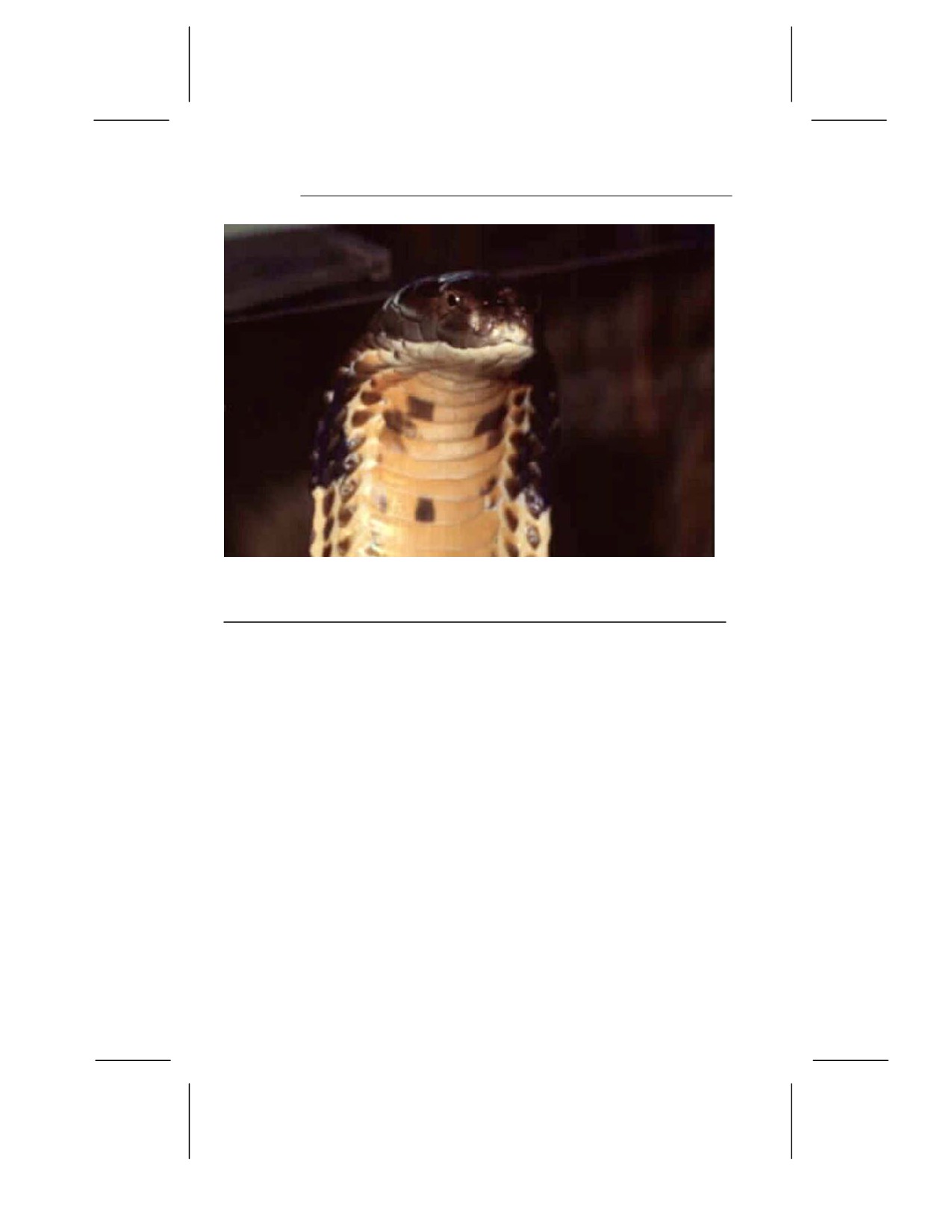
King cobra
Ophiophagus hannah
Description: Uniformly olive, brown, or green with ringlike crossbands of black.
Characteristics: Although it is the largest venomous snake in the world and it
has a disposition to go with this honor, it causes relatively few bites on humans. It
appears to have a degree of intelligence. It avoids attacking another venomous
snake for fear of being bitten. It feeds exclusively on harmless species. The
female builds a nest then deposits her eggs. Lying close by, she guards the nest
and is highly aggressive toward anything that closely approaches the nest. The
venom is a powerful neurotoxin. Without medical aid, death is certain for its
victims.
Habitat: Dense jungle and cultivated fields.
Length: Average 3.5 meters (12 feet), maximum 5.5 meters (18 feet).
Distribution: South and southeast Asia, particularly Thailand, southern China,
Malaysia Peninsula, and the Philippines (Figure E-31, page E-59).
E-58
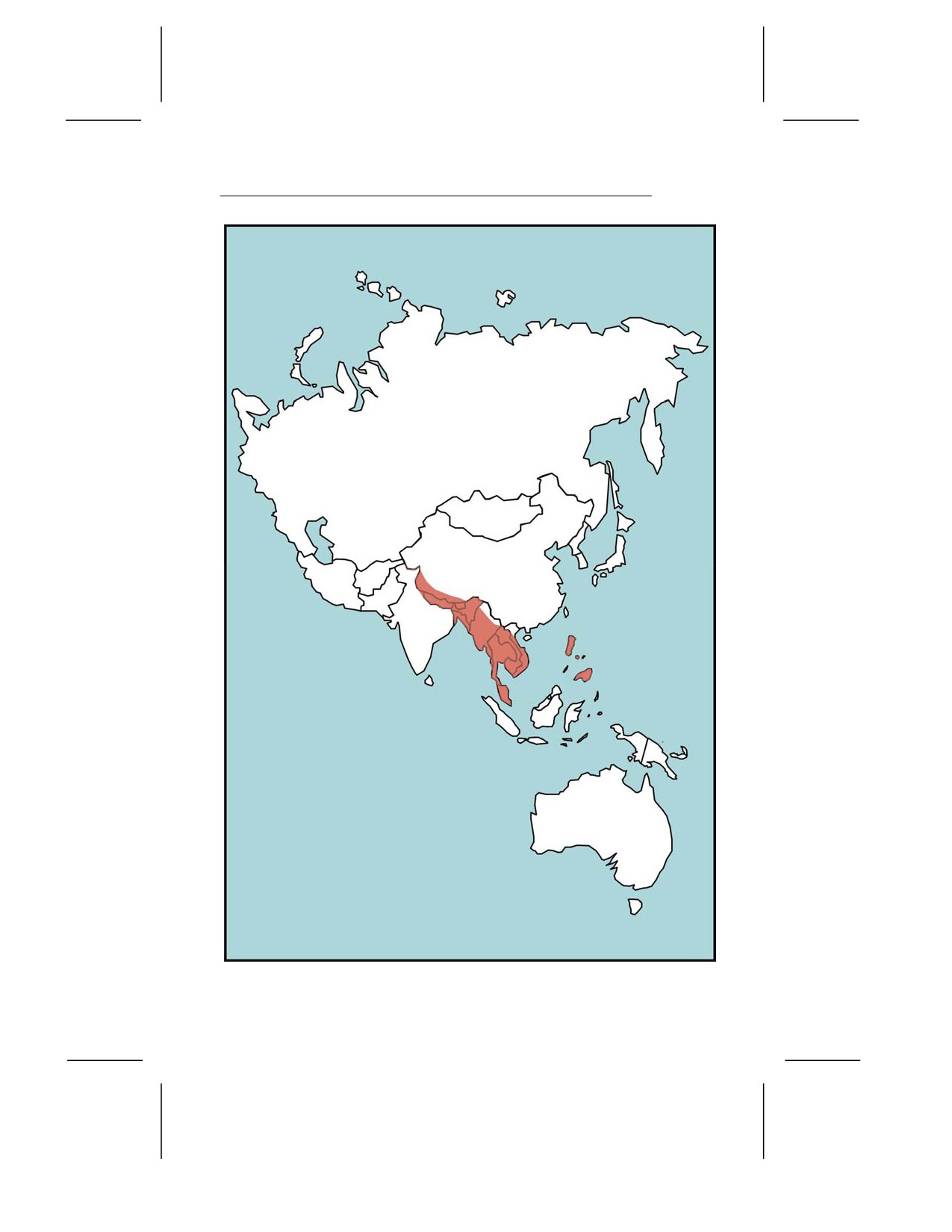
Figure E-31. King Cobra Habitat
E-59
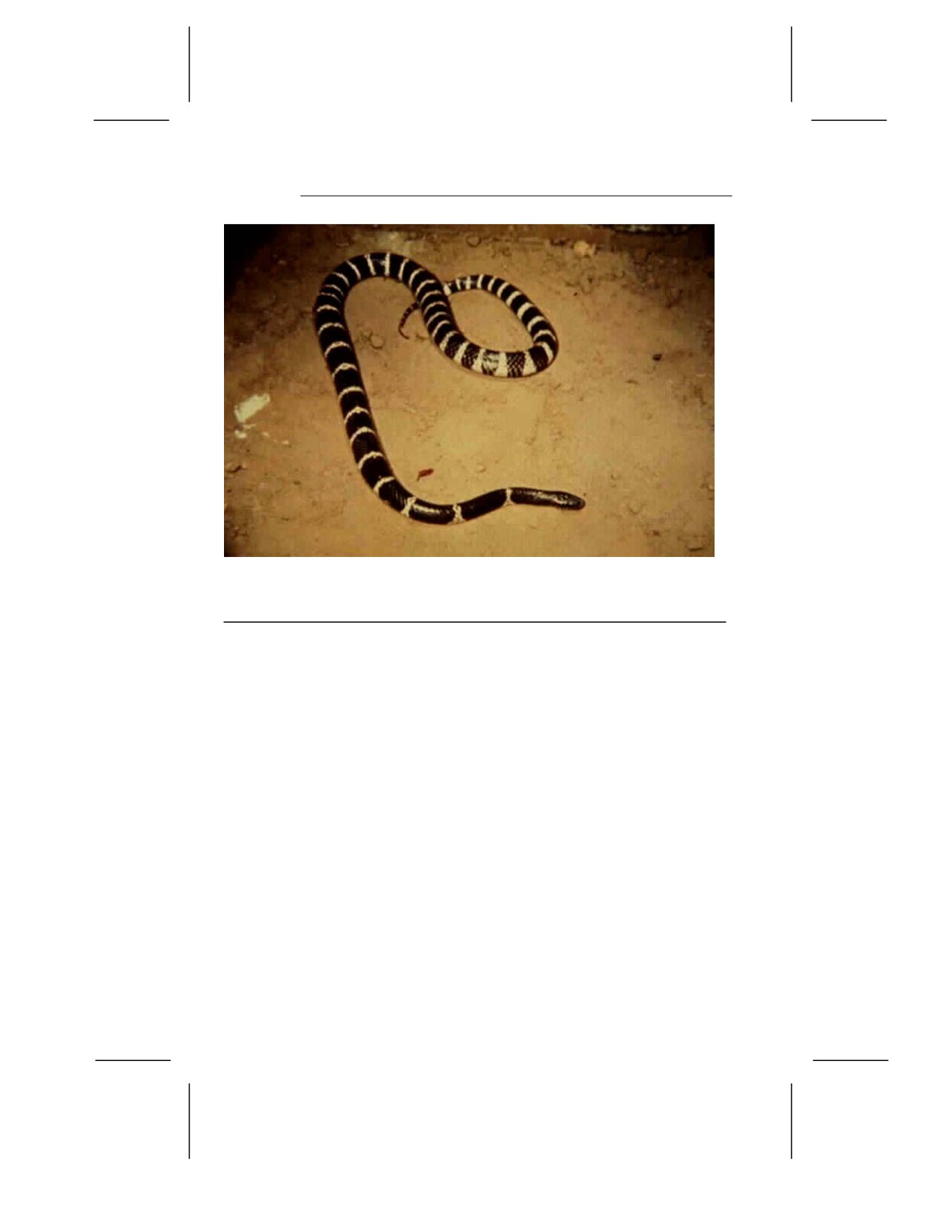
Krait
Bungarus caeruleus
Description: Black or bluish-black with white narrow crossbands and a narrow
head.
Characteristics: Kraits are found only in Asia. This snake is of special concern
to man. It is deadly—about 15 times more deadly than the common cobra. It is
active at night and relatively passive during the day. The native people often step
on kraits while walking through their habitats. The krait has a tendency to seek
shelter in sleeping bags, boots, and tents. Its venom is a powerful neurotoxin that
causes respiratory failure.
Habitat: Open fields, human settlements, and dense jungle.
Length: Average 90 centimeters (35 inches), maximum 1.5 meters (5 feet).
Distribution: Much of south and southeast Asia, particularly India, Sri Lanka,
and Pakistan (Figure E-32, page E-61).
E-60
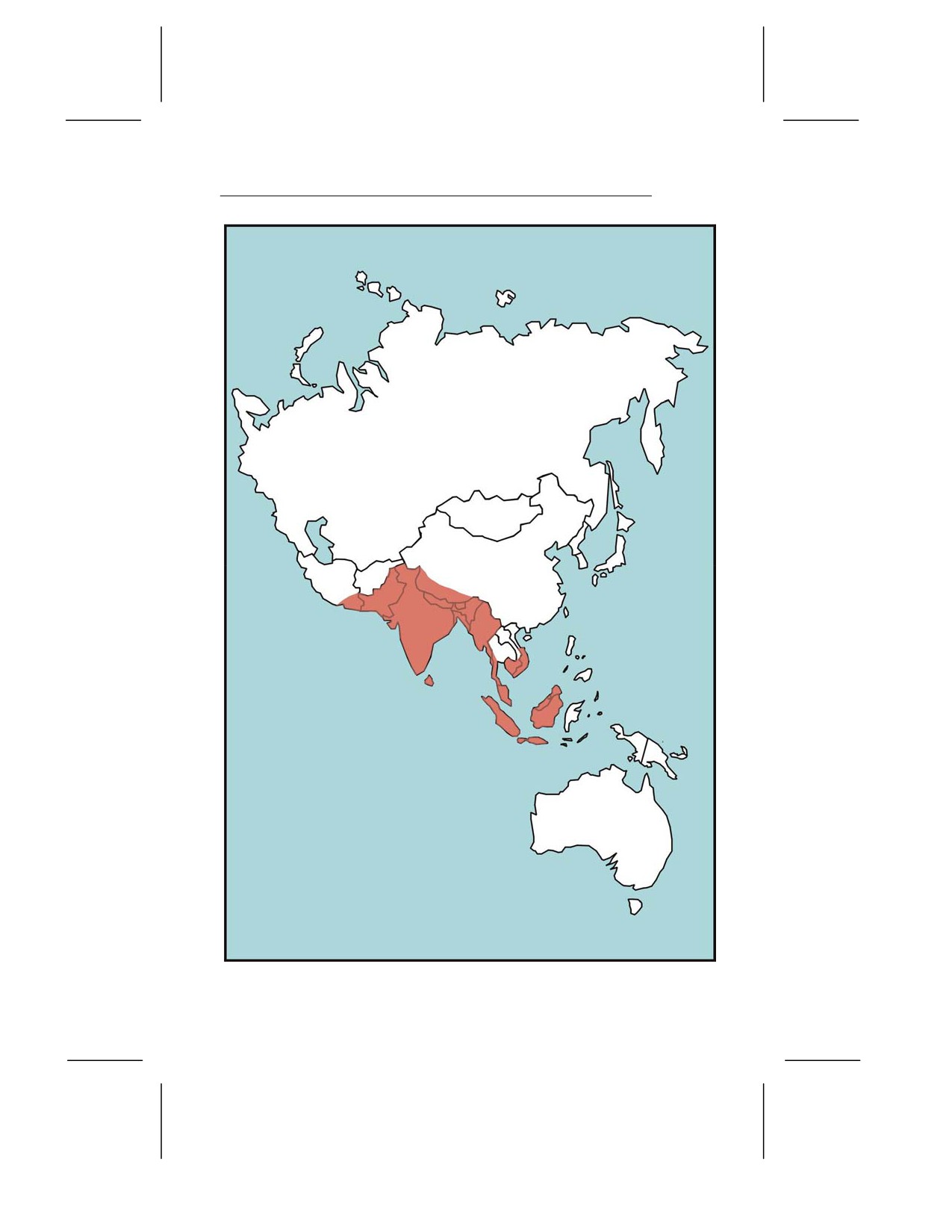
Figure E-32. Krait Habitat
E-61
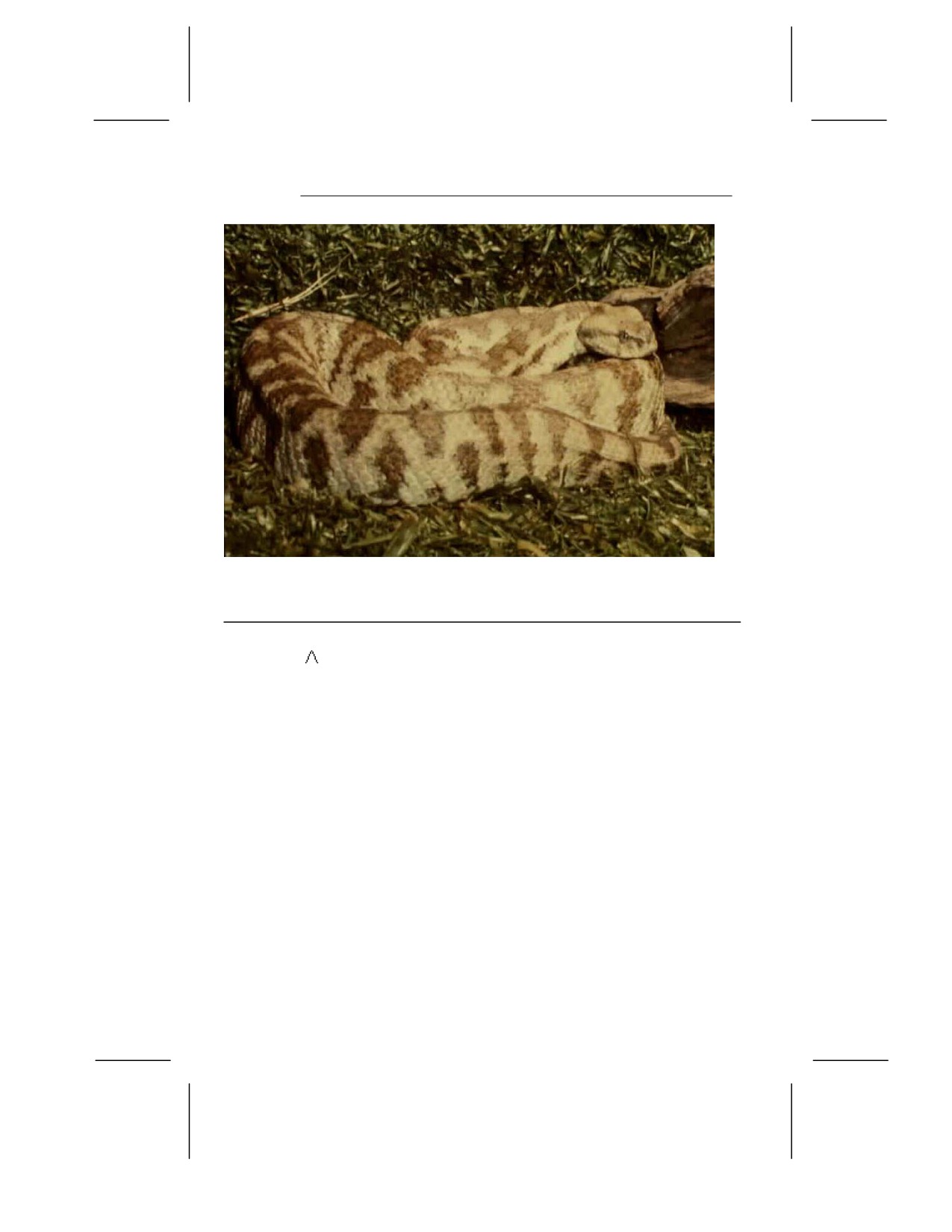
Levant viper
Vipera lebetina
Description: Gray to pale brown with large dark brown spots on the top of the
black and a “
“ mark on top of the head.
Characteristics: This viper belongs to a large group of true vipers. Like its
cousins, it is large and dangerous. Its venom is hemotoxic. Many deaths have
been reported from bites of this species. It is a strong snake with an irritable
disposition; it hisses loudly when ready to strike.
Habitat: Varies greatly, from farmlands to mountainous areas.
Length: Average 1 meter (3 feet), maximum 1.5 meters (5 feet).
Distribution: Much of Asia Minor and southwest Asia, particularly Greece, Iraq,
Syria, Lebanon, Turkey, Afghanistan, lower portion of the former USSR, and
Saudi Arabia (Figure E-33, page E-63).
E-62
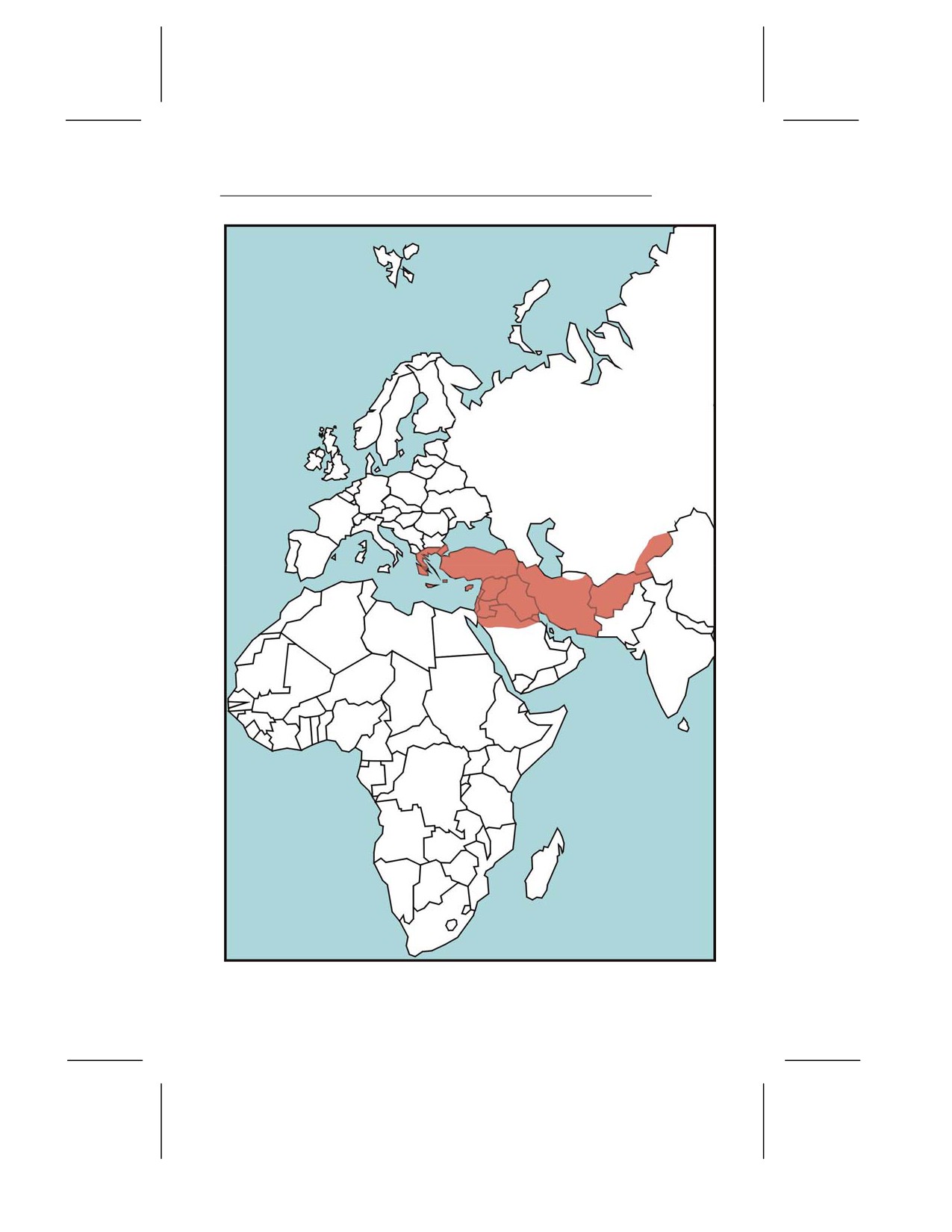
Figure E-33. Levant Viper Habitat
E-63
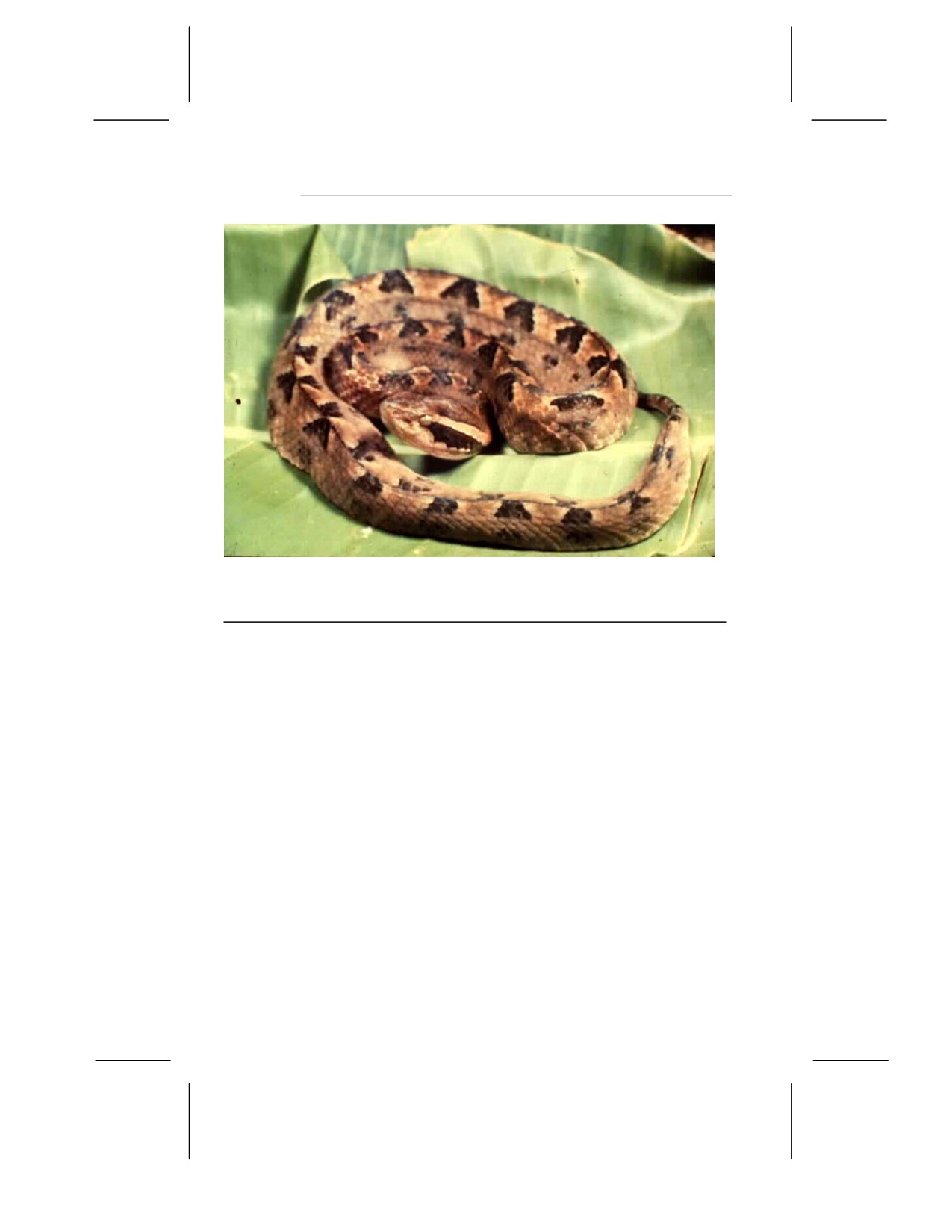
Malayan pit viper
Callaselasma rhodostoma
Description: Reddish running into pink tinge toward the belly with triangular-
shaped, brown markings bordered with light-colored scales. The base of the
triangular-shaped markings end at the midline. It has dark brown, arrow-shaped
markings on the top and each side of its head.
Characteristics: This snake has long fangs, is ill-tempered, and is responsible
for many bites. Its venom is hemotoxic, destroying blood cells and tissue, but a
victim’s chances of survival are good with medical aid. This viper is a ground
dweller that moves into many areas in search of food. The greatest danger is in
stepping on the snake with bare feet.
Habitat: Rubber plantations, farms, rural villages, and rain forests.
Length: Average 60 centimeters (24 inches), maximum 1 meter (3 feet).
Distribution: Thailand, Laos, Cambodia, Java, Sumatra, Malaysia, Vietnam,
Myanmar, and China (Figure E-34, page E-65).
E-64
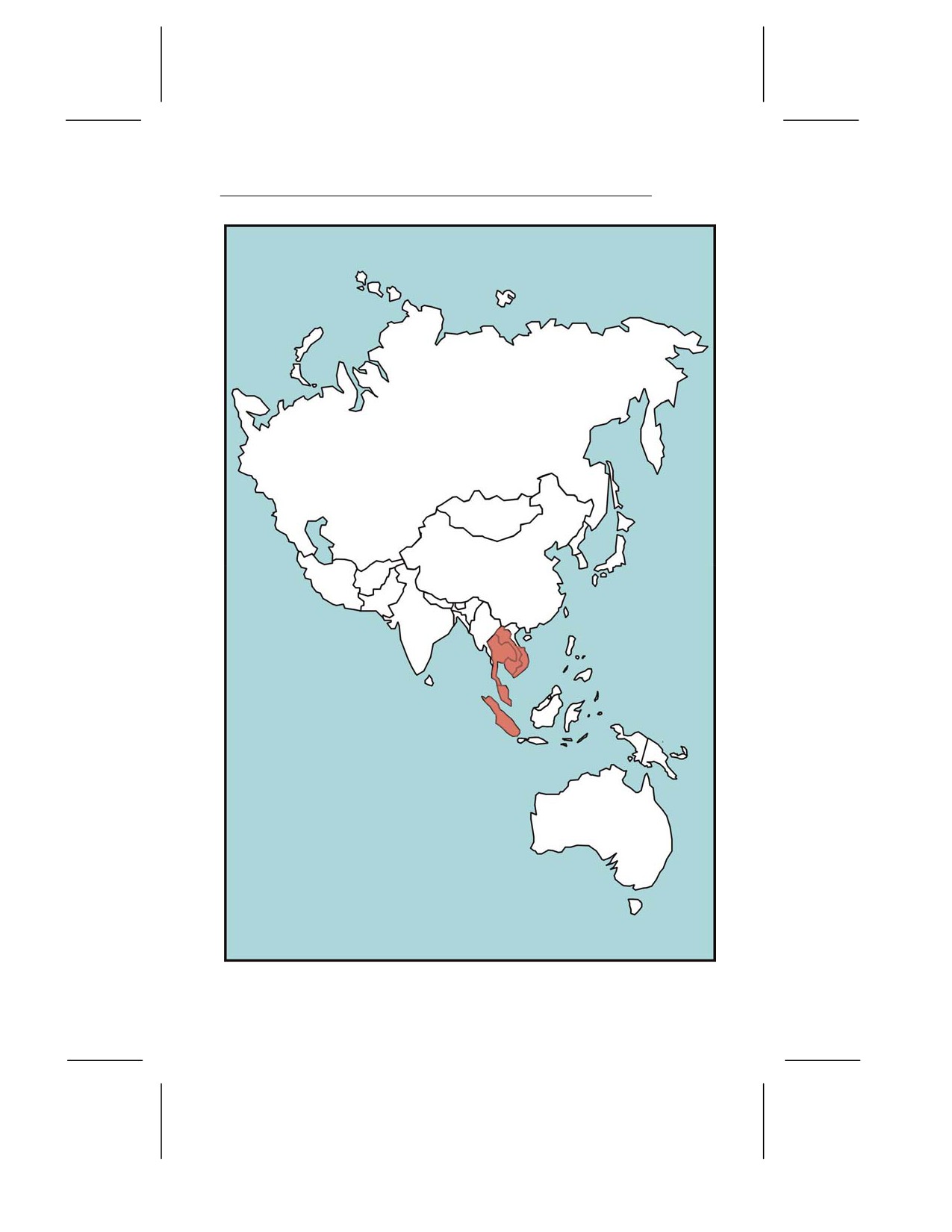
Figure E-34. Malayan Pit Viper Habitat
E-65
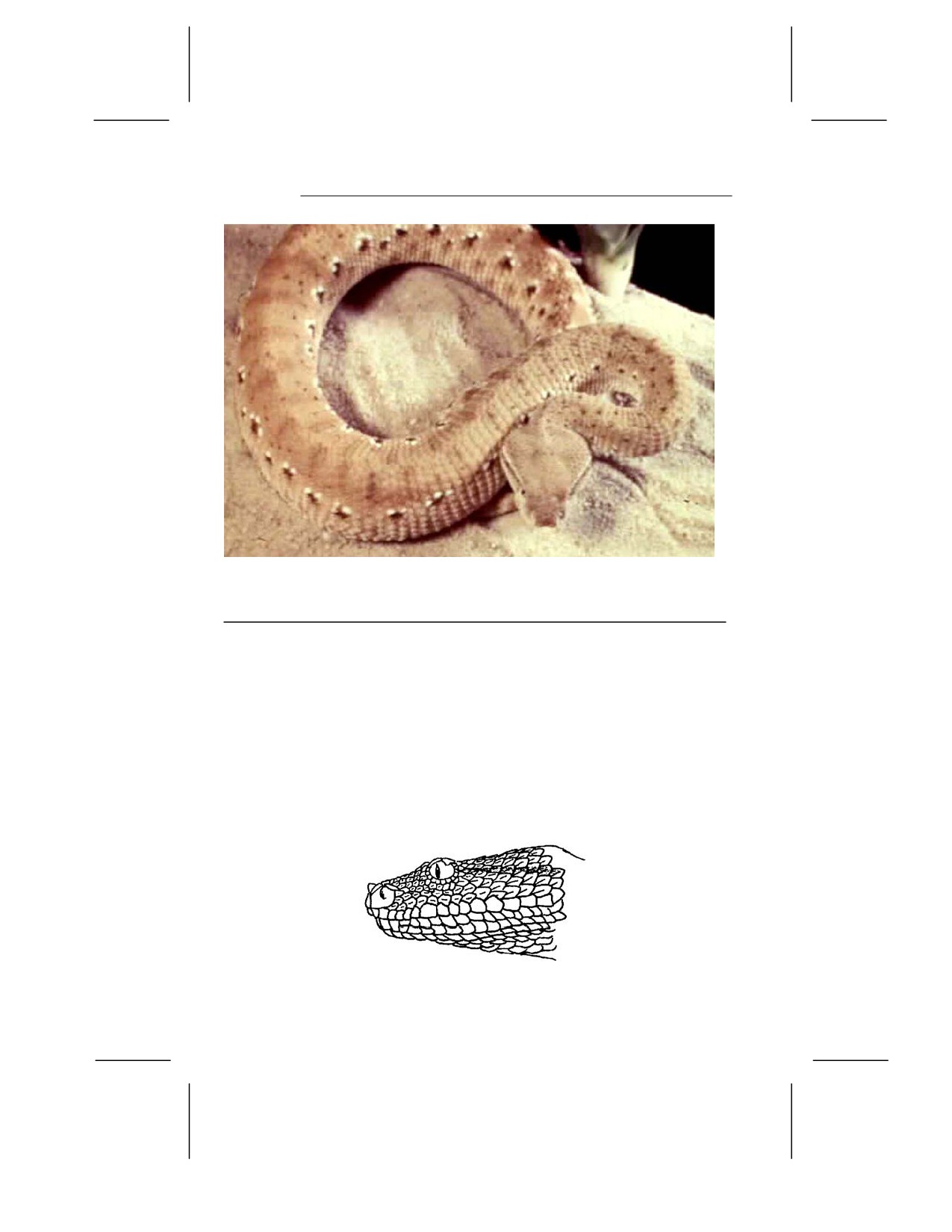
McMahon’s viper
Eristicophis macmahonii
Description: Sandy buff color dominates the body, with darker brown spots on
the side of the body. The nose shield is broad, aiding in burrowing.
Characteristics: Very little is known about this species. It apparently is rare or
seldom seen. This viper is very irritable; it hisses, coils, and strikes at any
intruder that ventures too close. Its venom is highly hemotoxic, causing great
pain and tissue damage.
Habitat: Arid or semidesert. It hides during the day’s sun, coming out only at
night to feed on rodents.
Length: Average 45 centimeters (18 inches), maximum 1 meter (3 feet).
Distribution: West Pakistan, Iran, and Afghanistan (Figure E-35, page E-67).
E-66
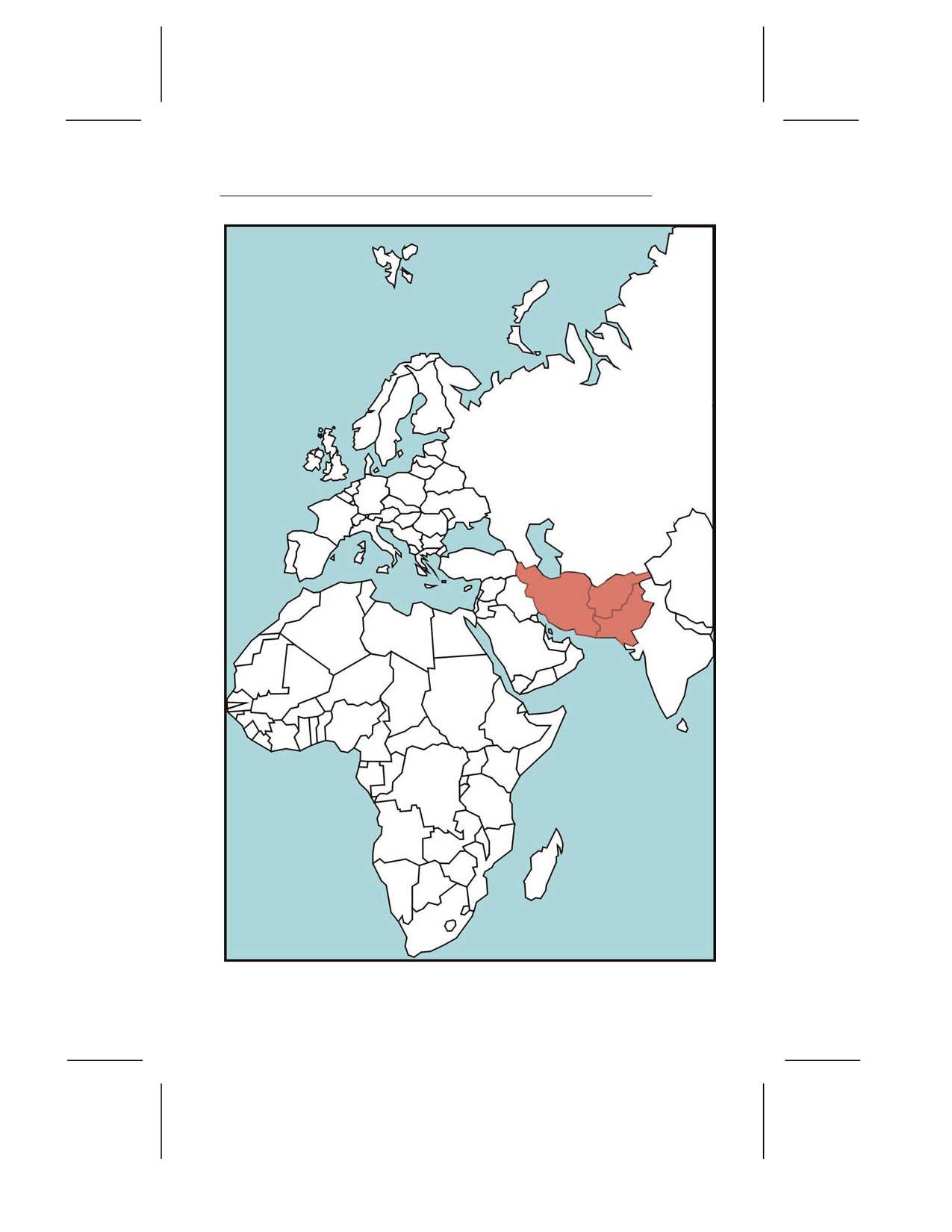
Figure E-35. McMahon’s Viper Habitat
E-67
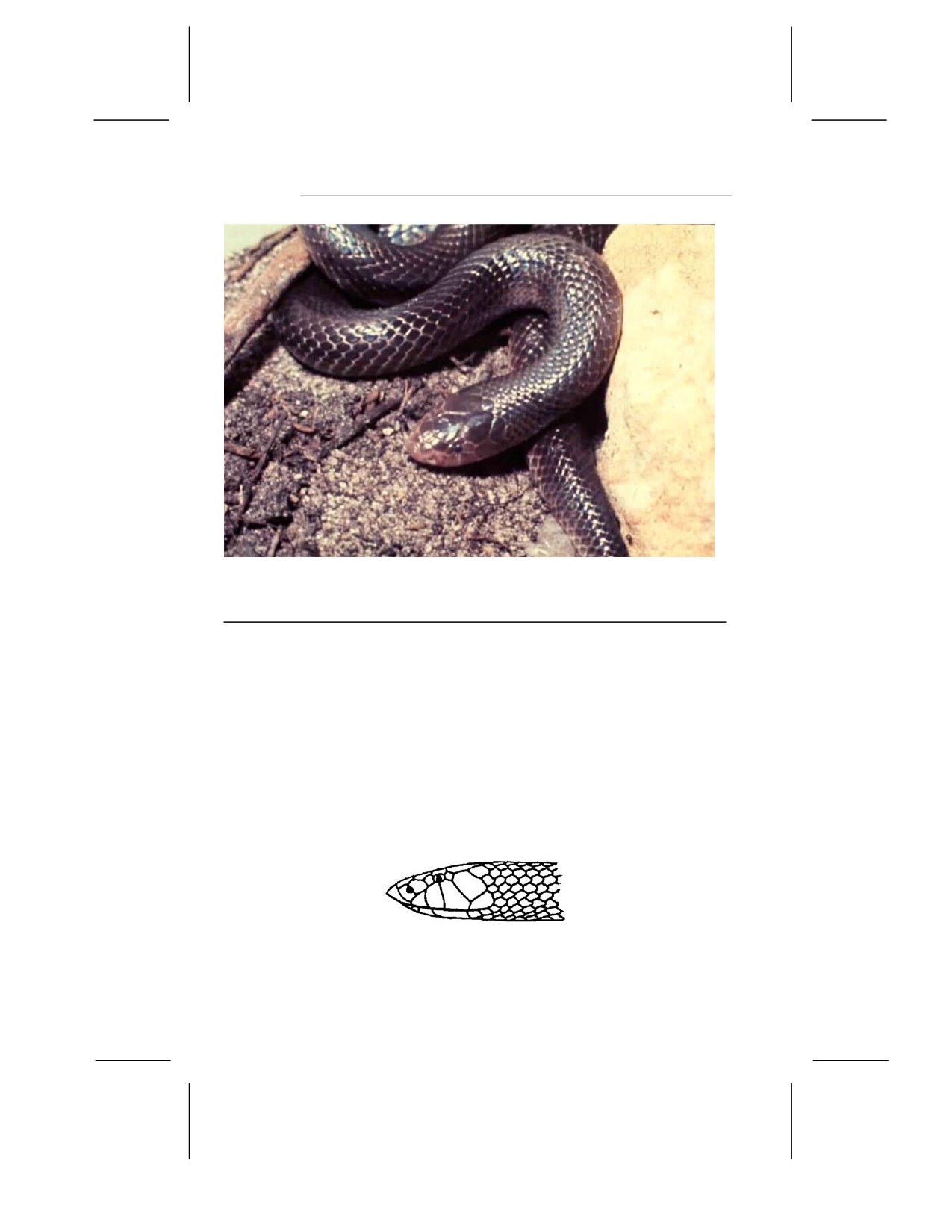
Mole viper or burrowing viper
Atracaspis microlepidota
Description: Uniformly black or dark brown with a small, narrow head.
Characteristics: A viper that does not look like one. It is small in size, and its
small head does not indicate the presence of venom glands. It has a rather
inoffensive disposition; however, it will quickly turn and bite if restrained or
touched. Its hemotoxic venom is potent for such a small snake. Its fangs are
exceptionally long. A bite can result even when picking it up behind the head. It is
best to leave this snake alone.
Habitat: Agricultural areas and arid localities.
Length: Average 55 centimeters (22 inches), maximum 75 centimeters (38
inches).
Distribution: Most of sub-Saharan Africa (Figure E-36, page E-69).
E-68
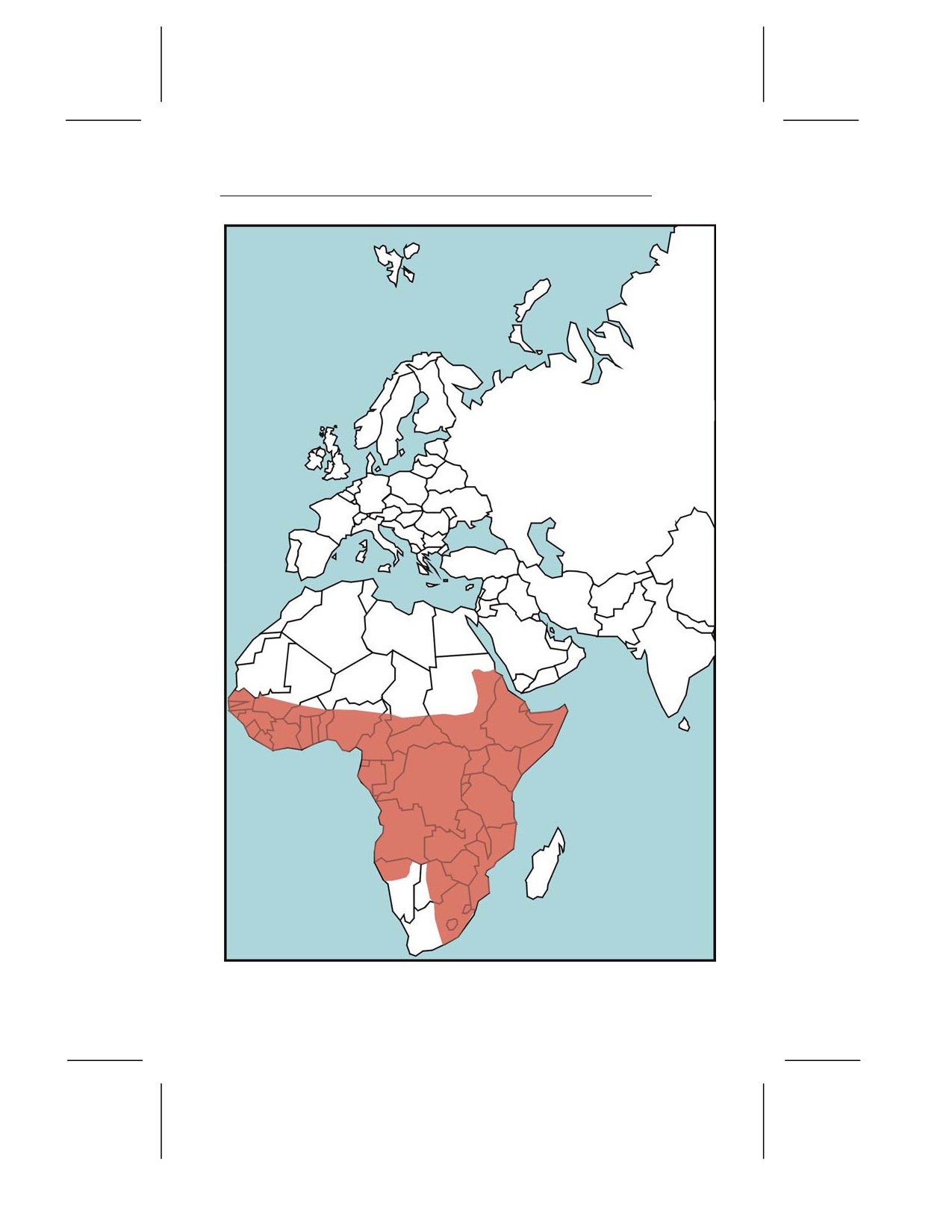
Figure E-36. Mole Viper or Burrowing Viper Habitat
E-69
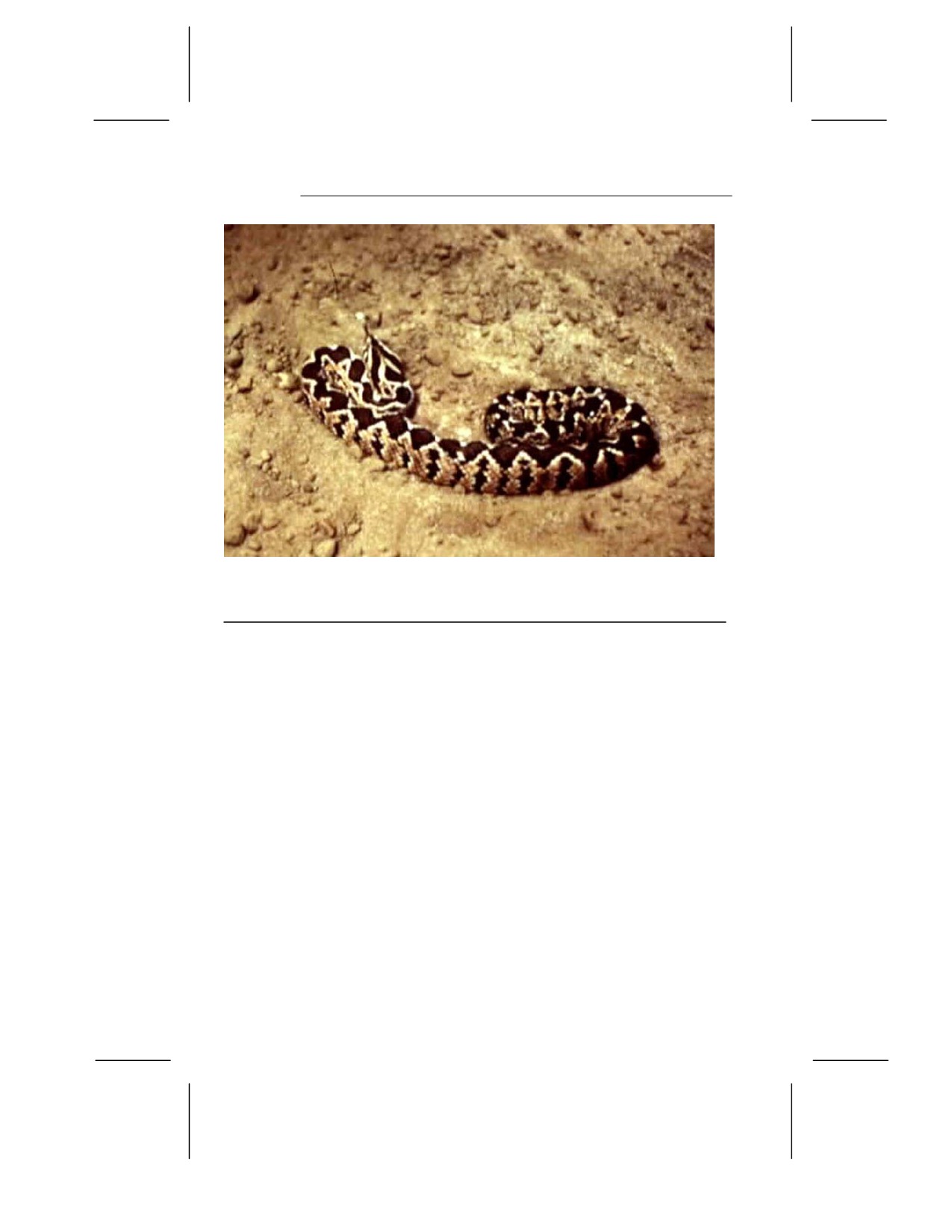
Palestinian viper
Vipera palaestinae
Description: Olive to rusty brown with a dark V-shaped mark on the head and a
brown, zigzag band along the back.
Characteristics: The Palestinian viper is closely related to the Russell’s viper of
Asia. Like its cousin, it is extremely dangerous. It is active and aggressive at
night but fairly placid during the day. When threatened or molested, it will tighten
its coils, hiss loudly, and strike quickly.
Habitat: Arid regions, but may be found around barns and stables. It has been
seen entering houses in search of rodents.
Length: Average 0.8 meter (2 3/4 feet), maximum 1.3 meters (4 feet).
Distribution: Turkey, Syria, Palestine, Israel, Lebanon, and Jordan (Figure E-37,
page E-71).
E-70